
Table of Contents
Table of Contents
Key Takeaways
What is Historical Restoration?
10 Reasons Historical Restoration is a Good Investment
Frequently Asked Questions
Build the Right Investment with Historical Restoration Company
Key Takeaways
- Restoring historical buildings helps maintain cultural identity and keeps history alive for future generations.
- Restoration projects create jobs, support local businesses, and boost tourism, leading to increased economic activity in the community.
- Restored properties often command higher prices, attract more buyers, and require less maintenance over time, making them a good investment.
- Reusing existing structures reduces construction waste and energy consumption, making restoration eco-friendly.
- Restoration can transform neglected areas into vibrant spaces, fostering community pride and social cohesion.
- Governments and organizations offer tax breaks and grants for restoration projects, making them more affordable.
- Restored buildings serve as valuable educational resources for schools, universities, and the general public.
Historical restoration is more than just fixing old buildings. It’s about bringing history back to life and making it relevant today. Studies show that a historic environment positively affects communities by boosting their social capital, mutual understanding, and cohesion and fostering a stronger sense of belonging.
Given these benefits, investing in historical restoration is a smart choice. We’ll cover everything from cultural benefits to financial gains. If you’re considering a project, a historical restoration contractor can help enhance the surroundings of your restored property.
What is Historical Restoration?
Historical restoration is accurately preserving, repairing, and maintaining buildings or structures that hold historical, cultural, or architectural significance. This meticulous work aims to return these structures to their original state or a particular historical period, ensuring that their legacy endures for future generations.
What is the Process of Historical Restoration?
Initial Assessment
- Historical Research: The first step involves extensive research to understand the building’s history, architecture, and cultural significance. This often includes studying old photographs, documents, and blueprints.
- Condition Survey: Experts conduct a detailed survey to assess the building’s current condition and identify any structural issues, material degradation, or alterations made over time.
Planning and Documentation
- Restoration Plan: A comprehensive restoration plan is developed based on the assessment. This plan outlines the methods and materials to be used, ensuring they match the original as closely as possible.
- Permits and Approvals: Before any physical work begins, it is crucial to obtain necessary permits and approvals from local authorities and heritage organizations.
Restoration Work
- Structural Repairs: To ensure the building’s stability, any structural issues are addressed first. This might include repairing foundations, walls, or roofs.
- Material Conservation: Original materials are preserved and restored wherever possible. This can involve cleaning, consolidating, and treating stone, wood, and metal materials.
- Reproduction of Features: Traditional techniques and materials carefully reproduce missing or severely damaged architectural features.
Finishing Touches
- Detailing: Fine details such as moldings, trims, and decorative elements are meticulously restored to their original state.
Final Review and Maintenance
- Inspection: Once restoration work is completed, a thorough inspection ensures that all aspects meet historical accuracy and quality standards.
- Ongoing Maintenance: Regular maintenance is planned to keep the building in good condition and prevent future deterioration.
10 Reasons Historical Restoration is a Good Investment
Investing in historical restoration offers numerous benefits to communities, property owners, and society. These buildings are repositories of cultural heritage, architectural history, and shared identity. Restoring them ensures future generations can appreciate and learn from the past. Historical restoration projects create jobs, increase property values, and boost tourism revenue. They promote environmental sustainability by reusing materials and making buildings more energy-efficient. Additionally, these projects revitalize communities, foster social cohesion, and provide educational opportunities. Financial incentives like tax breaks and grants further enhance the appeal of historical restoration. Restored buildings also enhance the aesthetic charm of neighborhoods, making historical restoration a valuable investment.
1. Preserves Cultural Heritage
Preserving cultural heritage is one of the main reasons for historical restoration. Historical buildings tell the stories of our past. They show how people lived, worked, and built their communities. By restoring these buildings, we keep our history alive.
Historical buildings are part of our cultural identity. They make our towns and cities unique. When we restore these buildings, we keep our cultural heritage intact. Examples of successful restorations show the value of preserving our culture. In many cities, restored buildings have become museums, galleries, and community centers.
2. Provides Economic Benefits
Historical restoration projects offer substantial economic benefits for local communities. These benefits extend beyond immediate job creation, impacting local businesses and boosting tourism.
Job Creation
Historical restoration projects require a variety of skilled labor, creating numerous jobs for builders, carpenters, masons, and other craftsmen who work meticulously to preserve the historical integrity of the building. To ensure accuracy, historians and researchers are often hired to document the building’s history and guide the restoration process, providing their expertise to maintain authenticity. The wages paid to these workers are spent in the local community, supporting other businesses and services, further boosting the local economy through the economic multiplier effect.
Support for Local Businesses
Restoration projects not only create direct jobs but also significantly support local businesses. Workers involved in the restoration project and tourists visiting the restored sites, frequent local cafes and restaurants, increasing their revenue. Local shops benefit from the increased foot traffic generated by the restoration workforce and the influx of tourists, leading to higher sales and potential business expansion.
Tourism Boost
Historical sites are major tourist attractions and restored buildings interest visitors in history, architecture, and culture. Tourists spend money on entry fees, guided tours, souvenirs, and local services, generating significant revenue for the community that can be reinvested into further local development. Attractive and well-maintained historical sites encourage tourists to stay longer and spend more money in the area.
3. Increases Property Value
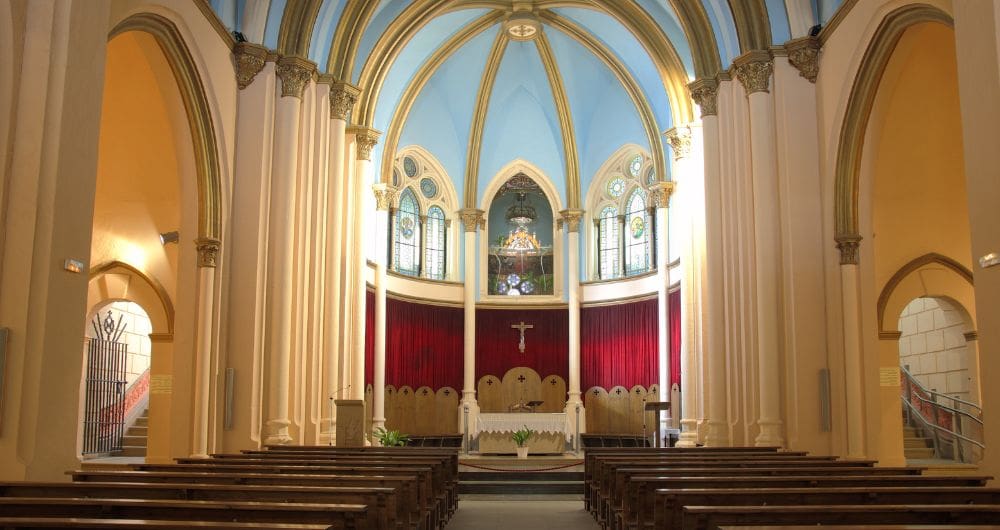
Restoring a historical building can significantly increase its market value, making it a lucrative investment. This increase in value is driven by several factors, including enhanced marketability, positive comparative analysis, and long-term financial benefits.
Enhanced Marketability
Restored buildings often command higher selling prices compared to non-restored ones. Buyers are willing to pay a premium for properties with historical charm and good condition. Properties with historical significance attract buyers who value heritage and culture, making them more desirable and accessible to sell at higher prices.
Comparative Analysis
Studies show restored properties attract more buyers and receive higher offers than non-restored ones. Buyers often prefer properties that require less immediate work and investment, which is why restored buildings are more appealing. Enhanced curb appeal is a significant selling point. Potential buyers are more likely to be impressed by a property with well-kept grounds and historically accurate landscaping, further driving up interest and offers.
4. Promotes Environmental Sustainability
Environmental sustainability is another key benefit of historical restoration. By reusing existing structures, we reduce the need for new materials, which cuts down on construction waste. Restoration often involves making buildings more energy-efficient. This can include installing better insulation, windows, and heating systems. The reduction of construction waste is significant. Restoring a building uses fewer resources than constructing a new one, making restoration a greener option.
5. For Community Revitalization
Historical restoration can revitalize communities. It brings people together and fosters a sense of pride. Restored buildings often become community centers, libraries, or museums. Restoration projects can transform neighborhoods. They turn neglected areas into vibrant spaces. Social cohesion is another benefit. People often feel more connected to their community when their history is preserved.
6. Allows Tax Incentives and Grants
Historical restoration projects often come with significant financial incentives, making them more affordable and appealing for property owners. Governments and organizations offer various tax breaks and grants to encourage the preservation of historical buildings.
Tax Incentives
The increase in land scarcity and environmental degradation has renewed the government’s interest in building restorations to address these issues and prevent further deforestation. Governments frequently offer tax incentives to property owners undertaking historical restoration projects. These tax breaks can significantly reduce the overall cost of restoration, making it a more viable option.
Property owners can also receive tax breaks for using eco-friendly materials or for preserving vital historical features of the building.
Grants and Funding Opportunities
In addition to tax incentives, numerous grants and funding opportunities are available for historical restoration projects. Many governmental and non-governmental organizations provide financial assistance to support the preservation of historical buildings. These grants can cover significant restoration costs, easing the financial burden on property owners. With the proper planning and documentation, property owners can enhance their chances of securing the necessary funding for their restoration project.
7. Provides Educational Opportunities
Restored buildings can serve as educational resources. They provide a tangible connection to the past. Schools and universities can use these sites for history lessons and field trips. Programs and tours can be developed around restored buildings. These activities teach people about the building’s history and the restoration process. Partnerships with educational institutions are common in restoration projects. Schools and colleges often collaborate with restoration teams to provide hands-on learning experiences.
8. Maintains Architectural Significance
Restoring historical buildings is crucial for preserving unique architectural styles and the craftsmanship that went into creating them. These buildings often showcase design techniques and materials that are no longer in everyday use, offering a window into past architectural practices. This preservation helps maintain our built environment’s aesthetic diversity and cultural richness. Famous examples of architectural restoration, such as the meticulous work done on Gothic cathedrals, Victorian mansions, and Art Deco theaters, highlight the importance of maintaining these historical styles. These restored buildings often become landmarks and major tourist attractions, drawing visitors who appreciate their historical and architectural significance.
The role of historical buildings in architectural education is also significant. They provide real-world examples of historical design that can be studied and analyzed by students and professionals alike. These structures serve as living textbooks, offering insights into their time’s architectural principles and construction methods. By preserving and restoring these buildings, we ensure that future generations of architects, historians, and the general public can learn from and be inspired by the ingenuity and artistry of past builders. This educational value reinforces the importance of maintaining architectural significance through historical restoration, making it an essential practice for cultural heritage and academic study.
9. Allows Historical Research and Documentation
Restoration projects offer rich opportunities for historical research and documentation. During the restoration process, experts frequently uncover new information about the building’s original construction, previous uses, and the lives of its former inhabitants. These discoveries can significantly enhance our understanding of historical periods, architectural practices, and cultural contexts. The meticulous work involved in restoration often reveals hidden details, such as original paint colors, construction techniques, and previously undocumented modifications, which contribute to a more comprehensive historical record.
The information gathered through restoration can be shared with the public through various mediums, including guided tours, detailed exhibitions, and scholarly publications. This transparency educates the community about their local history and engages them in the preservation process. Collaboration with historians, archaeologists, and other experts ensures the accuracy and integrity of the restoration, allowing for a thorough documentation of the building’s history. These collaborations often lead to new insights and academic contributions, enriching both public knowledge and historical research.
10. Enhances Aesthetic Appeal
Restored buildings significantly enhance the aesthetic appeal of their surroundings, transforming ordinary neighborhoods into visually striking and historically rich environments. These buildings add beauty and charm, becoming architectural gems that elevate the overall ambiance of their communities. Their detailed craftsmanship, period-appropriate materials, and carefully preserved features stand out, creating focal points that draw residents and visitors. The visual impact of a well-restored building can be profound, highlighting an area’s architectural heritage and unique character.
Aesthetically successful restorations often catalyze further investment and development in the vicinity. Restoring one historical building can inspire nearby property owners to undertake similar projects, fostering a ripple effect of renewal and improvement. This collective effort preserves more historical structures and creates cohesive and appealing neighborhoods that blend the old with the new. The charm and beauty brought by these restorations can lead to increased property values, attract tourism, and stimulate local economies, contributing to the overall vibrancy and attractiveness of the community.
Frequently Asked Questions
What are the common financial risks associated with historical restoration?
Historical restoration projects in New Haven, CT, can face several financial risks. These include unexpected costs due to hidden structural issues that may not be apparent until work begins. For example, older buildings often have outdated electrical systems, plumbing, or foundational problems that require costly repairs. Additionally, the need for specialized materials to match the original construction can drive up costs. Adherence to preservation standards often requires using traditional techniques and materials, which can be more expensive than modern alternatives. These factors can complicate budgeting and funding, making it crucial to have a contingency plan and secure adequate financing before starting the project.
How does historical restoration impact local property taxes?
In New Haven, CT, historical restoration can have a significant impact on local property taxes. Restored properties may qualify for tax incentives, which can lower property taxes initially. These incentives are designed to encourage the preservation of historical buildings by making restoration more financially feasible. However, once the restoration is complete, the increased property value due to the improvements can lead to higher property tax assessments over time. This means that while there may be short-term tax savings, property owners should be prepared for potential increases in their property tax bills as the value of their restored property rises.
Can modern amenities be integrated into historically restored buildings without compromising their integrity?
Yes, modern amenities can be integrated into historically restored buildings in New Haven, CT, without compromising their integrity. This is achieved through careful design and planning that respects the building’s historical character while updating its functionality. For example, modern HVAC systems can be installed in a way that minimizes visual impact, and energy-efficient windows can be designed to match the historical appearance. Plumbing and electrical systems can be upgraded using concealed methods that do not alter the building’s aesthetics. By working with experienced architects and contractors who specialize in historical restoration, it is possible to add modern conveniences while preserving the building’s historical significance. This approach ensures that the building remains both functional and true to its historical roots.
Build the Right Investment with Historical Restoration Company
Investing in historical restoration is not only a way to preserve our cultural heritage but also brings significant economic and community benefits. By restoring historical buildings, you can increase property values, boost local economies through job creation and tourism, and foster community pride.
For expert guidance and comprehensive services in your historical restoration projects, choose Historical Restoration Company in New Haven, CT. Their team of professionals is dedicated to bringing the past to life while ensuring a sustainable and prosperous future for your restored properties. Contact Historical Restoration Company today to leverage their expertise and commitment to excellence in preserving our architectural legacy.