
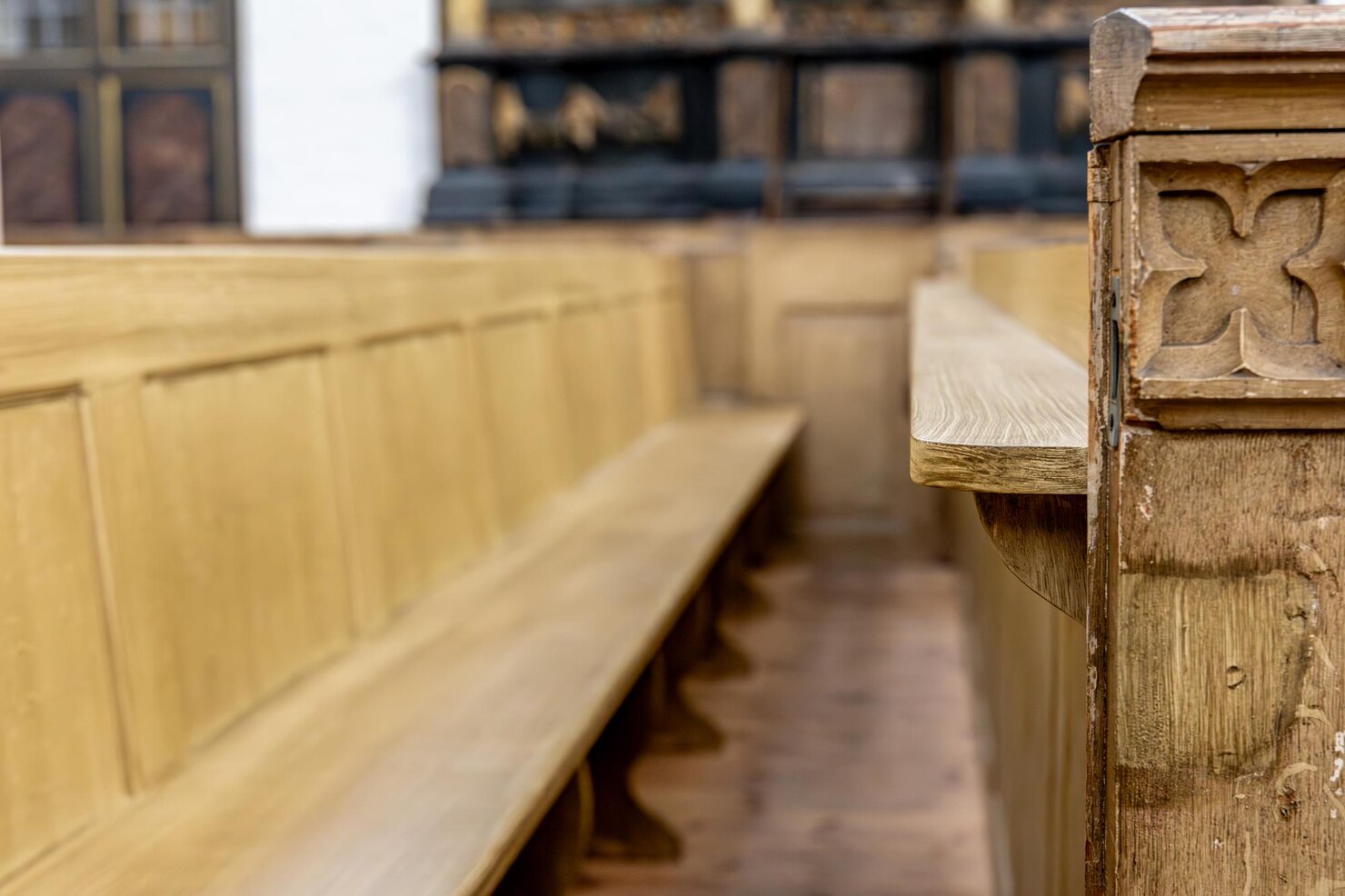
Repurposing old church pews involves creative makeovers like transforming them into rustic entryway benches, dining room banquettes, garden seating, or even unique planters.
Repurposed church pews can enhance entryways, dining areas, fireplaces, sunrooms, and outdoor spaces while preserving original wood or reusing its materials for other meaningful crafts and furnishings.
Reusing and recycling construction materials significantly reduces landfill waste while lowering environmental impact, making pew refinishing both a practical and responsible choice for churches focused on long-term stewardship.
Table of Contents
Key Takeaways✔ Pew refinishing allows churches to preserve historic seating while improving comfort, appearance, and longevity. ✔ Repurposed church pews offer flexible, cost-effective solutions for fellowship halls, offices, outdoor spaces, and retreats. ✔ Many catholic church pews and antique church pews are structurally sound and well-suited for refinishing rather than replacement. ✔ Proper cleaning, finishing, and maintenance can extend the life of pew church furniture for decades. ✔ Refinishing existing pews helps churches balance tradition, stewardship, and modern ministry needs with minimal disruption. |
What to Do with Old Church Pews? 20 Repurposed Church Pews Ideas
1. Modern Pew Refinishing Designs
These updates allow older pews to coexist with chapel chairs or modern architectural elements while maintaining durability and purpose. For contemporary interiors, pew refinishing can include:
- Dark or neutral stains
- Clean-lined finishes
- Minimalist profiles
2. Entryway Seating
Entryway seating made from pews church communities already own encourages connection before and after services and provides a place to pause, wait, or greet visitors. Pew refinishing allows churches to match stains or finishes to surrounding architecture while preserving the original wood.
3. Rustic Bench
Old pews can be transformed into rustic benches with farmhouse-style finishes that work well in church offices, conference rooms, or reception areas. Refinishing enhances the natural grain of an antique church pew while reinforcing joints and edges for daily use in high-traffic spaces.
4. Add Vintage Style
Distressed finishes, soft stains, and light sanding techniques help preserve the character of older pews. This approach is ideal for churches wanting to highlight the age and craftsmanship of an antique church pew.
5. Dining and Fellowship Hall Seating
Shortened pews offer durable, communal seating in fellowship halls and dining spaces. Through professional pew refinishing, benches can be resized, reinforced, and refinished to support:
- Church meals and events
- Youth gatherings
- Multi-generational seating needs
6. Add a Backboard
Replacing the original pew back with a taller or simplified backboard updates the look without replacing the entire piece. This design option is often used when modernizing pew church interiors while retaining the original seat structure.
7. Add Storage
Refinishing ensures the added functionality blends seamlessly with existing pew church furniture. This is especially helpful in churches where space is limited. Storage pews are ideal for:
- Hymnals and Bibles
- Volunteer supplies
- Seasonal décor
8. Fireplace Seating
In retreat houses or clergy residences, refinished pews placed near fireplaces create inviting gathering areas. Adding seat and back cushions improves comfort while maintaining the character of catholic church pews or other traditional designs.
9. Bench Swing
With proper reinforcement and hardware, pews can be converted into swings for retreat grounds or outdoor ministry areas. This creative reuse preserves the original wood while offering a welcoming place to gather.
10. Fireside Seating
Pew refinishing with exterior-grade sealants ensures longevity in outdoor settings. Outdoor repurposed church pews support:
- Fellowship gatherings
- Youth ministry events
- Seasonal services
11. Mudroom Seating
Pews placed in mudrooms or volunteer areas provide durable seating for putting on coats, storing bags, or organizing supplies. Refinishing ensures the benches withstand daily wear while remaining easy to maintain.
12. Add Slipcovers
Slipcovers allow churches to soften the appearance of pew seating while protecting the refinished wood beneath. This option works well in counseling rooms, classrooms, or informal meeting areas where comfort is a priority but structural integrity matters.
13. Corner Bench
Long pews can be cut and reassembled into corner benches that maximize space in classrooms or lounges. This approach makes efficient use of existing pews church facilities already own while creating cozy, conversation-friendly layouts.
14. Garden Seating
A refinished pew placed in a prayer garden or memorial area creates a quiet space for reflection. Repurposed church pews in outdoor gardens preserve meaning while offering congregants a place to pause and pray.
15. Bedroom Bench
In retreat centers or guest housing, refinished pews work well at the foot of beds or along walls. This use allows repurposed church pews to remain functional while maintaining visual continuity with the rest of the property.
16. Pad It
Adding seat and back padding is one of the simplest ways to improve comfort. Churches often choose this approach when:
- Maintaining traditional pew layouts
- Addressing comfort concerns
- Extending the life of existing seating
17. Window Seat
Short pews positioned under windows create reflective seating areas for prayer, reading, or quiet conversation. Pew refinishing helps integrate these benches into both historic and modern interiors without looking out of place.
18. Headboard and Nightstand Displays
Sections of old pews can be repurposed into decorative displays for church history rooms or retreat facilities. The wood from an antique church pew can showcase inscriptions, dates, or historical elements that honor the congregation’s past.
19. Seating for Weddings
Refinished pews bring a timeless, chapel-inspired aesthetic to weddings held in fellowship halls, outdoor spaces, or multipurpose rooms. Many churches reuse catholic church pews for special ceremonies to preserve tradition while adapting the setting.
20. Patio Seating
Refinished pews are well-suited for fellowship patios and outdoor gathering spaces when sealed properly. Their weight and durability make them more stable than lightweight seating options, while refinishing allows them to visually align with the rest of the campus.
How Long Can Chapel Chairs and Pews Last?
Well-crafted church pews can last for several decades, sometimes even a century, when properly maintained. Solid hardwood and quality craftsmanship ensure durability, but regular cleaning and pew refinishing play a major role in longevity.
Refinishing helps protect the wood from wear and tear, keeping the pews looking polished and structurally sound. Many churches also mix traditional pews with wooden church chairs to preserve a classic look while offering flexible seating for modern worship spaces.
Pew Refinishing vs Replacing Pews Church Wide
The scale of construction waste highlights the need for circular practices that prioritize material reuse and waste reduction, especially when structurally sound pews church wide already exist.
And when churches consider updating sanctuary seating, the decision often comes down to pew refinishing versus full replacement.
For many congregations, refinishing existing pews church wide offers a practical middle ground—honoring tradition while supporting modern ministry needs.
Why Pew Refinishing Often Makes Sense
Refinishing allows churches to retain structurally sound seating while improving appearance, comfort, and longevity. This approach is especially effective for catholic church pews and other solid wood installations that were built to last.
Key advantages include:
- Lower overall cost: Pew refinishing typically costs significantly less than removing and replacing all pews, freeing funds for other ministry priorities.
- Faster project timelines: Refinishing projects can often be completed in phases, allowing worship services to continue with minimal interruption.
- Preservation of donor legacy: Many antique church pews were donated or memorialized. Refinishing honors those gifts while extending their useful life.
- Less disruption to worship: Churches can avoid prolonged closures or major construction schedules by refinishing instead of replacing.
When Replacement May Be Considered
In some cases, replacement may still be appropriate, such as when accessibility, reconfiguration, or flexibility is the primary goal. Some churches choose to replace select areas with chapel chairs while refinishing remaining pews to maintain visual and historical continuity.
How to Weatherproof a Church Pew
When repurposed church pews are used outdoors, proper weatherproofing is essential. Whether the pew originated from a pew church sanctuary or is an antique church pew for prayer gardens, courtyards, or retreat grounds, outdoor exposure requires additional protection to preserve both structure and appearance.
Key Steps to Weatherproof a Church Pew
Begin with proper pew refinishing: Clean the wood thoroughly, remove old finishes, sand all surfaces, and repair joints or cracks. Quality pew refinishing ensures exterior products adhere properly and perform as intended.
- Use exterior-grade sealants: Apply marine-grade or exterior wood sealants designed to resist moisture, temperature fluctuations, and mildew—especially important for solid wood catholic church pews.
- Add UV protection: Choose finishes with UV inhibitors to prevent fading, splitting, and surface breakdown caused by prolonged sun exposure.
- Seal every surface: Coat the seat, back, legs, armrests, underside, and end panels to prevent water infiltration and warping.
Ongoing Maintenance for Outdoor Church Pews
Proper maintenance is just as important as the initial weatherproofing. To extend the life of outdoor repurposed church pews, churches should:
- Inspect pews seasonally: Check for cracks, peeling sealant, loose fasteners, or early signs of moisture damage, especially after winter or heavy rain.
- Reapply protective sealants annually: Even high-quality finishes wear down over time. Annual reapplication maintains protection and prevents costly repairs.
- Clean gently and regularly: Use mild soap and water to remove dirt, pollen, and debris. Avoid pressure washers, which can damage wood fibers.
- Keep pews elevated when possible: Placing pews on stone, concrete, or pavers prevents ground moisture from seeping into the wood.
- Cover or store during extreme weather: In colder climates, covering or moving pews indoors during winter significantly reduces stress on the wood.
Frequently Asked Questions (FAQs)
How long does refinishing last?
When done properly, pew refinishing can last for decades with minimal maintenance. Most pews church installations, particularly catholic church pews and other solid wood seating, were built to endure heavy use. With professional preparation and sealing, repurposed church pews often perform as well as new seating for many years.
How to finish a church pew?
Finishing a church pew involves cleaning, sanding, repairing joints, and applying stain or paint followed by a protective topcoat. Professional pew refinishing ensures the finish is even, durable, and compatible with the original wood, which is especially important when working with an antique church pew or historical pew church seating.
How to clean old wooden pews
Old wooden pews should be cleaned gently to protect the wood and prepare it for refinishing. Dust and residue should be removed using a soft cloth and a mild, wood-safe cleaner. Excess moisture should be avoided, as it can damage joints in antique church pews and reduce the effectiveness of future pew refinishing.
Why are churches getting rid of pews?
Most churches are not removing pews due to poor craftsmanship. Many pews church wide, including catholic church pews, remain structurally sound. Common reasons for change include the need for flexible worship spaces, accessibility improvements, and increased comfort, which often leads churches to explore repurposed church pews or alternative seating layouts.
How to make a church pew more comfortable?
Comfort improvements can be made without replacing existing pews. Adding seat and back padding, improving ergonomic support, or using cushions can significantly enhance comfort. When combined with professional pew refinishing, these updates allow pew church seating to meet modern expectations while preserving traditional design.
Take the Next Step with Trusted Church Renovation Experts
If your church is considering pew refinishing, evaluating chapel chairs, or exploring how repurposed church pews can support modern ministry, expert guidance matters.
Artech Church Interiors, Inc. has decades of experience helping churches throughout Connecticut honor their history while planning for the future. Our understanding of pews church design, catholic church pews, and worship-focused renovations ensures thoughtful, respectful results.