
In 2023, construction spending for religious projects reached approximately 2.9 billion U.S. dollars, reflecting the significant investment in preserving these important structures, as a historical restoration company does more than update a church’s appearance—it preserves its architectural integrity and cultural significance. During renovations, many essential details—like original materials, sacred art, and structural stability—are often overlooked.
Here are six key elements that a historical restoration company prioritizes to ensure the church’s history and function are preserved for future generations.
Table of Contents
Key Takeaways✔ A historical restoration company focuses on preserving both visible and hidden features of churches during renovations. ✔ Retaining original building materials is crucial for maintaining the church’s authenticity and long-term durability. ✔ Unique architectural details like arches and columns require specialized restoration to preserve the church’s historical design. ✔ Sacred artwork and religious iconography are vital cultural elements that need expert care during restoration. ✔ Updating electrical and lighting systems is necessary for safety while maintaining the church’s historical appearance. ✔ Proper acoustic enhancements ensure that the church’s traditional sound quality is preserved during services. ✔ Ensuring accessibility without altering historical features allows all visitors to enjoy the church’s space. ✔ Choosing a restoration company with experience, historical knowledge, and attention to detail is key to a successful church renovation. |
1. Preserving Original Building Materials
Preserving original building materials is often overlooked in church restorations because the focus tends to be on visual updates rather than maintaining the integrity of older materials. Churches built centuries ago may have unique elements like hand-carved stone or aged wood that are difficult to repair but essential for historical authenticity. A historical restoration company ensures that these materials are preserved, protecting the church’s history.
What Happens When Original Materials Are Not Preserved?
- Loss of Historical Authenticity: Replacing original materials with modern substitutes dilutes the church’s historical value, making it less representative of its time period and craftsmanship.
- Compromised Structural Integrity: Neglecting thorough research and documentation before a church restoration project risks compromising structural integrity and new materials may not be compatible with the old construction techniques, potentially weakening the building’s structure over time.
- Increased Long-Term Costs: Replacing materials instead of preserving them often leads to higher maintenance costs, as modern replacements may not age well in the church’s historical environment.
How a Historical Restoration Company Preserves Original Building Materials
- Careful Assessment and Documentation: The company conducts a thorough analysis of the church’s original materials, documenting their condition to ensure accurate preservation.
- Specialized Repair Techniques: Instead of replacement, specialists use traditional repair methods like masonry work or wood restoration to preserve the church’s original elements.
- Sourcing Authentic Replacements: When replacement is unavoidable, the company sources historically accurate materials that match the original in both appearance and durability, maintaining the church’s authenticity.
2. Restoring Historical Architectural Features
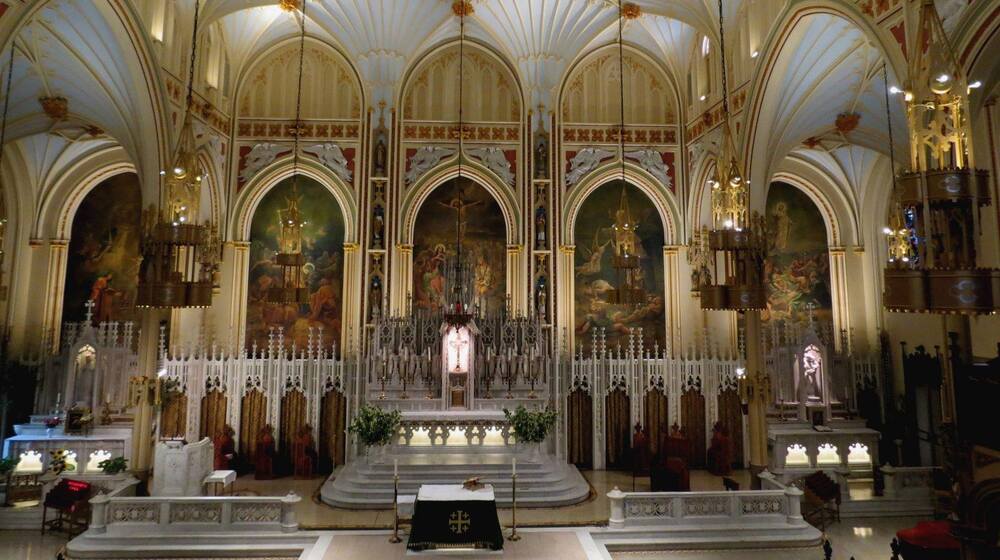
Restoring historical architectural features is often overlooked because many assume modern replacements can easily replicate older styles. However, churches often contain unique architectural details like arches, columns, and cornices that reflect the craftsmanship of their era. A historical restoration company ensures these elements are preserved to maintain the church’s original design and character.
What Happens When Historical Architectural Features Are Not Preserved?
- Loss of Original Design: Replacing architectural features with modern alternatives often alters the church’s original design, diminishing its historical significance.
- Reduced Aesthetic Appeal: The distinct beauty of historical churches comes from intricate details like stone carvings or wooden moldings, which may be lost if not restored.
- Increased Structural Weakness: Architectural features like columns and arches often serve structural purposes, and neglecting their restoration can weaken the church’s overall stability.
How a Historical Restoration Company Restores Architectural Features
- Accurate Reconstruction of Damaged Features: When features are damaged beyond repair, the company meticulously replicates the original designs using historically accurate materials and techniques.
- Cleaning and Preserving Original Details: Specialists carefully clean and restore original carvings, moldings, and other decorative elements to ensure they remain intact and vibrant.
- Stabilizing and Supporting Key Features: The restoration company reinforces weakened architectural elements, such as arches or columns, ensuring they continue to support the church while preserving their historical look.
3. Restoring Artwork and Sacred Iconography
Restoring the artwork and sacred iconography within churches is often overlooked during renovations because the focus is usually on structural or functional elements. However, religious artwork is an integral part of a church’s identity and history, requiring specialized care. A historical restoration company ensures these pieces are preserved and restored, maintaining the church’s cultural and religious significance.
What Happens When Sacred Art Is Not Restored?
- Irreversible Damage to Iconography: Over time, neglect of murals, frescoes, or statues can lead to permanent damage, such as fading, cracks, or even complete loss of these valuable artworks.
- Loss of Religious Significance: Religious art and iconography often carry deep cultural and spiritual meaning. Neglecting them diminishes the church’s role as a place of worship and historical reflection.
- Decreased Visitor Appeal: Sacred art often draws visitors, and its deterioration can reduce the church’s appeal as a cultural and historical landmark.
How a Historical Restoration Company Restores Sacred Art
- Collaborating with Art Conservators: The company works with specialized art conservators to carefully clean, repair, and restore murals, frescoes, and statues while maintaining their historical accuracy.
- Protecting Art from Environmental Damage: The restoration process includes protecting artwork from future damage caused by humidity, sunlight, and temperature changes through modern preservation techniques.
- Reinforcing Fragile Art: When artwork, such as stained glass or statues, becomes fragile, the historical restoration company stabilizes these pieces using specialized materials to ensure their longevity.
4. Updating Electrical and Lighting Systems
Updating electrical and lighting systems in churches is often overlooked during renovations because these systems are not as visible as other elements. However, outdated electrical work can be a safety hazard and inefficient, making it crucial for a historical restoration company to modernize these systems discreetly. Modernizing while maintaining the church’s aesthetic ensures safety without altering the historical charm.
What Happens When Electrical Systems Are Not Updated?
- Increased Fire Risk: Old wiring can pose a significant fire hazard, especially in churches with wooden structures or flammable materials.
- Energy Inefficiency: Outdated lighting and electrical systems often consume more energy, leading to higher operational costs for the church.
- Non-Compliance with Safety Codes: Churches with outdated electrical systems may fail to meet current building and safety codes, limiting their use for public events or services.
How a Historical Restoration Company Updates Electrical Systems
- Integrating Modern Wiring: The company installs modern wiring discreetly, often running it through walls or under floors to preserve the church’s historical appearance.
- Upgrading to Energy-Efficient Lighting: Restoration specialists replace old lighting fixtures with energy-efficient options that maintain the church’s ambiance while reducing energy costs.
- Restoring Historical Light Fixtures: Where possible, original lighting fixtures are repaired and updated to accommodate modern bulbs, blending old-world aesthetics with modern functionality.
5. Enhancing Church Acoustics
Church acoustics are often overlooked during renovations because sound quality is not as visible as other elements. However, churches are designed to amplify sound for sermons, music, and ceremonies, making acoustics a vital part of the restoration process. A historical restoration company ensures that the church’s acoustics are preserved or enhanced without compromising its historical integrity.
What Happens When Acoustics Are Not Considered?
- Poor Sound Distribution: Without proper acoustics, sermons and music may not carry evenly throughout the church, reducing the quality of services.
- Interference from Modern Sound Systems: Installing modern sound systems without considering acoustics can create echoes, feedback, or uneven sound distribution.
- Loss of Traditional Sound Quality: Churches with poor acoustics lose the rich, resonant sound traditionally associated with sacred spaces.
How a Historical Restoration Company Enhances Acoustics
- Evaluating Current Acoustics: Specialists assess the church’s current acoustic performance to identify any areas that require improvement or preservation.
- Integrating Modern Sound Solutions: Modern acoustic solutions, such as discreet sound panels or advanced speaker systems, are installed without disrupting the church’s historical architecture.
- Preserving Traditional Sound: When enhancing acoustics, the historical restoration company ensures the church’s traditional sound quality is maintained, keeping the auditory experience authentic.
6. Ensuring Accessibility Compliance
Ensuring accessibility compliance is often overlooked in church renovations because many historical buildings were not originally designed with modern accessibility standards in mind. A historical restoration company focuses on making churches accessible to all visitors while preserving their historical integrity. This ensures that everyone can enjoy the church without compromising its historical value.
What Happens When Accessibility Is Ignored?
- Exclusion of Visitors: Without proper accessibility features, some visitors, including those with disabilities, may be unable to enter or navigate the church.
- Failure to Meet Legal Standards: Churches that do not comply with modern accessibility regulations may face legal penalties or limitations on their public use.
- Negative Public Perception: A lack of accessibility can damage the church’s reputation, as it may be seen as unwelcoming to all community members.
How a Historical Restoration Company Ensures Accessibility
- Installing Discreet Ramps and Elevators: When adding ramps or elevators, the company integrates these features in a way that preserves the church’s historical design.
- Widening Pathways and Entrances: Doorways and pathways are modified to accommodate wheelchairs or other mobility devices, ensuring compliance without altering the church’s overall appearance.
- Modernizing Restrooms for Accessibility: Restrooms are upgraded to meet modern accessibility standards, blending modern fixtures with the church’s traditional style.
How to Choose the Right Historical Restoration Company to Preserve Church Features in a Restoration
Choosing the right historical restoration company is essential to ensuring that a church’s unique features are carefully preserved during a renovation. The company should possess the right blend of expertise, resources, and sensitivity to handle the complexities of historical restorations. Below are six key factors to consider when selecting a restoration company to safeguard the church’s heritage.
1. Proven Experience with Historical Church Projects
Look for a company with a portfolio of successfully completed historical church restorations. Experience with similar projects demonstrates their understanding of the unique challenges posed by church architecture and historical preservation. A company with a strong track record will be better equipped to restore sacred spaces while maintaining their historical integrity.
2. Knowledge of Preservation Techniques
A reliable historical restoration company should have specialized knowledge of traditional preservation techniques. This includes the ability to work with original materials, use period-specific tools, and understand restoration methods that respect the church’s historical craftsmanship. Choosing a company with expertise in these techniques ensures the preservation of the church’s original features.
3. Commitment to Historical Authenticity
The right restoration company will prioritize maintaining the church’s historical authenticity. This means focusing on retaining original materials and features rather than replacing them with modern alternatives. A company committed to authenticity will carefully balance modernization with the preservation of the church’s heritage and identity.
4. Collaboration with Art and Architecture Experts
A top-tier historical restoration company collaborates with specialists in art conservation and architectural history. These experts provide critical insight into how to properly restore stained glass, murals, or intricate woodwork. By partnering with these professionals, the restoration company can ensure that every feature is preserved according to historical standards.
5. Understanding of Modern Safety and Accessibility Standards
While preserving historical features is vital, the company must also comply with modern safety and accessibility regulations. The right restoration firm knows how to integrate necessary updates, like electrical systems and accessibility features, without compromising the church’s aesthetic. This ensures that the church remains functional for contemporary use while maintaining its historical charm.
6. Transparent Communication and Project Management
Effective communication is essential in any restoration project, especially for complex historical renovations. The ideal company will provide clear timelines, regular updates, and transparent budgets. Working with a company that excels in project management ensures that the restoration process is smooth and that the church’s features are preserved without unexpected delays or issues.
Frequently Asked Questions
How long does a typical church restoration project take?
The timeline for a church restoration project varies depending on the size of the church and the scope of the work required. Smaller projects, like restoring artwork or minor architectural repairs, can take a few months, while full-scale restorations may last a year or longer. Factors such as the availability of historically accurate materials and the complexity of the building’s features can also affect the duration. A historical restoration company will provide a detailed timeline after assessing the church’s specific needs.
What is the role of a historical architect in a church restoration?
A historical architect plays a crucial role in preserving the architectural integrity of the church during a restoration. They ensure that any repairs or updates respect the original design and use historically appropriate materials and methods. The architect also collaborates with other specialists, such as engineers and conservators, to ensure the structural and aesthetic aspects of the church are maintained. Their expertise ensures that the church’s historical features are preserved for future generations.
Can modern amenities like heating or air conditioning be added without affecting the church’s historical features?
Yes, modern amenities like heating, ventilation, and air conditioning (HVAC) can be added discreetly during a church restoration. A historical restoration company will find ways to integrate these systems without altering the church’s architectural integrity. For example, they might hide ducts behind walls or use historically compatible materials to cover modern installations. This allows the church to remain functional and comfortable without compromising its historical authenticity.
How does a historical restoration company handle environmental factors that may affect the church?
Environmental factors like humidity, temperature changes, and pollution can significantly impact the condition of a historical church. A historical restoration company will assess these factors and implement solutions to protect the building. This might include installing climate control systems to maintain consistent humidity levels or adding protective coatings to surfaces exposed to the elements. Addressing these issues ensures the long-term preservation of the church’s materials and features.
Is it possible to restore a church while keeping it open for services?
In many cases, a church can remain open for services during a restoration, depending on the extent of the work being done. A historical restoration company may be able to schedule work around service times or section off areas under construction to minimize disruption. However, for more extensive projects involving structural repairs or safety concerns, temporary closure may be necessary. The restoration company will work closely with church leaders to develop a plan that minimizes inconvenience while ensuring the project is completed safely.
Preserve Your Church’s Legacy with Artech Church Interiors Inc in Rhode Island
Artech Church Interiors Inc, a trusted church restoration company in Rhode Island, specializes in preserving and restoring the unique architectural and historical elements of sacred spaces. With decades of experience in historical church renovations, Artech Church Interiors Inc ensures that your church’s rich history is protected while modern updates are seamlessly integrated.
Contact Artech Church Interiors Inc today to discuss how our expert team can help restore and maintain the beauty and integrity of your church for future generations.