
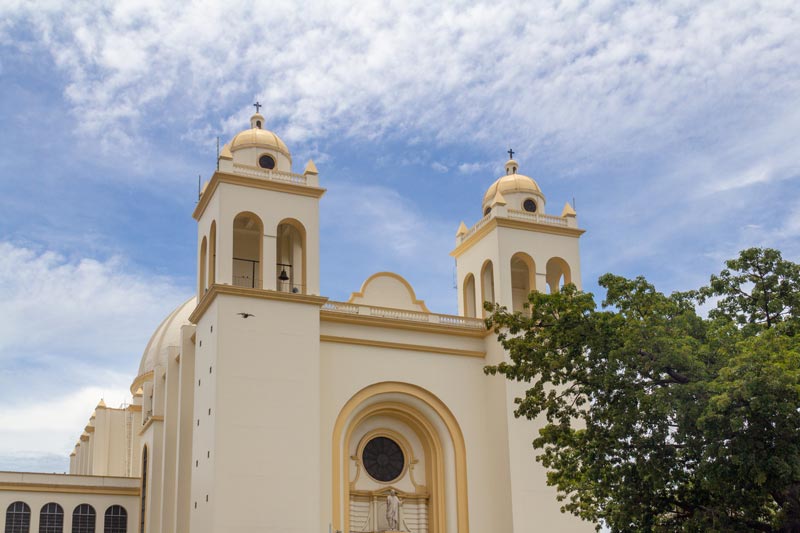
Construction spending for religious construction projects reached about 2.9 billion U.S. dollars in 2023, reflecting the significant investment in preserving these important structures. This commitment to preservation extends to all aspects of a church’s upkeep, including the historical restoration of exterior paint. Restoring the exterior paint of a historical church is a meticulous process that honors the architectural and cultural heritage of the community.
As these sacred spaces often hold significant emotional and historical value, it is essential to approach their restoration with careful planning and attention to detail.
Here are seven essential tips for restoring your church’s exterior paint in Rhode Island.
1. Assess the Current Condition
Understanding the current condition of your church’s exterior is crucial for a successful historical restoration. This initial assessment helps identify areas of damage, wear, and potential hazards, allowing you to plan the restoration process effectively.
How to Assess the Current Condition
- Conduct a Detailed Inspection: Begin with a comprehensive visual inspection of the church’s exterior. Look for signs of peeling paint, cracks in the masonry, and any areas where water damage might have occurred. Use tools such as binoculars for hard-to-reach areas or consider hiring a professional with experience in historical restoration to ensure no detail is overlooked.
- Document Findings: Take detailed notes and photographs of all the areas that require attention. This documentation will serve as a valuable reference throughout the restoration process. By having a clear record, you can better communicate with contractors and ensure that all aspects of the historical restoration are addressed.
- Consult Historical Restoration Experts: Engage with professionals in Rhode Island who specialize in historical restoration to evaluate your findings. These experts can provide insights into the best methods for addressing the issues identified and recommend materials and techniques that will maintain the church’s historical authenticity. Their expertise ensures that the historical restoration work is both effective and historically accurate.
2. Research Historical Colors and Materials
Choosing historically accurate colors and materials is essential for maintaining the authenticity of your church’s exterior. This step ensures that the historical restoration respects the original design and historical significance of the building. By using the correct colors and materials, you contribute to the preservation of the church’s architectural heritage and historical value.
How to Research Historical Colors and Materials
- Investigate Historical Records: Start by examining historical documents, such as old photographs, paintings, and written descriptions of the church. Local historical societies and archives can be valuable resources for finding these records. By cross-referencing multiple sources, you can gain a comprehensive understanding of the original colors and materials used in the church’s construction.
- Consult a Professional for Paint Analysis: Engage a historical restoration expert to carefully scrape away layers of paint in a discreet area of the church exterior to reveal the original colors. This method, known as paint analysis or paint archaeology, involves examining each layer to identify the original hue. Ensure the findings are documented meticulously, as this will guide your selection of historically accurate paint colors.
- Visit Similar Historical Sites: Touring other churches or buildings from the same era can provide valuable insights into common color schemes and materials used during the period. Take detailed notes and photographs of these sites for reference. Observing how similar structures have been restored can inspire your own project and ensure consistency in historical restoration efforts.
3. Select the Right Paint and Techniques
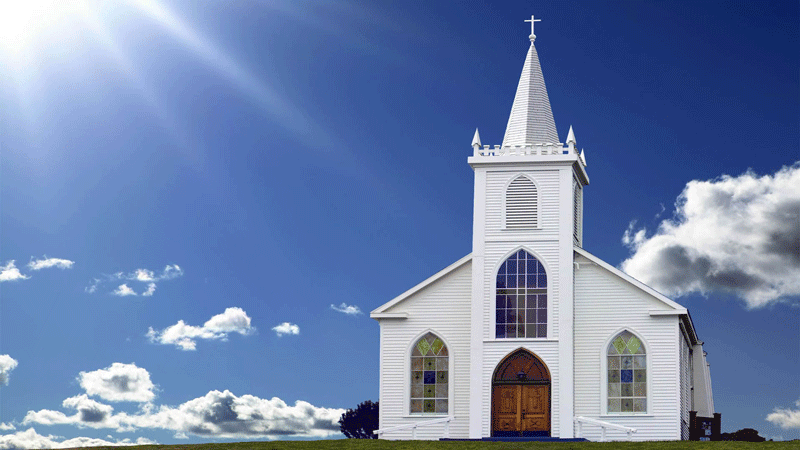
Choosing the right paint and application techniques is crucial to maintaining the historical integrity of your church’s exterior. Using historically accurate paints ensures the restoration aligns with the church’s original appearance, while proper techniques help protect the structure from future damage.
How to Select the Right Paint and Techniques
- Choose Historically Accurate Paint Formulas: Look for paint formulas that match those used during the church’s original construction. Many manufacturers offer historical paint lines that replicate old formulations, including lime-based paints and natural pigments. Using these paints helps maintain the authenticity of the historical restoration and ensures the church exterior looks as it did in its early days.
- Consider the Climate: Consult with a historical restoration expert to select paints that can withstand the local climate conditions, ensuring durability and longevity. For example, in humid or rainy areas, choose paints with mildew resistance and good water repellency. This prevents frequent repaints and preserves the church’s exterior for longer periods.
- Apply Traditional Painting Techniques: Research and employ traditional painting methods that were used during the church’s original construction. This may include using brushes instead of rollers or applying multiple thin layers rather than a single thick coat. These techniques not only enhance the historical authenticity of the restoration but also improve the paint’s adhesion and longevity.
4. Preparing the Surface
Properly preparing the surface of your church’s exterior is a critical step in the historical restoration process. Surface preparation ensures that the new paint adheres correctly and lasts longer. Neglecting this step can lead to premature paint failure and potential damage to the underlying structure. However, this process requires specialized knowledge and techniques, so it’s best to hire a professional experienced in historical restoration.
How to Prepare the Surface
- Hire a Professional for Surface Preparation: Engaging a historical restoration expert is crucial for preparing the surface of your church exterior. They have the expertise to handle the delicate process without damaging historical materials.
- Clean the Surface Thoroughly: A professional will clean the church exterior to remove dirt, mold, and old paint flakes using gentle methods like soft-bristle brushes and mild detergents. This ensures a clean base for the new paint, improving adhesion and finish quality.
- Repair and Patch Damaged Areas: The expert will identify and repair any cracks, holes, or other surface imperfections before painting. They will use historically appropriate materials, such as lime mortar for masonry repairs, to maintain the building’s authenticity. This prevents further deterioration and provides a smooth, even surface for painting.
- Remove Old Paint Carefully: Professionals will strip away old, flaking paint using methods that protect the underlying historical material. Techniques like hand scraping, gentle sanding, or using environmentally friendly chemical paint removers are effective. This careful removal process is vital to avoid damaging the original fabric of the building while preparing it for a fresh, new coat of paint.
5. Addressing Structural Repairs
Structural issues can compromise the effectiveness of your paint job and lead to further deterioration if not properly fixed. Addressing structural repairs before painting is vital to ensure the longevity and safety of your church’s exterior.
How to Address Structural Repairs
- Identify Common Structural Problems: Hire professionals to inspect the church for common structural issues such as cracks in the foundation, damaged masonry, or rotting wood. Pay special attention to areas that are prone to water damage, as these can exacerbate structural problems. Identifying these issues early allows for timely repairs and prevents further damage.
- Use Historically Accurate Repair Materials: When making repairs, make sure to hire professionals who use materials that match or closely replicate the original construction materials. Neglecting thorough research and documentation before a church restoration project risks compromising structural integrity and historical accuracy. For instance, if the church was built with lime mortar, use the same type for repairs to ensure compatibility and maintain historical authenticity.
- Consult Engineering Reports: Obtain a structural engineering report to understand the full extent of the repairs needed. An engineer with experience in historical restoration can provide insights into the best methods for repairing and reinforcing the structure. Following professional recommendations ensures that the repairs are effective and that the church remains safe and stable.
6. Applying Paint with Care
Applying paint with care is essential to achieving a high-quality finish. Careful application ensures even coverage, prevents damage to the building’s structure, and enhances the durability of the paint job. This helps preserve the church’s aesthetic appeal and protects it from environmental elements.
How to Apply Paint with Care
- Use the Right Tools: Discuss with your historical restoration painter the importance of selecting appropriate tools for applying the paint. High-quality brushes or sprayers are essential for smooth, even coverage. Brushes are often preferred for detailed work and intricate areas, while sprayers can be useful for larger surfaces. Ensuring the use of the right tools is crucial in historical restoration to achieve a consistent and authentic finish.
- Apply Multiple Thin Coats: Instruct your historical restoration painter to apply several thin layers of paint instead of one thick coat. This technique allows each layer to dry properly and adhere better to the surface, reducing the risk of peeling or cracking. Multiple thin coats also help in achieving a rich, deep color that is characteristic of historical buildings.
- Protect Surrounding Features: Ensure your historical restoration painter carefully masks and covers areas that should not be painted, such as windows, doors, and decorative elements. Use gentle materials that won’t damage these features during removal. Protecting surrounding features is vital in historical restoration to maintain the building’s overall appearance.
7. Maintenance and Long-Term Care
Regular maintenance and long-term care are essential to preserving the historical restoration of your church’s exterior paint. Consistent upkeep helps prevent deterioration, ensuring the building remains in excellent condition for future generations. This also protects the time and resources invested into the project.
How to Maintain and Care for the Exterior
- Conduct Regular Inspections: Schedule periodic inspections of the church exterior to identify any signs of wear or damage early. Look for issues such as peeling paint, cracks, or moisture buildup. Regular inspections help address problems promptly, preventing minor issues from becoming major repairs.
- Perform Seasonal Maintenance: Carry out maintenance tasks based on seasonal needs, such as cleaning gutters, removing debris, and touching up paint. Seasonal care helps protect the building from weather-related damage and ensures the longevity of the paint job.
- Create a Maintenance Schedule: Develop a comprehensive maintenance schedule that outlines routine tasks and timelines for inspections and repairs. Include detailed instructions for each task to ensure consistency and thoroughness. Your maintenance checklist should include regular tasks such as bi-annual inspections, seasonal cleaning, gutter maintenance, and touch-up paint.
How to Document the Restoration Process
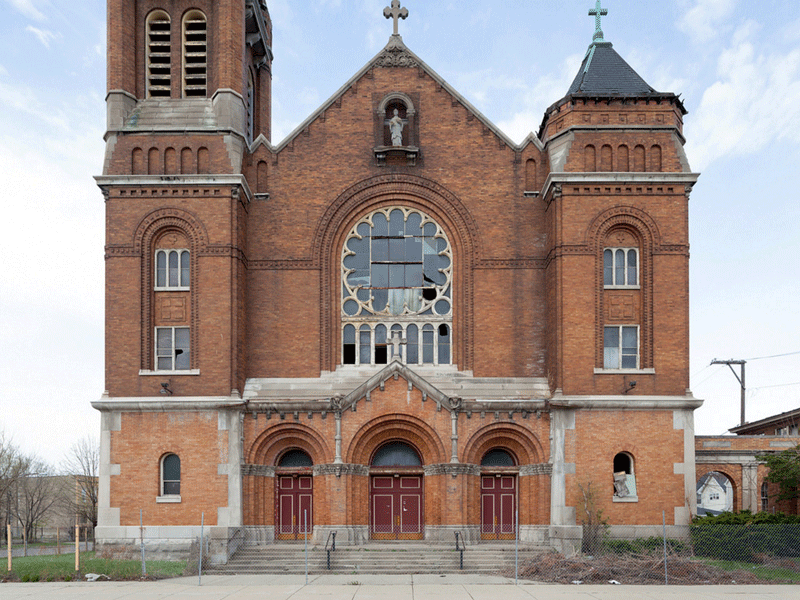
Documenting the restoration process is essential for maintaining a detailed record of the work done on your church’s exterior. This documentation provides valuable information for future restorations and maintenance. A well-documented restoration process can also enhance transparency and accountability.
1. Create a Restoration Log
Start by maintaining a detailed logbook or digital document that records every step of the restoration process. Include dates, descriptions of work done, materials used, and names of contractors or volunteers involved. This log should be updated regularly to reflect ongoing progress and any changes to the original plan.
2. Take Before-and-After Photos
Photograph the church exterior before, during, and after the historical restoration work. Ensure that you capture all areas being restored, including close-ups of specific details and wider shots of the overall structure. These photos provide a visual record of the transformation and can be useful for presentations, reports, or promotional materials.
3. Collect and Preserve Samples
Save samples of original materials, such as paint chips or fragments of decorative elements, along with documentation of their locations. Label these samples clearly and store them in a safe place. These samples can serve as important references for future restoration projects or historical research.
4. Keep Copies of Permits and Approvals
Gather and organize all necessary permits, approvals, and correspondence with local authorities regarding the restoration project. This documentation ensures compliance with regulations and provides a legal record of the restoration process, which can be crucial for future reference or disputes.
5. Compile a Final Report
At the end of the project, create a comprehensive final report summarizing the entire restoration process. Include key findings, challenges faced, solutions implemented, and any recommendations for future maintenance. This report serves as a valuable resource for the church administration and future restoration teams, encapsulating the knowledge gained from the project.
What to Look for in a Church Restoration Company
Choosing the right restoration company is vital to ensuring the success of your historical restoration project. With so many factors to consider, it’s important to know what to look for in a restoration company to ensure your church’s historical integrity and beauty are preserved.
1. Experience in Historical Restoration
Look for a company with extensive experience in historical restoration. They should have a proven track record of working on similar projects, demonstrating their ability to handle the unique challenges that come with restoring historic buildings.
2. Knowledge of Historical Materials and Techniques
A reputable restoration company should be well-versed in historical materials and techniques. They should be able to source authentic materials and employ traditional methods that maintain the church’s historical accuracy.
3. Portfolio of Completed Projects
Examine the company’s portfolio of completed projects to gauge their proficiency in historical restoration. A strong portfolio will showcase their ability to restore various historical structures, highlighting their craftsmanship and attention to detail.
4. Positive References and Reviews
Check for positive references and reviews from previous clients to ensure the company has a good reputation. Feedback from other historical restoration projects can provide valuable insights into their reliability, professionalism, and quality of work. Satisfied clients are a strong indicator of a company’s commitment to excellence
Frequently Asked Questions
Why is it important to use historically accurate materials in restoration?
Using historically accurate materials ensures that the restoration respects the original construction methods and materials, preserving the building’s authenticity and historical value. These materials are often better suited to the building’s existing structure and can enhance the longevity of the restoration work.
How do I find qualified professionals for historical restoration projects?
Look for professionals who specialize in historical restoration and have experience working on similar projects. Check credentials, ask for references, and review past work to ensure they have the necessary expertise. Organizations such as local historical societies or preservation boards can also provide recommendations.
What are some common challenges in the historical restoration of church exteriors?
Common challenges include finding and matching original materials, addressing hidden structural issues, and ensuring that modern restoration techniques do not compromise the building’s historical integrity. Weather conditions and budget constraints can also pose significant challenges.
How can we balance modern safety standards with historical accuracy?
It is possible to meet modern safety standards while preserving historical accuracy by working with restoration experts who understand both historical preservation and current building codes. They can suggest appropriate solutions, such as integrating modern materials subtly or reinforcing structures without altering their appearance.
Can the church still be used during the restoration process?
Yes, the church can often remain in use during the restoration, though some areas may need to be restricted for safety. It’s important to plan the restoration in phases and communicate with the congregation about any temporary disruptions. Scheduling work during less busy times can also minimize inconvenience.
Preserve Your Church’s Heritage with Artech Church Interiors
Ready to restore the historical beauty of your church’s exterior paint in Rhode Island? Artech Church Interiors Inc. specializes in preserving the architectural integrity and historical significance of sacred spaces. We use authentic materials and techniques to ensure your church’s exterior looks just as it did in its prime.
Contact us today to schedule a consultation and learn how we can help you protect and enhance your church’s heritage for future generations.