
Churches renovate their buildings every 30 years on average, contributing to the rise in religious construction spending in the U.S. This reflects the growing need to preserve the safety and heritage of historic and architecturally significant church buildings. Church restoration contractors play a crucial role in preserving these sacred spaces, ensuring they remain functional and true to their original design.
Here are seven key roles these professionals fulfill, safeguarding both the structural integrity and cultural significance of churches for future generations.
Table of Contents
Key Takeaways✔ Effective collaboration with church restoration contractors ensures that your restoration vision is realized while maintaining the church’s original character. ✔ Specialized expertise in areas such as masonry, roofing, and interior restoration is essential for the long-term preservation of church buildings. ✔ Integrating modern amenities into historic churches requires careful planning to maintain both functionality and historical authenticity. ✔ Regular communication and trust in your church restoration contractors are key to a successful and satisfying restoration project. |
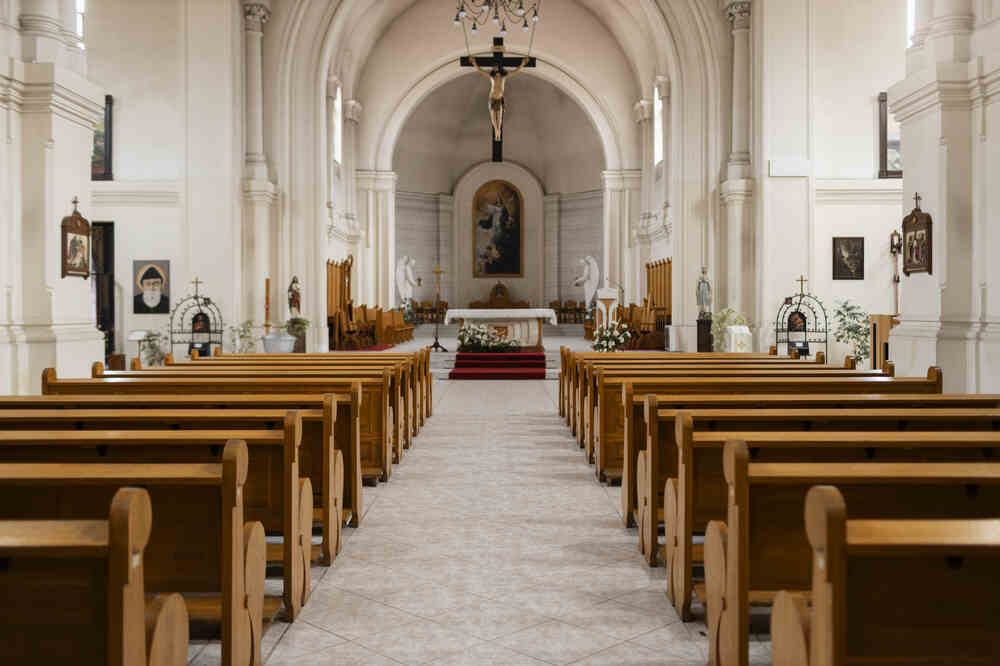
1. Structural Assessment and Stabilization
Structural assessment and stabilization are critical in ensuring the safety and longevity of church buildings. This role involves thoroughly evaluating the church’s foundation, walls, and other structural elements to identify any weaknesses or potential hazards.
How Church Restoration Contractors Do This
- Comprehensive Structural Evaluation: Church restoration contractors begin with a detailed inspection of the church’s structural elements, including the foundation, load-bearing walls, and roofing supports. They use advanced tools and techniques to assess the integrity of these components, identifying any signs of damage or instability. Neglecting thorough research and documentation before a church restoration project risks compromising structural integrity and historical accuracy.
- Implementation of Stabilization Techniques: Once the assessment is complete, church restoration contractors employ specialized stabilization methods to reinforce weakened areas. This might include underpinning foundations, reinforcing beams, or adding support structures to prevent further damage.
- Ongoing Monitoring and Maintenance: After stabilization, church restoration contractors often provide ongoing monitoring and maintenance services to ensure the building remains secure over time. They regularly inspect the church for any new signs of structural stress or damage, making necessary adjustments to the stabilization efforts as needed.
2. Historic Preservation
Historic preservation focuses on maintaining and restoring the original features of a church to preserve its historical and cultural significance. This role involves meticulous care in preserving architectural details, materials, and design elements that reflect the church’s heritage.
How Church Restoration Contractors Do This
- Detailed Historical Research: Church restoration contractors begin with in-depth research to understand the church’s history, architectural style, and original materials. This research helps them identify which features are historically significant and require careful preservation.
- Specialized Restoration Techniques: To preserve historical features, church restoration contractors employ specialized techniques that match the original construction methods. This could involve using traditional materials like lime mortar for masonry or hand-crafted woodwork to replace deteriorated elements. These contractors ensure that every restoration effort respects the original craftsmanship, preserving the church’s unique historical character.
- Collaboration with Preservation Experts: Church restoration contractors often collaborate with historians, preservationists, and local heritage organizations to ensure accuracy in their restoration work. This collaboration helps validate the authenticity of materials and methods used in the restoration process. Through these partnerships, contractors can achieve a restoration that is both historically accurate and meets modern preservation standards.
3. Roof Restoration
Roof restoration is vital for protecting a church’s interior and ensuring the building remains watertight and structurally sound. This role involves assessing the condition of the roof, repairing any damage, and replacing materials as needed to maintain the roof’s integrity.
How Church Restoration Contractors Do This
- Thorough Roof Inspection: Church restoration contractors begin with a comprehensive inspection of the roof to identify issues such as leaks, damaged tiles, or weakened structural components. They assess the materials used in the original construction and determine the best approach for repairs or replacement. This inspection is crucial for developing an effective restoration plan that addresses both immediate and long-term needs.
- Expert Material Selection: When restoring a church roof, contractors carefully select materials that match the original design and provide enhanced durability. This might involve sourcing traditional slate tiles, clay shingles, or specialized metalwork to ensure the restored roof complements the church’s architecture. By choosing the right materials, contractors ensure that the roof not only looks authentic but also offers lasting protection against the elements.
- Precision Repair and Replacement: During the restoration process, church restoration contractors meticulously repair or replace damaged sections of the roof. They use techniques that blend new materials with the existing structure, maintaining the roof’s historical appearance while reinforcing its durability. These precise repairs ensure the roof remains watertight, protecting the church’s interior from water damage and other potential issues.
4. Interior Restoration
Interior restoration focuses on preserving and revitalizing the church’s sacred spaces, including altars, pews, murals, and other interior elements. This role involves restoring the church’s interior to its original beauty while ensuring it remains functional for worship and community activities.
How Church Restoration Contractors Do This
- Assessment of Interior Features: Church restoration contractors begin by evaluating the condition of interior features, identifying areas that require restoration, repair, or cleaning. This assessment includes examining woodwork, murals, stained glass, and other decorative elements to determine the best approach for restoration.
- Restoration of Decorative Elements: Restoring the church’s interior often involves meticulous work on decorative elements, such as altars, statues, and murals. Church restoration contractors use specialized techniques to clean, repair, and restore these features, ensuring they retain their original appearance and significance. This work not only enhances the church’s aesthetic appeal but also preserves its cultural and religious heritage.
- Integration of Modern Amenities: While restoring the interior, church restoration contractors may also integrate modern amenities, such as lighting, sound systems, and climate control, without compromising the church’s historical integrity. These upgrades ensure the church remains functional for contemporary worship and events while maintaining its traditional charm. Contractors carefully balance modern needs with historical preservation, creating a harmonious interior environment.
5. Masonry and Stonework
Masonry and stonework restoration is crucial for maintaining the structural and aesthetic integrity of a church’s exterior. This role involves repairing and restoring stone walls, facades, and decorative elements that may have deteriorated over time.
How Church Restoration Contractors Do This
- Assessment of Masonry Condition: Church restoration contractors start with a thorough evaluation of the church’s masonry and stonework to identify areas of deterioration, cracks, or structural issues. They assess the type of stone or brick used and determine the most appropriate methods for repair and restoration. This careful assessment ensures that the restoration process will effectively address any underlying issues.
- Repair and Repointing of Stonework: Restoring masonry often involves repairing damaged sections and repointing joints with materials that match the original construction. Church restoration contractors carefully remove deteriorated mortar and replace it with a compatible mixture that preserves the stone’s integrity. This process not only improves the appearance of the stonework but also enhances its durability and resistance to weathering.
- Restoration of Decorative Stone Elements: In addition to structural repairs, church restoration contractors also restore decorative stone elements such as carvings, statues, and reliefs. They use specialized techniques to clean and repair these features, ensuring they maintain their original detail and craftsmanship. This work is essential for preserving the church’s architectural beauty and historical significance.
6. Window Restoration
Window restoration focuses on preserving and repairing the church’s windows, including stained glass, which are often key features of the building’s design. This role involves restoring damaged or deteriorated windows to their original beauty while ensuring they remain functional and secure.
How Church Restoration Contractors Do This
- Evaluation of Window Condition: Church restoration contractors begin by assessing the condition of the church’s windows, identifying any damage, such as cracks, warping, or missing pieces. They consider the materials used, such as leaded glass or wood frames, to determine the best restoration approach. This evaluation is critical for ensuring that the restoration process will effectively preserve the windows’ historical character.
- Expert Repair and Restoration: Restoring church windows often involves repairing broken glass, reinforcing lead came, and restoring wooden or stone frames. Church restoration contractors use specialized techniques to carefully repair these elements, ensuring the windows retain their original design and functionality. This meticulous work helps preserve the church’s visual and spiritual ambiance, as windows often play a key role in the building’s overall atmosphere.
- Protection and Preservation: In addition to repairs, church restoration contractors also implement measures to protect restored windows from future damage. This might include installing protective glazing or reinforcing window frames to withstand environmental stresses. These protective measures ensure that the windows remain intact and beautiful for years to come, safeguarding an essential aspect of the church’s heritage.
7. Modern Upgrades and Safety Compliance
Modern upgrades and safety compliance are essential for ensuring that historic churches meet current building codes and remain functional for today’s needs. This role involves updating electrical systems, installing modern amenities, and ensuring the church complies with safety regulations.
How Church Restoration Contractors Do This
- Integration of Modern Electrical Systems: Church restoration contractors update outdated electrical systems to meet modern safety standards while ensuring they do not disrupt the building’s historical aesthetics. This might involve discreetly installing new wiring, lighting, and outlets in a way that blends seamlessly with the church’s design. These upgrades improve the building’s functionality and safety without compromising its historical character.
- Installation of Modern Amenities: In addition to electrical upgrades, church restoration contractors may install modern amenities such as HVAC systems, sound systems, and accessibility features. These additions make the church more comfortable and functional for contemporary use while preserving its traditional ambiance. Contractors carefully plan these installations to ensure they do not detract from the church’s architectural and historical significance.
- Ensuring Compliance with Safety Codes: Church restoration contractors ensure that all restoration work complies with current building codes and safety regulations. This includes making necessary structural reinforcements, improving fire safety measures, and ensuring accessibility for all congregants. By adhering to these standards, contractors help protect the church and its visitors, ensuring the building remains a safe and welcoming space for years to come.
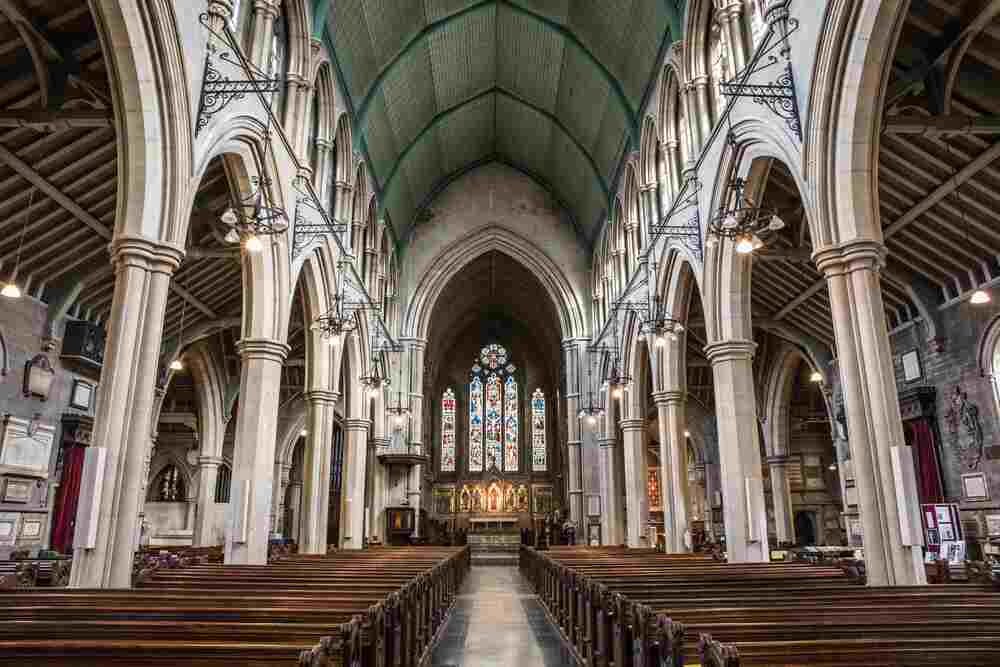
How to Work With Your Church Restoration Contractors for Your Vision to Come to Life
Collaborating closely with church restoration contractors is key to ensuring that your vision for the restoration project is fully realized. Effective communication, planning, and trust are essential components of a successful partnership. Here are five ways to work effectively with your contractors to bring your restoration goals to life.
1. Clearly Define Your Restoration Goals
Begin by clearly outlining your goals and priorities for the restoration project. Discuss specific aspects of the church that are most important to preserve or enhance, whether they involve structural integrity, historical details, or modern upgrades. By sharing your vision upfront, church restoration contractors can better tailor their approach to meet your expectations.
2. Establish Open and Ongoing Communication
Maintaining open lines of communication with your church restoration contractors throughout the project is crucial. Regular updates and discussions help ensure that any concerns are addressed promptly and that the project stays aligned with your vision. Consistent communication also fosters a collaborative environment, where both you and the contractors work together toward a common goal.
3. Involve Stakeholders Early in the Process
Involve key stakeholders, such as church leaders, congregation members, and preservation experts, early in the planning stages. Their input can provide valuable insights into the church’s history, needs, and community significance. Church restoration contractors can then integrate this feedback into their work, ensuring the project respects the church’s cultural and spiritual values.
4. Trust the Expertise of Your Contractors
While it’s important to share your vision, it’s equally vital to trust the expertise of your church restoration contractors. These professionals bring specialized knowledge and experience to the project, making informed decisions about materials, techniques, and processes. Trusting their expertise allows the project to progress smoothly, with the assurance that your vision is in capable hands.
5. Review Progress Regularly and Provide Feedback
Regularly review the progress of the restoration project and provide constructive feedback to your church restoration contractors. This ongoing review process ensures that the work remains on track and that any adjustments can be made in a timely manner. Your feedback is essential for fine-tuning the project and ensuring the final result aligns with your vision.
Frequently Asked Questions (FAQs)
1. How long does a typical church restoration project take?
The duration of a church restoration project can vary widely depending on the scope of work, the size of the church, and the specific restoration needs. A simple roof repair might take a few weeks, while a full-scale restoration, including interior and exterior work, could take several months to over a year. Church restoration contractors will provide a detailed timeline after assessing the project’s requirements.
2. What factors influence the cost of church restoration?
The cost of church restoration is influenced by several factors, including the extent of the damage, the materials required, and the complexity of the restoration work. Historic churches often require specialized materials and techniques, which can increase costs. Church restoration contractors will provide a comprehensive estimate after evaluating the church’s condition and restoration needs.
3. Can modern technology be incorporated into a historic church without compromising its integrity?
Yes, modern technology can be integrated into historic churches in a way that preserves their architectural and historical integrity. Church restoration contractors use discreet installation methods for modern amenities like HVAC systems, lighting, and sound systems to ensure they blend seamlessly with the existing structure. This approach allows the church to meet contemporary needs while maintaining its traditional character.
4. How do church restoration contractors handle unexpected issues that arise during the project?
Church restoration contractors are experienced in dealing with unexpected challenges that may arise during a project, such as hidden structural damage or unforeseen material needs. They typically have contingency plans in place and will communicate any changes to the project scope or timeline promptly. Their goal is to address these issues efficiently while keeping the restoration on track.
5. Is it possible to continue holding services in the church during restoration work?
In many cases, it is possible to continue holding services in the church during restoration work, depending on the extent of the project. Church restoration contractors can often schedule work in phases or during off-hours to minimize disruptions to regular activities. However, for more extensive projects, temporary relocation of services might be necessary to ensure the safety and comfort of the congregation.
Preserve Your Church’s Heritage with Artech Church Interiors in Rhode Island
Artech Church Interiors, Inc. offers expert church restoration services in Rhode Island that breathe new life into sacred spaces while preserving their historical significance. Our skilled team is dedicated to maintaining the architectural integrity of your church, ensuring it remains a cherished landmark for generations to come. Contact us today to discuss your restoration needs and see how Artech can help bring your vision to life.