
Renovating a historic church requires preserving its heritage while meeting modern needs, a process that aligns with the growing trend in historic building restoration, which is expected to expand through 2027, offering both economic and cultural benefits. Historic renovation contractors specialize in combining traditional craftsmanship with modern solutions to maintain the character and history of these sacred spaces for future generations.
Here are seven lesser-known church renovation challenges only historic renovation contractors can tackle.
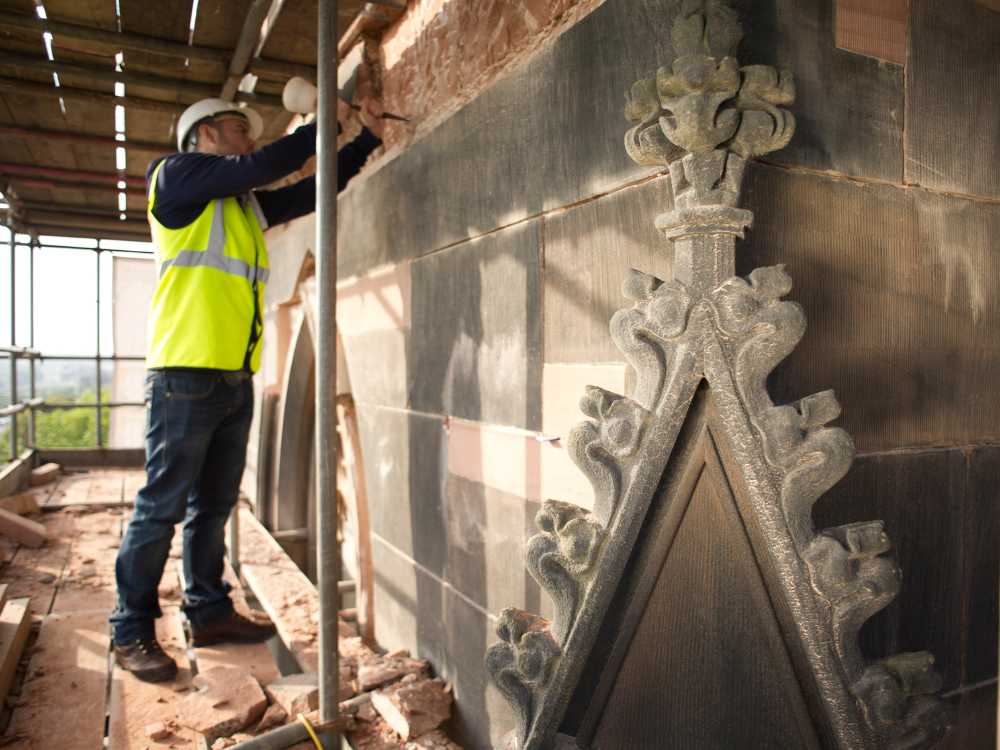
Table of Contents
Key Takeaways✔ Historic renovation contractors require specialized expertise to preserve original architectural features while meeting modern needs. ✔ Balancing preservation with updated building codes, like fire safety and accessibility, is a significant challenge for historic renovation contractors. ✔ Reinforcing aging foundations in historic churches must be done carefully to avoid disrupting the overall structure. ✔ Restoring stained glass windows and sacred artifacts requires skilled artisans and meticulous handling to protect their historic value. ✔ Integrating modern HVAC and climate control systems into historic churches without compromising their design is a delicate but necessary task. ✔ Dealing with hazardous materials like lead paint and asbestos is common in older churches and requires historic renovation contractors for safe removal. ✔ Navigating complex preservation laws and obtaining permits is a key part of the renovation process that historic renovation contractors handle. ✔ Choosing the right historic renovation contractor ensures the successful restoration of a church’s spiritual and architectural heritage. |
1. Preserving Original Architectural Features
Churches, especially historic ones, often showcase unique architectural elements like stained glass windows, detailed woodwork, and stone carvings. Preserving these features is vital to maintaining the building’s original character. However, restoration must be done carefully to ensure historical integrity is upheld.
Why is this a Challenge?
- Sourcing Rare Materials: Many of the materials used in historic churches are no longer readily available or in production. This makes matching the original construction a complex task that requires careful sourcing.
- Expert Craftsmanship Required: Restoring intricate architectural details like carvings or moldings demands specialized skills that not all contractors possess. Finding artisans skilled in historic restoration techniques can be a challenge.
- Ensuring Structural Integrity: Repairs to architectural elements must be done carefully to avoid damaging the original structure. Neglecting thorough research and documentation before a church restoration project risks compromising structural integrity and historical accuracy. Balancing the need for structural soundness while maintaining historical accuracy is a difficult task.
How Church Renovation Contractors Maintain Traditional Craftsmanship
- Access to Specialized suppliers: Historic renovation contractors have established connections with suppliers that provide rare or custom-made materials, ensuring that repairs match the original structure perfectly.
- Collaboration with Artisans: These contractors work with skilled craftsmen trained in traditional methods, allowing them to restore even the most intricate architectural details with historical accuracy.
- Careful Integration of Repairs: Contractors carefully blend modern reinforcements with the existing structure, making sure that repairs are subtle and maintain the building’s historical design.
2. Meeting Modern Building Codes Without Compromising the Historic Design
Modern building codes demand that safety, accessibility, and functionality are up to today’s standards, which often conflicts with the original design of historic churches. The challenge is to meet these regulations while maintaining the building’s authentic appearance.
Why is this a Challenge?
- Fire Safety System Integration: Older churches were not built with modern fire safety systems, so adding sprinklers or alarms can disrupt the historic design if not handled properly.
- Accessibility Updates: Making churches accessible, such as installing ramps or elevators, can alter the appearance and layout of the building if not done carefully.
- Electrical and Plumbing Updates: Updating outdated systems like electrical wiring or plumbing while preserving the original walls and ceilings is complex and requires careful planning.
How Church Renovation Contractors Meet These Challenges
- Discreet Fire System Installations: Historic renovation contractors know how to install fire safety systems in a way that preserves the church’s original architecture, often hiding systems in less visible areas.
- Blending Accessibility Solutions: Contractors create ramps and lifts that blend seamlessly with the historic design, preserving the aesthetic while ensuring compliance with modern accessibility codes.
- Non-Invasive System Updates: These contractors update electrical and plumbing systems using minimally invasive methods, ensuring the original structure is maintained while meeting modern standards.
3. Structural Reinforcement of Aging Foundations
Many historic churches suffer from weakened foundations due to age, environmental factors, and shifting ground. Reinforcing these foundations is critical for the safety and longevity of the building but must be done without disturbing the historic structure.
Why is this a Challenge?
- Outdated Foundation Materials: Historic churches often have foundations made from materials that are more fragile than modern equivalents, making reinforcement difficult without damaging the structure.
- Preservation Guidelines Restrictions: Modern reinforcement methods may conflict with historic preservation regulations, requiring contractors to find innovative solutions.
- Impact on Upper Structure: Any work done on the foundation can affect the entire structure, risking damage to delicate architectural details if not executed carefully.
How Church Renovation Contractors Reinforce Aging Foundations
- Specialized Reinforcement Techniques: Historic renovation contractors use advanced methods and materials to reinforce foundations without causing harm to the original structure.
- Adherence to Preservation Laws: Contractors ensure that all reinforcement work complies with preservation regulations while using techniques that do not alter the building’s original design.
- Minimizing Impact on the Building: These experts carefully evaluate how foundation work will affect the rest of the church, protecting the architectural elements while securing the structure.
4. Restoring Stained Glass Windows and Sacred Artifacts
Stained glass windows and religious artifacts are often central to the identity of historic churches. These elements require careful handling during restoration to ensure their religious and historical significance is preserved.
Why is this a Challenge?
- Fragile Nature of Stained Glass: Stained glass windows are delicate and prone to damage during restoration, making careful handling and transportation essential.
- Wear on Religious Artifacts: Many sacred artifacts have suffered wear over time, requiring precision restoration to avoid losing intricate details.
- Missing Original Elements: Some stained glass or religious artifacts may no longer have original designs or pieces, complicating efforts to fully restore them.
How Church Renovation Contractors Restore Sacred Artifacts
- Expert Stained Glass Artisans: Historic renovation contractors partner with artisans skilled in stained glass restoration to carefully preserve and re-install windows without damage.
- Modern Preservation Techniques: Contractors use advanced restoration methods that allow for the careful repair of fragile artifacts, maintaining their original craftsmanship.
- Replication of Missing Elements: When parts of windows or artifacts are missing, these contractors conduct extensive research to replicate them accurately, preserving the church’s historical value.
5. Addressing Environmental and Climate Control Concerns
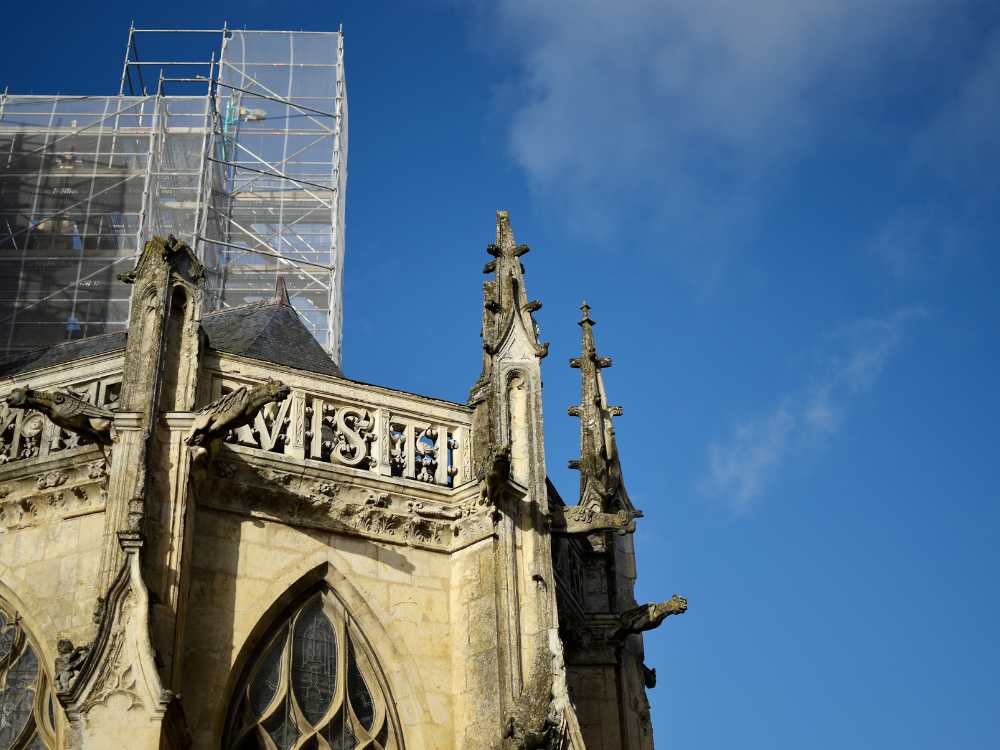
Many older churches were not designed with modern climate control systems, making it challenging to manage humidity, temperature, and air quality. However, these factors are crucial for preserving both the building and its contents.
Why is this a Challenge?
- Disruptive HVAC Installations: Installing modern HVAC systems can disrupt the church’s historic appearance, as visible ducts and units can alter the building’s look.
- Inadequate Insulation: Historic churches often lack proper insulation, leading to uncontrolled temperature and humidity levels that can damage the building over time.
- Balancing Modern Needs With Preservation: Installing modern climate control systems while maintaining the integrity of the church’s materials, such as wood and stone, is complex.
How Church Renovation Contractors Handle Climate Control
- Discreet HVAC Designs: Historic renovation contractors design and install HVAC systems that are hidden or blended into the structure to avoid disrupting the church’s historic appearance.
- Non-Invasive Insulation Upgrades: Contractors use minimally invasive insulation techniques to improve climate control without damaging historic walls or ceilings.
- Tailored Climate Solutions: These experts create custom climate control solutions that protect both the building’s structure and its delicate materials from environmental damage.
6. Dealing with Lead Paint and Other Hazardous Materials
Older churches often contain hazardous materials such as lead paint, asbestos, or mold, which must be carefully removed or contained to ensure the safety of the occupants and workers. Handling these materials requires special expertise.
Why is this a Challenge?
- Strict Health Regulations: Removing hazardous materials like lead paint and asbestos must follow strict health and safety regulations, complicating the restoration process.
- Embedded in Key Architectural Elements: These hazardous materials are often part of the original design, making removal difficult without damaging the building’s historical features.
- Hidden Materials: Hazardous substances like asbestos can be hidden in walls or ceilings, requiring careful inspections to avoid unexpected exposure during renovation.
How Church Renovation Contractors Safely Handle Hazardous Materials
- Certified Removal Techniques: Historic renovation contractors are certified to safely remove or encapsulate hazardous materials, ensuring the safety of both workers and occupants.
- Protecting Historic Features: Contractors use specialized methods to remove or contain hazardous materials without damaging the church’s historic architectural elements.
- Thorough Inspections: Before any work begins, contractors perform detailed inspections to identify hazardous materials and develop a safe removal plan that complies with health regulations.
7. Navigating Historical Preservation Laws and Regulations
Renovating historic churches often involves adhering to a complex set of preservation laws and regulations that protect the building’s historic status. These regulations can delay or complicate the renovation process.
Why is this a Challenge?
- Complex Legal Landscape: Historic buildings are subject to federal, state, and local preservation laws, requiring special permits and approvals that can delay the renovation.
- Limited Modern Updates: Preservation laws often restrict the use of modern materials or designs, making it difficult to balance practical needs with compliance.
- Non-Compliance Penalties: Failing to adhere to preservation laws can result in fines or loss of historic designation, adding pressure to the renovation process.
How Church Renovation Contractors Navigate Regulations
- Expert Knowledge of Laws: Historic renovation contractors have a deep understanding of preservation laws and work closely with authorities to ensure compliance.
- Handling Permits and Approvals: These contractors manage the permitting process, obtaining all necessary approvals to avoid delays and legal complications.
- Creative Compliance Solutions: Contractors develop creative renovation strategies that meet both the practical needs of the church and the strict requirements of preservation regulations.
5 Questions Church Operators Should Ask When Choosing Historic Renovation Contractors
When selecting a contractor for your church’s renovation, it’s essential to ensure they have the specific expertise needed to preserve your building’s history while meeting modern requirements. Asking the right questions can help you identify the best historic renovation contractors for the job.
1. What Experience Do You Have with Historic Church Renovations?
It’s crucial to hire a contractor with proven experience in working on historic church buildings. Ask about past projects and the types of structures they have renovated. The more experience they have with similar projects, the more likely they’ll understand the unique challenges your church renovation might face.
2. How Do You Approach Balancing Preservation with Modern Updates?
Renovating a historic church often requires integrating modern systems without compromising the original design. Ask how they plan to update aspects like electrical systems or accessibility features while preserving the church’s historic character. A qualified contractor should have a clear process for blending the old with the new in a seamless way.
3. Can You Provide References from Previous Historic Renovation Projects?
A reputable contractor should have a portfolio of past projects and references from satisfied clients. Ask for testimonials or the opportunity to visit previous renovations they have completed. This allows you to assess the quality of their work and how well they preserved the historic integrity of other buildings.
4. What Permits and Approvals Will Be Required for Our Project?
Historic renovations often require special permits and approvals from local authorities or preservation boards. Ask the contractor how they handle the permitting process and ensure all work complies with preservation laws. A good historic renovation contractor will be familiar with the regulations and able to guide you through the process smoothly.
5. What Is Your Strategy for Preserving Architectural Details and Materials?
Preserving original architectural features is one of the most challenging aspects of historic church renovations. Ask how the contractor plans to protect and restore key elements such as stained glass, woodwork, and masonry. The contractor should provide a detailed plan for handling these materials and maintaining the building’s historical authenticity.
Frequently Asked Questions (FAQs)
1. How long does a historic church renovation project typically take?
The timeline for a historic church renovation varies depending on the size of the project, the building’s condition, and the complexity of the preservation work. Small-scale restorations might take a few months, while larger or more intricate projects could extend over a year. It’s important to account for potential delays due to permit approvals, material sourcing, or unforeseen structural issues. Working with experienced historic renovation contractors can help ensure the project stays on track.
2. What role does a preservation architect play in church renovations?
A preservation architect is essential for ensuring that all renovations respect the historical significance of the church. They assess the building’s condition, create plans that meet both preservation and modern needs, and oversee the restoration process. Preservation architects often work closely with historic renovation contractors to ensure every element of the project aligns with preservation laws and guidelines. Their expertise helps maintain the church’s authenticity while accommodating necessary updates.
3. Can modern technology be integrated into a historic church without disrupting its design?
Yes, modern technology like audio-visual systems, climate control, and security systems can be integrated into a historic church while preserving its original design. Skilled historic renovation contractors use non-invasive methods to install modern systems in discreet locations, often hiding them within walls or other architectural features. This allows the church to function efficiently in the modern world without compromising its historical integrity. Careful planning ensures these updates are seamless and unobtrusive.
4. How do historic renovation contractors handle unexpected structural issues?
During the renovation of a historic church, unforeseen structural issues like foundation cracks, wood rot, or masonry damage can arise. When this happens, historic renovation contractors perform detailed assessments to determine the best approach to repair without compromising the building’s integrity. They may need to source specialized materials or employ innovative techniques to solve the problem while adhering to preservation standards. Flexibility and expertise are key to addressing these challenges efficiently.
5. Are there any grants or funding available for historic church renovations?
Yes, there are often grants and funding opportunities available for the restoration of historic buildings, including churches. Many governmental and non-profit organizations offer financial assistance to help cover the costs of preserving important cultural landmarks. Working with historic renovation contractors who are familiar with the funding landscape can increase your chances of securing these funds. They can also help navigate the application process and meet eligibility requirements for preservation-related grants.
Expert Historic Renovation Contractors at Artech Church Interiors Inc. in Rhode Island
Preserve the beauty and history of your sacred space with Artech Church Interiors Inc., Rhode Island’s trusted team of historic renovation contractors. Our experienced craftsmen specialize in restoring and enhancing church interiors while maintaining their architectural integrity. Whether it’s delicate stained glass, intricate woodwork, or modernizing without compromising the past, Artech Church Interiors is committed to excellence in every detail.
Contact us today to discuss your church’s renovation needs.