
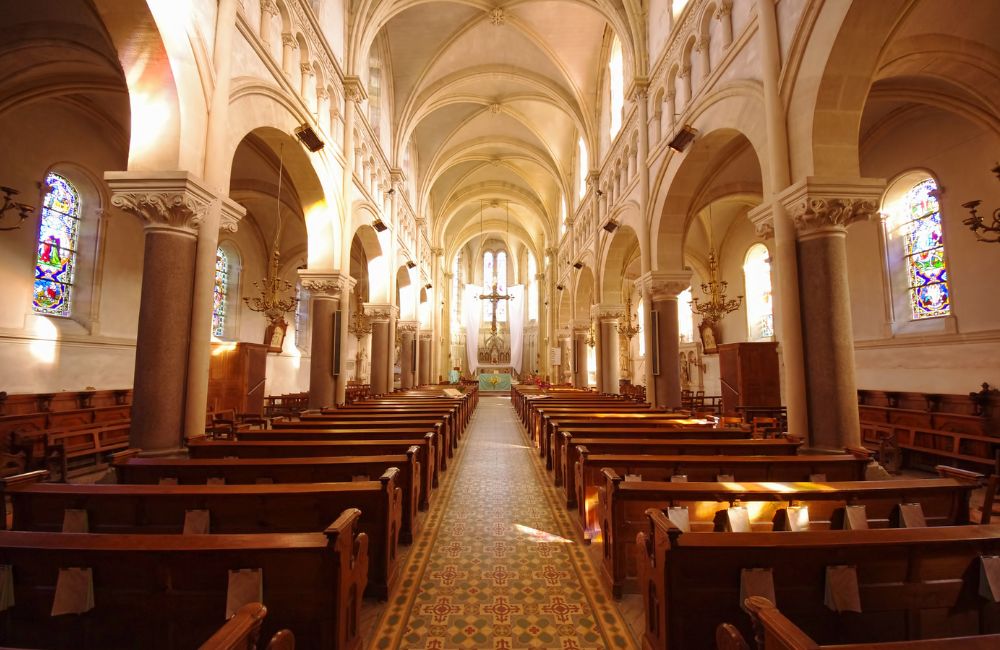
Creating a physically accessible environment in places of worship is crucial for fostering an inclusive and welcoming atmosphere for all congregants. With the implementation of the Americans with Disabilities Act (ADA), many churches have recognized the importance of addressing accessibility issues to ensure everyone can participate fully in religious activities. Church restoration plays a pivotal role in this endeavor, offering opportunities to update and enhance facilities to meet modern accessibility standards.
Here are seven practical tips to make your church more accessible through effective church restoration, ensuring that every member of your community can enjoy an enriching experience.
Table of Contents
Key Takeaways
- Conduct an Accessibility Audit
- Improve Entrance Accessibility
- Install Accessible Seating
- Upgrade Restroom Facilities
- Enhance Pathways and Flooring
- Improve Lighting and Signage
- Create Accessible Communication Options
How to Budget for an Accessibility Church Restoration
Frequently Asked Questions (FAQs)
Make Your Church Accessible with Connecticut’s Restoration Experts!
Key Takeaways✔ Conducting an accessibility audit is essential for identifying barriers and planning effective church restoration. ✔ Improving entrance accessibility with ramps and wider doorways is crucial for inclusive access. ✔ Installing accessible seating options, like wheelchair areas and pew cutouts, fosters a welcoming environment. ✔ Upgrading restroom facilities with grab bars and wider stalls enhances usability for individuals with disabilities. ✔ Enhancing pathways and flooring with smooth, non-slip surfaces ensures safe and easy navigation. ✔ Improving lighting and signage with high-contrast, easy-to-read options aids in better visibility and navigation. ✔ Creating accessible communication options, such as hearing loops and braille materials, supports congregants with sensory impairments. ✔ Engaging the community in the restoration project fosters inclusivity and gathers valuable insights and support. |
1. Conduct an Accessibility Audit
Conducting an accessibility audit is essential for identifying the specific barriers that may prevent individuals with disabilities from fully accessing and participating in church activities. This allows you to pinpoint areas that need improvement and prioritize your church restoration efforts effectively.
How to Conduct an Accessibility Audit
- Hire a Professional Auditor: Hiring a professional auditor with expertise in accessibility standards ensures a comprehensive evaluation of your church facilities. They will identify existing barriers, such as steps, narrow doorways, and inadequate restroom facilities, providing detailed recommendations for improvements.
- Conduct a DIY Assessment: If hiring a professional is not feasible, you can conduct a DIY assessment using available accessibility checklists and guidelines. Walk through the church premises, noting areas where accessibility can be enhanced, such as uneven pathways, inaccessible seating, and lack of signage. While a DIY assessment may not be as thorough as a professional audit, it can still highlight critical areas needing attention in your church restoration efforts.
- Involve the Congregation: Involving congregation members, particularly those with disabilities, in the audit process provides valuable insights into the specific accessibility challenges they face. Hold meetings or surveys to gather feedback and suggestions, ensuring that the restoration efforts address the real needs of the community.
2. Improve Entrance Accessibility
Ensuring all entrances to the church are accessible is fundamental to providing equal access for everyone, including individuals with disabilities. By making entrances more accessible, you can significantly enhance the inclusivity and welcoming atmosphere of your church.
How to Improve Entrance Accessibility
- Install Ramps and Handrails: Installing ramps and handrails is a crucial step in improving entrance accessibility. Ramps provide a smooth and easy way for wheelchair users and those with mobility challenges to enter the church. Handrails offer additional support and stability for individuals who need assistance navigating the entrance.
- Widen Doorways: Widening doorways to accommodate wheelchairs and other mobility aids is essential for improving entrance accessibility. Standard doorways may be too narrow for some assistive devices, creating a barrier for those who need them. By widening doorways, you ensure that everyone can enter and exit the church comfortably and safely.
- Ensure Level Access: Ensuring that entrances have level access is important for preventing obstacles that could hinder accessibility. Steps or uneven surfaces at the entrance can pose significant challenges for individuals with disabilities.
3. Install Accessible Seating
Providing accessible seating options within the church is vital to ensuring that all congregants, including those with disabilities, can participate fully in services and events. By incorporating accessible seating into your church restoration, you create an inclusive environment that accommodates everyone’s needs.
How to Install Accessible Seating
- Designate Wheelchair Seating Areas: Designating specific areas for wheelchair seating ensures that individuals who use wheelchairs have a clear, accessible space to participate in church services. These areas should be located in various parts of the sanctuary to offer different viewing options.
- Install Pew Cutouts: Installing pew cutouts involves modifying existing pews to create spaces where wheelchairs can be positioned without obstructing the aisles. This allows wheelchair users to sit with their families and friends, fostering a more inclusive and welcoming atmosphere. Pew cutouts are a practical and aesthetically pleasing solution to improve accessibility during church restoration.
- Provide Removable Seating Options: Providing removable seating options offers flexibility in accommodating different needs and events. Chairs that can be easily removed and rearranged allow the church to adapt seating arrangements for various services and gatherings.
4. Upgrade Restroom Facilities
Ensuring that restroom facilities are accessible is a crucial aspect of making your church welcoming and usable for all congregants, including those with disabilities. Many people, including those with mobility impairments, young parents with strollers, and parents managing small children, greatly benefit from accessible features like ramps and wider restroom stalls. Upgrading restrooms as part of your church restoration project can significantly improve accessibility and comfort.
How to Make Restroom Facilities More Accessible
- Install Grab Bars: Installing grab bars in restrooms provides essential support for individuals with mobility challenges. Grab bars should be placed near toilets and sinks to help users maintain balance and prevent falls. These installations are a simple yet effective way to enhance restroom accessibility and ensure safety.
- Widen Restroom Stalls: Widening restroom stalls is necessary to accommodate wheelchairs and other mobility aids. Standard stalls are often too narrow, making it difficult for individuals with disabilities to maneuver. By creating larger stalls with enough space for wheelchairs, you ensure that all congregants can use the facilities with dignity and ease.
- Ensure Proper Signage: Ensuring proper signage in restrooms helps individuals with visual impairments and other disabilities navigate the facilities. Signs should be clear, high-contrast, and placed at accessible heights. Including braille and tactile elements on signs can further enhance accessibility, making your church restoration project more inclusive.
5. Enhance Pathways and Flooring
Creating smooth, safe, and accessible pathways and flooring is essential for the mobility and safety of all congregants, especially those with disabilities. Enhancing these elements as part of your church restoration project ensures everyone can navigate the church comfortably and securely.
How to Enhance Pathways and Flooring
- Repair Uneven Surfaces: Repairing uneven surfaces is crucial to prevent trips and falls, which can be particularly hazardous for individuals with mobility challenges. Cracks, bumps, and other irregularities in pathways should be addressed promptly. Ensuring smooth, even surfaces throughout the church premises enhances safety and accessibility for all congregants.
- Install Non-Slip Flooring: Installing non-slip flooring reduces the risk of slips and falls, especially in areas prone to wet conditions, such as entryways and restrooms. Non-slip materials provide better traction, making it safer for everyone, including those using mobility aids.
- Add Tactile Indicators: Adding tactile indicators on floors and pathways assists individuals with visual impairments in navigating the church. Tactile paving or strips can signal changes in direction, steps, or other potential hazards. These indicators are user-friendly for visually impaired congregants as part of your church restoration efforts.
6. Improve Lighting and Signage
Adequate lighting and clear signage are vital components in making a church accessible and navigable for all congregants, including those with visual impairments. Enhancing lighting and signage as part of your church restoration project ensures a safer and more welcoming environment.
How to Make Lighting and Signage More Accessible
- Install Bright, Even Lighting: Installing bright, even lighting throughout the church helps individuals with visual impairments navigate spaces more easily. Good lighting reduces shadows and highlights potential obstacles, improving overall safety.
- Use High-Contrast, Easy-to-Read Signs: Using high-contrast, easy-to-read signs ensures that information is accessible to all congregants, including those with low vision. Signs should be placed at eye level and use large, clear fonts with contrasting colors. Incorporating braille and tactile elements can further enhance the accessibility of your signage.
- Illuminate Pathways and Exits: Illuminating pathways and exits is essential for guiding congregants safely throughout the church, especially during low-light conditions. Emergency exit signs should be well-lit and clearly visible to ensure a quick and safe evacuation if needed.
7. Create Accessible Communication Options
Providing accessible communication options ensures that all congregants, including those with hearing and vision impairments, can fully participate in church activities. Integrating these options into your church restoration project fosters an inclusive environment where everyone feels welcome and engaged.
How to Create Accessible Communication Options
- Install Hearing Loop Systems: Installing hearing loop systems is essential for congregants with hearing impairments. These systems transmit sound directly to hearing aids and cochlear implants, reducing background noise and enhancing audio clarity. By incorporating hearing loops into your church restoration, you ensure that individuals with hearing loss can fully engage in services and events.
- Provide Printed Materials in Braille: Providing printed materials in braille ensures that congregants with visual impairments have access to important information. This includes service bulletins, hymnals, and other church literature.
- Offer Sign Language Interpreters: Offering sign language interpreters during services and events caters to congregants who are deaf or hard of hearing. This ensures they can fully participate and understand the proceedings. Coordinating with professional interpreters as part of your church restoration plan ensures that your church is welcoming and accessible to all members of the community.
How to Budget for an Accessibility Church Restoration
Proper planning and allocation of resources can make the project more manageable and help secure the funding needed for a successful restoration. Here are some key steps to effectively budget for making your church more accessible.
Conduct a Detailed Cost Assessment
Start by conducting a detailed cost assessment of all the necessary accessibility improvements before church restoration. This includes obtaining estimates for structural modifications, such as ramps, wider doorways, and restroom upgrades, as well as costs for accessibility aids like hearing loops and braille materials. Having a comprehensive list of expenses helps in creating a realistic budget.
Explore Funding Sources
Identify and explore various funding sources available for accessibility projects for your church restoration. Look for grants offered by government programs, non-profit organizations, and religious foundations specifically aimed at improving accessibility in public spaces. Additionally, consider engaging the congregation and the community in fundraising efforts, such as donation drives and special events.
Prioritize Projects Based on Urgency and Impact
Prioritize the projects based on their urgency and the impact they will have on accessibility. Focus on the most critical modifications first, such as entrance accessibility and restroom upgrades, to ensure immediate improvements. By prioritizing projects, you can allocate funds more effectively and make significant progress even with limited resources.
Create a Contingency Fund
Include a contingency fund in your budget to cover unexpected costs that may arise during the restoration process. Accessibility projects can sometimes uncover additional issues that need to be addressed, and having a contingency fund ensures that these can be managed without disrupting the overall budget. Typically, a contingency fund should be around 10-15% of the total project cost.
Monitor and Adjust the Budget Regularly
Regularly monitor the budget throughout the restoration project to ensure that expenses are staying within the planned limits. Adjust the budget as needed based on actual costs and any changes in project scope. This ongoing oversight helps prevent overspending and allows for timely financial adjustments to keep the project on track.
Consequences of Not Making Your Church Accessible
Failing to make your church accessible can have significant negative impacts on your congregation and community. Addressing accessibility issues is not only a legal and ethical responsibility but also crucial for fostering an inclusive and welcoming environment for all.
Exclusion of Congregants
When a church is not accessible, individuals with disabilities may feel unwelcome and excluded from participating in services and events. This exclusion can lead to a decrease in church attendance and involvement, weakening the sense of community. Ensuring accessibility is essential to provide equal opportunities for all members to worship and engage.
Legal and Financial Repercussions
Failing to comply with accessibility standards, such as those mandated by the ADA, can result in legal action and financial penalties. Lawsuits and fines can strain church resources and damage its reputation. Investing in accessibility improvements can prevent these costly consequences and demonstrate a commitment to inclusivity.
Negative Community Perception
A church that is not accessible may be perceived as unwelcoming or indifferent to the needs of individuals with disabilities. This negative perception can extend beyond the congregation, affecting the church’s relationship with the broader community.
Frequently Asked Questions (FAQs)
What are the legal requirements for making a church accessible?
Churches must comply with the Americans with Disabilities Act (ADA), which sets standards for accessibility in public buildings. These standards cover entrances, restrooms, and seating arrangements to ensure they are accessible to individuals with disabilities. Consulting with an ADA specialist or legal advisor can help ensure your church restoration project meets the necessary legal requirements.
How can we fund a church restoration project focused on accessibility?
Funding a church restoration project can be achieved through grants, donations, and fundraising events. Many organizations and foundations offer grants specifically aimed at improving accessibility in public spaces. Engaging the congregation and community in fundraising efforts can also generate the needed financial support.
What role do volunteers play in making a church more accessible?
Volunteers can assist in conducting accessibility audits, gathering feedback, and helping with minor renovations. They can also support fundraising efforts and raise awareness about the importance of accessibility. Involving volunteers leverages their skills and enthusiasm to enhance the effectiveness of your church restoration project.
How can technology be used to improve church accessibility?
Technology can enhance accessibility by providing aids like audio-visual systems, projectors, and hearing loops. These devices help individuals with hearing and visual impairments participate fully in services. Integrating technological solutions into your church restoration creates a more inclusive environment for all congregants.
How can we ensure ongoing accessibility after the church restoration is complete?
Ensuring ongoing accessibility involves regular maintenance and periodic accessibility audits to identify new barriers. Training church staff and volunteers on accessibility best practices ensure they can assist individuals with disabilities. Establishing a dedicated committee to oversee accessibility matters helps maintain and improve accessibility in the long term.
Make Your Church Accessible with Connecticut’s Restoration Experts!
Inspired to enhance your church’s accessibility through thoughtful restoration? New Haven, Connecticut’s Historical Restoration Company specializes in preserving the charm of historic structures while making them accessible for all. With our expertise, we’ll help you navigate the restoration process, ensuring your church remains a beloved landmark for future generations.
Reach out to Historical Restoration Company today to explore how we can transform your church into a more inclusive and welcoming space!