
Stained glass windows are historical artifacts that tell stories, inspire worshippers, and enhance the sacred atmosphere of a church. However, like all historical artifacts, stained glass windows are vulnerable to the passage of time, with weathering and environmental factors potentially leading to damage.
The significance of stained glass continues to grow, as reflected by the global stained glass market, which is expected to reach approximately USD 8.06 billion by 2033. A historical restoration company plays a crucial role in this process, ensuring that the windows are preserved for future generations.
Here are the seven essential steps a historical restoration company in Rhode Island takes to restore stained glass windows in churches.
Table of Contents
Key Takeaways✔ Signs of deterioration in stained glass windows include cracks, bowing panels, fading, and damage to lead cames. ✔ Delaying restoration can lead to more severe damage, increasing complexity and costs. ✔ Initial inspection and documentation are critical for assessing the window’s condition and planning restoration. ✔ Safe removal and transport of stained glass panels prevent further damage during restoration. ✔ Disassembly and cleaning involve carefully separating glass from lead cames and using gentle cleaning techniques. ✔ Repairing damaged pieces is essential for restoring the window’s original beauty and structural integrity. ✔ Releading and reassembly ensure the window is structurally sound and accurately restored to its original design. ✔ Hiring a professional historical restoration company preserves historical accuracy, ensures high-quality results, and avoids costly mistakes. |
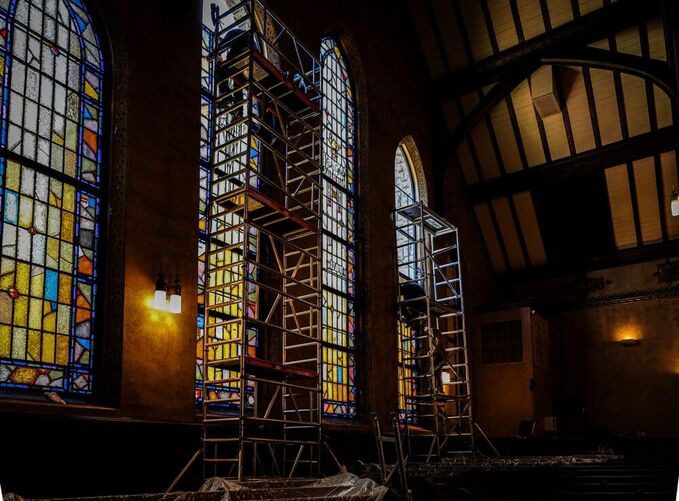
When and Why Stained Glass Restoration is Necessary
Stained glass windows are not immune to the effects of time and environmental factors. Over the years, stained glass windows can suffer from a variety of issues that necessitate restoration. Understanding when and why restoration is needed is the first step in preserving these valuable pieces of history.
Signs of Deterioration
Stained glass windows can show several signs of deterioration that indicate the need for restoration:
- Cracks in the Glass: Over time, the glass in stained glass windows can develop cracks due to stress, environmental conditions, or even previous repairs that were not done correctly. These can compromise the structural integrity of the window and detract from its appearance.
- Bowing or Sagging Panels: Stained glass windows are held together by lead cames, which are strips of lead that create the framework for the glass pieces. Over time, the lead can weaken, causing the panels to bow or sag. This not only affects the appearance of the window but can also lead to further damage if not addressed.
- Came Deterioration: American-made came typically lasts between 75 to 200 years, with 100 years being a reliable average lifespan. As the came deteriorates, it may develop gaps, become brittle, or fail to hold the glass pieces securely, signaling the need for restoration.
- Fading and Discoloration: Exposure to sunlight and environmental pollutants can cause the colors in stained glass to fade or change over time. This can alter the appearance of the window and reduce its impact as a piece of art.
- Damage to Lead Cames: The lead cames that hold the glass pieces together can deteriorate over time, leading to gaps, loose pieces, or even panels falling out of place. This is a critical issue that must be addressed during restoration.
Consequence of Delayed Restoration
Neglecting these signs of deterioration can lead to more severe damage, making the restoration process more complex and costly. In some cases, irreparable damage may occur, resulting in the loss of original materials and historical value. A historical restoration company understands the urgency of addressing these issues promptly to preserve the integrity and beauty of the stained glass windows.
7 Essential Steps to Restore Stained Glass Windows in Churches
Restoring stained glass windows in churches is a meticulous and complex process, and a historical restoration company follows these seven essential steps to ensure the windows are returned to their original splendor while preserving their historical integrity.
Step 1: Initial Inspection and Documentation
The first and most critical step in the restoration process is a thorough inspection of the stained glass windows. A historical restoration company will conduct a comprehensive assessment of the windows to determine their current condition and identify any areas that require special attention.
Detailed Assessment
During the initial inspection, the restoration team will examine every aspect of the stained glass windows, including:
- Condition of the Glass: The team will look for cracks, chips, discoloration, and other signs of wear in the glass pieces.
- Integrity of the Lead Cames: The condition of the lead cames is crucial, as they provide the structural framework for the windows. The team will check for any signs of deterioration, such as gaps, loose pieces, or lead that has become brittle over time.
- Supporting Structure: The restoration team will also inspect the window frames and supporting structure to ensure they are stable and capable of holding the restored windows.
- Environmental Factors: The team will consider environmental factors such as exposure to sunlight, temperature fluctuations, and humidity, which can all affect the condition of the stained glass.
Documentation
For documentation, the historical restoration company will take detailed photographs, sketches, and notes to capture the current state of the windows. This documentation serves several important purposes:
- Reference for Restoration: The documentation provides a reference point for the restoration team, ensuring that every detail is meticulously restored to its original condition.
- Historical Record: The documentation creates a historical record of the windows’ condition before restoration, which can be valuable for future reference or for the church’s archives.
- Communication with the Church: The documentation allows the restoration team to communicate effectively with the church, explaining the condition of the windows and the proposed restoration plan.
Step 2: Removal and Transport
Once the initial inspection and documentation are complete, the next step is the careful removal of the stained glass panels. This step is crucial because improper removal can lead to further damage, making the restoration process more challenging.
Safe Removal
A historical restoration company has the expertise to safely detach the stained glass windows from their frames without causing additional damage. This process involves:
- Careful Detachment: The team will carefully detach the glass panels from the window frames, taking care to avoid any unnecessary stress on the glass or lead cames.
- Labeling and Organization: Each piece of glass is labeled and organized to ensure that it can be reassembled correctly during the restoration process. This is especially important for windows with intricate designs or multiple panels.
- Preserving Surrounding Structure: In some cases, the surrounding structure, such as the window frame or supporting elements, may also need to be removed or stabilized. The restoration team will take steps to preserve these elements while removing the stained glass.
Secure Transport
After removal, the stained glass panels must be transported to the restoration facility. Proper handling during this stage is crucial to prevent any additional harm to the fragile glass.
- Packaging: The glass panels are carefully packed using materials that provide cushioning and protection against vibrations, impacts, and environmental factors during transport.
- Transportation: The packed glass is transported to the restoration facility using vehicles equipped to handle delicate cargo. A historical restoration company ensures that the panels are transported safely to avoid any potential damage.
Step 3: Disassembly and Cleaning
At the restoration facility, the stained glass windows are carefully disassembled. This process involves separating the individual glass pieces from the lead cames, allowing for thorough cleaning and repair.
Disassembly
The disassembly process is delicate and requires precision. A historical restoration company will:
- Separate Glass from Lead Cames: The glass pieces are carefully removed from the lead cames, taking care not to damage the glass or compromise the original design.
- Labeling and Organization: Each glass piece is labeled and organized to ensure that it can be accurately reassembled later. This is especially important for windows with complex designs or multiple colors.
Cleaning
Once the glass pieces are disassembled, they undergo a thorough cleaning process to remove dirt, grime, and any old materials that may have accumulated over time.
- Gentle Cleaning Techniques: The historical restoration company will use specialized cleaning agents, such as distilled water, non-ionic detergents like Orvus Paste, or Vulpex liquid soap, which are safe for stained glass. These agents effectively remove dirt and grime without harming the delicate surfaces of the glass or the lead cames.
- Removing Old Materials: In addition to dirt and grime, old materials such as lead residues, putty, or previous repair materials may need to be removed. The cleaning process ensures that the glass is free from contaminants that could interfere with the restoration.
Step 4: Repairing Damaged Pieces
During the disassembly and cleaning process, any damaged glass pieces are identified and repaired. This step is crucial for restoring the window’s original beauty and ensuring its structural integrity.
Identifying and Repairing Damage
The restoration team will carefully inspect each glass piece for damage, such as:
- Cracks and Chips: Small cracks can often be repaired using adhesives or bonding agents that restore the glass’s structural integrity without altering its appearance. If a glass piece has a chipped or rough edge, it may be ground down to smooth the surface and prevent further damage.
- Discoloration: If the glass has become discolored over time, the restoration team may use techniques to restore its original color, or, if necessary, replace the affected pieces.
- Missing Sections: In some cases, sections of the glass may be missing or too damaged to repair. The historical restoration company will match and replace these sections with a new piece that matches the original in color, texture, and thickness.
Step 5: Releading and Reassembly
Once the glass pieces are cleaned and repaired, the next step is to reassemble the window. This involves placing the glass pieces back into the lead cames, restoring the window to its original design.
Releading
The lead cames that hold the glass pieces together often need to be replaced, as they can become brittle or deteriorate over time.
- Replacing Old Lead Cames: The restoration team will replace the old lead cames with new ones that are structurally sound and capable of supporting the glass pieces.
- Ensuring Structural Integrity: The new lead cames must be strong enough to support the weight of the glass and withstand environmental factors, such as temperature fluctuations and humidity.
Reassembly
After the lead cames are replaced, the glass pieces are reassembled into their original configuration.
- Fitting and Alignment: Craftsmen use precision tools to ensure that the glass pieces align perfectly with the original design. Each piece is adjusted as necessary to achieve a seamless fit, ensuring that no gaps or misalignments occur.
- Soldering: The lead cames are soldered at the joints to create a strong, stable framework that holds the glass pieces securely in place.
- Weatherproofing: After soldering, the window is often weatherproofed by applying a putty or cement into the lead cames. This secures the glass further and seals the window against water and air infiltration.

Step 6: Strengthening and Protecting the Glass
To ensure the longevity of the restored stained glass, additional protective measures may be taken. These measures help to strengthen the glass and protect it from environmental factors and potential damage.
Protective Coatings
A historical restoration company may apply protective coatings to the glass to enhance its durability and resistance to environmental factors.
- UV Protection: A UV-resistant coating can help to protect the glass from the damaging effects of sunlight, which can cause fading and discoloration over time.
- Weatherproofing: A weatherproof coating can protect the glass from moisture, temperature fluctuations, and other environmental factors that can cause damage.
Exterior Glazing
In some cases, an additional layer of glazing is installed on the exterior of the windows to provide extra protection.
- Secondary Glazing: Secondary glazing involves installing a protective glass layer on the exterior side of the stained glass window. This layer acts as a barrier against environmental factors, such as wind, rain, and temperature fluctuations, while preserving the appearance and integrity of the stained glass.
- Ventilation Considerations: Proper ventilation is crucial when adding exterior glazing to prevent condensation between the layers of glass, which could lead to further damage. A historical restoration company will ensure that the glazing system is properly ventilated to avoid this issue.
Step 7: Reinstallation and Final Touches
The final step in the restoration process is the reinstallation of the stained glass windows in the church. This is a delicate operation that requires precision and care to ensure that the windows are securely and correctly reinstalled.
Reinstallation
The restored stained glass panels are carefully reinstalled into the church’s window frames.
- Secure Installation: The restoration team will ensure that the windows are securely installed, with the lead cames fitting snugly into the window frames to prevent movement or damage.
- Aligning with the Original Structure: The restored windows must align perfectly with the original structure, maintaining the historical integrity of the church.
Final Touches
After the windows are reinstalled, the historical restoration company will conduct a final inspection to ensure that everything is in perfect order.
- Inspection: The team will inspect the windows for any issues, such as gaps, misaligned glass pieces, or imperfections in the lead cames.
- Touch-Ups: Any necessary touch-ups are made at this stage to ensure the windows look as good as new. This may include additional cleaning, minor adjustments to the lead cames, or applying final protective coatings.
Why Hire a Professional Historical Restoration Company
Restoring stained glass windows is a complex process that requires a deep understanding of both historical techniques and modern conservation methods. A historical restoration company brings this expertise to the table, ensuring that every step of the restoration process is handled with care.
Benefits of Professional Restoration
Professionals can accurately match original materials, use appropriate restoration techniques, and ensure that the restored windows maintain their historical integrity.
- Preserving Historical Accuracy: A historical restoration company will ensure that the restoration is historically accurate, preserving the original design and materials as much as possible. This is crucial for maintaining the cultural and historical significance of the stained glass windows.
- High-Quality Results: Professionals have the skills and resources to achieve high-quality results that are both visually stunning and structurally sound. The restored windows will look as good as new, with their original beauty and charm fully restored.
- Longevity: A historical restoration company will use high-quality materials and specialized techniques that ensure the longevity of the restored windows. This reduces the need for future repairs and maintenance.
Risks of DIY Restoration
Attempting to restore stained glass windows without the proper knowledge and tools can lead to further damage, loss of historical value, and costly mistakes.
- Potential Damage: DIY restoration efforts can cause more harm than good, leading to cracked or broken glass, damaged lead cames, or loss of historical details.
- Loss of Historical Value: Improper restoration techniques can result in the loss of historical value, as original materials and designs may be altered or destroyed. A historical restoration company understands the importance of preserving these elements and will take care to maintain the integrity of the stained glass windows.
- Increased Costs: Mistakes made during DIY restoration can lead to increased costs, as professional intervention may be required to correct the damage. Hiring a historical restoration company from the outset can save time, money, and effort, ensuring that the restoration is done right the first time.
Frequently Asked Questions (FAQs)
How long does it take for a historical restoration company to restore stained glass windows?
The time required for restoration depends on the size, condition, and complexity of the stained glass windows. Smaller projects with minor damage may take a few weeks, while larger, more complex restorations can extend to several months. The restoration company will provide a more accurate timeline after the initial inspection.
What is the cost of hiring a historical restoration company for stained glass restoration?
The cost of stained glass restoration varies widely depending on factors such as the extent of the damage, the size of the windows, and the intricacy of the design. Basic repairs might cost a few thousand dollars, while extensive restorations for larger windows can reach tens of thousands. It’s important to get a detailed estimate from the restoration company during the consultation.
Does a historical restoration company offer maintenance services after restoration?
Yes, many historical restoration companies offer ongoing maintenance services to ensure the longevity of the restored stained glass windows. These services typically include regular inspections, cleaning, and minor repairs to prevent future damage. Maintenance packages can be tailored to the specific needs of your church’s stained glass.
What should I expect during the initial consultation with a historical restoration company?
During the initial consultation, the restoration company will thoroughly assess the stained glass windows to determine their condition and the scope of work required. They will discuss the restoration process in detail, including the steps involved, materials needed, and potential challenges. The company will also provide a detailed estimate and timeline for the project, allowing you to plan accordingly.
Restore Your Church's Heritage Today with Artech Church Interiors, Inc!
When it comes to preserving the beauty and history of your church’s stained glass windows, trust the experts at Artech Church Interiors, Inc. Based in Rhode Island, Artech Church Interiors, Inc. offers top-tier restoration services that ensure your windows are restored with care and precision. Whether you’re in Rhode Island or the surrounding area, Artech Church Interiors, Inc. is your go-to partner for all your stained glass restoration needs.
Reach out today to protect and revitalize your church’s heritage!