
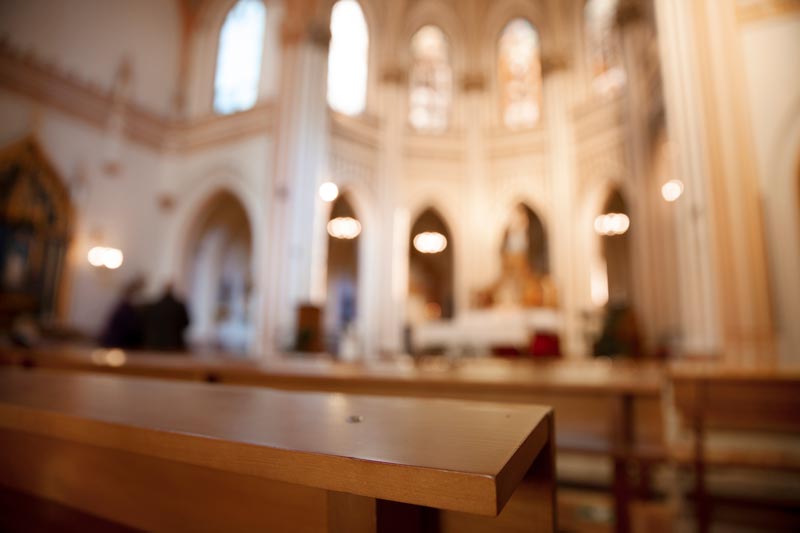
Church pews hold a special place in the hearts of congregations, symbolizing both tradition and community. However, over time, these essential fixtures can show signs of wear and tear, prompting the need for refurbishing in Rhode Island. Religious construction projects were expected to have a construction spending of approximately 2.9 billion U.S. dollars in 2023. Starting with church pew refurbishing is a great first step, as it carefully balances modernizing the pews with preserving their historical significance and charm.
Here are eight essential tips to help you achieve the perfect balance between updating your church pews for modern use and maintaining the heritage that makes them unique.
Table of Contents
- Assess the Current Condition of the Pews
- Research Historical Significance
- Choose Appropriate Materials
- Update Comfort and Ergonomics
- Integrate Modern Technology Discreetly
- Restore and Refinish Wood Surfaces
- Address Structural Issues
- Maintain the Overall Aesthetic
Frequently Asked Questions (FAQs)
Contact Artech Church Interiors, Inc. for Expert Church Pew Refurbishing in Rhode Island!
Key Takeaways✔ Thoroughly assess the current condition of your pews to identify any damage or areas needing improvement. ✔ Research the historical significance of the pews to ensure their heritage is preserved during church pew refurbishing. ✔ Choose materials that match the original construction while considering modern alternatives for enhanced durability. ✔ Update the comfort and ergonomics of the pews by adding cushions and improving back support without compromising historical aesthetics. ✔ Discreetly integrate modern technology, such as power outlets and audio systems, to enhance functionality while maintaining a traditional look. ✔ Restore and refinish wood surfaces using eco-friendly finishes to protect and enhance the wood’s natural beauty. ✔ Address structural issues by reinforcing the pews with modern techniques to ensure stability and safety. ✔ Maintain the overall aesthetic by matching existing colors, and fabrics, and preserving decorative elements to create a cohesive look. |
1. Assess the Current Condition of the Pews
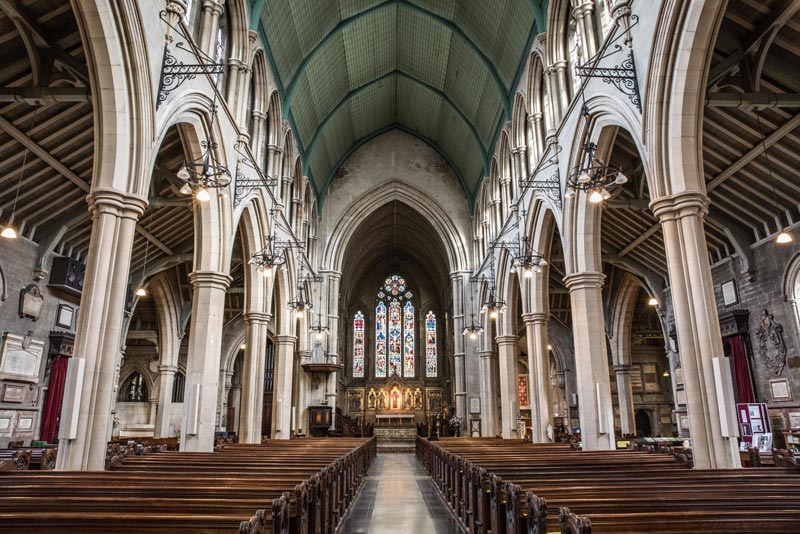
Assessing the current condition of the pews is crucial for any successful church pew refurbishing project. This step helps you understand the scope of work required and identify any potential issues that need addressing.How to Assess the Condition of the Pews
- Visual Inspection: Begin with a detailed visual inspection of each pew. Look for signs of visible damage such as cracks, splinters, or worn finishes. Document any unique historical details, carvings, or decorations that need special attention during the refurbishing process.
- Structural Integrity: For church pew refurbishing, assess the structural integrity of the pews by gently rocking them to check for stability. Pay attention to any wobbling or loose joints, as these could indicate underlying structural issues. Ensure that all connections are secure and that the pews can safely support weight without risk of collapse.
- Material Condition Evaluation: Examine the materials used in the construction of the pews, including wood, upholstery, and hardware. Look for signs of rot, insect damage, or mold, particularly in older pews. Mold can damage upholstery and can pose health risks to your congregation, especially infants, children, the elderly, and those with compromised immune systems Evaluate the condition of the upholstery for tears, wear, or outdated materials that may need replacing to enhance comfort and aesthetics.
2. Research Historical Significance
Researching the historical significance of the pews is essential to ensure that their refurbishing respects and preserves their heritage. Understanding the history behind the design and craftsmanship helps in making informed decisions during the refurbishing process.How to Research Historical Significance
- Investigate Church Archives: Start by delving into the church’s archives, which may contain valuable information about the pews’ origins and history. Look for old photographs, documents, and records that provide insights into the design and construction of the pews. These resources can help you identify original features that should be preserved during church pew refurbishing.
- Consult Local Historians: Engage with local historians or heritage organizations who may know the historical context of the pews. These experts can offer detailed information about the architectural style, materials used, and any significant events associated with the pews. Their expertise can guide your refurbishing efforts to ensure historical accuracy.
- Analyze Design Elements: Examine the design elements of the pews to understand their historical and artistic value. Identify unique carvings, engravings, or construction techniques that are indicative of a specific period or style. This analysis helps in preserving the distinctive features that contribute to the pews’ historical significance during the refurbishing process.
3. Choose Appropriate Materials
Choosing appropriate materials is a crucial step in church pew refurbishing to ensure that the refurbished pews are both durable and true to their original design. Using the right materials can enhance the longevity and appearance of the pews while maintaining their historical integrity.How to Choose Appropriate Materials
- Match Original Materials: Whenever possible, select materials that match the original construction of the pews. This includes using similar types of wood, finishes, and upholstery fabrics. Matching materials help preserve the authenticity of the pews and ensure that the church pew refurbishing work blends seamlessly with the existing design.
- Consider Modern Alternatives: While maintaining historical accuracy is important, consider modern materials that offer improved durability and functionality. For example, modern finishes can provide better protection against wear and tear while still mimicking the look of traditional varnishes. Similarly, contemporary fabrics can be more durable and comfortable, enhancing the usability of the pews without compromising their historical look.
- Balance Aesthetics and Functionality: Ensure that the chosen materials enhance both the aesthetics and functionality of the pews. For instance, if adding new upholstery, select fabrics that complement the church’s interior decor while providing comfort for the congregation. Wood finishes should be chosen to match the existing woodwork and preserve the historical character of the pews.
4. Update Comfort and Ergonomics
Updating the comfort and ergonomics of church pews during church pew refurbishing is essential to meet the needs of modern congregations. Improved comfort can enhance the overall church experience, making services more enjoyable for attendees.How to Update Comfort and Ergonomics
- Add Cushions and Padding: One effective way to enhance comfort is by adding cushions or padding to the pews. Choose high-quality, durable materials that blend seamlessly with the existing design of the pews. Consider using reversible cushions to provide flexibility and maintain the original wooden seat underneath for historical preservation.
- Improve Back Support: Adjust the backrest of the pews to provide better support without altering the overall design. You can add discreet lumbar support elements or padding to improve ergonomics. Ensure that any additions are subtle and respect the historical aesthetics of the pews.
- Optimize Seating Layout: Review the seating layout to maximize comfort and accessibility. Ensure that the pews are spaced appropriately to allow ample legroom and easy movement. If possible, modify the arrangement to accommodate individuals with mobility issues, ensuring inclusivity while maintaining the traditional setup.
5. Integrate Modern Technology Discreetly
Integrating modern technology into church pews can significantly enhance the functionality and convenience of congregations. However, it is essential to do this in a way that preserves the traditional look and historical integrity of the pews.How to Integrate Modern Technology Discreetly
- Install Hidden Power Outlets: Incorporate power outlets and USB ports into the pews for charging devices discreetly. Place these outlets in less visible areas, such as under the seat or at the back of the pew, to maintain the traditional appearance. Ensure that the wiring is concealed and safely installed to avoid any visual clutter or safety hazards.
- Integrate Audio Systems: For churches that use sound systems during services, integrating audio components into the pews can improve the listening experience. Install small, unobtrusive speakers within the pews that blend with the woodwork. This integration allows for clear sound distribution without the need for large, visible speakers that could detract from the historical aesthetics.
- Incorporate Modern Lighting: Consider adding subtle lighting elements to the pews, such as under-seat lights or reading lights. Use warm, soft lighting that complements the church’s ambiance and enhances visibility without being too modern or bright. These lights can be especially useful during evening services or events, providing practical illumination while preserving the traditional feel.
6. Restore and Refinish Wood Surfaces
Restoring and refinishing the wood surfaces of church pews is a vital step in the church pew refurbishing process. This step not only revitalizes the pews’ appearance but also protects the wood from further damage. Proper restoration techniques ensure that the pews maintain their historical charm while being durable and aesthetically pleasing.How to Restore and Refinish Wood Surfaces
- Thorough Cleaning and Sanding: Begin by thoroughly cleaning the wood surfaces to remove dirt, grime, and old finishes. Use gentle, non-abrasive cleaning solutions to avoid damaging the wood. Once cleaned, sand the surfaces to remove any remaining finish and smooth out imperfections. Sanding also prepares the wood for the new finish, ensuring better adhesion and a smoother final appearance.
- Applying Eco-Friendly Finishes: Choose eco-friendly and historically appropriate finishes to protect and enhance the wood. Natural oils, waxes, and water-based varnishes are excellent choices that provide a durable finish without harmful chemicals. These finishes help preserve the wood’s natural beauty and historical character. Apply the finish evenly and allow adequate drying time between coats for the best results.
- Preserving Carvings and Details: Special care must be taken to preserve any unique carvings, engravings, or decorative details on the pews. Use fine brushes and gentle techniques to clean and refinish these areas without damaging them. If any carvings or details are damaged, consider consulting a professional restorer to repair them accurately. Preserving these elements is crucial for maintaining the historical integrity of the pews.
7. Address Structural Issues
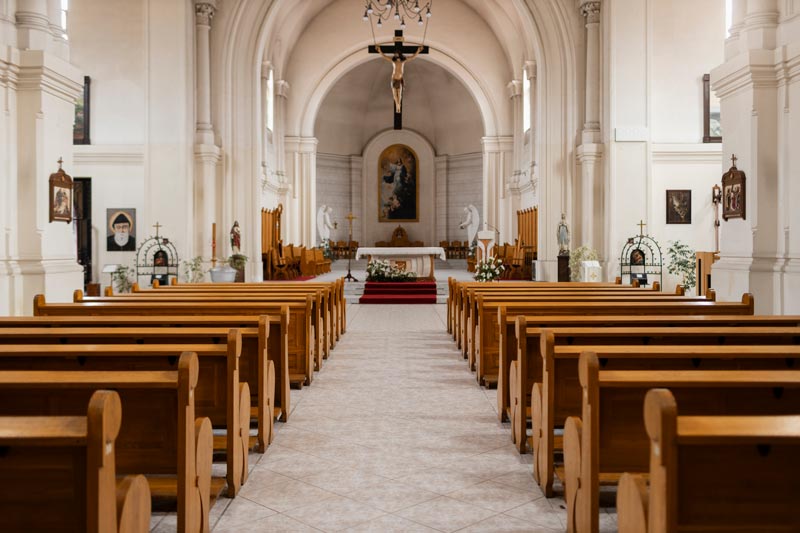
Addressing structural issues is a critical part of church pew refurbishing to ensure the safety, durability, and functionality of the pews. Identifying and repairing any structural weaknesses or damage can prevent future problems and extend the lifespan of the pews.How to Address Structural Issues
- Identify Structural Weaknesses: Begin by thoroughly inspecting each pew for any signs of structural weaknesses. Look for cracks in the wood, loose joints, and unstable bases. Pay attention to areas that bear the most weight or show signs of wear and tear. Document these issues to create a comprehensive repair plan.
- Reinforce with Modern Techniques: Use modern repair techniques and materials to reinforce the pews while maintaining their original design. For example, hidden brackets or dowels can strengthen joints without altering the pews’ appearance. Epoxy or wood fillers can repair cracks and splits in the wood. Ensure that any reinforcements blend seamlessly with the existing structure and are not visible during the church pew refurbishing process.
- Ensure Stability and Safety: After addressing any structural issues, conduct a thorough stability test to ensure that the pews are secure and safe for use. Check that all joints are tight and that the pews do not wobble or sway. Ensure that the pews can support the weight of the congregation without any risk of collapse. Safety should be the top priority in church pew refurbishing, ensuring that the congregation can use the pews with confidence.
8. Maintain the Overall Aesthetic
Maintaining the overall aesthetic of church pews during the refurbishing process is essential to preserve the visual harmony of the church interior. Ensuring that new elements blend seamlessly with the existing decor helps retain the historical charm and atmosphere of the church.How to Maintain the Overall Aesthetic
- Match Existing Colors and Finishes: Choose colors, stains, and finishes that match the existing woodwork and decor of the church. Conduct a thorough analysis of the current color scheme and select materials that complement it. Test samples on inconspicuous areas to ensure a perfect match. By matching the existing colors and finishes, you can create a cohesive look that maintains the historical integrity of the pews.
- Select Complementary Fabrics: When updating upholstery, select fabrics that complement the church’s interior design. Choose patterns and colors that blend with the overall theme of the church. Consider using historically appropriate fabrics that reflect the period in which the pews were originally made. This attention to detail ensures that the new upholstery enhances the pews’ appearance without detracting from their historical value.
- Preserve Decorative Elements: Preserve any unique decorative elements such as carvings, engravings, and trim that contribute to the pews’ aesthetic appeal. Clean and restore these elements carefully to retain their original beauty. If any decorations are damaged or missing, consider having them professionally restored or recreated.
Frequently Asked Questions (FAQs)
1. How long does the church pew refurbishing process typically take?
The duration of a church pew refurbishing project can vary depending on the extent of the work required. A basic refurbishing, such as reupholstering and minor repairs, might take a few weeks. More extensive projects involving structural repairs, wood restoration, and historical preservation can take several months. It’s important to plan accordingly and allow adequate time to ensure a thorough and high-quality refurbishing. Consulting with professionals can provide a more accurate timeline based on the specific needs of your pews.
2. What are some common challenges faced during church pew refurbishing?
Common challenges in church pew refurbishing include dealing with hidden structural damage, matching historical materials, and preserving intricate details. Structural issues can be tricky to address without compromising the pews’ integrity. Finding materials that match the original construction can be difficult, especially for older pews. Preserving carvings and decorations requires careful handling to avoid damage. Additionally, balancing modern updates with historical preservation often requires thoughtful planning and skilled craftsmanship.
3. Can church pew refurbishing be done by volunteers, or should professionals be hired?
While minor refurbishing tasks such as cleaning and simple repairs can be handled by skilled volunteers, more complex projects should be undertaken by professionals. Professionals have the expertise and tools necessary to address structural issues, restore intricate details, and ensure that historical integrity is preserved. Hiring professionals can also prevent costly mistakes and ensure that refurbishing is done to a high standard. Volunteers can also assist with tasks like sanding or painting under professional supervision.
4. What is the cost range for church pew refurbishing?
The cost of church pew refurbishing can vary widely based on the extent of the work required and the materials used. Basic reupholstering and minor repairs might cost a few hundred dollars per pew. More extensive refurbishing, including structural repairs and wood restoration, can run into the thousands of dollars per pew. Costs can also increase if specialized materials or historical preservation techniques are needed. It’s advisable to get multiple quotes from professionals to understand the potential costs and budget accordingly.
5. How can we maintain refurbished church pews to ensure their longevity?
Maintaining refurbished church pews involves regular cleaning, periodic inspections, and prompt repairs of any new damage. Use gentle cleaning solutions suitable for wood and upholstery to keep the pews looking their best. Regularly inspect the pews for signs of wear, loose joints, or other issues that might require attention. Addressing minor repairs quickly can prevent more extensive damage in the future. Additionally, consider implementing protective measures such as using pew runners or covers to reduce wear and tear from regular use.
Contact Artech Church Interiors, Inc. for Expert Church Pew Refurbishing in Rhode Island!
If you’re looking to restore the beauty and functionality of your church pews while preserving their historical integrity in Rhode Island, contact Artech Church Interiors, Inc. With extensive experience in church pew refurbishing, Artech Church Interiors, Inc. offers professional services tailored to meet your specific needs. Our skilled team uses quality materials and advanced techniques to ensure that your pews are both comfortable and historically accurate. Reach out today to discuss your project and get a personalized quote from the experts in church pew refurbishing.