
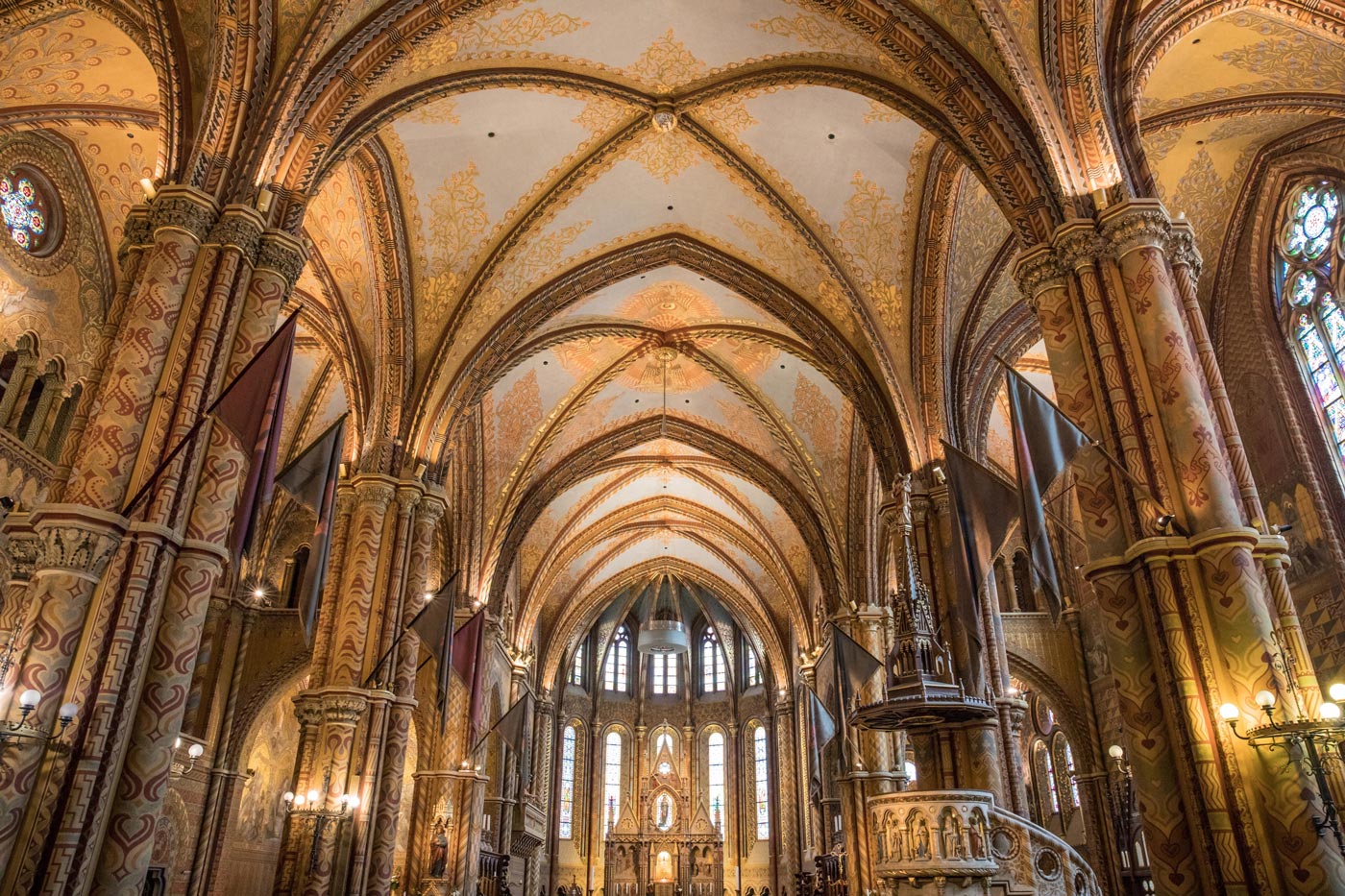
Historical churches are architectural treasures, embodying the cultural and spiritual heritage of communities. However, these structures are not immune to the ravages of time, and one of the most vulnerable elements is the plasterwork. In 2023, construction spending on religious projects was projected to reach approximately $2.9 billion in the U.S. Recognizing when your church plaster needs historical restoration is crucial to preserving its beauty and integrity.
Here are eight key signs that indicate it’s time for historical restoration.
Table of Contents
Key Takeaways
- Cracks and Fissures
- Water Damage
- Bulging or Bubbling Plaster
- Efflorescence
- Plaster Falling Off
- Mismatched Repairs
- Surface Stains and Discoloration
- Plaster Erosion
Frequently Asked Questions (FAQs)
Preserve Your Church’s Heritage with Expert Historical Restoration in New Haven, CT!
Key Takeaways✔ Cracks and fissures in church plaster can indicate underlying structural issues that require historical restoration. ✔ Water damage, evident through stains and discoloration, necessitates prompt restoration to prevent further deterioration. ✔ Bulging or bubbling plaster signals detachment from the wall, often due to moisture, needing immediate repair. ✔ Efflorescence, characterized by white powdery deposits, indicates moisture movement and salt buildup in the plaster. ✔ Falling plaster pieces reveal severe adhesion problems and underlying structural concerns. ✔ Mismatched repairs detract from the church’s historical authenticity and require proper restoration techniques. ✔ Surface stains and discoloration, caused by various factors, compromise the aesthetic and structural integrity of the plaster. ✔ Regular maintenance and timely intervention are crucial for preserving the historical plaster in churches and preventing extensive damage. |
1. Cracks and Fissures
Cracks and fissures in church plaster are a common sign that historical restoration may be needed. These imperfections can indicate underlying structural issues or simply the natural aging of the building. Addressing them promptly is essential to prevent further damage and preserve the church’s historical integrity.
How to Spot Cracks and Fissures
- Visible Thin Lines: Look for thin lines running across the plaster surface. These lines may be straight or jagged and can vary in length. Even small cracks should be noted, as they can expand over time and lead to more significant problems.
- Spiderweb Cracks: Spiderweb cracks radiate from a central point and resembles a spider’s web. These are often caused by localized stress and can indicate areas where the plaster is weak. Spotting these early can help in addressing potential structural issues before they worsen.
- Discolored Edges: Pay attention to cracks with darkened or discolored edges, which may indicate moisture penetration. Moisture can weaken the plaster and the underlying structure, leading to more extensive damage. Identifying and repairing these areas is crucial to prevent further deterioration.
2. Water Damage
Water damage is a significant indicator that your church plaster needs historical restoration. This type of damage can compromise the structural integrity of the plaster and lead to mold growth. Addressing water damage promptly is crucial to maintaining the health and appearance of your church.
How to Spot Water Damage
- Stains and Discoloration: Look for yellowish or brown stains on the plaster surface. These stains often indicate water has seeped into the plaster, usually from roof leaks or plumbing issues. Identifying these discolorations early can help in addressing the source of the moisture and preventing further damage.
- Peeling or Bubbling Plaster: Check for areas where the plaster is peeling away from the wall or has bubbles underneath the surface. This peeling or bubbling is caused by moisture trapped behind the plaster, which weakens its bond to the wall. Historical restoration in such cases involves not only repairing the plaster but also addressing the moisture source to prevent recurrence.
- Damp or Musty Odor: A persistent damp or musty smell in the church can be a sign of water damage even if the plaster appears intact. This odor often indicates hidden moisture within the walls, which can lead to mold growth and further plaster deterioration. Detecting and eliminating the source of this moisture is essential for a thorough historical restoration.
3. Bulging or Bubbling Plaster
Bulging or bubbling plaster is a clear sign that your church may require historical restoration. These issues indicate that the plaster is detaching from the wall, often due to moisture or poor initial application. Addressing these problems promptly can prevent further deterioration and potential safety hazards.
How to Spot Bulging or Bubbling Plaster
- Visible Bulges on the Wall: Look for areas where the plaster appears to be swelling outward. These bulges can be small or large and are often more noticeable when viewed from an angle. Identifying these early helps in preventing the plaster from eventually falling off and causing further damage.
- Soft or Spongy Areas: Press gently on the plaster surface to check for soft or spongy spots. These areas indicate that the plaster is no longer firmly attached to the underlying structure. Historical restoration involves removing the compromised plaster and properly reapplying new plaster to ensure longevity.
- Surface Bubbles: Examine the plaster for small bubbles that have formed beneath the surface. These bubbles are usually caused by trapped moisture, which can lead to further detachment and damage. Proper historical restoration includes addressing the moisture issue and repairing the plaster to restore the church’s original appearance.
4. Efflorescence
Efflorescence is a telltale sign that your church plaster needs historical restoration. This phenomenon occurs when soluble salts migrate to the surface of the plaster, leaving a white, powdery residue. Addressing efflorescence is crucial to maintaining the aesthetic and structural integrity of your church’s plaster.
How to Spot Efflorescence
- White Powdery Deposits: Look for white, chalky deposits on the surface of the plaster. These deposits are often found in patches and can be easily brushed off. Identifying these deposits early is important because they indicate that moisture is moving through the plaster, carrying salts to the surface.
- Damp or Wet Areas: Check for areas of the plaster that feel damp or appear wet. Efflorescence often occurs in these spots because the moisture carries the salts from within the wall to the surface. Recognizing and addressing these damp areas is crucial for effective historical restoration.
- Flaking or Peeling Plaster: Observe any flaking or peeling of the plaster around the white deposits. This occurs when the salts crystallize and expand, causing the plaster to break apart. Historical restoration involves not only removing the efflorescence but also treating the underlying moisture problem to prevent recurrence and further damage.
5. Plaster Falling Off
On average, churches renovate their buildings every 30 years. Plaster falling off the walls is a serious indication that your church needs historical restoration. This issue compromises both the aesthetic and structural integrity of the building. Immediate attention is necessary to prevent further damage and ensure the safety of the congregation.
How to Spot Plaster Falling Off
- Detached Plaster Pieces: Look for pieces of plaster that have detached from the wall and fallen to the floor. These pieces may vary in size and are a clear sign that the plaster is no longer adhering properly. Identifying and collecting these pieces can help in assessing the extent of the damage.
- Exposed Substrate: Check for areas where the underlying substrate (such as lath or brick) is visible. This exposure occurs when large sections of plaster fall off, leaving the surface underneath bare. Recognizing these exposed areas is crucial for planning a comprehensive historical restoration.
- Progressive Deterioration: Notice any areas where the plaster is progressively detaching and falling off. This deterioration often starts with small cracks and bulges that eventually lead to larger sections breaking away. Addressing these issues promptly through historical restoration can prevent more extensive and costly repairs in the future.
6. Mismatched Repairs
Mismatched repairs are a clear sign that your church’s plaster needs historical restoration. Inconsistent repair work can detract from the historical authenticity of the building and may not address underlying issues properly. Ensuring repairs match the original materials and techniques is essential for preserving the church’s integrity.
How to Spot Mismatched Repairs
- Different Textures: Look for areas where the plaster texture does not match the surrounding original work. Mismatched textures can indicate that improper materials or techniques were used in previous repairs. Identifying these inconsistencies is crucial for planning accurate historical restoration that maintains the church’s aesthetic continuity.
- Color Discrepancies: Check for sections of plaster that are a different color than the rest of the wall. These color differences can be subtle or obvious and are often the result of using modern materials that do not age or weather in the same way as historical plaster. Recognizing these color discrepancies helps in ensuring future repairs use appropriate materials.
- Visible Seams and Lines: Observe any visible seams or lines where new plaster meets old plaster. These seams indicate that repairs were not blended properly into the original plaster, creating a patchwork appearance. Historical restoration involves seamlessly integrating repairs to preserve the historical look and feel of the church’s interior.
7. Surface Stains and Discoloration
Surface stains and discoloration are significant signs that your church plaster needs historical restoration. These blemishes can indicate underlying issues such as water damage, aging, or environmental pollutants. Addressing these stains promptly is essential for maintaining the church’s visual appeal and structural health.
How to Spot Surface Stains and Discoloration
- Yellow or Brown Stains: Look for yellow or brown stains on the plaster surface, often resulting from water damage or rust. These stains can spread over time, indicating persistent moisture issues. Identifying and addressing these stains early can prevent further plaster deterioration and potential mold growth.
- Black or Gray Marks: Check for black or gray marks, which are usually caused by mold, mildew, or soot. These marks not only affect the appearance of the plaster but can also pose health risks to the congregation. Recognizing these marks is crucial for initiating historical restoration that includes both cleaning and preventing future contamination.
- Uneven Discoloration: Observe any areas where the plaster color appears uneven or faded compared to other sections. This discoloration can result from prolonged exposure to sunlight, aging, or pollution. Historical restoration involves carefully cleaning and, if necessary, reapplying finishes to ensure a uniform and historically accurate appearance.
8. Plaster Erosion
Plaster erosion is a clear indication that your church needs historical restoration. This gradual wearing away of the plaster can be caused by environmental factors, age, or improper maintenance. Addressing erosion promptly is essential to preserving the structural and aesthetic integrity of your church.
How to Spot Plaster Erosion
- Worn and Thinning Plaster: Look for areas where the plaster appears worn down or thinner than surrounding sections. This erosion can expose underlying materials and weaken the wall’s overall structure. Identifying these worn areas early helps in planning effective historical restoration.
- Rough or Pitted Surfaces: Check for rough or pitted surfaces on the plaster, which indicate that the material is breaking down. These surfaces may feel uneven or coarse to the touch and can detract from the church’s visual appeal. Spotting and addressing these areas through historical restoration can prevent further degradation.
- Loss of Detail in Decorative Plaster: Observe any loss of detail in ornamental or decorative plasterwork, such as carvings or moldings. Erosion can blur or completely wear away intricate details, diminishing the historical and artistic value of the church. Historical restoration can restore these details to their original splendor, preserving the church’s heritage and craftsmanship.
Frequently Asked Questions (FAQs)
1. What is the typical process for the historical restoration of church plaster?
The process of historical restoration of church plaster begins with a thorough assessment by a qualified expert to identify the extent of the damage and the causes behind it. Following this, the area is carefully prepared by removing any loose or damaged plaster. The restoration involves using materials and techniques that match the original construction to ensure consistency and authenticity. This often includes the application of new plaster in layers, allowing each to set properly before applying the next. Finally, the restored areas are painted or finished to blend seamlessly with the existing plaster, preserving the church’s historical integrity.
2. How long does it usually take to complete a historical plaster restoration project in a church?
The duration of a historical plaster restoration project can vary greatly depending on the extent of the damage and the size of the area being restored. For minor repairs, it might take a few weeks, while more extensive restorations could take several months. The process involves careful planning and meticulous work, including drying times for plaster layers and any necessary structural repairs. It is important to work with experienced professionals who can provide an accurate timeline based on the specific needs of the church. Regular communication between the restoration team and church management helps ensure that the project stays on track and within the planned timeframe.
3. Can historical plaster restoration improve the overall structural integrity of the church?
Yes, historical plaster restoration can significantly improve the overall structural integrity of the church. By addressing issues such as cracks, water damage, and detachment, restoration helps to prevent further deterioration and potential safety hazards. Proper restoration techniques ensure that the plaster adheres correctly to the underlying structure, reinforcing the walls and maintaining their stability. Additionally, eliminating moisture sources and repairing damaged areas can prevent future problems and prolong the lifespan of the building. This not only preserves the historical and aesthetic value of the church but also enhances its structural soundness.
4. Are there any specific materials that should be used for historic plaster restoration in churches?
For historical plaster restoration, it is crucial to use materials that match the original composition as closely as possible. This often includes lime-based plasters, which were commonly used in historical buildings for their flexibility and breathability. Using traditional materials ensures that the new plaster expands and contracts at the same rate as the original, preventing further cracking or detachment. Additionally, natural pigments and finishes should be used to maintain the historical appearance. Consulting with a restoration specialist can help determine the exact materials needed for a faithful and durable restoration.
5. How can regular maintenance prevent the need for extensive historical plaster restoration?
Regular maintenance is key to preventing the need for extensive historical plaster restoration. Routine inspections can identify early signs of damage, such as small cracks or moisture intrusion before they become major issues. Prompt repairs of minor problems can stop them from escalating and causing widespread damage. Maintaining proper environmental conditions, such as controlling humidity and temperature, also helps preserve the integrity of the plaster. Educating the church community about the importance of preserving historical features can encourage proactive care and timely intervention when issues arise.
Preserve Your Church’s Heritage with Expert Historical Restoration in New Haven, CT!
If you’ve noticed any signs of plaster damage in your church in New Haven, CT, don’t wait for the problem to worsen. Our experienced Historical Restoration Company specializes in historical restoration, ensuring that your church’s architectural integrity and beauty are preserved for future generations. We use authentic materials and techniques to match your church’s original construction, addressing issues like cracks, water damage, and efflorescence with precision and care.
Contact Historical Restoration Company today to schedule a professional assessment!