
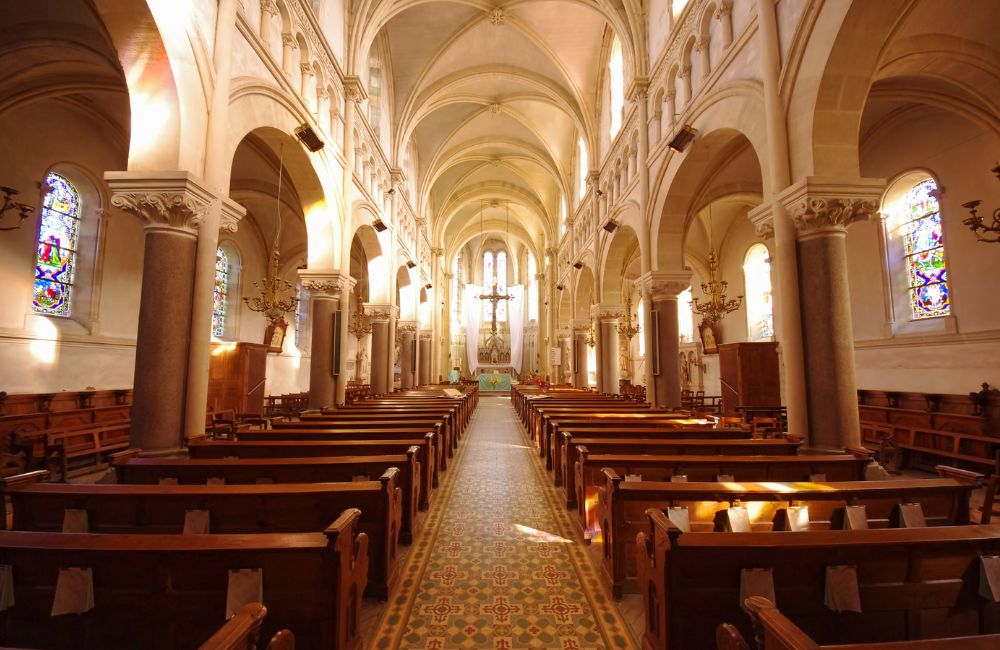
Historic church renovations present unique challenges, particularly regarding lighting and acoustics. The delicate balance between preserving the architectural heritage and integrating modern enhancements requires collaboration with experienced historic renovation contractors in NY. Now, let’s delve into the eight best ways to harness the potential of lighting and acoustics in historic church renovations!
Table of Content
Introduction
Key Takeaways
- Enhancing Natural Lighting
- Installing Energy-Efficient Lighting
- Implementing Zoning and Control Systems
- Acoustic Improvements for Clarity
- Sound Reinforcement Systems
- Preserving Historical Elements
- Integrating Audio-Visual Technology
- Ongoing Maintenance and Sustainability
Frequently Asked Questions (FAQs)
Key Takeaways
✔ Maximizing the use of natural light can transform the ambiance of a historic church, creating a serene and inviting atmosphere.
✔ Energy-efficient lighting solutions reduce operational costs and contribute to the sustainability of historic church renovations.
✔ Zoning and control systems provide flexibility in managing lighting and climate, enhancing comfort and efficiency.
✔ Acoustic enhancements ensure that every word and note is heard clearly, enriching the worship experience in historic churches.
✔ Sound reinforcement systems amplify the message and music while preserving the architectural heritage of historic churches.
✔ The preservation of historical elements is vital to maintaining the authenticity and heritage of historic church spaces.
✔ The seamless integration of audio-visual technology enhances worship experiences and fosters community engagement in historic churches.
✔ Ongoing maintenance and sustainability efforts ensure historic churches remain vibrant, safe, and environmentally responsible for future generations. |
1. Enhancing Natural Lighting
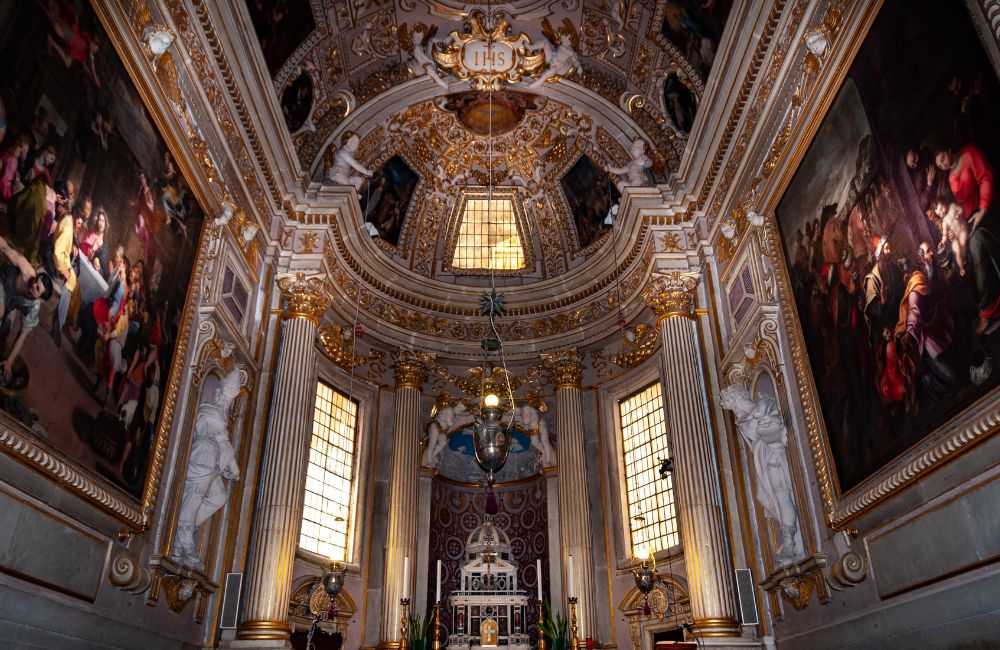
Properly executed, it illuminates the interior and creates a transcendent atmosphere that connects worshippers with the divine. Collaborating with experienced historic renovation contractors who understand the intricate balance of preserving historical integrity and introducing modern enhancements is crucial for the success of this endeavor.
Utilizing Stained Glass Windows
Stained glass windows are exquisite works of art that adorned churches for centuries. They tell stories from religious texts and filter and disperse natural light in breathtaking ways. Here’s how to make the most of these treasures:
- Restoration and Preservation: Before considering any modifications, it’s essential to assess the current state of your stained glass windows. Collaborate with reputable historic renovation contractors like Artech Church Interiors Inc., which specializes in stained glass restoration. They can repair damaged sections, clean accumulated grime, and reinforce the structural integrity of these irreplaceable features.
- Protective Glazing: To protect stained glass from the elements and vandalism, consider installing protective glazing on the exterior. This transparent barrier preserves the artwork while allowing natural light to pass unhindered. It’s a delicate balance between safeguarding and showcasing the beauty within.
- Artful Placement: Work with architects and designers who appreciate the historical significance of your stained glass. Properly positioning seating, altars, or podiums can ensure that the natural light refracted through the stained glass becomes an integral part of the worship experience.
- Artistic Restoration: Stained glass can be expertly restored to its former glory, with color and detail that rivals its original beauty. Collaborate with skilled historic renovation contractors to revitalize the artistic elements of your windows, preserving the stories they tell for generations to come.
- Custom Additions: For churches looking to add new stained glass, collaborate with artists and historic renovation contractors who can create custom pieces that complement the existing aesthetic. These additions can offer a contemporary touch while respecting the historical context.
2. Installing Energy-Efficient Lighting
Implementing energy-efficient lighting represents a significant step forward. While preserving architectural and spiritual heritage remains paramount, embracing modern lighting solutions can bring numerous benefits.
Benefits of LED Lighting
Light Light-Emitting Diode (LED) technology has revolutionized the lighting world, offering many advantages for historic church renovations. Here are some key considerations:
- Energy Efficiency: LED lights are highly energy-efficient, consuming significantly less electricity than traditional incandescent or fluorescent lighting. This reduction in energy consumption can translate to substantial cost savings over time, making them a sustainable choice for historic churches.
- Longevity: LED lights have a longer lifespan compared to traditional bulbs. They can last up to 25,000 hours or more, reducing the frequency of replacements. This saves on maintenance costs and minimizes disruptions to church activities.
- Heat Reduction: Traditional lighting sources emit significant heat, which can be detrimental to delicate historical elements and increase cooling costs. LED lights generate much less heat, creating a more comfortable environment and protecting the church’s architectural integrity.
- Dimmable Options: LED lighting can be easily dimmed to create different moods and accommodate various activities within the church. This flexibility enhances the functionality of the space and allows for customization to suit different worship styles.
- Color Temperature Control: LED lights offer precise control over color temperature, allowing you to adjust the warmth or coolness of the lighting to match the ambiance you desire. This capability is invaluable for creating a welcoming and spiritually uplifting environment.
3. Implementing Zoning and Control Systems
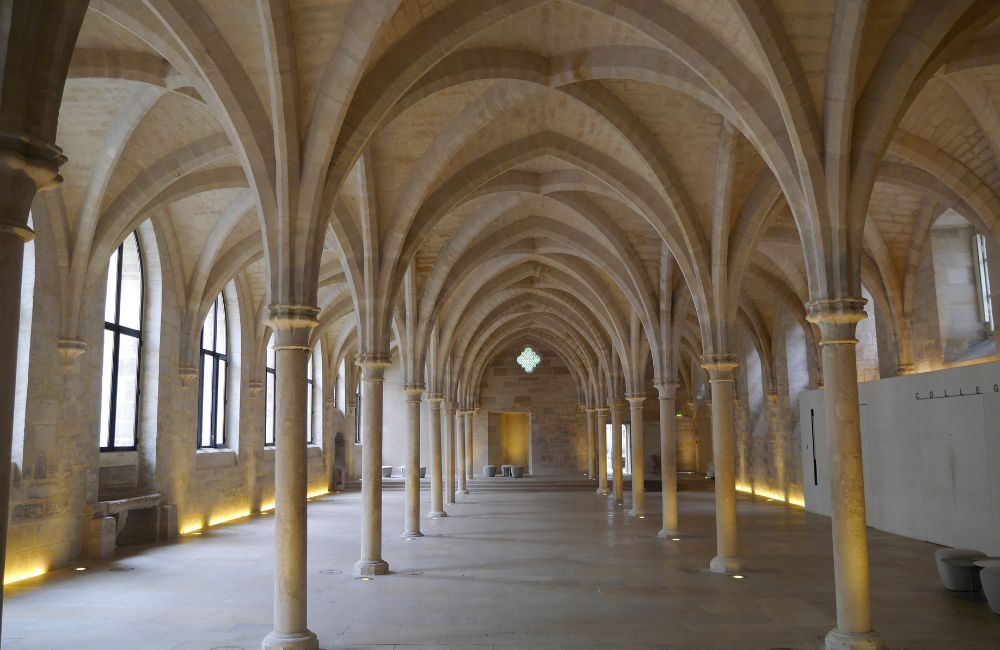
When optimizing lighting and acoustics with historic renovation contractors, strategically implementing zoning and control systems is paramount. These systems allow for tailored illumination and acoustic environments, catering to the diverse activities within the church while preserving its architectural and spiritual heritage.
Advantages of Zoning for Diverse Church Spaces
Zoning within a church allows for customizing lighting and acoustics in different areas, creating an adaptable environment that suits various activities. Here are critical considerations for implementing zoning systems with historic renovation contractors:
- Enhancing Worship Experience: Zoning enables the church to enhance the worship experience by providing optimal lighting and acoustics based on the specific requirements of different service parts. For instance, a well-lit and acoustically enhanced stage area may be ideal for musical performances, while a softer ambiance can be created for prayers.
- Accommodating Multi-Purpose Use: Many historic churches host events beyond traditional services, such as weddings, lectures, and community gatherings. Zoning systems allow the space to be quickly adapted to suit these diverse activities, ensuring that lighting and acoustics complement the occasion.
- Energy Efficiency: Zoning contributes to energy efficiency by allowing you to illuminate only the areas in use. When certain sections of the church are unoccupied, lights can be dimmed or turned off automatically, reducing energy consumption and operating costs.
- Customization: Collaborate with lighting, acoustic designers, and historic renovation contractors to customize zoning solutions that align with the church’s unique layout and needs. This customization ensures the system seamlessly integrates with the space’s architectural elements and aesthetics.
- Accessibility: Implement user-friendly controls for volunteers and staff, enabling them to adjust lighting and acoustics. This accessibility empowers individuals to create the desired atmosphere without needing specialized expertise.
4. Acoustic Improvements for Clarity
Achieving optimal acoustics in historic church renovations is essential for preserving worshippers’ spiritual and auditory experience. The delicate balance between preserving architectural integrity and enhancing sound quality requires the expertise of experienced historic renovation contractors like Artech Church Interiors Inc.
Why Good Acoustics Matter in Worship Spaces
Acoustic improvements are not just about amplifying sound; they are about creating an environment where every word, note, and prayer is heard with clarity. Here’s why acoustics matter in worship spaces:
- Enhancing Worship Experience: Good acoustics enhance the worship experience by allowing sermons, music, and congregational singing to be heard and understood clearly. Worshippers can fully engage in the spiritual journey without distractions.
- Reverberation and Atmosphere: Acoustic quality contributes to the atmosphere of the church. A balanced reverberation time can create a sense of sacredness, reverence, and awe, enhancing the emotional impact of religious rituals.
- Speech Intelligibility: Clear speech intelligibility is crucial for effective preaching and teaching. Worship leaders can confidently convey their messages, knowing that every word is reaching the congregation.
- Musical Excellence: Good acoustics allow instruments and voices to harmonize and resonate beautifully for churches that incorporate music into their services, creating a transcendent musical experience.
- Historical Preservation: Preserving and enhancing the acoustic qualities of historic churches is not only about sound but also about honoring the historical significance of these spaces. Proper acoustic improvements with historic renovation contractors can complement the architectural heritage.
5. Sound Reinforcement Systems
Sound reinforcement systems are pivotal in ensuring that the spoken word and music are heard clearly and powerfully within historic church spaces. Striking the right balance between tradition and technology is a nuanced challenge that requires the expertise of experienced historic renovation contractors in NY.
Installing High-Quality Sound Reinforcement Equipment
The quality of sound reinforcement equipment is critical in ensuring that every word and note is conveyed with precision and clarity. Here are key considerations for selecting and installing such equipment with historic renovation contractors:
- Acoustic Assessment: Conduct an acoustic assessment of the church with historic renovation contractors. This assessment will help determine the space’s specific sound reinforcement needs, accounting for factors such as reverberation and architectural elements that affect sound.
- Quality Speakers: Invest in high-quality speakers that reproduce sound faithfully and evenly throughout the church. Collaborate with acoustic experts, audio engineers, and historic renovation contractors to select speakers that align with the church’s architectural aesthetics.
- Microphone Selection: Selecting the right microphones is key to producing high-quality sound in your church. Dynamic microphones are ideal for live music, while boundary microphones effectively capture choir performances. Remember that different areas of a church can vary significantly in acoustic properties, such as reverberation time and clarity. High-quality microphones can help overcome these acoustic challenges, ensuring that speech during sermons and announcements remains clear and intelligible.
- Mixing Consoles: Install professional-grade mixing consoles that precisely control audio levels and EQ settings. These consoles allow audio engineers to fine-tune the sound to suit various activities within the church.
- Amplification and Processing: Invest in powerful amplifiers and signal-processing equipment to drive the sound reinforcement system. These components are essential for delivering precise and impactful audio throughout the church.
6. Preserving Historical Elements
Preserving the historical elements within a church is a paramount consideration in any renovation project. To achieve this delicate balance between preserving historical elements and introducing modern enhancements, the guidance of experienced historic renovation contractors is essential.
Strategies for Preserving Historic Lighting Fixtures
Historic lighting fixtures are often key elements of a church’s architectural and aesthetic identity. Here are key strategies for preserving them with historic renovation contractors:
- Assessment and Documentation: Begin by thoroughly assessing the condition of existing lighting fixtures with historic renovation contractors. Document their design, materials, and historical significance. This documentation serves as a valuable reference throughout the preservation process.
- Restoration vs. Reproduction: Determine whether restoration or reproduction is the best approach for each fixture. Restoration involves meticulous cleaning, repair, and refurbishment of the original fixture, preserving its authenticity. Reproduction involves creating new fixtures that mimic the historical design.
- Skilled Artisans: Engage skilled historic renovation contractors with experience in historical lighting restoration. These professionals have the expertise to carefully disassemble, clean, repair, and reassemble fixtures while preserving their original character.
- Appropriate Cleaning Techniques: Utilize appropriate cleaning techniques and materials to remove accumulated dirt, grime, and tarnish from lighting fixtures. Avoid harsh chemicals that could damage delicate surfaces.
- Protective Coatings: Consider applying protective coatings to lighting fixtures to safeguard against future tarnish and corrosion. These coatings should be carefully selected to match the fixture’s historical finish.
7. Integrating Audio-Visual Technology
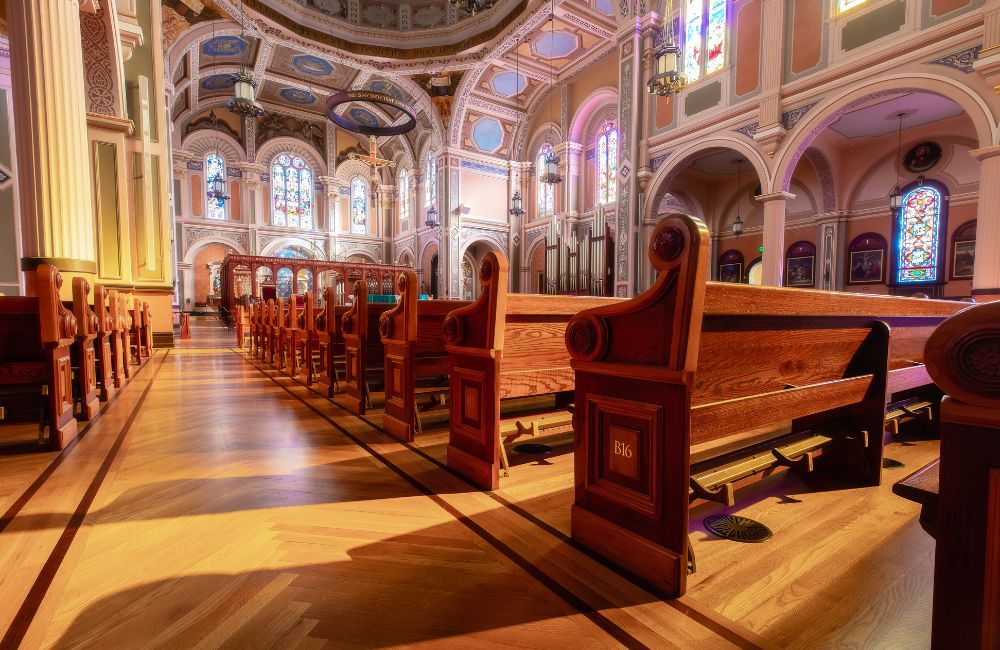
Integrating audio-visual technology in historic church renovations presents an opportunity to enhance worship experiences, outreach, and community engagement. However, this delicate endeavor requires the expertise of experienced historic renovation contractors in NY.
Embracing Modern Worship with Audio-Visual Enhancements
Modern worship often incorporates audio-visual elements to engage congregants and amplify the message. Here’s how to effectively embrace these enhancements with historic renovation contractors while preserving the historical significance of the church:
- Projected Lyrics and Sermon Notes: Install projection screens discreetly within the church to display lyrics, sermon notes, and scripture passages. When not in use, these screens can be positioned to minimize visual impact.
- Audio Reinforcement: Integrate audio reinforcement systems that ensure every word and musical note is heard with clarity. Carefully position microphones and speakers to optimize sound quality while respecting the church’s aesthetics.
- Historic Visuals: Incorporate historic visuals with historic renovation contractors that celebrate the church’s heritage. Display archival photographs, videos, or interactive exhibits that narrate the church’s history and spiritual significance.
- Live Streaming Capabilities: Invest in live streaming technology to reach a broader audience. Live Streaming services, events, and sermons allow people worldwide to participate in worship and community activities.
- Lighting Enhancement: Modern lighting technology can complement audio-visual elements. Implement dynamic lighting that adjusts to the mood of worship, enhancing the visual experience without compromising the church’s ambiance.
8. Ongoing Maintenance and Sustainability
The preservation and sustainability of historic churches extend far beyond the completion of renovation projects with historic renovation contractors. Maintaining these sacred spaces and ensuring their continued relevance and functionality requires a long-term commitment and strategic planning.
Why Ongoing Maintenance Matters
By engaging experienced historic renovation contractors, implementing sustainable practices, and involving the community in preservation endeavors, these sacred spaces can endure for generations, remaining vibrant centers of faith, culture, and history.
- Preservation of Historical Significance: Ongoing maintenance is essential for preserving a church’s historical significance. Regular inspections, repairs, and upkeep ensure that historical elements remain intact and continue to tell the story of the church’s heritage.
- Ensuring Safety: Maintenance with historic renovation contractors includes structural inspections that ensure the safety of worshippers and visitors. Addressing aging roofs, crumbling facades, or unstable foundations is crucial to prevent accidents and injuries.
- Extending Longevity: Well-maintained churches have a longer lifespan. By addressing wear and tear promptly, churches can avoid costly and extensive repairs down the line, thus extending the building’s overall longevity.
- Sustainability: Sustainable maintenance practices with historic renovation contractors contribute to the church’s environmental footprint. Energy-efficient upgrades, responsible waste management, and green building practices are integral to reducing the church’s environmental impact.
- Vibrant Community Spaces: Churches that undergo ongoing maintenance remain vibrant community spaces. They can host various activities and events, serving as hubs for worship, cultural activities, and community outreach.
Frequently Asked Questions || FAQs
How can audio-visual technology improve accessibility for individuals with disabilities in historic churches?
Audio-visual technology can improve accessibility by providing hearing assistance, captioning, translations, and visual signage. It ensures that individuals with diverse needs can fully participate in worship and community activities.
What challenges might arise when introducing audio-visual technology to historic churches, and how can they be overcome?
Challenges include obtaining historical approvals, compatibility with historical elements, budget constraints, user training, and maintenance considerations. Collaboration between AV experts and historic renovation contractors is essential to address these challenges effectively.
How can historic lighting fixtures and acoustic elements be protected by integrating audio-visual technology?
To protect these elements, assess their condition, engage skilled craftsmen for repair and restoration, and collaborate with preservationists. Proper planning and maintenance routines are crucial to ensure their preservation.
What role do preservationists play in historic church renovations involving audio-visual technology?
Preservationists provide expertise in historical architecture and materials, guiding the integration process to ensure that technology enhancements respect the church’s historical context and significance.
What are the benefits of integrating audio-visual technology into historic churches?
Integrating audiovisual technology enhances the worship experience, extends outreach, and fosters community engagement. It allows live streaming, displaying lyrics and notes, and sharing historical information with congregants.
Partner with Top Historic Renovation Experts for Timeless Church Interiors
Preserving sacred spaces is a shared responsibility that requires expert guidance. At Artech Church Interiors Inc., we understand the importance of maintaining the timeless beauty of your place of worship. Our team, comprising skilled historic renovation contractors, artisans, and preservationists, offers unmatched expertise in every project. Contact us today to ensure your cherished church is beautifully preserved!