
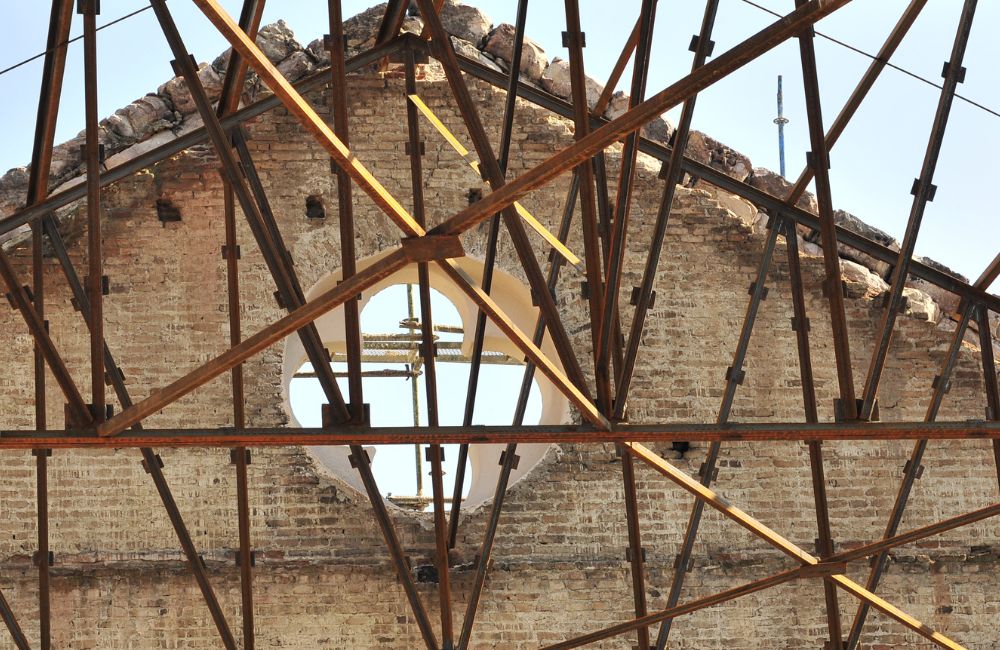
Restoring a historical church is a noble endeavor, preserving a building and a piece of cultural heritage. However, entrusting such a task to a restoration company requires careful consideration. Not all companies are created equal; choosing the wrong one can lead to costly mistakes and irreversible damage. To ensure the success of your church restoration project, we compiled six red flags to watch out for when hiring a historical restoration company.
Table of Contents
Why Hire a Professional Historical Restoration Company
Red Flags to Watch Out For When Hiring A Historical Restoration Company
Tips for a Successful Historical Restoration Project
FAQs
Conclusion
Key Takeaways
|
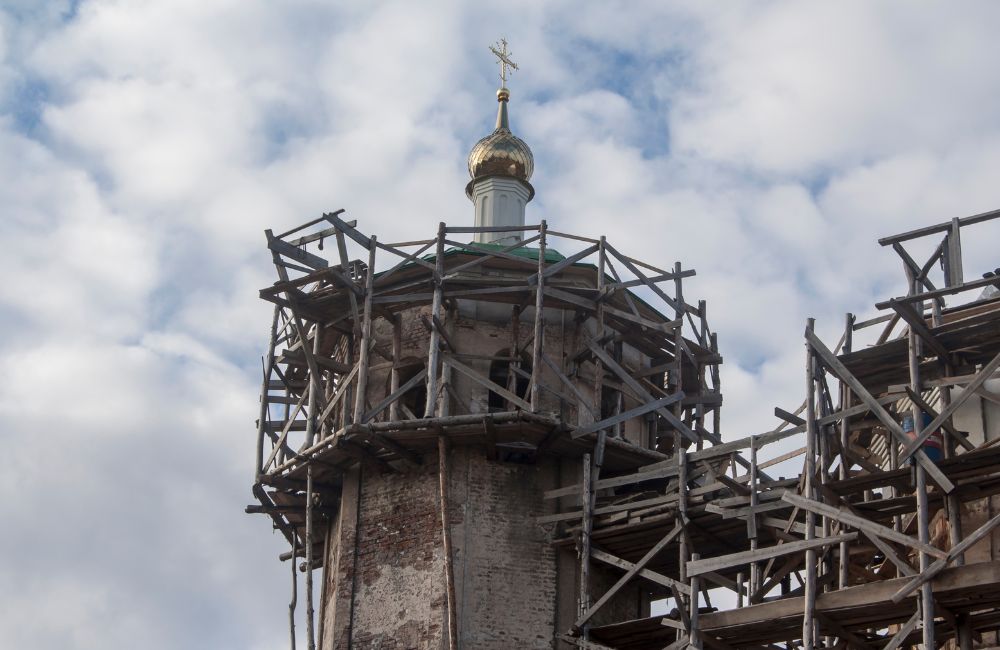
Why Choose a Professional Historical Restoration Company for Church Restoration
Restoring a church requires specialized skills, historical knowledge, and a deep respect for religious and architectural traditions. Engaging a professional historical restoration company is critical for the successful restoration of a church. Here’s why:
Specialized Knowledge in Church Restoration
A historical restoration company brings specialized knowledge in church restoration, understanding the unique architectural elements, religious symbolism, and historical context. They work carefully and precisely to preserve the church’s heritage, from stained glass windows to intricate woodwork.
Preserving Authenticity and Reverence
Maintaining the authenticity and reverence of a church is crucial. A historical restoration company is dedicated to preserving the building’s original features and spiritual significance. They focus on meticulous research and craftsmanship to ensure the restoration respects the church’s history and traditions.
Access to Specialized Church Restoration Resources
A historical restoration company has access to specialized resources for church restoration projects. These include archival documents, historical architectural plans, and advanced restoration technologies. These resources allow the company to restore the church accurately, using period-appropriate materials and techniques.
Wide Range of Services
A professional historical restoration company in New Haven, CT, like Historical Restoration Company offers a wide range of services tailored to church restoration. These services cover everything from church pew restoration, painting, stained glass repair, and altar renovation. They can also manage lighting installations, pulpit restoration, and flooring refurbishments. This comprehensive approach means that all aspects of the church’s restoration can be handled by one company, ensuring consistency and attention to detail.
Long-Term Preservation Strategies for Churches
Beyond the immediate restoration, a historical restoration company helps with long-term preservation planning. They collaborate with architects and historians to develop maintenance schedules and conservation strategies that ensure the church’s ongoing preservation. This approach safeguards the church for future generations.
Community Involvement in Church Restoration
A historical restoration company is vital in engaging the community during church restoration projects. They organize educational programs and community events to foster appreciation for the church’s history and architecture. This community involvement creates a sense of ownership and encourages participation in the church’s ongoing preservation efforts.

6 Red Flags to Watch Out For When Hiring A Historical Restoration Company
Preserving our cultural heritage demands the utmost care and expertise, making selecting a reputable historical restoration company imperative. However, navigating the restoration landscape can be fraught with challenges, and identifying potential red flags is crucial to safeguarding the integrity of your project.
Here are six warning signs to heed when evaluating a historical restoration company:
1. Lack of Experience or Specialization
A historical restoration company without sufficient experience in preserving churches or religious artifacts may struggle with the nuanced complexities of church conservation. Specialization in church restoration ensures the company understands the specific architectural, religious, and cultural aspects unique to these sacred spaces.
When evaluating potential restoration partners, prioritize those with a successful history of restoring churches and revitalizing religious heritage sites. Checking reviews or seeking recommendations from other church leaders or preservation experts can offer valuable insights into a company’s reliability and expertise. Look for feedback about the company’s craftsmanship, adherence to timelines, and respect for the church’s religious significance.
2. Disregard for Preservation Standards
A historical restoration company that disregards established preservation standards or ethical practices poses significant risks to the integrity of your church restoration project. These standards, overseen by the State’s Historic Preservation Office (SHPO), guide the proper conservation and restoration of historic structures. SHPO reviews applications for designating historic structure status and ensures that preservation and rehabilitation work meets established standards.
Ignoring these principles can cause irreversible damage, undermining your church’s historical and cultural value. When selecting a restoration company, ensure they prioritize compliance with SHPO’s conservation guidelines. This includes adhering to rules and maintaining the authenticity and significance of your church’s architecture and artifacts.
3. Inadequate Documentation or Planning
Comprehensive documentation and strategic planning are essential pillars of successful historical restoration projects. A restoration company that fails to provide thorough documentation or articulate a clear restoration plan may lack the necessary preparation and foresight to achieve optimal outcomes.
Meticulous research, documentation of existing conditions, and strategic planning are critical steps in ensuring informed decision-making and successful project execution. Prioritize restoration firms that demonstrate a commitment to thorough documentation and planning, as these practices lay the foundation for a structured and effective restoration process.
4. Poor Communication or Transparency
Effective communication and transparency are fundamental to successfully collaborating with a historical restoration company. Companies that exhibit poor communication practices or lack transparency throughout the hiring process can erode trust and compromise project outcomes.
Clear and open communication fosters a collaborative environment where concerns can be addressed promptly, goals can be aligned, and expectations can be managed effectively. Prioritize restoration firms prioritizing communication and transparency, as these qualities indicate a client-focused approach and a commitment to delivering exceptional results.
5. Substandard Craftsmanship or Materials
Using substandard craftsmanship or inappropriate materials during restoration can harm historical artifacts or landmarks’ long-term integrity and authenticity. Historical restoration requires skilled craftsmanship and meticulous attention to detail to preserve the site’s original character and significance.
Utilizing inferior materials or techniques can compromise the restored site’s structural stability and aesthetic appeal, detracting from its historical value. When selecting a restoration company, prioritize firms that demonstrate a commitment to quality craftsmanship and utilize authentic materials appropriate for the period and style of the artifact or landmark.
By investing in superior craftsmanship and materials, you can safeguard the authenticity and longevity of your cherished historical treasures.
6. Lack of References or Testimonials
When evaluating a historical restoration company, the absence of references or testimonials from satisfied clients is a concerning red flag. Positive feedback and endorsements from past clients are valuable indicators of the company’s reliability, quality of work, and commitment to customer satisfaction.
A reputable restoration firm should readily provide references or testimonials upon request, showcasing their track record of successful projects and satisfied clientele. Proceeding with a restoration company that is unable or unwilling to furnish references poses unnecessary risks and uncertainty regarding the quality and reliability of its services.
To ensure the success of your historical restoration project, prioritize restoration companies with a proven history of delivering exceptional results and positive client experiences.
Questions to Ask Before Hiring a Historical Restoration Company
How do you handle unexpected challenges or changes during the restoration process?
It’s essential to inquire about the company’s flexibility and problem-solving abilities in addressing unexpected challenges or changes during the restoration process. Understanding how they adapt to unforeseen circumstances ensures that the project can overcome obstacles effectively and stay on schedule.
Do you have insurance coverage for restoration projects, and what does it include?
Ensuring that the historical restoration company has adequate insurance coverage is essential for protecting both parties in the event of accidents, damages, or liabilities during the restoration process. Inquire about the types of insurance they carry and the coverage limits to confirm that your property and investment are adequately safeguarded.
What qualifications and training do your restoration specialists have?
Understanding the qualifications and training of the restoration specialists involved in your project is crucial for ensuring their competency and expertise. Inquire about their educational background, certifications, and any specialized training related to historical preservation to assess their ability to handle your restoration needs effectively.
Can you provide a detailed cost estimate for the restoration project?
Obtaining a detailed cost estimate upfront helps you understand the financial implications of the restoration project and ensures that it aligns with your budgetary constraints. Ask the company to provide a comprehensive breakdown of costs, including materials, labor, permits, and additional expenses, to avoid surprises later in the process.
How do you handle post-restoration maintenance and preservation?
Inquiring about the company’s approach to post-restoration maintenance and preservation ensures that your historical property remains protected and well-maintained after the restoration process is complete. Ask about their recommendations for ongoing maintenance, preservation techniques, and any warranties or guarantees for their workmanship.
Tips for a Successful Historical Restoration Project
Embarking on a historical restoration project is a noble endeavor that requires careful planning, attention to detail, and collaboration with a reputable historical restoration company. To ensure the preservation of our cultural heritage and the successful revitalization of historical artifacts or landmarks, consider the following essential tips:
1. Conduct Thorough Research
Thorough research is essential to grasp the church’s historical significance, architectural style, and original construction methods before embarking on a historic restoration project. This depth of understanding empowers informed decision-making and provides crucial guidance for the historical restoration company. Investing time in comprehensive research lays a solid foundation for the restoration process, ensuring that every step is aligned with the historical context and intended preservation goals.
2. Establish Clear Goals and Objectives
Collaborating closely with the historical restoration company to articulate your vision, desired outcomes, timeline, and budget constraints is crucial. This alignment ensures that all stakeholders work towards a common purpose, with preservation standards and ethical practices at the forefront. Establishing clear goals and objectives sets the stage for a focused and effective restoration effort.
3. Prioritize Documentation and Preservation
Documenting the existing condition of historic building is fundamental for tracking progress and preserving historical authenticity. Working in tandem with the historical restoration company, developing a comprehensive documentation strategy—including photography, written records, and archival research—is essential. This meticulous documentation is a valuable resource throughout the restoration process and ensures that the site’s historical integrity is meticulously preserved for future generations to appreciate.
4. Engage Stakeholders and Community
Involving stakeholders, local communities, and historic preservation organizations in restoration fosters collaboration, transparency, and community ownership. By actively engaging diverse perspectives and expertise, the historical restoration company can enhance project outcomes and ensure restoration efforts resonate with the broader community. This collaborative approach not only garners support but also enriches the restoration process by incorporating varied insights and priorities.
5. Adhere to Conservation Principles
Adhering to established conservation principles and guidelines is paramount throughout the restoration journey. Prioritizing minimal intervention, reversible treatments, and using compatible materials ensures that the integrity and authenticity of the artifact or landmark are preserved. Close collaboration with conservation experts within the historical restoration company facilitates the implementation of ethical and sustainable restoration practices, ensuring that the restored site stands as a testament to our cultural heritage for years to come.
6. Monitor Progress and Adapt Accordingly
Regular monitoring of the restoration project’s progress allows for the timely identification and resolution of any unforeseen challenges or adjustments needed. Open communication with the historical restoration company fosters a collaborative environment where concerns can be addressed promptly, milestones tracked, and project timelines upheld. By closely monitoring progress and remaining adaptable to changing circumstances, you can confidently navigate the restoration process, ensuring the project stays on course towards its intended goals.
7. Celebrate and Educate
Upon completing the restoration project, celebrating achievements and sharing the journey with the public is vital for fostering awareness, appreciation, and stewardship of our cultural heritage. Collaborating with the historical restoration company to develop outreach strategies—including educational programs, interpretive signage, and public events—promotes community engagement and enriches public understanding of the restoration process. By celebrating and educating, you ensure that the restored artifact or landmark continues to inspire and enrich the lives of present and future generations.
FAQs
How long does a historical restoration project typically take?
The duration of a historical restoration project varies depending on various factors such as the size and complexity of the artifact or landmark, the extent of deterioration, the availability of resources, and the scope of work involved. While some projects may be completed within a few months, others, particularly large-scale endeavors, could span several years. Working closely with the restoration company is essential to establish realistic timelines and milestones for your specific project.
What are the costs associated with church restoration?
The costs of church restoration can vary significantly depending on factors such as the condition of the artifact or landmark, the extent of restoration required, the availability of historical materials, labor costs, and any specialized equipment or expertise needed. It’s advisable to obtain multiple quotes from reputable restoration companies and to carefully review the breakdown of expenses to ensure transparency and alignment with your budgetary constraints.
Are there any regulatory requirements or permits needed for historical restoration projects?
Historical restoration projects may be subject to regulatory requirements, permits, and approvals from local, state, or federal authorities, especially if the artifact or landmark is designated as a historic site or protected under heritage conservation laws. Researching and complying with all applicable regulations and working closely with the restoration company to obtain any necessary permits before commencing the project is crucial.
What happens if I’m not satisfied with the results of the historical restoration?
If you’re not satisfied with the historical restoration results, promptly communicate your concerns to the historical restoration company. Reputable companies prioritize client satisfaction and will work diligently to address any issues or deficiencies, potentially offering remedial work or adjustments to meet your expectations. Clear documentation of expectations, regular progress reviews, and open dialogue throughout the restoration process can help mitigate dissatisfaction and ensure that the historical restoration company delivers results that exceed your expectations.
Can the church still hold services or events during the restoration process?
Depending on the extent of the work and safety considerations, churches can often continue to hold services or events during the restoration process. However, certain areas of the church may be inaccessible or restricted during construction. Communication between the restoration team and church leadership is essential to minimize disruptions to congregational activities.
Preserve Your Church’s Legacy: Contact Historical Restoration Company!
The wrong restoration choice can cause irreversible damage to your praise of worship’s history and the spiritual trust and investment it carries. Partner with a restoration professional in New Haven, CT, who shares your reverence for the past and demonstrates a commitment to authenticity and excellence.
At Historical Restoration Company, we understand our profound responsibility to preserve historic churches’ sacred stories and architectural beauty. With our specialized expertise and dedication to church restoration, we pledge to protect and revive the splendor of religious landmarks for generations to come.
Choose a company that values preservation and respects your church’s spiritual significance. Choose Historical Restoration Company — call us today!