
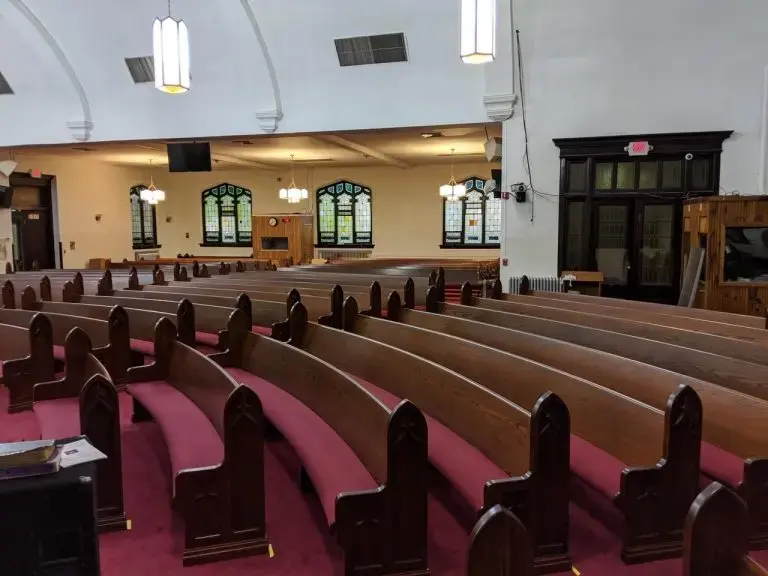
When it comes to maintaining the beauty, history, and function of your church, attention to detail is paramount. Regular updates and restoration work are crucial for preserving your sacred space’s structural integrity and ambiance. By enlisting the services of professional church restoration companies in Providence, RI, like Artech Church Interiors Inc., you can ensure that your place of worship continues to be a welcoming and awe-inspiring haven. In this blog, we will explore 11 valuable ways to update and enhance your place of worship, drawing inspiration from the expertise of the best church restoration companies in Providence, RI.
Table of Contents
Key Takeaways
Historical and Sentimental Value of Church Pews
Factors to Consider When Deciding
Benefits of Refurbishing Church Pews
Benefits of Replacing Church Pews
What Happens During the Refurbishing Process
What Happens During the Replacement Process
Comparing Costs: Refurbishing vs. Replacing
Frequently Asked Questions
Key Takeaways
- Church pew refurbishing helps retain pews’ historical and sentimental value, maintaining the original structure and design.
- Refurbishing is generally less expensive than replacing pews, making it a budget-friendly option for churches.
- Refurbishing offers options for new upholstery and finishes, allowing churches to refresh their look while preserving the original design.
- Refurbishing is an eco-friendly choice that reduces waste and reuses existing materials.
- Refurbishing typically takes less time and causes less disruption than replacing pews.
- New padding and upholstery added during refurbishing can significantly improve the comfort of the pews.
- There are specialized services for church pew refurbishing, providing high-quality, customized restoration.
- Replacing pews can update the church’s interior design, improving aesthetics and attracting new members.
- New pews can be designed to increase seating capacity, accommodating growing congregations.
- Though costlier upfront, new pews offer durability and lower maintenance costs over time.
Choosing between church pew refurbishing and replacement is a significant decision for any congregation. Pews are essential for seating and contribute to the overall aesthetic of the church environment. Whether your church is in New Haven, CT, or another location, making the right choice can enhance the worship experience. Exploring the pros and cons of refurbishing versus replacing pews will provide clear, helpful information to help you make an informed decision that best suits your church’s needs.
Historical and Sentimental Value of Church Pews
Church pews often hold significant historical and sentimental value. Many pews have been part of a church for decades, sometimes even centuries. Numerous churches boast pews that are rich in history, contributing to the church’s unique character and charm.
Choosing church pew refurbishing allows congregations to preserve this history. By refurbishing, you maintain the original structure and design, keeping the connection to the past intact. Many people feel deeply connected to their church pews, remembering family events, important services, and community gatherings.
Church pew refurbishing can breathe new life into these treasured pieces, making them functional and beautiful without losing their historical essence. While both processes are more expensive compared to buying alternative seats, wooden pews are specifically more cost-effective and comfortable, reducing the need to replace seats numerous times and saving money in the long run.
Factors to Consider When Deciding
Deciding between church pew refurbishing and replacing is an important decision that involves various considerations. Each option has its own benefits and challenges, and making the right choice depends on several key factors. By carefully evaluating these aspects, you can determine the most suitable approach for your congregation’s needs and ensure that your church’s seating continues to support a welcoming and comfortable worship environment.
1. Condition of Pews
Assess the current state of your pews. Are they structurally sound but cosmetically worn? Church pew refurbishing can address wear and tear without needing a full replacement. For instance, if the wood is solid but the upholstery is faded or torn, refurbishing can restore the appearance and comfort without the higher cost of new pews. Many churches have opted for church pew refurbishing to maintain the historical integrity of their seating while addressing minor damages and wear.
2. Budget
Consider your budget. Church pew refurbishing is often more cost-effective than replacement. It allows you to achieve a fresh, updated look without the expense of buying entirely new pews. Refurbishing services may offer financial plans to accommodate your budget, making it easier for congregations to manage expenses. Additionally, refurbishing can extend the life of your existing pews, providing a significant return on investment over time.
3. Time and Disruption
Refurbishing might take less time and cause less disruption than a full replacement. Consider how long your congregation can manage without pews and plan accordingly. Church pew refurbishing typically involves a shorter timeline because it doesn’t require the removal and installation processes that replacement does. Refurbishing services can often work around your church’s schedule to minimize downtime, ensuring that regular services and events can continue with minimal interruption.
4. Historical and Sentimental Value
Many churches have pews with significant historical and sentimental value. Church pew refurbishing allows you to preserve these important pieces of your church’s heritage. In historic areas, maintaining the original pews through refurbishing can keep the church’s character and charm intact, which might be lost with replacement.
5. Customization and Aesthetics
Refurbishing offers opportunities for customization that can enhance the overall aesthetics of your church. You can choose new upholstery fabrics, finishes, and even add cushioning for extra comfort. Church pew refurbishing services can provide a range of customization options to match your church’s decor and style preferences, allowing for a refreshed look that aligns with your congregation’s needs.
6. Environmental Impact
Refurbishing is a more environmentally friendly option compared to replacing. By opting for church pew refurbishing, you reduce waste and the demand for new materials. This sustainable choice is particularly relevant in eco-conscious communities, where environmental stewardship is often a priority.
7. Expertise and Local Services
Access to local expertise can also influence your decision. There are specialized church pew refurbishing services that have the experience and skills needed to handle delicate restoration work. These experts can provide insights and recommendations tailored to your specific pews and church environment, ensuring high-quality results.
Benefits of Refurbishing Church Pews
Refurbishing church pews offers numerous advantages, making it an appealing option for many congregations. This process not only enhances the aesthetic appeal and functionality of the seating but also addresses practical, historical, and environmental concerns. From cost savings to preserving heritage, refurbishing church pews is a beneficial choice for many reasons. Let’s explore these benefits in more detail:
1. Cost-Effectiveness
This option allows churches to improve their seating arrangements without a significant financial burden. For churches where budget constraints are a common concern, refurbishing offers a practical solution that balances quality and affordability.
2. Historical Integrity
Church pew refurbishing is crucial for preserving a church’s historical integrity. Many churches, especially those in historic areas, value maintaining their original charm. Pews hold historical value, and has impacted the culture of churchgoers by creating a sense of ownership and hierarchy. Originally, church pews were meant for everyone; but since the late thirteenth century, the introduction of private-owned pews made parts of the church feel like private property, leading to a culture of ownership in a place of worship.
3. Customization Options
Another key benefit of church pew refurbishing is the ability to customize the upholstery and wood finishing. This customization allows for a refreshed look that still fits the church’s original design. Congregations can choose from a variety of fabrics, colors, and finishes to match their church’s decor, providing a personalized touch that enhances the overall aesthetic.
4. Environmental Impact
Church pew refurbishing is an eco-friendly choice that aligns with the values of many congregations. Refurbishing reduces waste by reusing existing materials, making it a more sustainable option compared to replacement. This environmentally conscious approach is particularly appealing to churches that are committed to reducing their carbon footprint and promoting sustainability within their community.
5. Community Engagement
Church pew refurbishing can also foster a sense of community engagement. Congregations often take pride in their church’s history and are keen to participate in preserving it. Involving the community in the refurbishing process can strengthen bonds and create a shared sense of accomplishment.
6. Minimal Disruption
Refurbishing church pews usually causes less disruption to church activities compared to full replacement. The process can often be completed more quickly, allowing congregations to continue their services with minimal interruption. This efficiency ensures that the church remains a central and active part of the community.
7. Enhanced Comfort
Church pew refurbishing not only improves the visual appeal but also enhances comfort. New padding and upholstery can make a significant difference in the seating experience for congregants. Churches can ensure that their pews are both beautiful and comfortable, contributing to a more pleasant worship experience.
Benefits of Replacing Church Pews
While refurbishing existing pews has its advantages, replacing church pews can offer numerous benefits, particularly for dynamic and growing communities. Modernizing your church seating can significantly enhance the worship experience and accommodate future growth. Here are the key benefits of choosing to replace church pews:
1. Modernization and Comfort
New church pews can provide superior comfort and support compared to older models. Modern designs incorporate ergonomic features that ensure congregants are comfortable during services. For churches, replacing pews can significantly improve the overall worship experience, making it more enjoyable for everyone.
2. Increased Seating Capacity
Replacement allows churches to redesign their seating layout, potentially increasing capacity and accommodating more attendees. This is particularly beneficial for growing congregations that need to maximize their space to welcome new members. By optimizing the seating arrangement, churches can ensure that they meet the needs of their expanding community.
3. Updated Interior Design
New pews can dramatically enhance the interior design of a church. Modern pews come in various styles, materials, and finishes that can revitalize the church’s appearance. For churches updating the interior design with new pews can attract new members and create a more inviting and contemporary worship environment.
4. Durability and Maintenance
New church pews are often constructed from durable materials designed to last for many years. They typically come with warranties that cover manufacturing defects and provide peace of mind. For churches investing in new pews can reduce long-term maintenance costs, ensuring that the seating remains in excellent condition for years to come.
5. Enhanced Accessibility
Replacing church pews offers an opportunity to improve accessibility. Modern pew designs can include features that accommodate individuals with mobility challenges, ensuring that all congregants can participate fully in services. Churches can make their spaces more inclusive by choosing pews that cater to diverse needs.
6. Customization Opportunities
When replacing pews, churches can select new designs that better reflect their vision and style. This customization can include choosing specific materials, finishes, and configurations that align with the church’s aesthetic goals. Churches can work with suppliers to create a cohesive and attractive interior that enhances the worship experience.
7. Long-Term Investment
While replacing pews is a significant investment, it can be a worthwhile one for the long term. New pews are designed to withstand years of use, providing a reliable seating solution for future generations. For churches, this investment can ensure that the church remains a comfortable and welcoming place for many years to come.
What Happens During the Refurbishing Process
Revitalizing your church pews through refurbishing can significantly enhance their appearance and comfort, making them look almost new without the need for a complete replacement. Understanding the church pew refurbishing process can help you make an informed decision that best suits your congregation’s needs. This step-by-step guide outlines the essential stages of the refurbishing process, ensuring you know what to expect and how to prepare.
Initial Assessment and Consultation
The process begins with a professional assessment of your pews. An expert will evaluate their condition, noting any structural or cosmetic issues. This step helps determine the scope of work needed, whether it involves minor touch-ups or extensive refurbishing. During the consultation, you’ll discuss your goals and preferences, such as color matching, upholstery choices, and any specific repairs.
Common Refurbishing Techniques
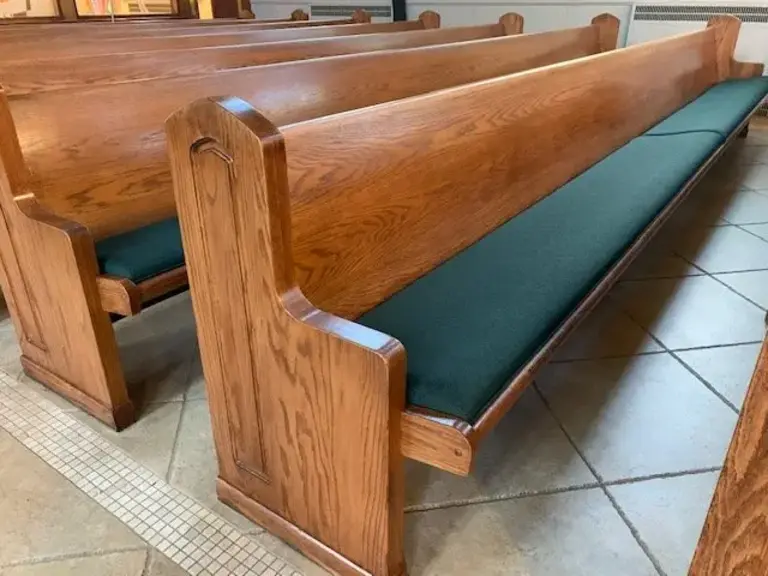
Refurbishing techniques vary based on the condition and materials of the pews. Common methods include reupholstering, which involves replacing worn or outdated fabric with new, durable upholstery. Refinishing is another technique, where the wooden parts of the pews are sanded down, stained, and sealed to restore their original luster. Repairing damaged wood, such as fixing cracks or reinforcing weak joints, ensures the pews are both aesthetically pleasing and structurally sound. These techniques collectively restore the pews to their former glory, enhancing both appearance and comfort.
Timeline and Cost Estimation
After the initial assessment, you’ll receive a detailed timeline and cost estimate. The duration of the refurbishing process can vary, but it typically takes less time than complete replacement, minimizing disruption to church activities. The cost estimate will cover materials, labor, and any additional repairs required. Refurbishing is often more budget-friendly compared to replacement, providing significant savings while achieving excellent results.
What Happens During the Replacement Process
Deciding to replace your church pews is a significant undertaking that can greatly enhance the worship experience and aesthetic of your sanctuary. Understanding the replacement process is essential to ensure a smooth and efficient transition. The following steps outline the key aspects of replacing your pews, from selecting the right style and materials to the careful removal of old pews and installation of new ones. By following these guidelines, you can make informed decisions that best suit your church’s needs, budget, and design preferences.
Choosing New Pews
The first step is selecting new pews that match your church’s style and requirements. You’ll choose from various styles, materials, and customization options to find pews that fit your budget and aesthetic preferences. Many suppliers offer a range of options, from traditional wooden pews to modern designs with enhanced comfort features.
Removal of Old Pews
The removal process involves carefully dismantling and taking out the old pews to avoid damage to the church interior. Professionals will handle this task efficiently, ensuring that the existing flooring and structures are protected. Proper disposal or recycling of old pews may also be arranged as part of the service.
Installation of New Pews
New pews are installed according to the chosen layout, which includes securing them to the floor and ensuring they are level and stable. Installation experts will make sure that each pew is positioned correctly for optimal use and comfort. This step is crucial for both the aesthetics and functionality of the seating arrangement.
Timeline and Cost Estimation
Similar to refurbishing, you’ll receive a detailed timeline and cost estimate for the replacement process. This estimate will include the cost of the new pews, removal of the old ones, and installation. While the upfront cost may be higher, the benefits of new pews, such as improved comfort and reduced maintenance, can justify the investment.
Comparing Costs: Refurbishing vs. Replacing
Refurbishing Costs
Refurbishing costs generally include materials such as new upholstery and wood finish, labor for the refurbishing work, and any necessary repairs. Refurbishing is typically a budget-friendly option, providing a fresh look and feel at a fraction of the cost of new pews. The initial savings can be substantial, making it an attractive option for many congregations.
Replacement Costs
Replacement costs encompass the purchase of new pews, removal of the old ones, and installation expenses. While the upfront costs are higher, new pews offer the advantage of being brand new, often with warranties and potentially lower maintenance needs in the early years. The investment in new pews can lead to long-term benefits and savings on repairs.
Long-Term Financial Implications
Consider the long-term financial implications when deciding between refurbishing and replacing. Refurbished pews might require additional maintenance sooner than new ones, but the initial savings can be significant. On the other hand, new pews, while more expensive initially, may offer durability and lower maintenance costs over time. Evaluating both immediate and future costs will help you make the best decision for your congregation’s needs and budget.
Frequently Asked Questions
How long does the refurbishing process take?
Church pew refurbishing usually takes a few weeks, depending on the extent of the work. Some projects can be completed even faster.
What are the most common problems with old pews?
Common issues include worn upholstery, scratched wood, and structural instability. Church pew refurbishing can address these problems effectively.
How can I maintain refurbished pews?
Regular cleaning and occasional touch-ups can keep refurbished pews looking new. Consult refurbishing experts for maintenance tips.
What materials are best for new pews?
Wood and high-quality upholstery are popular choices for new pews. Many suppliers offer customizable options to match your church’s style.
Can pews be refurbished on-site, or do they need to be taken off-site?
The refurbishing process can vary. Some aspects, like minor repairs or upholstery work, can be done on-site. However, more extensive refurbishing, such as complete refinishing or major structural repairs, may require the pews to be taken to a dedicated workshop.
Restore Your Church's Beauty with Historical Restoration Company
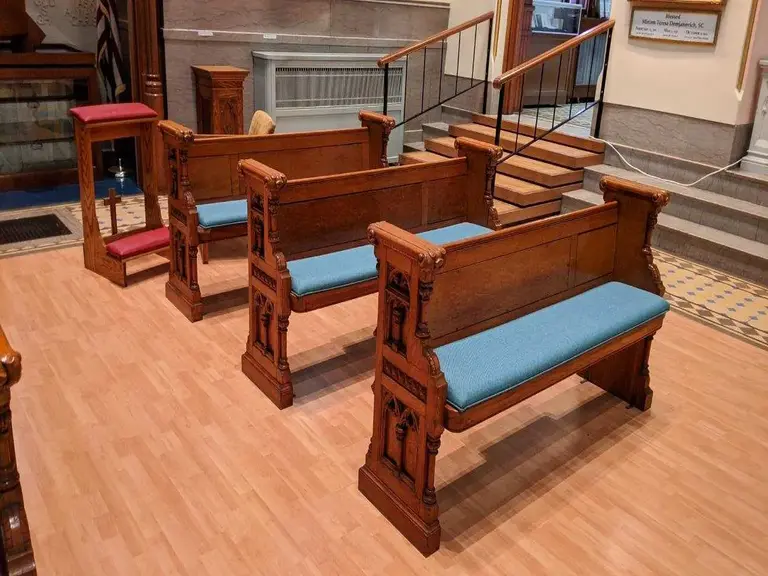
Transform your worship space with Historical Restoration Company, the leading expert in church pew refurbishing in New Haven, CT. Our dedicated team ensures your pews look beautiful, maintain historical integrity, and enhance comfort. With meticulous attention to detail and high-quality materials, we preserve your church’s heritage while improving functionality.
Contact Historical Restoration Company in New Haven, CT, today to revitalize your pews and uplift your congregation, ensuring your church reflects the beauty and history of your sacred space.