
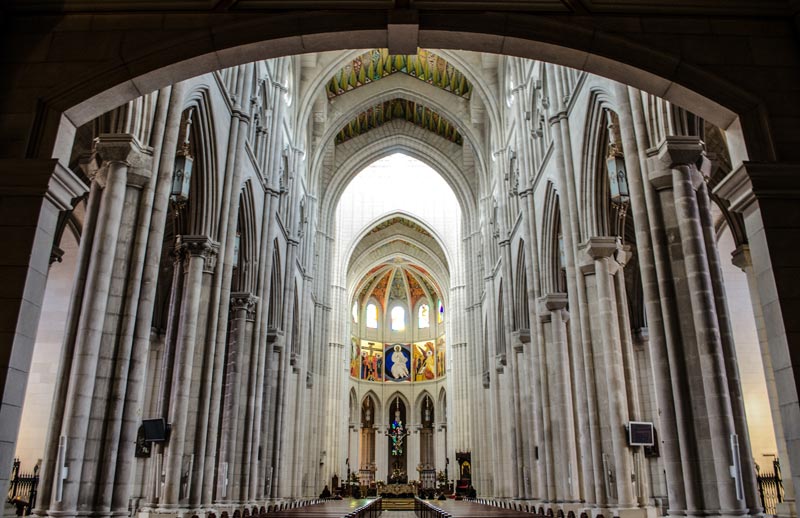
On average, churches renovate their buildings every 30 years, and part of this renewal process often includes refurbishing pews. Refurbished pews not only enhance the aesthetic appeal of the church but also contribute to the comfort and spiritual experience of the congregation. However, to maintain the beauty and durability of these restored pews, proper care and maintenance are essential.
Here are six essential maintenance tips to help you preserve your church pew refurbishing project in New Haven, CT, to ensure that they remain in pristine condition for years to come.
Table of Contents
Key Takeaways
- Regular Cleaning
- Protecting the Finish
- Handling Spills and Stains
- Monitoring and Repairing Minor Damages
- Controlling Environmental Conditions
- Implementing Seasonal Maintenance Routines
Why Church Pew Refurbishing Matters
Factors to Consider When Choosing a Church Pew Refurbishing Company
Frequently Asked Questions (FAQs)
Preserve Your Church’s Heritage with Historical Restoration Company
Key Takeaways✔ Regular cleaning is crucial to maintain the appearance and longevity after a church pew refurbishing. ✔ Protecting the finish of pews prevents wear and tear and enhances their aesthetic appeal. ✔ Promptly handling spills and stains prevents permanent damage to the wood and finish. ✔ Regular inspections and minor repairs help maintain the integrity and appearance of the pews. ✔ Controlling environmental conditions like humidity and temperature protects pews from warping and cracking. ✔ Seasonal maintenance routines address the unique challenges posed by different weather conditions. ✔ Enhancing the aesthetic and historical value of pews can enrich the worship experience and preserve church heritage. ✔ Understanding the multifaceted benefits of church pew refurbishing encourages informed decisions that honor tradition and sustainability. |
1. Regular Cleaning
Regular cleaning is crucial for maintaining the beauty and longevity of your refurbished church pews. It prevents dust and grime buildup, which can dull the finish and damage the wood over time. When church pews are clean, you ensure they continue to look their best and provide a welcoming environment for your congregation.
How to Clean Refurbished Church Pews
- Use Soft Cloths and Mild Cleaners: Soft cloths are gentle on the wood and prevent scratching the delicate finish of your refurbished church pews. Mild cleaners, such as diluted dish soap or a specialized wood cleaner, effectively remove dirt and grime without causing harm. Avoid using abrasive materials as these can strip the finish and damage the wood.
- Avoid Harsh Chemicals: Harsh chemicals can degrade the finish and compromise the integrity of the wood especially after a church pew refurbishing. Instead, opt for natural or wood-specific cleaning products that are designed to be gentle yet effective. A mixture of water and vinegar can also be a safe alternative for regular cleaning, ensuring the pews remain in excellent condition.
- Schedule a Weekly Cleaning Routine: Consistency is key to maintaining your refurbished church pews. Establish a weekly cleaning routine to ensure that dirt and dust do not accumulate over time. Assign specific tasks, such as dusting, wiping down surfaces, and checking for any spills or stains, to ensure comprehensive maintenance.
2. Protecting the Finish
Protecting the finish of your refurbished church pews is essential to maintaining their aesthetic appeal and durability. The finish acts as a barrier against wear and tear, moisture, and other damaging elements. When the finish remains intact, you preserve the beauty and integrity of the wood for years to come.
How to Protect the Finish of Refurbished Church Pews
- Use Furniture Polish Designed for Wood: Furniture polish specifically designed for wood provides a protective layer that enhances the natural beauty of your church pews after church pew refurbishing. Apply the polish using a soft cloth, following the grain of the wood to ensure even coverage. Regular polishing helps to maintain the sheen and serves as a barrier against dust and moisture.
- Avoid Direct Sunlight: Prolonged exposure to direct sunlight can cause the finish on your church pews to fade and deteriorate. Position pews away from windows or use window coverings to block harsh sunlight. If moving the pews is not feasible, consider using UV-protective window film to reduce the sun’s impact on the wood.
- Place Protective Mats or Covers: Using protective mats or covers can prevent scratches, dents, and other forms of damage that may occur during daily use. Mats placed on high-traffic areas of the pews can shield the wood from wear caused by constant use. Additionally, covers can be used during non-service times to keep the pews clean and free from dust, extending the life of the finish.
3. Handling Spills and Stains
Handling spills and stains promptly is essential to maintain the pristine condition of your refurbished church pews. Spills and stains can penetrate the wood and finish, causing permanent damage if not addressed immediately. When effective techniques are implemented, you can protect your pews and keep them looking their best.
How to Handle Spills and Stains on Refurbished Church Pews
- Act Immediately on Spills: Acting quickly when a spill occurs prevents the liquid from soaking into the wood and causing lasting damage. As soon as a spill happens, use a clean, absorbent cloth to blot the liquid gently. Avoid rubbing, as this can spread the spill and push it deeper into the wood grain.
- Use Effective Stain Removal Techniques: Different types of stains require different removal techniques after church pew refurbishing. For oil-based stains, apply a small amount of baking soda to absorb the oil, then wipe it away with a damp cloth. For ink or food stains, use a mild detergent mixed with water to gently clean the affected area. After, make sure to dry thoroughly to prevent moisture damage.
- Implement Preventive Measures: Implementing preventive measures can significantly reduce the occurrence of spills and stains on your church pews. Establish a no-food or drink policy in the pew area to minimize the risk of accidents. Additionally, provide clear guidelines to congregation members about the importance of reporting spills immediately so they can be addressed promptly.
4. Monitoring and Repairing Minor Damages
Regularly monitoring and repairing minor damages is crucial to preserving the integrity and appearance of your refurbished church pews. Small scratches, dents, and other imperfections can quickly escalate if not addressed, leading to more extensive and costly repairs. You can ensure your pews remain in excellent condition by taking proactive measures.
How to Monitor and Repair Minor Damages on Refurbished Church Pews
- Regular Inspections: Conducting regular inspections allows you to identify and address minor damages before they worsen. Set a monthly schedule to thoroughly examine each pew for scratches, dents, and other signs of wear. Pay special attention to high-traffic areas where damage is more likely to occur, ensuring prompt action to maintain the pews’ appearance.
- DIY Repair: For minor damages like small scratches or dents, simple DIY repairs can be effective. Use wood fillers to fill in scratches and dents, carefully sanding the area afterward to ensure a smooth finish. Polishing and buffing the repaired area can help blend it with the rest of the pew, restoring its original beauty and preventing further damage.
- Call Professionals: Recognizing when to seek professional help is essential for maintaining the quality of your refurbished church pews. If you encounter deep scratches, large dents, or structural issues, it’s best to consult a professional furniture restorer. They have the expertise and tools to handle significant repairs, ensuring your pews remain safe and aesthetically pleasing.
5. Controlling Environmental Conditions
Controlling the environmental conditions in your church is essential for preserving the quality and durability of your refurbished church pews. Factors such as humidity, temperature, and air quality can significantly impact the wood, leading to warping, cracking, and other forms of damage. You can ensure your pews remain in excellent condition by maintaining optimal conditions.
How to Control Environmental Conditions for Refurbished Church Pews
- Maintain Optimal Humidity Levels: Maintaining the right humidity level is crucial to prevent wood from warping or cracking. Aim to keep the indoor humidity level between 40-60%, using a humidifier or dehumidifier as needed after a church pew refurbishing. Regularly monitor the humidity levels with a hygrometer to ensure they stay within the optimal range.
- Maintain Consistent Temperature: Fluctuations in temperature can cause the wood in your pews to expand and contract, leading to cracks and other structural issues. Maintain a consistent temperature in your church, ideally between 60-75°F (15-24°C). Avoid placing pews near heat sources or drafts, as sudden changes in temperature can stress the wood and damage the finish.
- Practice Proper Ventilation: Ensuring proper ventilation helps to maintain air quality and prevent the buildup of moisture, which can damage the wood. Use fans or air purifiers to circulate air and reduce humidity levels in the church. Regularly check ventilation systems to ensure they are functioning correctly, providing a stable environment for your refurbished church pews.
6. Implementing Seasonal Maintenance Routines
Implementing seasonal maintenance routines is essential to address the unique challenges each season poses to your refurbished church pews. Different weather conditions can affect the wood’s integrity and appearance, making it crucial to adapt your care routine accordingly. When you follow specific maintenance practices for each season, you can keep your pews in top condition year-round.
How to Perform Seasonal Maintenance on Refurbished Church Pews
- Spring and Summer Care: After the cold and often damp winter months, spring and summer are ideal for giving your pews a thorough cleaning. Conduct a deep cleaning to remove any accumulated dirt and moisture. Inspect the pews for signs of moisture damage or pest infestation, addressing any issues promptly to prevent further deterioration.
- Fall and Winter Care: Preparing your pews for the colder, dryer months involves protecting them from low humidity and temperature fluctuations. Apply a protective finish or polish to seal the wood and prevent cracking. Use covers during periods of non-use to shield the pews from dust and potential moisture brought in from the cold weather.
- Create a Seasonal Maintenance Checklist: A seasonal maintenance checklist ensures that no essential task is overlooked and provides a structured approach to pew care. Include specific tasks for each season, such as deep cleaning in spring, applying protective finishes in fall, and regular inspections year-round. By following a comprehensive checklist, you can systematically maintain the quality of your refurbished church pews, ensuring their longevity and aesthetic appeal.
Why Church Pew Refurbishing Matters
Church pew refurbishing is a significant investment that goes beyond mere aesthetics. It also plays a crucial role in preserving the heritage, enhancing the worship experience, and ensuring the functionality of the church seating. Understanding the importance of this process can help congregations appreciate and support such initiatives.
Preserving Historical Integrity
Church pew refurbishing helps preserve the historical integrity of your place of worship. Many churches have pews that are decades or even centuries old, carrying immense historical value. Refurbishing these pews ensures that the church’s history is respected and maintained for future generations.
Enhancing Comfort for Congregation
Refurbished pews provide enhanced comfort for the congregation during services. Worn-out pews can be uncomfortable and distracting, affecting the worship experience.
Improving Aesthetic Appeal
Refurbishing church pews significantly improves the aesthetic appeal of the sanctuary. Freshly restored pews can transform the look of the church, making it more welcoming and beautiful. This can also create a positive first impression on visitors and new members, encouraging them to return.
Cost-Effective Solution
Making use of existing pews in church pew refurbishing is a cost-effective solution compared to purchasing new ones. The process of refurbishing can be tailored to fit various budgets, making it an affordable option for many congregations. It allows churches to retain their original furniture while updating its appearance and functionality.
Environmental Sustainability
Church pew refurbishing is an environmentally sustainable choice. Instead of discarding old pews and contributing to waste, refurbishing repurposes the existing materials. This practice aligns with the principles of stewardship and care for creation, which are often central to church teachings.
Factors to Consider When Choosing a Church Pew Refurbishing Company
Selecting the right company in New Haven, CT, for your church pew refurbishing project is critical to ensuring high-quality results and preserving the integrity of your pews. A reputable and experienced company will provide expert craftsmanship, reliable service, and a comprehensive approach to restoration.
Experience and Expertise
Look for a company with extensive experience and specialized expertise in church pew refurbishing. Companies that have been in business for many years typically have a proven track record and a deep understanding of the unique requirements of church furniture restoration. Review their portfolio and case studies to assess the quality of their work and their ability to handle similar projects.
For reference, the skilled craftsmanship required for Notre Dame’s restoration highlights the importance of hiring experienced professionals for church pew refurbishing.
Client Testimonials and References
Client testimonials and references provide valuable insights into the company’s reputation and reliability for church pew refurbishing. Reach out to other churches that have used their services to learn about their experiences and satisfaction with the results. Positive feedback and strong recommendations from past clients can give you confidence in the company’s capabilities and professionalism.
Customized Solutions and Detailed Proposals
A good refurbishing company should offer customized solutions tailored to your specific needs and preferences. Request detailed proposals outlining the scope of work, materials, timeline, and costs. This transparency ensures that you have a clear understanding of what to expect and allows you to make informed decisions about the project.

Frequently Asked Questions (FAQs)
How long does the church pew refurbishing process take?
The duration of the church pew refurbishing process can vary depending on the extent of the work required and the number of pews being refurbished. On average, it can take anywhere from a few weeks to a couple of months. It’s important to plan accordingly and communicate with the refurbishing team to get an accurate timeline.
Can we use the church during the refurbishing process?
In most cases, the church can still be used during the refurbishing process, although some areas may be temporarily inaccessible. The refurbishing team can often work in phases to minimize disruption to regular services. It’s advisable to coordinate with the team to ensure that the refurbishing schedule aligns with the church’s activities.
What materials are used in church pew refurbishing?
The materials used in church pew refurbishing typically include high-quality wood fillers, stains, finishes, and protective coatings. These materials are chosen to match the original look and feel of the pews while providing enhanced durability. The specific products used can vary based on the condition of the pews and the desired outcome.
Can damaged or missing parts of the pews be replaced during refurbishing?
Yes, damaged or missing parts of the pews can often be replaced during the refurbishing process. Skilled craftsmen can create new components that match the original design and integrate seamlessly with the existing pews. This ensures that the refurbished pews retain their historical and aesthetic integrity.
How often should church pews be refurbished?
The frequency of refurbishing depends on the level of use and wear, but typically, pews should be evaluated for potential refurbishing every 10-15 years. High-traffic areas may require more frequent attention, especially if the pews experience significant wear and tear. Regular maintenance checks can help identify early signs of damage or deterioration, ensuring timely refurbishing and extending the life of the pews.
Preserve Your Church’s Heritage with Historical Restoration Company
Elevate the beauty and historical significance of your worship space by having your church pews refurbished at Historical Restoration Company in New Haven, CT. Our expert craftsmen are dedicated to restoring and preserving the unique character of your church furniture, ensuring that each pew remains a testament to your congregation’s history and tradition.