
Overall, 28% of U.S. adults reported attending religious services in person in the past month, reflecting a steady trend in attendance over the last few years. With this growth, it’s becoming increasingly important to enhance the worship experience through modernization. One of which involves upgrading a church’s audio system.
Working with a historical restoration company in Rhode Island helps ensure the audio system upgrade integrates seamlessly with the architecture. Here are top tips from a professional historical restoration company to achieve this:
Table of Contents
Key Takeaways✔ Upgraded audio systems improve sound clarity, ensuring everyone hears sermons and prayers clearly, enriching the worship experience. ✔ Modern systems provide even sound distribution across large spaces, ideal for historical churches that host big gatherings. ✔ Audio systems can be tailored for a variety of events, including concerts and outreach programs, with options for live streaming. ✔ New systems integrate assistive technology like hearing aid compatibility, making services more inclusive. ✔ Balancing modern technology with historic church acoustics prevents echoes and distortion, maintaining clarity. ✔ A historical restoration company can overcome space and structural limitations while preserving historical integrity. ✔ Older wiring must be assessed and potentially upgraded to safely handle new technology without compromising the church’s infrastructure. ✔ Historical restoration companies ensure that audio upgrades meet strict regulations while preserving the church’s architectural heritage. |
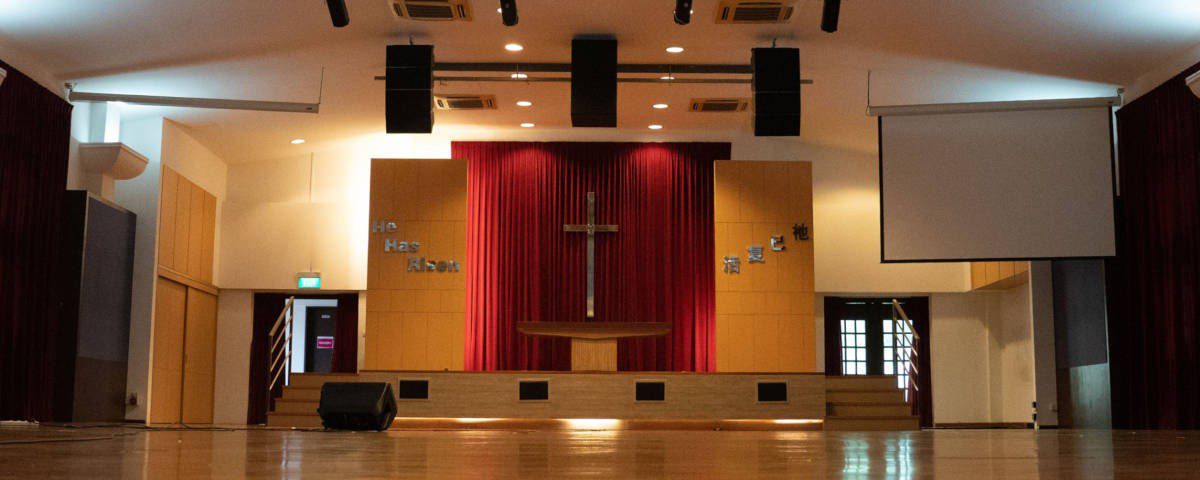
Why Upgrading Church’s Audio System Matters
Upgrading a church’s audio system is more than a technical improvement—it’s about enhancing communication, connection, and engagement within the congregation. With spending on religious construction projects reaching approximately 2.9 billion U.S. dollars in 2023, more churches are investing in modern technologies to create better worship experiences. Here’s why it matters:
- Enhance Worship Experiences: A well-functioning audio system ensures that sermons, prayers, hymns, and readings reach every member of the congregation, fostering an immersive spiritual experience. In older churches, outdated audio equipment may lead to unclear sound, preventing people from hearing the message clearly.
- Facilitate Larger Gatherings: Many churches, particularly historical ones, are expansive in size and host large events. Effective sound distribution across a large area can be difficult with outdated systems, leaving certain areas of the church unable to hear properly. A modern system installed by a historical restoration company ensures even sound distribution throughout the space.
- Adapt to Modern Services: Many churches today offer not just traditional services, but a variety of programs, events, and activities. Modern audio systems can accommodate these needs, providing flexibility for concerts, guest speakers, and community outreach events. These systems can also offer integration with live streaming technology, which is essential for reaching those who cannot attend in person.
- Ensure Accessibility: Older audio systems might not cater well to people with hearing impairments. Modern systems, on the other hand, offer hearing aid compatibility and other assistive technologies that can make the church more inclusive and accessible to everyone.
- Preserve Historical Integrity: Working with a historical restoration company ensures that while the technology is updated, the physical and aesthetic integrity of the building is maintained. They know how to work with the existing structure without causing damage or altering its historical significance.
What Are the Challenges of Upgrading Audio Systems in Historic Churches
Upgrading audio systems in historic churches presents a unique set of challenges. These structures were not designed with modern technology in mind, which complicates the process.
- Preserving Acoustics: Many older churches were designed with natural acoustics that work well for choral music or spoken word without amplification. However, when modern audio systems are introduced, they may cause unwanted reverberations, echoes, or distortions. A historical restoration company understands how to balance these natural acoustics with modern sound systems, ensuring clarity without distortion.
- Space and Structural Constraints: Historic buildings often have limited space for new equipment installation. These churches may lack designated areas for speakers, soundboards, or wiring. A historical restoration company knows how to work within these constraints, finding innovative ways to integrate technology without compromising historical features.
- Older Wiring Systems: Many older churches still operate on outdated electrical systems that were not built to handle the load of modern audio and visual equipment. A comprehensive assessment of the building’s wiring by a historical restoration company is necessary to avoid potential hazards, such as short circuits or power surges, when installing new technology.
- Compliance with Regulations: Historic buildings are often subject to strict regulations regarding modifications. These can include restrictions on altering walls, ceilings, or any architectural elements. A historical restoration company is familiar with these regulations and knows how to navigate them while making the necessary upgrades.
10 Tips from a Historical Restoration Company for Upgrading Church’s Audio System
One of the most common complaints in churches is poor sound quality. Whether it’s a microphone that’s too soft, speakers that create echoes, or uneven sound distribution, bad audio can ruin the worship experience. Church renovation companies specialize in designing audio systems that eliminate these issues and ensure that sound is evenly distributed throughout the sanctuary.
With an upgraded sound system, everyone in the congregation, from the front row to the back, will hear the sermon and music clearly. This not only improves engagement but also minimizes distractions caused by poor audio. A high-quality sound system allows everyone to participate fully, whether it’s in a traditional worship service, choir performance, or special event.
Key benefits of improved sound quality:
- Clearer speech for sermons and announcements
- Better acoustics for choirs and musicians
- Reduced echo and feedback issues
- Improved experience for those with hearing impairments
Church renovation companies can also install hearing aid-compatible systems to ensure that older congregants or those with hearing issues can hear clearly. This added layer of accessibility ensures that no one feels left out during worship.
1. Know What to Preserve
Not everything in a church’s audio system needs to be replaced. Some older elements might still serve their purpose well, especially when they are integrated into the historical structure of the church.
For example, many historic churches were built with design elements that naturally amplify sound, like domed ceilings or strategically placed wood paneling. These features can enhance modern audio systems if they are preserved correctly.
A historical restoration company will evaluate these design features and make recommendations on what can be preserved. Retaining these elements can save costs while preserving the building’s original character.
2. Look at Backbone Issues First
Before upgrading an audio system, it’s important to assess the infrastructure that will support it. In many older churches, the wiring and structural integrity may not be sufficient to handle the load of modern equipment.
- Wiring: Old electrical systems may not have the capacity to support the demands of new soundboards, speakers, and amplifiers. A historical restoration company will assess the building’s current wiring system and recommend upgrades that ensure safety and reliability.
- Structural Support: Churches were not built with today’s heavy audio equipment in mind. Some areas may need reinforcement to support speakers or projectors. The company can ensure these reinforcements are done without damaging historical structures.
3. Evaluate Your Needs and Create a Long-Term Plan
Rather than attempting to overhaul the entire system at once, it’s best to take a phased approach. Evaluating the current needs of the church and developing a long-term plan ensures that upgrades can be made systematically, without breaking the budget.
- Immediate Needs: Start by addressing the most critical issues first, such as faulty wiring or broken speakers. A historical restoration company can help prioritize these repairs.
- Future-Proofing: Modern technology is always evolving. Consider how future upgrades, like live streaming or digital sound mixing, might be integrated down the line. A phased approach allows for the installation of a flexible system that can grow with the church’s needs.
4. Buy Smart, Not Cheap
Quality should be the cornerstone of any audio upgrade. While it may be tempting to cut costs by opting for cheaper equipment, this often results in poor performance and frequent repairs or replacements.
- Professional-Grade Systems: A historical restoration company recommends investing in high-end audio systems that offer durability, clear sound, and longevity. Professional-grade equipment, such as digital soundboards and high-quality speakers, will perform better in large, echo-prone spaces.
- Long-Term Savings: Investing in quality upfront may seem expensive, but it reduces the likelihood of costly repairs or replacements down the road. This ensures the church gets a return on its investment over time.
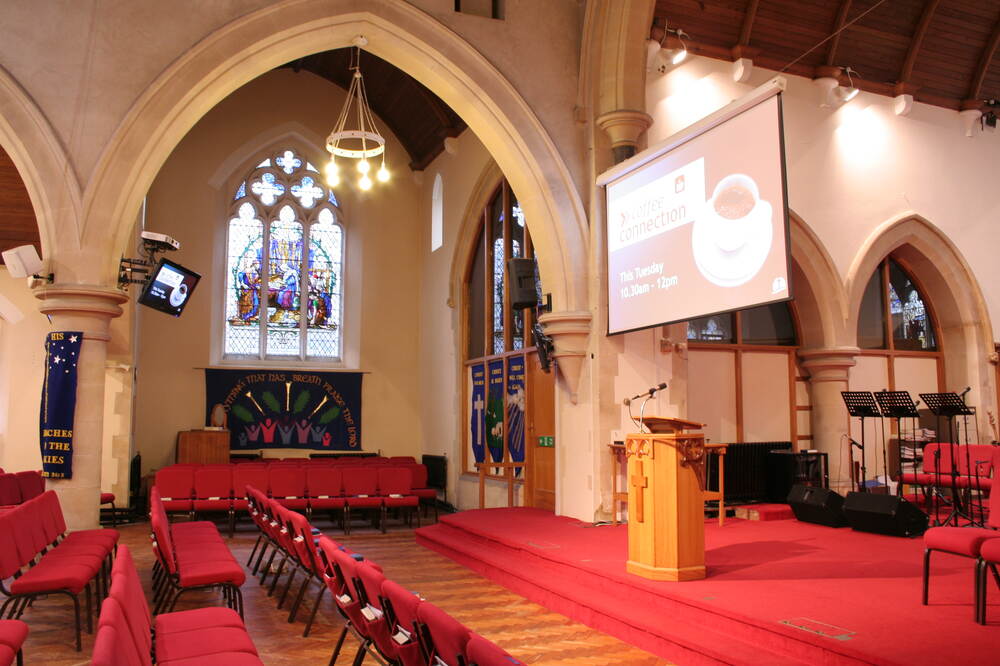
5. Integrate Screens and Projectors with Historic Interiors
While audio is the focus, many churches are also adding visual aids to their services. Projectors, screens, and other video equipment can enhance the worship experience, but they need to be incorporated carefully into the church’s historic setting.
- Discreet Placement: A historical restoration company can find ways to integrate these visual elements without detracting from the church’s historical beauty. For example, retractable screens can be hidden when not in use, preserving the traditional look of the sanctuary.
- Preserving Aesthetics: The visual aids must complement, not clash with, the church’s interior design. A company that specializes in historical restoration understands how to maintain the visual integrity of the building while adding modern technology.
6. Embrace Modern Technologies
Modern technologies can greatly enhance the audio experience in a church, especially wireless systems and digital soundboards.
- Wireless Microphones: Wireless systems allow pastors, choir members, and other speakers to move freely without being tethered to one spot. These microphones are less visually intrusive and provide greater flexibility during services.
- Digital Soundboards: Digital soundboards offer advanced control over acoustics and allow operators to make real-time adjustments to the sound. A historical restoration company can ensure that these systems are integrated seamlessly into the church’s infrastructure.
7. Consider Refurbished Equipment
For churches with limited budgets, refurbished audio equipment can be a viable option. High-quality used equipment can perform just as well as new models if it’s in good condition.
- Refurbished Options: A historical restoration company can help evaluate whether used components, such as amplifiers or speakers, are a suitable fit. Often, refurbished equipment offers significant savings without compromising sound quality.
- Strategic Use of Budget: Purchasing used or refurbished equipment for non-essential components allows the church to allocate more budget toward critical items, like soundboards or microphones.
8. Cover Your Basic Needs First
When upgrading, it’s essential to start with the basics—soundboards, speakers, and microphones—before adding other features.
- Soundboards: The soundboard is the heart of the audio system. Upgrading to a digital soundboard offers better control and flexibility. A historical restoration company can help choose the right soundboard for the church’s needs.
- Speakers and Microphones: Ensure that speakers and microphones are of high quality to provide clear, consistent sound throughout the space. These should be the first priority before considering additional technology like projectors or streaming systems.
9. Get Durable, All-Purpose Microphones for Reliability
Churches need microphones that can handle a variety of uses, from sermons to choir performances to community events. Choosing durable, all-purpose microphones is critical to ensuring the system’s reliability.
- Versatility: A historical restoration company recommends all-purpose microphones because they can be used for various types of performances, whether it’s a solo speaker or a full choir.
- Durability: Investing in durable microphones reduces the need for frequent repairs or replacements, which is important for busy churches that host multiple services and events.
10. Build Relationships with Local Dealers and Contractors
Partnering with local audio-visual contractors and dealers can streamline the process of upgrading and maintaining the church’s audio system. These professionals provide ongoing support and ensure that the system continues to function optimally.
- Ongoing Maintenance: Local contractors can offer quick repairs and regular maintenance, helping to prevent downtime during important services. A historical restoration company can recommend trusted local vendors.
- Tailored Solutions: Local dealers often have experience working with historic buildings and can provide custom solutions that fit the church’s specific needs.
Why Working with a Historical Restoration Company for Audio Upgrades is Important
Partnering with a historical restoration company is essential for upgrading a church’s audio system without compromising its architectural integrity. These companies specialize in blending modern technology with historic elements, ensuring the church maintains its character while benefiting from modern advancements.
- Tailored Approach: Customize the audio system upgrade to suit the unique needs of your church, from its architectural design to its acoustic requirements. A historical restoration company ensures that every project is uniquely crafted to fit the specific space.
- Preserve Historical Integrity: Maintain the beauty and historical significance of the church by using methods that protect its original design elements. A historical restoration company ensures no damage is done to walls, ceilings, or other structural features during the installation process.
- Mitigate Challenges: Navigate the unique challenges that come with upgrading audio systems in historic churches, such as outdated wiring, limited space, and complex acoustics. These companies are equipped with the experience to solve these issues without compromising the church’s integrity.
- Comply with Regulations: Handle local and historical preservation regulations with ease. A historical restoration company ensures that all upgrades comply with any building codes or preservation laws, protecting the church from potential legal issues.
- Minimize Visual Disruptions: Incorporate modern technology discreetly into the church’s existing design, ensuring that speakers, microphones, and other equipment do not detract from the historical atmosphere. These companies specialize in making modern upgrades almost invisible.
- Reduce Downtime: Streamline the installation process to minimize disruptions to church services and activities. Working with a historical restoration company ensures that the project stays on schedule with minimal impact on the church’s daily operations.
- Leverage Expert Knowledge: Benefit from specialized knowledge of historic buildings. A historical restoration company understands the intricacies of working in historic spaces, from acoustics to structural concerns, ensuring the upgrade is handled with care.
- Maintain Aesthetic Consistency: Seamlessly integrate new audio equipment into the church without sacrificing its traditional aesthetics. These experts know how to hide or blend equipment to complement the church’s design.
- Access Specialized Resources: Utilize access to specialized tools and materials necessary for working with historic buildings. A historical restoration company brings in the right resources to ensure that the project is completed effectively without damaging original materials.
Frequently Asked Questions
What factors should be considered when choosing an audio system for a historic church?
When selecting an audio system for a historic church, it’s important to consider the acoustics of the space, ensuring clear sound without disturbing natural echoes. Durability and reliability are key, as the system should last for many years with minimal maintenance. Additionally, the visual integration of equipment should be discreet to maintain the church’s aesthetic.
How can a historical restoration company help with building code compliance during upgrades?
A historical restoration company ensures that any upgrades meet local building codes and preservation regulations. They work closely with regulatory bodies to ensure that any changes respect the building’s heritage. This compliance helps prevent legal issues and ensures that the church remains historically accurate.
What are the costs involved in upgrading a church’s audio system with a historical restoration company?
Costs depend on the church’s size, the complexity of the installation, and the type of equipment needed. Custom solutions may increase the cost, especially when preserving historical elements. However, investing in high-quality equipment and expert installation ensures long-term savings by reducing the need for future repairs.
How can wireless technology be used in historic church audio upgrades?
Wireless microphones and speakers can be used to enhance the church’s audio system without invasive wiring, preserving the structure’s historical integrity. Wireless systems offer greater flexibility, allowing for easier movement during services and events. Additionally, they reduce visual clutter, maintaining the clean, traditional look of the sanctuary.
How long does it typically take to complete an audio system upgrade in a historic church?
The timeframe for upgrading a historic church’s audio system depends on the building’s size and complexity. Most projects take several weeks, from initial assessment to final installation. Partnering with a historical restoration company ensures the process runs smoothly while minimizing disruptions to regular services.
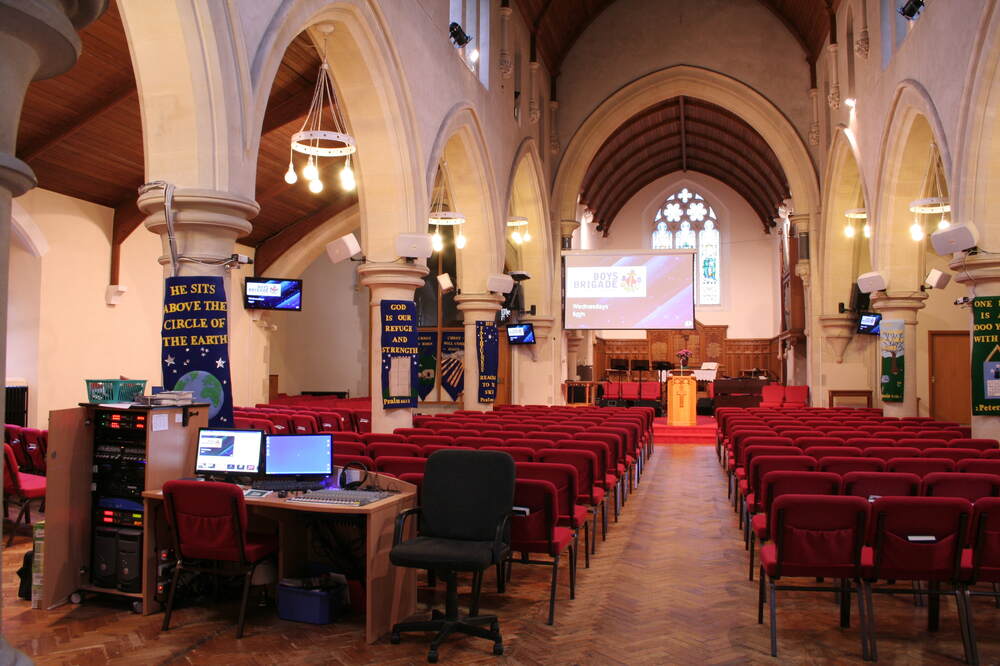
Upgrade Your Church’s Audio System with Artech Church Interiors, Inc.!
If you’re ready to enhance your church’s audio system while preserving its historical beauty, now is the time to act. Artech Church Interiors, Inc., based in Rhode Island, specializes in modernizing church spaces without compromising their heritage. Our team of experts will ensure your church’s audio system upgrade is seamless, from planning to installation. Artech Church Interiors, Inc. offers tailored solutions that balance cutting-edge technology with your church’s historical integrity.
Contact Artech Church Interiors, Inc. today to start your church’s audio system transformation in Rhode Island!