
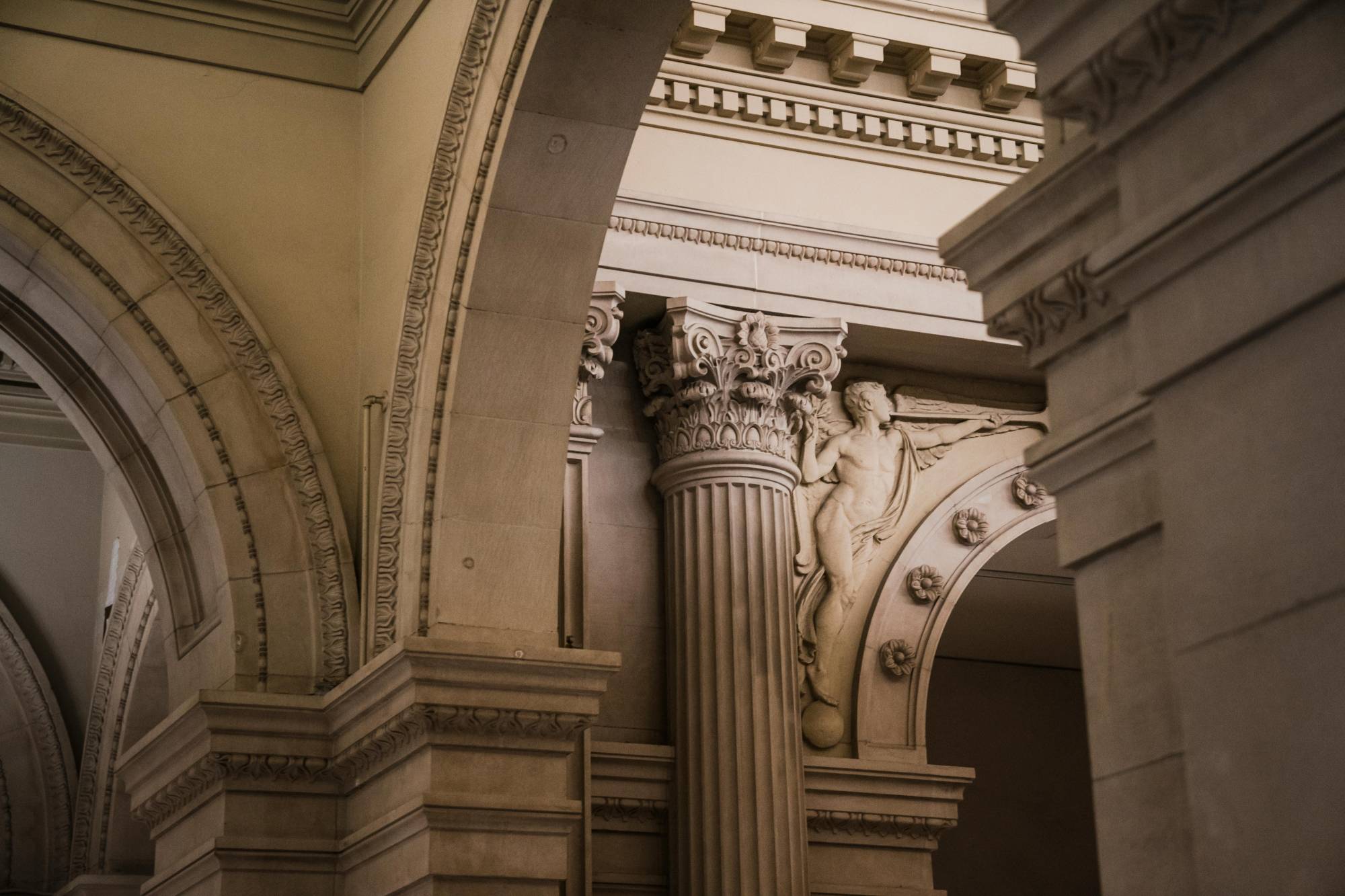
Plaster has long been a defining feature of historic churches, adding both structural strength and artistic beauty to sacred spaces. Over time, however, factors like moisture intrusion, structural movement, and previous improper repairs can cause significant damage, threatening intricate moldings, ceiling frescoes, and hand-carved details. Left unaddressed, these issues not only compromise the church’s aesthetic integrity but also pose safety risks to congregants and visitors.
Here are five common plaster problems in historic churches and the expert techniques used to restore them.
Table of Contents
Key Takeaways
✔ Cracks in church ceiling plaster require expert stabilization and reinforcement to prevent further detachment and structural damage.
✔ Decorative plaster repair in sacred spaces involves precise molding, hand-carving, and secure reattachment to restore intricate details.
✔ Historic plaster stabilization techniques help reattach delaminated plaster to its lath or masonry base, preventing collapse.
✔ Sacred space plaster patching is essential for repairing water-damaged areas after addressing the source of moisture.
✔ Restoring hand-carved plaster details in churches requires skilled artisans to recreate missing or damaged ornamental elements.
✔ Experts analyze plaster composition, color, and texture to ensure seamless restoration that blends with historic surfaces.
✔ Regular maintenance, climate control, and professional inspections help preserve historic church plaster for future generations.
1. Cracks in Church Ceiling Plaster
Cracks in church ceiling plaster are a common issue in historic churches, often caused by structural shifts, moisture infiltration, or the natural aging of materials. Over time, small hairline fractures can widen, leading to large sections of plaster detaching from the lath, creating safety hazards. Proper church ceiling plaster crack repair is essential to prevent further deterioration and maintain the integrity of these sacred spaces.
How Experts Fix Ceiling Plaster Cracks
- Stabilizing Loose Plaster Before Repairs: Experts begin by assessing the extent of damage, carefully tapping the plaster to identify hollow or detached areas. To prevent further separation, they inject specialized adhesives behind the cracked plaster, ensuring a secure bond with the underlying lath.
- Reinforcing Weakened Areas with Mechanical Fasteners: For severely damaged sections, conservators use stainless steel screws and plaster washers to hold the material in place. This technique strengthens fragile plaster while allowing for controlled restoration without removing large portions of the original ceiling.
- Blending Repairs for a Seamless Finish: Once stabilized, artisans apply a custom-mixed lime or gypsum plaster to fill the cracks, matching the original texture and composition. After drying, the repaired area is carefully sanded and repainted to seamlessly blend with the surrounding ceiling, ensuring a historically accurate restoration.
2. Decorative Plaster Damage in Sacred Spaces
Ornate plaster moldings, rosettes, and cornices are hallmarks of historic churches, adding depth and artistry to sacred interiors. Over time, these delicate details can suffer from water damage, structural shifts, or previous repairs using incompatible materials. If left untreated, chipped or missing plaster elements can diminish the visual harmony of the space, making decorative plaster repair in sacred spaces essential for preserving historical authenticity.
How Experts Restore Decorative Plasterwork
- Creating Custom Molds for Missing Details: When sections of decorative plaster are missing, artisans take impressions from intact areas to create precise silicone or rubber molds. These molds allow them to cast replicas using historically accurate materials, ensuring a seamless match with the original design.
- Hand-Carving Restorations for Unique Elements: Some churches feature one-of-a-kind hand-carved details that cannot be replicated with molds. In these cases, skilled plaster artisans carefully reconstruct the missing pieces by hand, ensuring restoring hand-carved plaster details in churches remains true to the original craftsmanship.
- Reattaching Loose Decorative Elements: If moldings or cornices are detaching from walls or ceilings, experts use conservation-grade adhesives and mechanical anchors to secure them. This process prevents further damage while preserving the delicate artistry of decorative plaster repair in sacred spaces.
3. Plaster Detachment and Delamination
Over time, church plaster can separate from its wooden lath or masonry backing due to moisture, vibrations, or poor previous repairs. This issue, known as delamination, often begins as subtle bulging or hollow sounds when tapped, eventually leading to full detachment and collapse. Immediate intervention using historic plaster stabilization techniques is crucial to prevent further loss and maintain the church’s structural and aesthetic integrity.
How Experts Stabilize Detached Plaster
- Injecting Adhesives to Secure Loose Sections: Experts drill small holes into the detached plaster and inject a specialized conservation-grade adhesive to re-bond it to the lath or masonry. This technique ensures a secure hold without removing original materials, a key principle in historic plaster stabilization techniques.
- Using Plaster Washers for Additional Reinforcement: In cases where the bond has significantly weakened, plaster washers and screws are used to gently pull the detached plaster back into place. These mechanical fasteners provide long-term stability while allowing for minimal disruption to surrounding historic finishes.
- Applying New Plaster for Seamless Integration: Once the detached areas are secured, craftsmen carefully fill any remaining gaps with a compatible lime-based or gypsum plaster. This ensures the repaired section integrates smoothly with the existing plaster, preserving the church’s historic character.

4. Water-Damaged Plaster in Sacred Spaces
Water intrusion is one of the most destructive forces affecting church plaster, leading to crumbling walls, discoloration, and mold growth. Roof leaks, faulty gutters, or condensation issues can allow moisture to seep into plaster, weakening its structure and causing irreversible damage. Proper sacred space plaster patching is necessary to restore compromised areas while addressing the root cause of the water damage.
How Experts Repair Water-Damaged Plaster
- Identifying and Stopping the Source of Moisture: Before any repairs begin, professionals thoroughly inspect the church’s roofing, gutters, and ventilation systems to eliminate the cause of the water damage. This step is essential to ensure sacred space plaster patching lasts without recurring deterioration.
- Removing Softened and Mold-Damaged Plaster: Water-damaged plaster often loses its integrity and must be carefully removed to prevent future issues. Experts scrape away compromised sections while preserving as much of the original plaster as possible for restoration.
- Applying Breathable Restoration Plaster: Once the affected area is dry, specialists apply a breathable lime-based plaster that allows moisture to escape while maintaining historical accuracy. This prevents future moisture buildup and ensures the newly patched area blends seamlessly with surrounding walls.
5. Damaged Hand-Carved Plaster Details in Churches
Many historic churches feature hand-carved plaster details, including intricate scrollwork, religious motifs, and ornamental moldings. These elements, often crafted by skilled artisans centuries ago, are highly susceptible to cracks, chipping, and complete loss due to age or improper handling. Restoring hand-carved plaster details in churches requires expert craftsmanship to maintain the integrity of these irreplaceable works of art.
How Experts Restore Hand-Carved Plaster Details
- Conducting a Detailed Condition Assessment: Specialists carefully examine each damaged section, determining whether restoration or full replacement is needed. They document existing details and use historical references to ensure accuracy in restoring hand-carved plaster details in churches.
- Using Traditional Hand-Sculpting Techniques: Artisans repair minor damage by hand-carving new details from compatible plaster, blending them seamlessly with the original design. This meticulous process preserves the artistic intent of the original craftsman.
- Casting Replicas for Severely Damaged Elements: When extensive restoration is needed, conservationists create molds from undamaged sections to cast exact replicas. These carefully crafted reproductions allow restoring hand-carved plaster details in churches to maintain historical accuracy while reinforcing structural stability.
How Experts Assess Plaster Damage in Historic Churches
Preserving the integrity of historic church interiors requires a careful, methodical approach to evaluating plaster damage. Before undertaking historic church plaster repair, professionals conduct a thorough assessment to determine the extent of deterioration and the best course of action.
1. Identifying Surface and Structural Cracks
Professionals begin by examining cracks in walls and ceilings to distinguish between minor surface fractures and deep structural failures. Hairline cracks often indicate natural aging, while larger, widening cracks may point to foundation shifts or excessive stress on the plaster. Proper church ceiling plaster crack repair depends on this initial assessment, as untreated structural cracks can lead to further separation and collapse.
2. Detecting Hollow and Delaminated Plaster
Delamination occurs when plaster separates from its lath or masonry base, creating hollow pockets beneath the surface. Experts gently tap the plaster with a small mallet or use sonic testing to identify areas where it has lost adhesion. If left unaddressed, these weakened sections can break away, requiring historic plaster stabilization techniques to reattach and secure the plaster.
3. Evaluating Water Damage and Moisture Levels
Water infiltration is one of the most serious threats to historic plaster, causing stains, crumbling, and mold growth. Professionals use moisture meters and infrared imaging to detect hidden water damage behind walls and ceilings. Before applying sacred space plaster patching, they ensure the source of moisture—such as roof leaks or poor ventilation—is identified and resolved to prevent recurring damage.
4. Examining Decorative and Hand-Carved Plaster Details
Historic churches often feature intricate plaster moldings, cornices, and religious motifs that require specialized evaluation. Experts inspect for missing sections, hairline fractures, or past repairs that may have used incompatible materials. Proper restoring hand-carved plaster details in churches requires precise documentation and craftsmanship to maintain the original artistic integrity.
5. Assessing the Impact of Structural Movement and Vibrations
External factors like nearby construction, traffic vibrations, or even the movement of large church organs and bells can weaken plaster over time. Specialists analyze stress points where movement has caused repeated cracking or detachment. In many cases, decorative plaster repair in sacred spaces includes reinforcement techniques that allow plaster to flex slightly without breaking, ensuring long-term stability.
How Experts Match Historic Plaster During Restoration
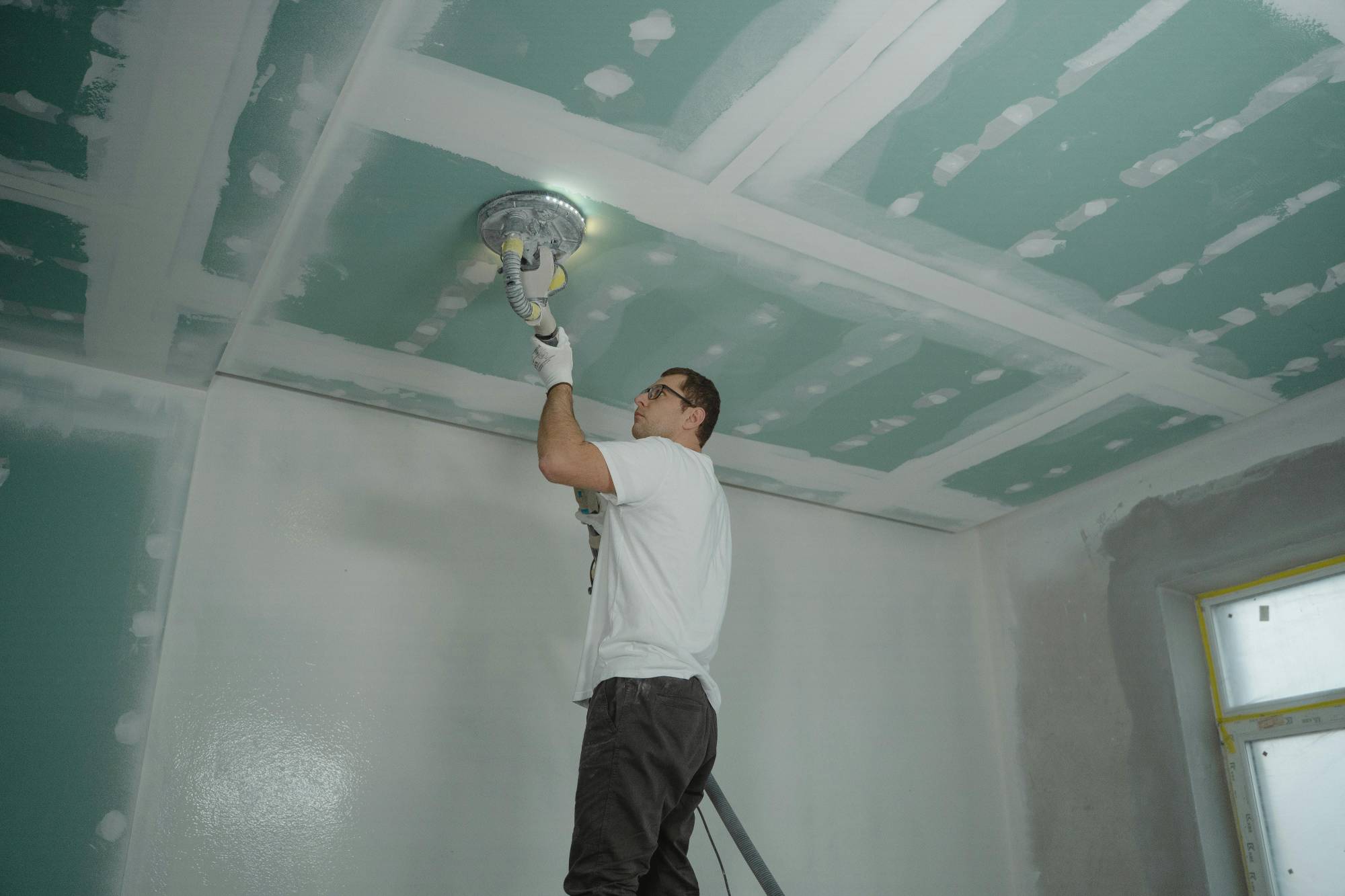
Restoring plaster in historic churches requires more than just patching damaged areas—it demands precision in matching the original materials, texture, and appearance. Properly executed historic church plaster repair preserves both the structure and aesthetic character of sacred spaces, ensuring that restorations remain true to the church’s original craftsmanship.
1. Analyzing the Original Plaster Composition
Every historic church was built with a unique blend of plaster, often made from lime, gypsum, sand, and other regional materials. Experts take small samples of the original plaster and analyze them to determine their composition and aging characteristics. By using compatible materials in sacred space plaster patching, professionals prevent chemical reactions that could weaken or discolor the repaired sections.
2. Custom Mixing for Seamless Color Matching
Plaster naturally changes color over time due to age, exposure to light, and environmental conditions. Specialists carefully mix pigments and binders to match the subtle variations in tone found in the existing plaster. Achieving a perfect match is crucial for decorative plaster repair in sacred spaces, ensuring that newly restored sections do not stand out from the original surfaces.
3. Recreating Historic Plaster Textures by Hand
Different churches feature distinct plaster textures, ranging from smooth polished surfaces to coarse, hand-applied finishes. Skilled artisans use traditional tools such as trowels, brushes, and sponges to replicate the original application techniques. This attention to detail is essential in restoring hand-carved plaster details in churches, where even the slightest texture difference can disrupt the visual harmony.
4. Matching Ornamental and Decorative Elements
In churches with elaborate moldings and sculpted reliefs, missing plaster sections must be recreated with extreme accuracy. Experts use molds taken from undamaged areas or hand-sculpt missing details to ensure a perfect match. Whether performing church ceiling plaster crack repair or restoring intricate motifs, professionals ensure that every repair respects the church’s historical artistry.
5. Using Breathable, Historically Accurate Finishes
Traditional plasters were made with breathable materials that allowed moisture to escape, preventing trapped condensation that could lead to damage. Experts avoid modern acrylic or synthetic coatings, instead applying lime washes or mineral-based paints that complement the original plaster’s properties. This technique not only enhances historic plaster stabilization techniques but also ensures that restored surfaces age naturally alongside the original structure.
How to Maintain Church Plaster for Longevity
Proper maintenance is key to preserving the intricate plasterwork found in historic churches, especially as religious construction spending reached $2.9 billion in 2023. Regular inspections, preventive measures, and professional intervention ensure that historic church plaster repair remains minimal, allowing these sacred spaces to stand the test of time.
1. Conducting Routine Inspections to Catch Early Damage
Plaster deterioration often starts with subtle warning signs, such as hairline cracks, small chips, or slight discoloration. Professionals recommend regular visual inspections of walls and ceilings, especially in areas prone to moisture or structural movement. With plastering costs ranging from $2,000 to $8,000 per room, early detection allows for minor sacred space plaster patching before damage spreads, preventing costly repairs in the future.
2. Controlling Indoor Climate to Prevent Cracking
Fluctuating temperature and humidity levels cause plaster to expand and contract, leading to cracks and separation from the lath. Churches should maintain stable indoor conditions by using dehumidifiers in humid climates and gentle heating methods in colder seasons. Proper climate control supports church ceiling plaster crack repair by minimizing the stress that leads to recurring fractures.
3. Protecting Plaster from Water Damage
Water intrusion is one of the most destructive forces affecting historic plaster, leading to softening, mold growth, and eventual collapse. Church administrators should routinely check roofs, gutters, and windows for leaks and address any issues immediately. Without proper moisture control, even the best historic plaster stabilization techniques will fail to protect the structure long-term.
4. Using Gentle Cleaning Methods to Preserve Plaster Surfaces
Dust, dirt, and soot can accumulate on plaster over time, dulling its appearance and causing gradual degradation. Professionals recommend dry dusting with soft brushes and using pH-neutral, non-abrasive cleaners when necessary. Harsh chemicals and scrubbing can weaken plaster, making decorative plaster repair in sacred spaces more frequent and costly.
5. Working with Restoration Experts for Periodic Maintenance
Even with the best preventive measures, historic church plaster requires professional care to ensure long-term durability. Experts can reinforce weakened areas, apply conservation-grade sealants, and provide guidance on proper upkeep. By investing in professional restoring hand-carved plaster details in churches, churches protect not only their architecture but also the history and craftsmanship embedded in their walls.
Frequently Asked Questions (FAQs)
Can modern plaster materials be used for historic church plaster repair?
Modern plaster materials, such as drywall compounds or cement-based plasters, are generally not suitable for historic churches because they lack breathability and flexibility. Traditional lime or gypsum plasters expand and contract with temperature changes, preventing cracking and detachment. Using historically accurate materials ensures the longevity of historic church plaster repair while maintaining the original aesthetic and structural integrity.
How do experts handle plaster restoration in churches with active congregations?
Restoration professionals carefully schedule historic church plaster repair to minimize disruptions to services and daily church activities. They use containment systems, dust control measures, and scaffolding designed for safety, allowing worship and events to continue whenever possible. Proper planning ensures that church ceiling plaster crack repair and other restoration work can be completed efficiently without affecting the sacred environment.
Does restoring plaster in historic churches require special permits?
Many historic churches are protected by preservation laws, requiring approval from local or national heritage organizations before restoration begins. Experts in decorative plaster repair in sacred spaces navigate these regulations by providing detailed restoration plans that adhere to preservation standards. Compliance with these guidelines ensures that repairs align with historical accuracy while preserving the church’s architectural heritage.
What role does structural reinforcement play in historic plaster restoration?
While plaster restoration focuses on surface repairs, underlying structural issues must also be addressed to prevent recurring damage. Experts may reinforce walls and ceilings with discreet mechanical fasteners, concealed mesh, or traditional lath systems to support historic plaster stabilization techniques. Strengthening the structure ensures that repaired plaster remains intact without future detachment or cracks.
Can historic church plaster be restored if large sections are missing?
Even when significant portions of plaster are lost, restoration is possible through traditional casting and hand-sculpting techniques. Experts recreate missing sections using molds taken from surviving details, ensuring a seamless match in restoring hand-carved plaster details in churches. This meticulous process allows even severely damaged sacred spaces to regain their original beauty and craftsmanship.
Restore the Beauty of Your Church with Artech Church Interiors, Inc.
Historic church plaster requires expert care, and Artech Church Interiors, Inc. specializes in preserving and restoring sacred spaces with precision and artistry. From church ceiling plaster crack repair to restoring hand-carved plaster details in churches, our team in NJ ensures every detail is historically accurate and structurally sound. With decades of experience, we blend traditional craftsmanship with modern conservation techniques to bring deteriorating plaster back to life.
Contact Artech Church Interiors, Inc. today to discuss your restoration needs in NJ!