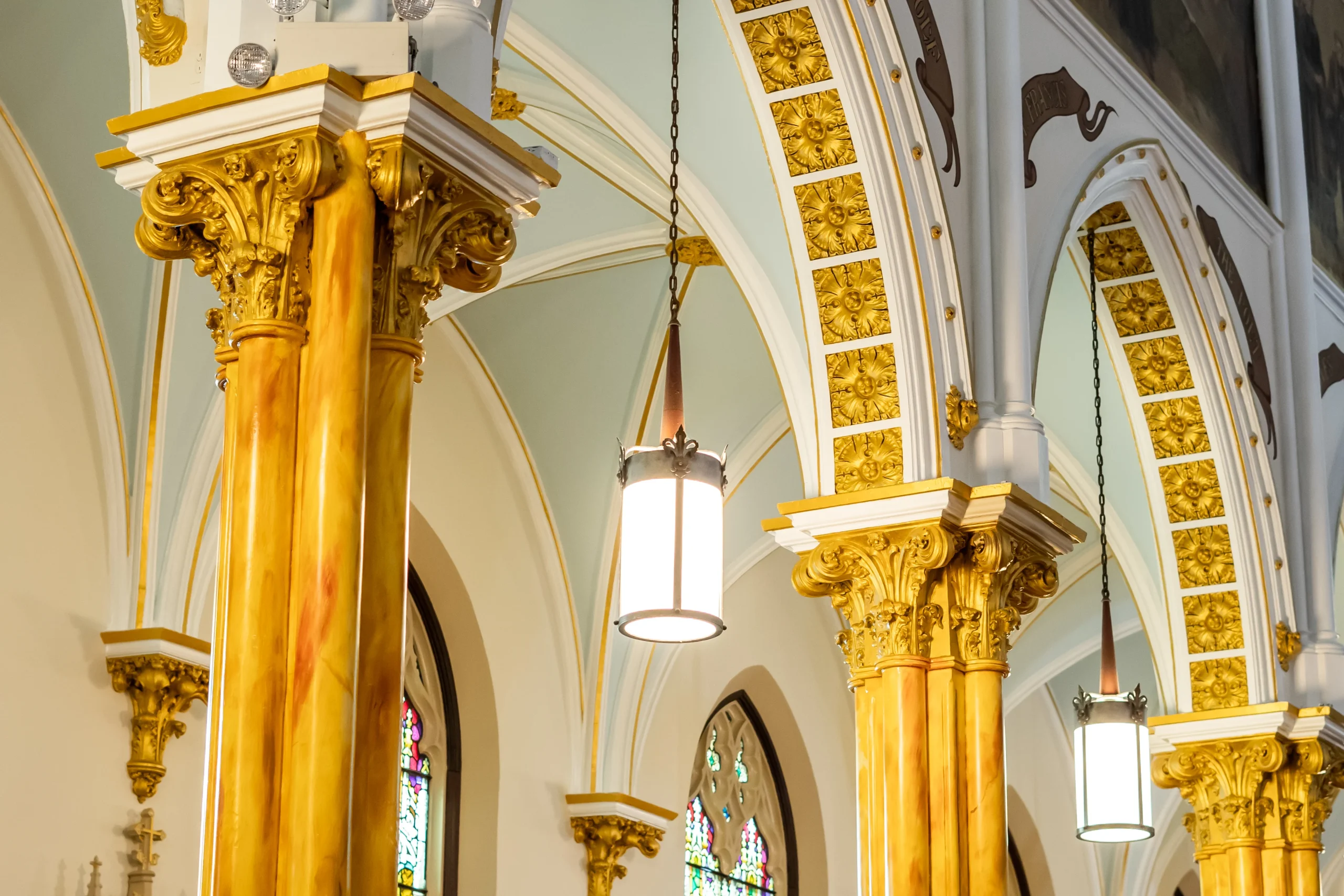
Lighting shapes the atmosphere of a church sanctuary. Beyond visibility, the right lighting creates a sense of reverence, highlights architectural beauty, and supports a meaningful worship experience. Today’s technology allows church leaders to blend tradition with innovation through smart, efficient, and visually compelling solutions.
Here are five modern lighting strategies every church leader should consider.
Key Takeaways✔ LED church lighting fixtures offer long-term energy savings and improved visibility. ✔ Layered lighting systems for sanctuaries create depth, warmth, and visual focus. ✔ Pendant lights for sanctuaries improve brightness and intimacy in tall spaces. ✔ Architectural lighting for churches enhances design details without overpowering them. ✔ Programmable lighting systems add flexibility for services, events, and livestreams. ✔ Professional installation ensures safety, performance, and compatibility with A/V setups. ✔ Regular maintenance of church sanctuary lighting fixtures preserves both function and beauty. |
5 Modern Lighting Strategies Church Leaders Should Consider
1. Upgrade to LED Church Lighting Fixtures
Modernizing a sanctuary starts with rethinking the foundation—lighting. LED church lighting fixtures offer efficiency, longevity, and improved visibility. They support a wide range of designs, making them ideal for both traditional and contemporary church settings.
How LED Fixtures Improve Efficiency and Lower Costs
- Lower Energy Consumption: LED church lighting fixtures use a fraction of the energy required by traditional incandescent or fluorescent bulbs. This translates into long-term savings for churches operating on tight budgets.
- Reduced Maintenance Needs: Unlike older fixtures that burn out quickly, LED systems can last tens of thousands of hours. Fewer replacements mean less disruption during worship and fewer maintenance costs over time.
- Dimming and Control Options: Many LED solutions come with dimming capabilities and programmable controls. This allows churches to create the right mood for each part of the service without needing multiple lighting systems.
2. Layer Lighting Systems for Sanctuaries
A thoughtful sanctuary lighting plan includes more than overhead fixtures. Layered lighting combines multiple sources to enhance visibility, highlight architectural elements, and set a welcoming tone for services.
Key Options for Layered Lighting Systems
- Ambient Lighting for General Illumination: Ambient lighting provides consistent brightness across the sanctuary, making it easier for attendees to navigate the space. Using soft, even church ceiling lights helps eliminate shadows and harsh contrasts that distract from the service.
- Accent Lighting to Highlight Key Features: Accent lights draw attention to focal points like the altar, pulpit, and stained glass. Architectural lighting for churches should highlight these elements subtly, adding depth and visual interest without overwhelming the space.
- Task Lighting for Specific Functions: Task lighting ensures clarity in high-activity areas such as the choir loft, reading stands, and tech booth. Adjustable lighting systems for sanctuaries can focus brightness where needed, supporting both performance and technical roles.
3. Use Pendant Lights for Sanctuaries with High Ceilings
In sanctuaries with tall, vaulted ceilings, pendant lights bring the light source closer to the congregation. This creates a more intimate atmosphere and helps maintain consistent lighting across the seating area.
How Pendant Lights Improve Comfort and Style in Large Spaces
- Enhanced Illumination at Lower Heights: Pendant lights for sanctuaries reduce the distance between the bulb and the audience. This improves brightness where it matters most—on people and seating—without over-lighting the ceiling.
- Visual Warmth and Design Balance: Hanging fixtures add character and help visually balance large vertical spaces. They can soften the scale of tall ceilings and make even expansive sanctuaries feel inviting and grounded.
- Compatibility with LED Church Lighting Fixtures: Many pendant light models now support energy-efficient LED options. This ensures churches can enjoy modern lighting benefits without sacrificing design preferences.
4. Integrate Architectural Lighting for Churches
Architectural lighting enhances the structure of the sanctuary, showcasing its design while supporting function. It brings attention to materials, symmetry, and historical features that define sacred spaces.
How Architectural Lighting Adds Meaning and Visual Harmony
- Highlighting Textures and Details: Uplights or wall grazers can bring out the texture of stone, wood, or brick. Architectural lighting for churches elevates the building’s craftsmanship while reinforcing its spiritual tone.
- Creating Depth with Shadow and Light: Strategic placement of light fixtures can create soft shadows that add visual depth. This interplay of light helps break up large surfaces and makes the space feel more dynamic.
- Supporting a Unified Aesthetic: When lighting complements the building’s architecture, it enhances the overall sanctuary experience. Matching church sanctuary lighting fixtures to design elements ensures a seamless blend of old and new.
5. Install Programmable Lighting Systems for Sanctuaries
Modern worship spaces often serve multiple purposes, from weekly services to weddings, concerts, and community events. Flexible lighting systems allow staff to adjust brightness, color, and focus with ease.
How Smart Controls Improve Functionality and Engagement
- Pre-Set Scenes for Different Services: Programmable lighting can store multiple scene settings tailored to various events. This simplifies setup and ensures consistent lighting every time the sanctuary is used.
- Wireless Control for Easy Management: With modern control systems, church staff can adjust lighting from a smartphone, tablet, or central panel. This convenience saves time and avoids the need for technical intervention before each event.
- Enhancing Live Stream and Media Output: Proper lighting improves video and photo quality during services or special events. With integrated LED church lighting fixtures and directional controls, camera feeds appear sharper and more professional.
How to Choose the Right Church Sanctuary Lighting Fixtures Based on Building Age
Older churches and newly built sanctuaries each present unique lighting challenges. Age affects everything from ceiling height to available wiring, and choosing the right solution requires more than just picking a modern fixture. Thoughtful planning—and working with experienced professionals—ensures that each church gets lighting that enhances both its beauty and function.
1. Understand Structural Limitations in Older Churches
Many historic churches were built before modern electrical systems were standard, which can restrict the placement of new fixtures. Heavy pendant lights for sanctuaries may need reinforced mounting points to avoid damaging original beams or plaster. Professionals can assess these constraints and recommend church sanctuary lighting fixtures that fit the space safely and effectively.
2. Match Fixtures to Architectural Style
Lighting should complement—not clash with—the building’s original design. Architectural lighting for churches can be selected in finishes and forms that echo stained glass, woodwork, or vaulted ceilings. For traditional sanctuaries, vintage-inspired LED church lighting fixtures can bring warmth without sacrificing energy efficiency.
3. Balance Modern Efficiency with Historic Preservation
Modernizing does not mean stripping away character. In older buildings, professionals often recommend discreet lighting systems for sanctuaries that deliver LED performance while preserving sacred atmosphere. Carefully placed church ceiling lights can illuminate key areas without overwhelming historic details.
4. Evaluate Ceiling Height and Fixture Type
The age of a church often determines its vertical scale, which affects fixture selection. Low ceilings may benefit from flush-mount church ceiling lights, while soaring ceilings allow for elegant pendant lights for sanctuaries. A lighting expert can calculate sightlines and spacing to ensure even coverage across the seating area.
5. Plan for Code Compliance and Wiring Upgrades
Building age can impact electrical safety and code compliance. Before installing new church sanctuary lighting fixtures, professionals should inspect wiring capacity, grounding, and control systems. This ensures that LED church lighting fixtures function properly without overloading older circuits.
6. Use Zoning to Adapt Historic Layouts for Modern Worship
Older sanctuaries may not have been designed with today’s multipurpose use in mind. Adding zoned lighting systems for sanctuaries helps define areas like the pulpit, choir loft, and overflow seating for different activities. Programmable zones also allow church leaders to control brightness levels without changing the character of the space.
7. Factor in Natural Light and Window Placement
The influence of natural light in older sanctuaries is often significant, thanks to large stained-glass windows or tall clerestory designs. In newer churches, windows may be fewer but strategically placed. Understanding how sunlight interacts with the space throughout the day helps in selecting church sanctuary lighting fixtures that complement, rather than compete with, natural illumination.
Coordinating Church Ceiling Lights with Sound and A/V Systems
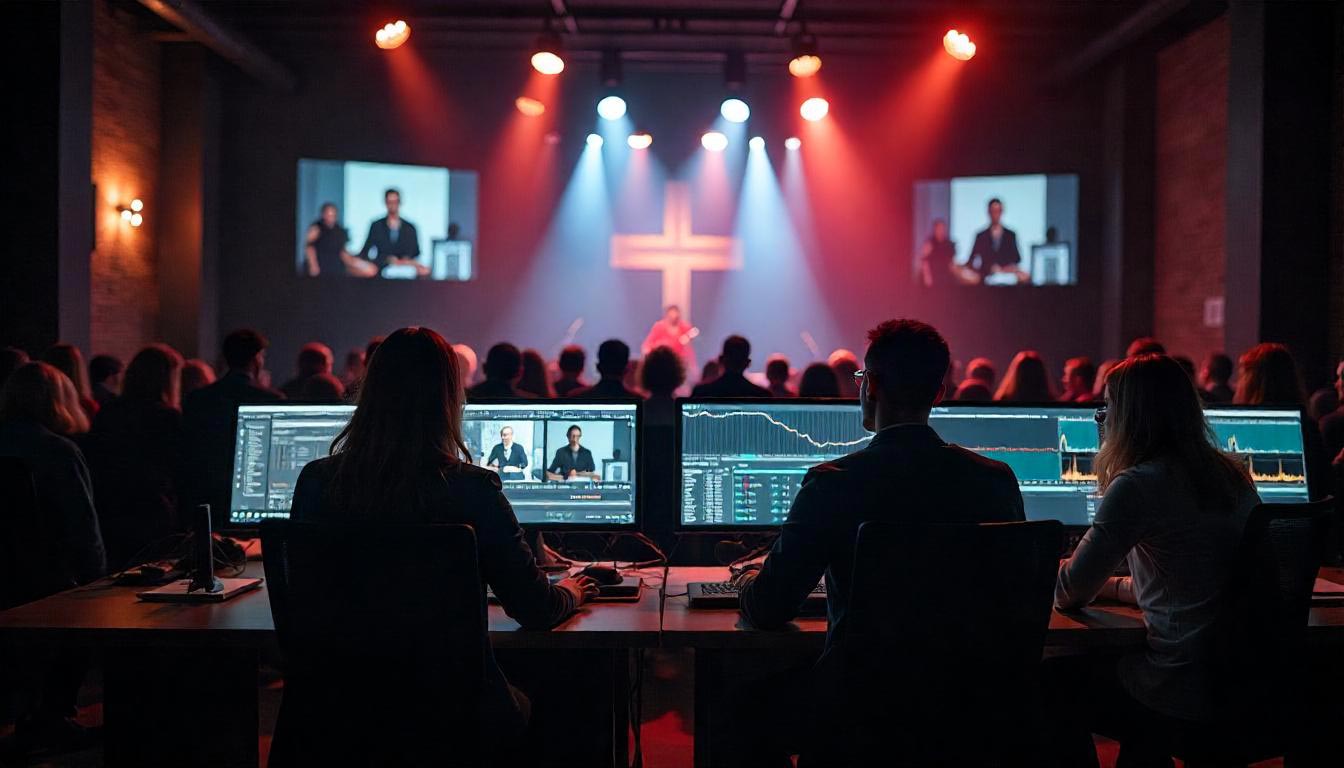
Today, 30% of U.S. adults attend religious services, where lighting, sound, and video now share the same stage in modern sanctuaries. When these elements aren’t in sync, distractions like screen glare, speaker shadows, or audio hum can occur—often due to poor lighting choices. By collaborating with professionals, church leaders can ensure that ceiling lights and sanctuary lighting systems support seamless technology integration.
1. Position Fixtures to Avoid Glare on Projection Screens
Strong direct light can wash out screens or reflect into the audience’s line of sight. Church ceiling lights should be placed to the sides or behind projection areas rather than directly above. Professionals can adjust beam angles or recommend LED church lighting fixtures with glare control features.
2. Minimize Light Spill on Camera Lenses
Video teams often battle with uncontrolled light bleeding into camera frames, which causes hazy or uneven shots. Using architectural lighting for churches with controlled beam spreads helps focus light on subjects rather than equipment. This creates sharper livestreams and recordings with minimal editing needed.
3. Prevent Shadows on Speakers and Musicians
Harsh overhead lighting can cast deep shadows on faces or podiums, especially when fixtures are spaced too far apart. Coordinated lighting systems for sanctuaries should combine front-facing accent lights with general church ceiling lights to maintain balanced coverage. A well-lit pulpit supports engagement for both in-person and virtual worshipers.
4. Ensure Lighting Doesn’t Interfere with Microphone Placement
Pendant lights for sanctuaries hung too low may obstruct microphone booms or ceiling-mounted audio equipment. Working with professionals helps identify fixture styles and heights that coexist well with mic arrays. Choosing compact, low-profile church sanctuary lighting fixtures ensures both systems operate freely.
5. Choose Fixtures That Don’t Emit Electrical Interference
Some outdated lighting fixtures generate electronic noise that can be picked up by microphones or speakers. Modern LED church lighting fixtures are built to meet interference standards and are tested for compatibility with sound systems. A professional installer can verify that all systems work harmoniously during setup.
6. Align Color Temperature with Video Standards
Video systems often require consistent color temperature for clear, natural skin tones and accurate background rendering. Using church sanctuary lighting fixtures with matched LED color temperatures prevents odd tints on screen and supports better camera calibration. Coordinating with A/V professionals during lighting selection makes this process seamless.
Maintaining and Cleaning Church Sanctuary Lighting Fixtures Safely
Religious construction spending reached $2.9 billion in 2023, reflecting continued investment in worship spaces. Regular maintenance is essential to keep these systems performing well and preserving the sanctuary’s beauty, especially as dust, heat, and daily use take their toll on hard-to-reach fixtures. With proper care and professional support, church lighting can remain efficient, safe, and visually consistent for years.
1. Schedule Routine Cleaning to Prevent Dust Buildup
Dust collects quickly on church ceiling lights and can dim their output by scattering light. In LED church lighting fixtures, buildup can also affect heat dissipation and shorten lifespan. Regular, gentle cleaning every few months helps maintain brightness and energy efficiency.
2. Use Proper Tools and Safety Equipment
Cleaning high-mounted pendant lights for sanctuaries requires secure ladders, lift systems, and safety harnesses. Professionals have the equipment and training to handle this work without damaging the fixtures or risking injury. Avoid using harsh chemicals that can stain or cloud lenses and trims.
3. Inspect for Flickering or Dimming Issues
Flickering lights may signal a loose connection or aging components inside the fixture. Lighting systems for sanctuaries should be tested periodically to catch issues before they interrupt a service. Professionals can safely access, diagnose, and repair church sanctuary lighting fixtures without disrupting the sanctuary layout.
4. Check Ventilation Around LED Church Lighting Fixtures
Heat buildup reduces the efficiency and life of LED components if air circulation is blocked. Dusty vents, crowded ceiling layouts, or enclosed fixtures can all restrict airflow. A lighting technician can inspect church ceiling lights to ensure proper ventilation and recommend adjustments if needed.
5. Replace Worn or Yellowed Lenses
Over time, lenses on architectural lighting for churches can discolor, reducing light quality and distorting color temperature. Replacing cloudy or cracked covers improves both appearance and performance. Professionals can match replacement parts to the original fixture design to maintain visual consistency.
6. Log Maintenance Activity for Long-Term Planning
Keeping a maintenance log helps track the lifespan of LED church lighting fixtures and anticipate when replacements or upgrades may be needed. It also helps identify recurring issues or patterns that could point to underlying electrical problems. This documentation supports budgeting and smooth coordination with facility teams and outside contractors.
Frequently Asked Questions (FAQs)
Brighten Worship Spaces with Artech Church Interiors, Inc.
Bring new life to sacred spaces with lighting solutions designed and installed by Artech Church Interiors, Inc., trusted by churches in CT for decades. Whether upgrading outdated church ceiling lights or integrating energy-efficient LED church lighting fixtures, our team understands the balance between reverence, beauty, and technology.
Partner with professionals in CT who know how to honor tradition while delivering lasting value. Contact us today!