
Key Takeaways
✔ Parapet walls protect both your roof and your congregation’s safety.
✔ Regular inspections can prevent expensive repairs and structural risks.
✔ Water damage and corrosion are the leading causes of parapet failure.
✔ Historic materials require traditional restoration methods for best results.
✔ Partnering with experienced church restoration companies preserves your building’s integrity for generations.
Table of Contents
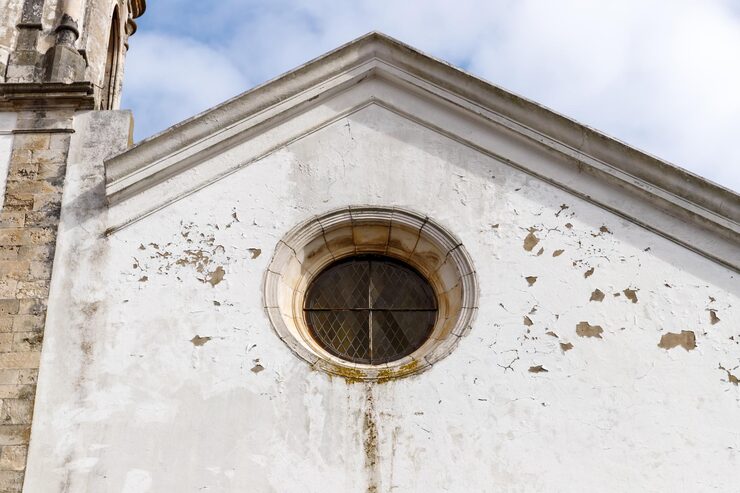
When your church’s historic architecture begins to show cracks—literally—it’s often the parapet wall sending the first warning. Understanding how parapet walls deteriorate and how expert restoration can save them is vital to preserving your church’s safety, structure, and sacred beauty.
A parapet may seem like a small architectural feature, but it plays a big role in protecting the roof, guiding rainwater, and maintaining the aesthetic character of a church. When parapet damage goes unchecked, it can lead to leaks, structural instability, and costly repairs.
That’s why churches in NYC trust professional church restoration companies, like Artech Church Interiors, to inspect, repair, and preserve these defining structures.
What Is a Parapet Wall and Why It Matters in Church Architecture
A parapet wall is the section of masonry or stone that extends above the roofline, serving as both a safety barrier and a weather shield. In many historic churches, parapet walls crown the building’s edges, adding both grandeur and function.
To put it simply, what is a parapet wall? It’s the architectural border that keeps roofs secure, prevents falls, and channels rainwater away from delicate roofing materials. According to the parapet wall definition, it also acts as a defensive barrier that enhances fire resistance and structural safety.
In church architecture, parapets are not just protective—they are deeply symbolic, echoing the fortress-like strength of faith and the endurance of tradition.
Pros and Cons of Parapet Walls
Advantages of Parapet Walls
- Enhanced Safety: Parapet walls act as protective barriers, preventing debris or roof materials from falling onto sidewalks or surrounding areas.
- Water Management: They help control rainwater runoff by directing it toward designated drainage systems, protecting the roof and walls below.
- Fire Resistance: In urban areas like NYC, parapet walls slow the spread of fire between adjacent buildings, a key reason they remain a code requirement in many structures.
- Architectural Character: In churches, parapet walls enhance visual appeal—adding height, ornamentation, and historical depth to the design.
- Structural Protection: They shield the roof edges from wind uplift and weathering, increasing the longevity of roofing materials.
Disadvantages of Parapet Walls
- Maintenance Demands: Because of their exposure, parapet walls require consistent upkeep to prevent cracking, leaks, and deterioration.
- Water Penetration Risks: Poorly installed or neglected parapets often allow water infiltration, leading to costly interior damage.
- Higher Repair Costs: Complex detailing and the need for historical accuracy in churches can make restoration more labor-intensive and expensive.
- Thermal Stress: Constant exposure to temperature changes causes expansion and contraction, increasing the risk of structural fatigue over time.
Despite these challenges, the aesthetic and functional value of parapet walls far outweighs the drawbacks—especially when regular maintenance and professional restoration are prioritized. For churches, a well-maintained parapet wall isn’t just an architectural feature—it’s a symbol of endurance and faith, standing guard over sacred spaces for centuries.
3 Types of Parapet Walls Found in Churches
1. Solid Parapet Walls
These are the most straightforward and functional type of parapet walls, designed primarily for protection. Built with solid masonry or stone, they form a continuous barrier along the roofline, shielding the structure from high winds and water runoff.
In church architecture, solid parapet walls often feature subtle moldings or coping stones for visual interest while maintaining a robust profile. Their strength and simplicity make them ideal for churches located in areas prone to harsh weather, as they provide both safety and durability without compromising the building’s aesthetic harmony.
2. Perforated or Decorative Parapets
Perforated parapets combine function with artistry, transforming practical walls into architectural focal points. Found predominantly in Gothic Revival or Victorian-era churches, these parapets showcase ornate designs such as arches, quatrefoils, or tracery patterns carved into stone or brickwork.
Beyond their beauty, these openings allow airflow while reducing structural weight. Decorative parapets often reflect the craftsmanship and symbolism of their time—each cutout or pattern representing faith, community, or sacred geometry. They contribute significantly to a church’s visual identity, especially when illuminated by natural light or set against stained-glass windows.
3. Embattled Parapets
Resembling the battlements of medieval castles, embattled parapets evoke strength, protection, and tradition. Characterized by their alternating raised and lowered sections (crenellations), these parapets were originally used for defense in fortress-like structures but later became a defining aesthetic in ecclesiastical architecture.
Many historic churches—particularly those influenced by English Gothic or Romanesque design—feature embattled parapets to convey a sense of permanence and fortitude. In religious contexts, they symbolize spiritual defense and resilience, standing as a powerful visual metaphor for faith’s enduring strength.
Together, these parapet styles showcase the blend of functionality and symbolism that defines church architecture—each type serving not only as a structural feature but as an artistic statement rooted in centuries of craftsmanship and devotion.
7 Common Parapet Damage Signs
1. Cracked or Spalling Masonry
The most common parapet issue in NYC’s historic churches is cracked masonry caused by temperature fluctuations and moisture. As water seeps in and freezes, the surface starts to spall—flaking or breaking off.
Church restoration companies tackle this by carefully repointing mortar joints, replacing damaged bricks or stones, and applying breathable sealants to prevent future freeze-thaw damage.
2. Deteriorated Coping Stones
Coping stones—those flat caps lining the top of a parapet—act like the roof’s umbrella. When they become loose or deteriorated, water seeps underneath, accelerating wall decay.
Experienced restoration specialists inspect and reset coping stones using traditional lime mortar and advanced waterproof membranes to ensure lasting protection while maintaining historical authenticity.
3. Water Infiltration and Leaks
Leaky parapets can lead to widespread damage inside a church. Faulty flashing, cracked mortar, or poor drainage can let rainwater travel into the roof structure and sanctuary walls.
Church restoration experts identify these hidden entry points and install durable flashing systems while resealing parapet joints—preventing future water intrusion and costly interior repairs.
Quick Facts: Parapet Maintenance for Churches
- Parapet walls are often the first line of defense against water intrusion.
- NYC’s freeze-thaw cycles accelerate parapet cracking and mortar erosion.
- Regular inspections every 2 years can extend roof life by up to 20 years.
- Poorly repaired parapets often fail within 5 years.
- Historic churches benefit most from lime-based restoration techniques that allow walls to breathe.
4. Efflorescence and Staining
White streaks or powdery salt deposits on parapet walls—known as efflorescence—are signs of trapped moisture. Over time, this can weaken mortar and stone surfaces.
Professional restoration companies clean efflorescence with low-pressure water and gentle chemical treatments, followed by protective coatings that repel moisture while allowing masonry to breathe.
5. Structural Instability or Bulging Walls
Bulging or leaning parapets pose serious safety risks for congregants and pedestrians. Often, this occurs when the masonry core deteriorates or internal anchors corrode.
Restoration specialists stabilize and rebuild unstable sections using concealed anchors, stainless-steel supports, and historically accurate materials to preserve both structure and appearance.
6. Metal Corrosion from Anchors or Flashing
Metal elements embedded within parapet walls—like anchors, ties, or flashing—can rust and expand, forcing the surrounding masonry to crack.
Church restoration companies carefully remove corroded metal, replace it with non-corrosive alternatives, and restore affected areas to their original strength and beauty.
7. Poor Previous Repairs or Modern Alterations
In many cases, the biggest threat to a historic parapet isn’t age—it’s incompatible repairs. Using hard modern cement instead of lime mortar or improper sealants can trap moisture, accelerating deterioration.
Skilled restoration experts reverse these issues by removing incorrect materials and applying traditional, historically appropriate techniques to ensure long-term stability and authenticity.
How Professional Church Restoration Companies Restore Parapet Walls
When churches partner with restoration experts, they gain more than just repairs—they preserve heritage. Restoration typically involves:
- Comprehensive Inspection: Assessing visible and hidden damage using moisture mapping and structural analysis.
- Material Matching: Sourcing historically compatible stone and mortar.
- Repair & Repointing: Rebuilding cracked or eroded areas while retaining the church’s original design.
- Waterproofing: Installing advanced flashing and weather barriers.
- Long-Term Maintenance Plans: Routine inspections and gentle cleanings to prevent future deterioration.

Why Churches in NYC Need Regular Parapet Maintenance
Weather Takes a Toll on Church Structures
New York City’s climate puts relentless pressure on church architecture. Freeze-thaw cycles, summer heat, and heavy rain continually expand and contract masonry, causing cracks, mortar loss, and water intrusion. Since parapet walls sit at the roof’s edge—the most exposed part of the building—they’re the first to show signs of weather-related wear. Left unchecked, this can compromise both the roof and the interior below.
Urban Pollution Accelerates Deterioration
Beyond weather, NYC’s air pollution, soot, and road salt worsen the damage. These contaminants cling to stone and brick surfaces, leading to corrosion, staining, and weakening of metal anchors inside the wall. For historic churches already aged by decades of exposure, this environment can quickly turn minor flaws into costly structural issues.
The Risks of Deferred Maintenance
When parapet cracks or mortar gaps go unrepaired, water seeps deep into the structure. This moisture can destroy interior finishes, warp wooden beams, and even threaten stained-glass windows. Neglecting small repairs often leads to large-scale restorations that are far more expensive and disruptive to worship activities.
How Routine Maintenance Protects Historic Churches
Regular parapet inspections—at least twice a year—help specialists catch problems early. Services like repointing mortar joints, resealing coping stones, and applying waterproof coatings protect the building’s longevity. Beyond structural safety, these measures preserve the historic beauty and spiritual atmosphere that define church architecture.
Preservation as a Mission
For NYC’s faith communities, parapet care isn’t just building maintenance—it’s stewardship. Consistent attention ensures that each church remains both structurally sound and spiritually enduring, safeguarding its architectural heritage for generations to come.
Frequently Asked Questions | Parapet Wall Damage & Church Restoration
What is a parapet wall, and why do churches have them?
A parapet wall is an extension above the roofline that enhances safety, channels water, and adds architectural beauty to the church’s design.
How can I tell if my church’s parapet wall is damaged?
Look for cracks, leaning sections, missing stones, or white salt stains—all early signs of water infiltration or instability.
Can parapet wall damage cause roof leaks?
Yes. Damaged parapet joints or flashing are among the most common causes of roof leaks in historic churches.
How do church restoration companies fix parapet damage?
They use specialized masonry techniques—repointing, stone replacement, and waterproofing—to restore both structure and appearance.
How often should parapet walls be inspected in NYC?
Every two years or after major weather events, ensuring early detection before costly issues develop.
Preserve Your Church’s Legacy with Parapet Restoration in NYC
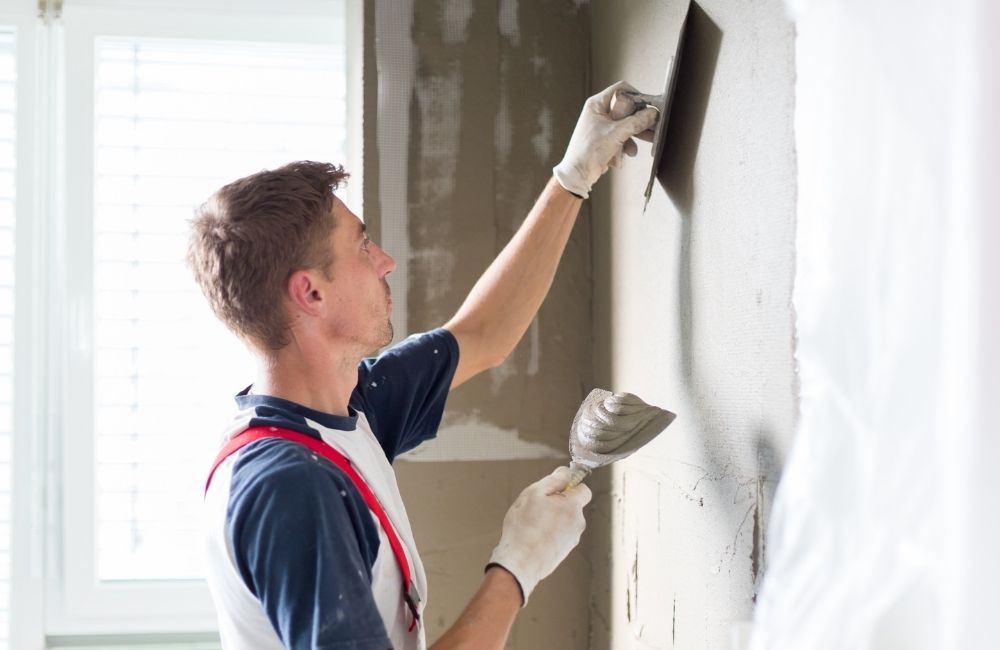
Every crack, bulge, or leak in a parapet wall tells a story—and left untreated, it can threaten your church’s structure and spirit. Restoring these walls requires expertise, reverence for history, and craftsmanship that honors sacred architecture.
Churches across NYC rely on dedicated restoration specialists like Artech Church Interiors to preserve their historic beauty, reinforce their structures, and ensure their faith-filled spaces stand strong for decades.
Schedule a professional parapet wall inspection today and take the first step in protecting your church’s enduring legacy.