
Table of Contents
Key Takeaways✔ A chapel chair is a worship-specific seat designed for comfort, durability, and flexible layouts, often used in place of traditional pews. ✔ Look for contoured backs, high-density foam, and lumbar support to ensure chapel chairs remain comfortable throughout long services. ✔ High-quality chairs feature strong frames, commercial-grade materials, and clear specs, including weight capacity and warranty. ✔ The 80/20 rule highlights that comfort and durability are the key decisions that impact most of the seating experience in a church setting. |
The right seating quietly shapes every service—comfort keeps people present, durability protects budgets, and design supports the worship atmosphere.
In any chapel or sanctuary, it’s often the feel of the room that people notice first—not the sound system or lights. Seating plays a major role in that. If chapel chairs are uncomfortable, people lose focus or avoid longer services.
If chairs church wear out fast, the room looks neglected, and replacements come too soon. And when the design clashes with the space, even the most beautiful altar can feel out of place.
Choosing the right seating isn’t just a facilities task—it’s about hospitality, stewardship, and long-term planning. This guide covers what matters most: comfort, durability, and design—so leaders can select chapel chairs that truly support their community.
What Exactly Is Meant by a Chapel Chair?
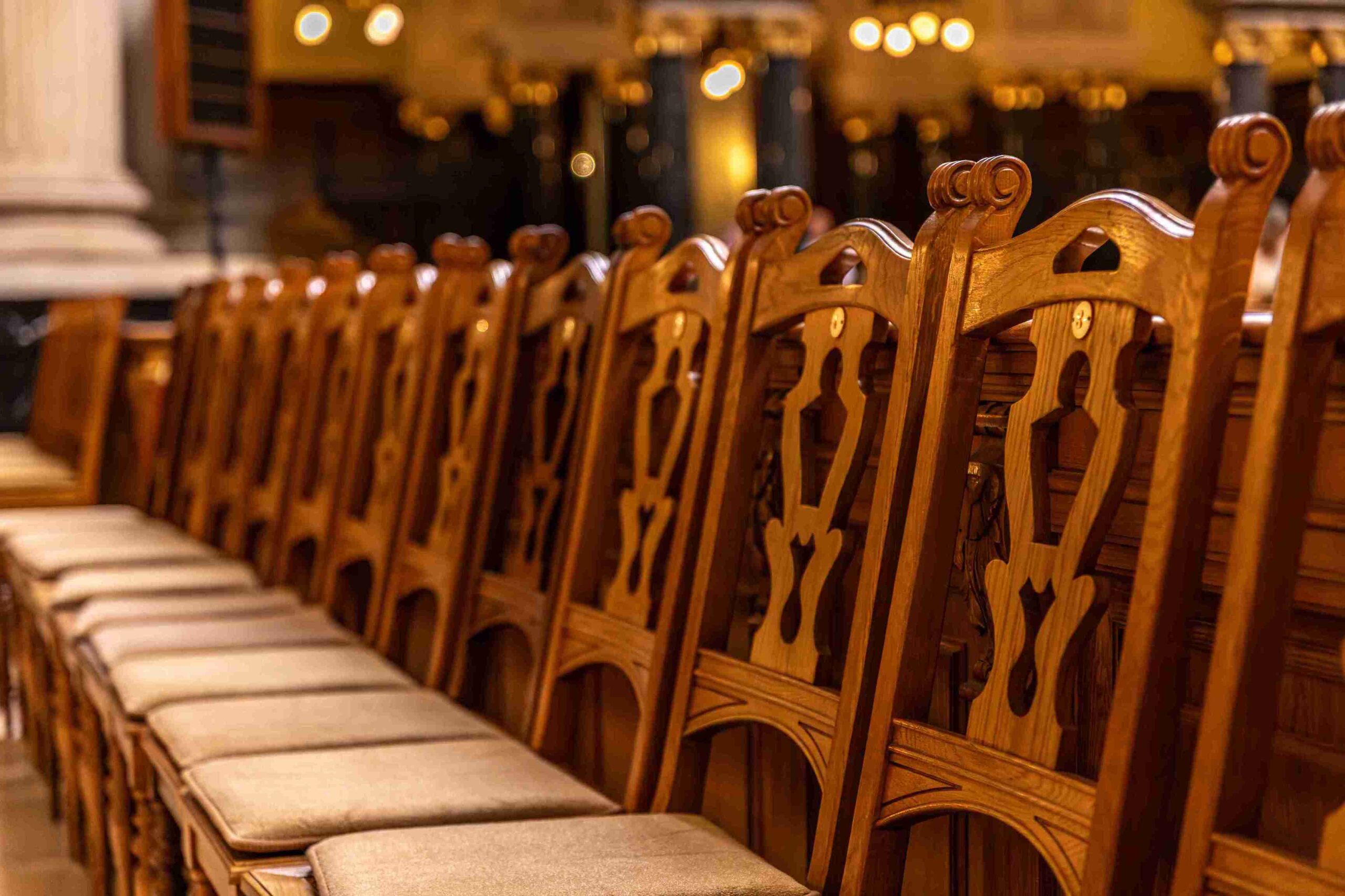
A chapel chair is an individual seat designed specifically for worship spaces. Unlike casual event seating, it’s built for people to sit comfortably through longer services, often week after week. Most models are made to be orderly in rows, easy to clean, and flexible enough for multi-use spaces.
In many churches, chapel chairs also replace pews in areas where leaders want more layout options or better accessibility.
Think of chapel chairs as the middle ground between fixed pews and temporary rental seating: a worship-focused solution that combines comfort, strength, and flexibility.
How to Choose Comfortable Chapel Chairs
1. Start With Your Chapel’s Real Needs (Before You Shop)
Before comparing prices, focus on how the space is used. The best chapel chairs meet the daily demands of the congregation.
Service length matters. A chapel chair with kneelers may feel fine for 20 minutes, but uncomfortable by the hour mark. For chapels hosting regular services, weddings, or classes, long-term comfort is key.
Consider the people, too. Older members need support, families prefer easy-clean fabrics, and growing churches benefit from seating that’s easy to rearrange.
Multi-use spaces need flexible solutions. Stackable church chairs and compact storage are essential. Many leaders upgrade seating alongside other projects, like pew refinishing, for a cohesive look.
Budget wisely. Cheap chairs often wear out fast. Prioritize long-term value over short-term savings.
2. Comfort — The Non-Negotiables for Long Services
Comfort is the first filter because it shapes the worship experience directly. When people are at ease, they can actually listen, pray, and participate.
Ergonomic Design
Ergonomics is a core part of how quality seating is designed and built, and it’s what keeps worship chairs comfortable over long services. Look for chapel chairs with kneelers that also have a contoured back that supports the lower spine and upper shoulders, plus a seat with a slight center dip to reduce pressure. These details help congregants sit longer with less fatigue.
Supportive Cushioning
Soft isn’t always better. The key is high-density foam that stays supportive year after year. Low-quality foam “bottoms out,” meaning it compresses to the frame, leaving congregants sitting on something that feels hard and flat. Chairs should feel firm but welcoming—comfortable in the moment and still stable after hundreds of uses.
Lumbar Support
Services often run an hour or more, and people naturally relax into the chair. Without lumbar support, that relaxation becomes slouching, which leads to back strain. Quality chairs keep the spine aligned without forcing a stiff posture.
Test Chairs in Person if Possible
If there’s an opportunity to try chairs before buying, leaders should sit in several models. A five-minute test reveals more than a quick sit-down. If buying online, request a sample chair or ask for foam specs and warranty details so there are no surprises.
Comfort tip: In many spaces, mixing chapel chairs with kneelers works well. For example, padded aisle chairs may offer extra support for older members, while interior rows use the same model without arms.
3. Durability — Buying Once Instead of Replacing Every Few Years
Once comfort is covered, durability protects the budget and the look of the chapel.
Frame Construction
Durable wooden church chairs usually start with steel. A heavy-gauge steel frame—around 16-gauge—is a safe benchmark. Thicker steel resists wobble, supports more weight, and survives weekly stacking or moving.
Leaders comparing chairs, church suppliers often notice that frame specs are one of the clearest quality signals. If a seller doesn’t list a steel gauge, that’s a red flag.
Frame Finish
Powder coating matters. It holds up far better than regular paint against scratches and scuffs. That’s crucial in spaces where chairs are frequently stored, rolled, or bumped during setup.
Commercial-Grade Materials
Upholstery should be made for constant use. Commercial-grade fabric or vinyl resists tearing, staining, and fading. This is especially important in chapels used for weddings, funerals, youth events, or community dinners.
Weight Capacity
Reputable chairs list weight ratings. Leaders should choose a chair with a capacity that comfortably covers the congregation and visitors. Strong weight ratings also tend to correlate with better overall construction.
Durability also connects to broader sanctuary upkeep. If a church is already investing in flooring, lighting, or pew refinishing, going with low-grade wooden church chairs would undercut the whole upgrade. A coordinated approach keeps the room consistent in quality.
4. Design and Flexibility — Fit the Space and the Spirit of the Room
Comfort and strength keep people sitting. Design helps the room feel unified and intentional.
Aesthetics
Church wooden chairs should match the sanctuary’s style. Traditional chapels often work well with warm tones and classic lines. Modern worship spaces lean into neutrals or sleek upholstery. Color should support the existing palette—walls, carpet, stage finishes, and lighting. Styles like wooden church chairs can add warmth and tradition, especially in sanctuaries that want a timeless feel.
Stackability
Stackable chairs are a huge gift in multi-purpose spaces. A chair that stacks safely and smoothly reduces setup time and protects floors. Leaders should check the recommended stacking height and make sure the chair has bumpers or glides that prevent frame damage.
Linking Systems
Many wooden church chairs connect into stable rows. This helps create a clean, pew-like layout, keeps aisles straight, and adds safety during crowded services. Linking also helps chairs feel more permanent, even though they remain movable.
Arms vs. Armless
Armed chairs boost comfort, especially for older congregants, but they use more space. Armless chairs seat more people per row and are easier to store. Some chapels compromise by putting arms only on aisle seats.
How Can You Determine Whether a Chair Is Made With High Quality?
Quality shows up in both specs and feel. Here’s how leaders can quickly tell the difference.
Check the specs first:
- Steel gauge listed (around 16-gauge or thicker)
- Foam density and thickness
- Commercial upholstery rating
- Published weight capacity
- Warranty length
A supplier confident in their product won’t hide these details. People shopping for church chairs wooden styles should still ask for the same specs—wood design is beautiful, but construction quality matters just as much.
Look at the construction:
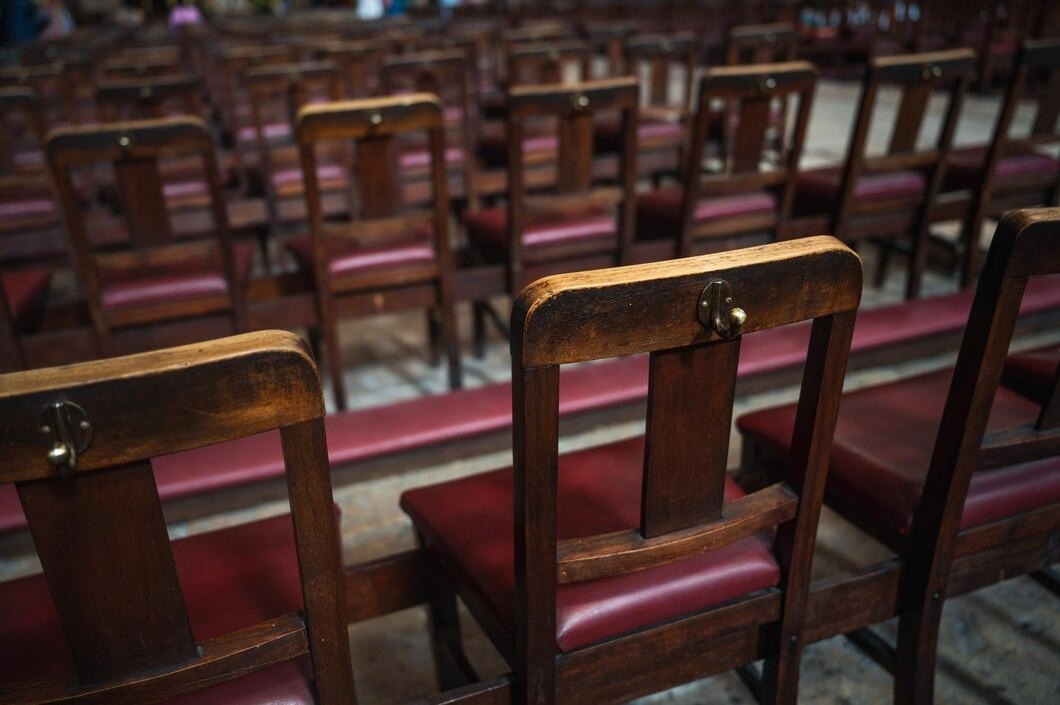
- Welds should be clean and even.
- The chair shouldn’t wobble when gently rocked.
- Upholstery seams should be tight, straight, and uniform.
- Feet should sit level, with glides that protect floors.
Ask smart supplier questions:
- What does the warranty cover—frame, foam, fabric?
- Are replacement parts available?
- How should the chair be cleaned?
- Is the upholstery fire-rated for public spaces?
High-quality chairs feel stable, sound solid, and come with clear documentation. If a seller is vague, that uncertainty is usually the answer.
What Does the 80/20 Rule Mean
The 80/20 rule says that roughly 20% of decisions drive 80% of results. For churches, that’s a useful lens for stewardship.
When it comes to seating, comfort and durability are the “20%” choices that shape most of the experience. A chair can be the perfect color, but if people are uncomfortable or frames fail early, the seating project has already missed the point.
The 80/20 lens helps leaders prioritize:
- comfort for attention and hospitality
- durability for stewardship and safety
- design last, as long as it supports the room
In other words, spend the most energy on what will matter every Sunday.
Frequently Asked Questions
What’s a simple way to estimate a realistic seating budget?
A practical approach is to start with the number of seats needed and then add a cushion for shipping, storage equipment, and future replacements. Many leaders also factor in total cost of ownership, not just upfront price. Spending slightly more upfront can reduce repair and replacement costs later. Budgeting with a multi‑year view usually leads to better long‑term outcomes.
How can a church balance tradition with a more flexible seating plan?
Many congregations keep a traditional feel by choosing classic finishes, warm colors, or kneeler options while still using movable chairs. Layout choices such as straight rows, center aisles, and consistent spacing also reinforce a familiar worship atmosphere. Flexibility doesn’t require sacrificing reverence; it just means the room can adapt when needed. The goal is to preserve the worship experience while making the space more usable.
What’s the best way to plan chair layout for a growing congregation?
Many churches plan for current attendance plus a realistic growth margin instead of buying only for today’s numbers. Using chairs that are easy to link or add in overflow areas helps keep expansion smooth. It also helps to map aisles and entry points so traffic stays safe as attendance rises. A flexible plan prevents having to redo the layout every year.
What’s a practical cleaning routine for keeping chairs looking new?
Most churches use a simple weekly wipe-down for high-touch areas and a deeper clean on a seasonal schedule. The right routine depends on fabric type, so following manufacturer guidance matters. Spot-cleaning small stains quickly prevents long-term discoloration. A steady maintenance habit keeps the room looking cared for—just like consistent pew refinishing keeps woodwork looking sharp, regular chair care preserves both appearance and longevity.
What signs show it might be time to replace older seating?
Chairs that wobble, creak, sag, or show persistent upholstery damage usually signal they’re past their prime. If congregants regularly shift or avoid certain sections, comfort may be failing too. Visible wear can also make a sanctuary look dated even after other upgrades. Replacing seating before safety becomes an issue is often the wisest choice.
Book Chapel Chair Installation in Boston Through Artech Church Interiors, Inc.!
Worship spaces across Boston benefit from chapel seating solutions that blend lasting comfort with thoughtful design. Artech Church Interiors, Inc. offers trusted service and installation for churches in Boston, helping leaders choose seating that reflects their sanctuary’s style while holding up to weekly use. Whether adding new chapel chairs or updating an interior alongside pew refinishing, Artech brings decades of experience to every project in Boston.
Contact Artech Church Interiors, Inc. today to schedule a consultation and receive a custom quote.