
Table of Contents
Key Takeaways✔ Solid hardwood pews with strong joinery are often ideal candidates for long-lasting restoration rather than replacement. ✔ Pew repair and pew upholstery typically cost significantly less than purchasing new seating while preserving the sanctuary’s character. ✔ Poorly constructed pews made from veneer or particleboard usually require replacement for safety and long-term reliability. ✔ Congregational comfort, accessibility needs, and worship style should guide seating decisions as much as appearance. ✔ Comparing restoration estimates with the average cost of church pews helps churches make financially responsible, informed choices. |
Deciding between church pew repair and replacement involves assessing structural integrity (solid wood vs. veneer/particleboard), historical/design value (are they original?), cost-effectiveness (repair often cheaper but replacement can update aesthetics/comfort), congregation needs (accessibility, padding), and the extent of damage (minor fixes vs. major rebuilds), with solid, older pews favoring restoration while modern, cheaper builds often need replacement for longevity and modern function.
When Repair or Restoration Makes the Most Sense
In many churches, existing pews still have years of usable life. When craftsmanship, history, and structure are intact, restoration is often the most practical and responsible choice.
Quality Materials and Craftsmanship
Solid hardwood pews with strong joinery were built to endure decades of use. Professional pew repair can restore stability, correct movement, and reinforce aging joints. Well-built wooden pews typically respond better to restoration than modern budget seating and often perform as well as new once repaired.
Historical and Architectural Value
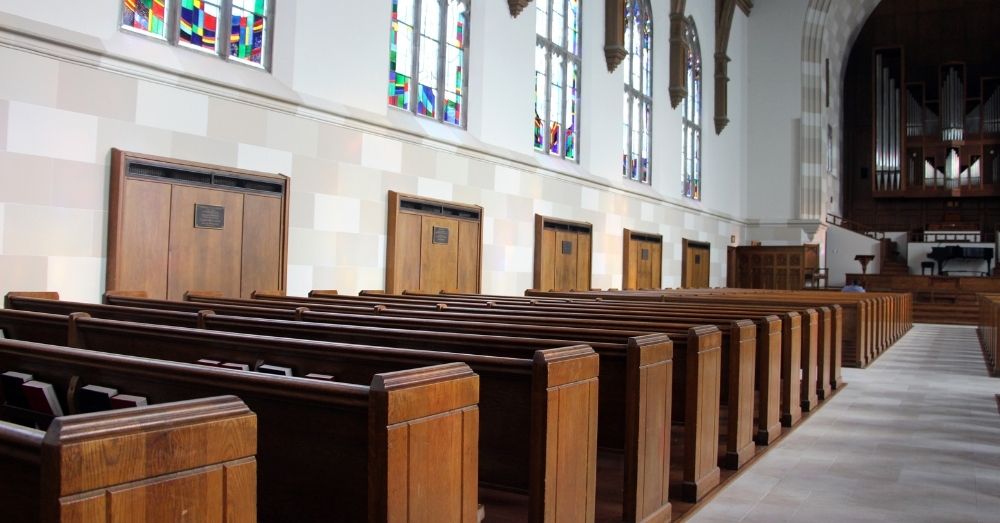
Original pews often play a key role in a sanctuary’s design. Their wood, finish, and profile complement architectural features such as stained glass and altars. Updating finishes and pew upholstery improves comfort while preserving the visual and historical integrity of the space, which is especially important in traditional or historic churches.
Moderate Wear and Tear
Common issues like worn upholstery, faded finishes, loose joints, or minor cracks do not necessarily require replacement. These concerns are usually addressed through refinishing, reupholstering, and hardware tightening. Pew upholstery upgrades alone can significantly enhance comfort and appearance without altering the seating layout.
Cost Advantages
Restoration is typically far more affordable than replacement. When comparing the cost of church pews, refinishing and reupholstering often represent a fraction of the average cost of church pews purchased new. For budget-conscious churches, restoration offers strong value and effective stewardship.
When Replacement Is the Better Long-Term Choice
While restoration is effective in many cases, replacement may be the wiser option when existing pews no longer meet structural or functional needs.
Poor Construction or Short Lifespan
Pews made from particleboard or veneer over low-grade wood lack long-term durability. In these cases, pew repair often provides only temporary improvement, making replacement the more reliable solution.
Severe Structural Damage
Rot, deep cracking, or widespread instability compromise safety and cannot be corrected economically. When the frame is failing, replacement becomes the safest and most cost-effective option.
Need for Modern Upgrades
Churches requiring accessibility improvements, built-in electrical access, wider aisles, or flexible seating layouts may find restoration limiting. Replacement allows for greater adaptability and updated functionality.
Repair Costs Near Replacement Pricing
If restoration costs approach church pews cost for new seating, replacement offers better long-term value. Understanding how much do church pews cost helps churches compare options realistically and avoid investing in seating that will not last.
Key Decision Factors to Evaluate On-Site
Inspect Thoroughly
A proper inspection looks beyond appearances. Solid wood condition, seat stability, padding contact, and joint integrity all matter. A pew that looks worn may still have decades of life left with the right pew repair approach.
Assess Congregational Use
Seating should reflect how the space is used. Churches with long services, active children’s programs, or aging congregations benefit greatly from improved padding and ergonomics through pew upholstery. Comfort influences attention, participation, and overall experience.
Budget Realistically
Understanding how much do church pews cost is critical. Leaders should request detailed quotes for both repair and replacement, including removal, refinishing, upholstery, and installation. Comparing these numbers against the average cost of church pews helps avoid surprises and supports informed decision making.
Preserve History vs. Modernize
Some congregations value tradition deeply, while others prioritize adaptability. There is no universal right answer. The best choice balances reverence for the past with hospitality for current and future members.
How Long Do Church Pews Usually Last?
Lifespan varies widely based on materials and maintenance. Solid hardwood pews commonly last 75 to 100 years or more, especially when periodic pew repair is performed. Mid-grade wood pews may last 30 to 50 years with proper care.
Lower-quality pews constructed from particleboard or veneer often reach the end of their useful life within 15 to 25 years. Environmental factors such as humidity, temperature fluctuations, and frequency of use also play a role.
Churches that invest in routine maintenance and occasional pew upholstery updates often extend seating life far beyond initial expectations.
What Is the Typical Cost to Reupholster a Church Pew?
The cost of pew upholstery depends on fabric choice, foam quality, pew length, and labor logistics. Reupholstering typically costs far less than replacement while delivering immediate comfort and visual upgrades, which matters since 58% of churches have deferred maintenance on their facilities due to a lack of funds.
When evaluating options, comparing upholstery estimates to the average cost of church pews purchased new helps guide a realistic decision. Reupholstery also refreshes a sanctuary without changing its layout or character.
What Can You Repurpose Old Church Pews Into?
When a church chooses replacement, the existing pews can still be put to good use. Repurposing reflects stewardship, reduces waste, and can help offset the cost of church pews by extending the value of materials already owned.
Reusing pew wood also supports environmental goals by lowering landfill waste and reducing carbon impact while conserving natural resources. In many cases, reuse is more cost-effective than purchasing new lumber and can add a rustic, vintage character that many congregations and communities appreciate.
Entryway or Narthex Benches
Shortened pew sections make sturdy benches for entry areas where people gather before and after services. A little pew repair or refinishing often brings them back to life.
Fellowship Hall and Overflow Seating
Repurposed pews work well in fellowship halls, classrooms, or overflow spaces. If comfort is a concern, simple pew upholstery updates can help without approaching the average cost of church pews bought new.
Outdoor Memorial or Garden Benches
Old pews can become outdoor benches for prayer gardens or memorial areas. With proper sealing and finish work, they keep the church’s history visible in a meaningful way.
Donation to Churches or Community Groups
If the pews are still usable, donating them can support smaller congregations or nonprofits while reducing disposal costs. That can matter when evaluating how much church pews cost overall for a project.
Custom Furniture Projects
Pew wood is often reused for choir benches, classroom seating, or built-in pieces. Even partial pew sections can be repurposed into practical furnishings that still feel connected to the sanctuary.
Expert Tips for Making the Right Decision
Choosing between restoration and replacement is easier when decisions are based on inspection, real numbers, and how the space is actually used.
Start With a Hands-On Evaluation
A quick visual check is not enough. The best first step is testing stability, joinery, and wood condition to see whether pew repair will deliver long-term results or only a temporary fix.
Price Both Options Side by Side
Churches should request detailed quotes for restoration and new seating, including labor, removal, and installation. Clear pricing helps compare the cost of church pews against restoration, especially when leadership needs to understand how much do church pews cost for the size of the sanctuary.
Prioritize Comfort and Accessibility
If comfort or mobility is a concern, upgrades like pew upholstery can make a major difference without changing the sanctuary layout. When accessibility changes require wider aisles or flexible seating, replacement may be the more practical route.
Choose Materials That Hold Up Over Time
Fabric quality, foam density, and wood construction all impact longevity. Investing in durable materials helps avoid repeat work and keeps the average cost of church pews lower over the long run.
Work With Specialists in Church Seating
Church pews have unique structural demands. Contractors experienced in pew repair and upholstery are more likely to spot hidden issues, recommend the right approach, and deliver results that match the sanctuary’s style and budget.
Frequently Asked Questions (FAQs)
Can church pews be repaired without removing them from the sanctuary?
In some cases, minor pew repair can be completed on site, especially when addressing loose hardware, small stability issues, or surface wear. More involved work like structural reinforcement or pew upholstery typically requires removal for proper results. A professional assessment helps determine what can be handled in place versus off site. Minimizing removal can reduce downtime but should not compromise quality.
How often should church pews be inspected for safety issues?
Church pews should be visually checked annually and thoroughly inspected every few years. High use sanctuaries or older seating may benefit from more frequent evaluations. Regular inspections help identify early signs of wear that can be resolved through pew repair before they become larger problems. Preventive attention often extends the life of the seating.
Does reupholstering church pews affect acoustics?
Pew upholstery can slightly alter sound absorption, especially in large sanctuaries. In most cases, the change is minimal and often improves overall comfort without negatively impacting acoustics. Fabric selection and foam density can be adjusted if sound is a concern. Churches with strong acoustic requirements may want to discuss options with specialists.
Are there fabric options designed specifically for church pew upholstery?
Yes, many upholstery fabrics are designed for heavy use, stain resistance, and easy cleaning in worship spaces. These materials are selected to withstand frequent seating while maintaining appearance over time. Choosing the right fabric helps protect the investment and keeps maintenance manageable. A specialist can recommend options suited for long services and varied congregations.
Can repaired pews meet modern accessibility expectations?
Restored pews can often be adapted to meet accessibility needs, depending on layout and structure. Adjustments such as modified spacing, selective pew removal, or improved padding may be possible. However, extensive accessibility changes may still require partial replacement. Each sanctuary layout presents different limitations and opportunities.
Plan the Right Pew Solution for a NYC Sanctuary
Church pew decisions deserve experienced guidance rooted in craftsmanship, budget awareness, and respect for the sanctuary’s purpose. Artech Church Interiors, Inc. supports churches throughout NYC with expert evaluations, honest recommendations, and solutions that balance pew repair, pew upholstery, and replacement based on real conditions rather than assumptions. From historic congregations to growing ministries across NYC, every project is approached with care for longevity, comfort, and responsible stewardship, helping leadership make confident choices that serve the congregation well today and into the future.
Connect with Artech Church Interiors, Inc. today to schedule a consultation and start planning the right seating solution for a NYC church!