
Key Takeaways✔ Stained glass colors in churches carry long-standing symbolic meanings rooted in theology, tradition, and biblical storytelling. ✔ Color choices influence how light, mood, and imagery are experienced throughout a sanctuary. ✔ Effective stained glass design balances symbolism with visibility, architecture, and natural lighting conditions. ✔ Coordinating stained glass colors with interior elements such as seating and finishes supports visual cohesion. ✔Thoughtful planning helps stained glass windows remain meaningful, legible, and visually balanced over time. |
Table of Contents
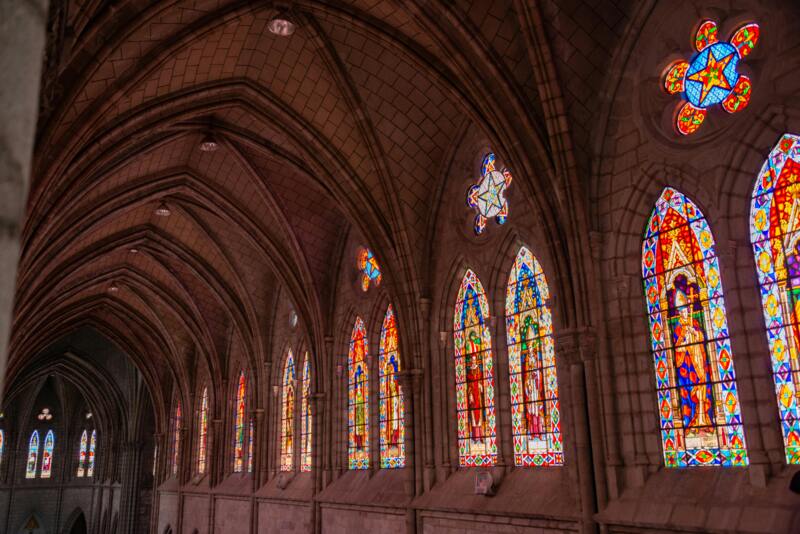
Stained glass colors traditionally symbolize specific theological and emotional concepts rooted in Scripture, liturgy, and centuries of church tradition. Each color carries meaning, and when light passes through stained glass windows, those meanings are amplified visually. Churches have historically used these colors intentionally to communicate doctrine, reinforce biblical stories, and guide reflection during worship.
Here are some of the most common traditional color meanings found in church stained glass windows.
Traditional Stained Glass Color Meanings
Red: Sacrifice, Love, and Martyrdom
Red traditionally represents the blood of Christ, martyrdom, and intense divine love. It is commonly used in Passion scenes, depictions of saints who suffered persecution, and moments emphasizing sacrifice. In stained glass windows, red draws immediate attention and conveys emotional intensity.
Blue: Heaven, Faith, and the Virgin Mary
Blue symbolizes heaven, sincerity, and spiritual devotion, and it is closely associated with the Virgin Mary. Historically, blue pigments were costly, reinforcing their association with holiness and reverence. Churches often use blue backgrounds to create a sense of calm and transcendence.
Green: Life, Rebirth, and Eternity
Green represents life, renewal, growth, and resurrection. It is frequently used in scenes related to Christ’s ministry, resurrection themes, and the promise of eternal life. In stained glass windows, green also helps balance stronger colors visually.
Yellow and Gold: Divinity, Glory, and Power
Yellow and gold symbolize divine light, glory, and the presence of God. These colors are often used in halos, heavenly scenes, and representations of Christ in majesty. In some contexts, yellow can also represent betrayal, most notably in depictions of Judas.
Violet and Purple: Suffering, Truth, and Royalty
Purple and violet are associated with suffering, penitence, and truth, as well as royalty and authority. These colors appear frequently in scenes related to Lent, Passion narratives, and Christ’s kingship. They are also tied to liturgical seasons.
White: Purity, Innocence, and God
White symbolizes purity, innocence, resurrection, and divine presence. It is commonly used for angels, resurrection scenes, and depictions of God’s glory. In stained glass windows, white also allows light to pass through more clearly, brightening interiors.
Dark and Neutral Colors: Mortality and Humility
Black represents death and regeneration, while gray symbolizes humility and mourning. Brown often signifies renunciation of worldly life and spiritual humility. These tones are used sparingly to provide contrast and narrative depth rather than dominate a scene.
How Color Shapes Mood and Emotion
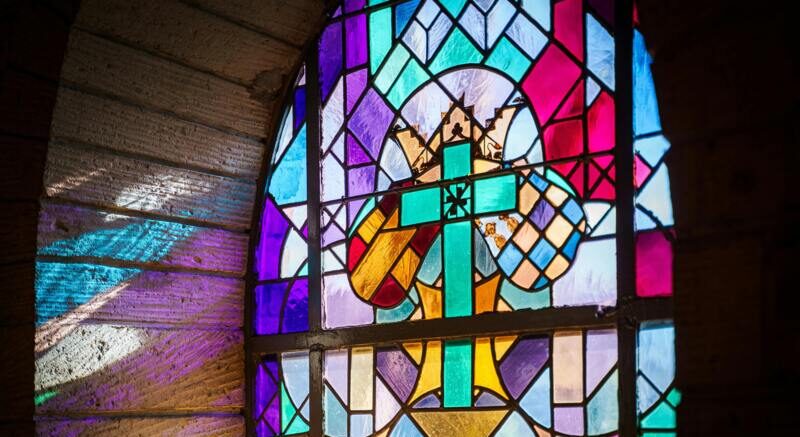
Color can strongly influence mood and emotional response. This is more than personal preference; research in color psychology suggests different hues can trigger different feelings and reactions. When those colors are filtered through stained glass and projected into a room as colored light, the emotional effect can feel even more noticeable.Red: Warmth and Energy
Red is commonly linked to warmth, passion, and intensity. In stained glass, red light can make a space feel more active and stimulating, which can add vibrancy where energy and engagement are desired.Blue: Calm and Serenity
Blue is often associated with the sky and water, and many people perceive it as calming. Blue-toned stained glass can soften a room’s atmosphere and create a quieter, more reflective feel.Green: Harmony and Balance
Green is connected to nature and is frequently described as restorative. Green stained glass can create a sense of steadiness and balance, supporting a grounded, peaceful environment.Yellow: Cheerfulness and Optimism
Yellow is highly visible and frequently linked to brightness and positivity. Yellow stained glass can add warmth and an uplifting tone, helping a space feel lighter and more open.Factors That Influence Stained Glass Color Choices in Churches
Several practical and symbolic factors shape how churches choose colors for stained glass windows. Beyond tradition, churches must consider how color interacts with light, architecture, and the worship experience. Thoughtful color selection helps stained glass windows remain meaningful and visually balanced for decades.
Natural Light and Window Orientation
Sunlight direction and intensity affect how colors appear at different times of day and across seasons. Churches with strong southern or western exposure often adjust color saturation to avoid glare or excessive darkness.
Visibility from Seating Areas
Colors must remain clear and legible from various distances and angles within the sanctuary. Poor contrast can make detailed imagery difficult to read from the pews.
Architectural Style and Interior Finishes
Stained glass colors should complement wall materials, ceiling height, and overall architectural style. Coordination becomes especially important when projects overlap with church pew refurbishing or other interior updates.
Liturgical and Denominational Traditions
Many churches follow established color symbolism tied to specific seasons or theological themes. Respecting these traditions helps ensure stained glass windows communicate meaning clearly to the congregation.
How to Select Stained Glass Colors for Your Church
Choosing colors for stained glass windows is easier when you follow a clear process that balances symbolism, visibility, and the realities of your worship space.
Step 1: Identify the biblical or theological theme
Start by defining the message the window should communicate, such as sacrifice, resurrection, covenant, or sainthood. This helps narrow color choices to those that reinforce the story or doctrine.
Step 2: Evaluate how natural light enters the space
Observe how light changes across morning, midday, and late afternoon, since color intensity shifts with sun angle and season. This prevents selecting tones that look too dark or overly bright at key times.
Step 3: Review how colors appear from multiple seating angles
Test visibility from the back pews, side aisles, and choir area to ensure imagery reads clearly. Colors that look balanced up close can blur at a distance if contrast is too low.
Step 4: Coordinate color choices with interior elements
Match stained glass windows to interior finishes like wall color, flooring tones, and seating materials. Coordination is especially important when the project overlaps with church pew refurbishing so the sanctuary feels visually unified.
Step 5: Confirm symbolism fits your tradition and congregation
Check that the color symbolism aligns with denominational norms and how your congregation interprets those meanings. This reduces confusion and keeps the window’s message clear over time.
Common Color Selection Mistakes to Avoid
Color choices directly affect how stained glass windows look, feel, and communicate meaning within a church. Small missteps in color selection can reduce light, clarity, and visual balance across the sanctuary.
Overusing dark colors
Dark tones can reduce natural light and make sanctuaries feel enclosed, particularly in older buildings with limited window openings. In stained glass windows, excessive dark color can overpower imagery and limit visibility from the pews.
Ignoring how sunlight affects color
Sunlight changes throughout the day and across seasons, which can dramatically shift how colors appear. Without accounting for this, stained glass windows may look vibrant at certain times and muted or harsh at others.
Choosing symbolism without congregational context
Color symbolism should reflect both tradition and the congregation’s understanding of that symbolism. When meaning is unclear or overly complex, stained glass windows may lose their educational and spiritual purpose.
Failing to coordinate with interior elements
Stained glass colors should complement walls, flooring, and seating. Poor coordination can disrupt visual harmony, especially when projects overlap with updates like church pew refurbishing and other interior improvements.
Maintenance Tips to Keep Church Stained Glass Windows Vibrant
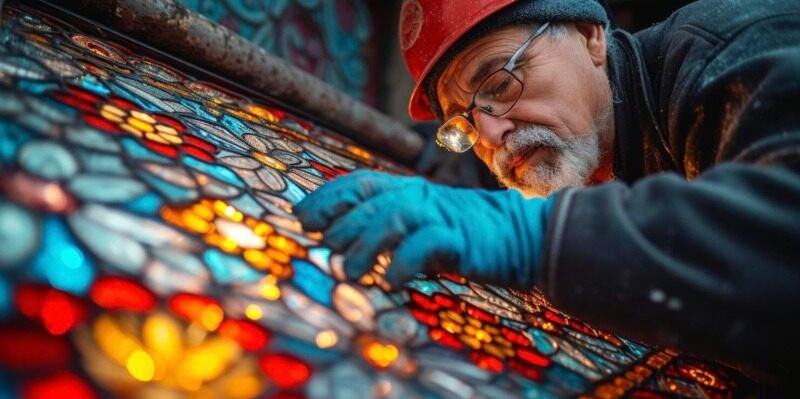
Proper care helps stained glass windows stay bright, legible, and structurally sound over time. In churches, routine upkeep also protects the surrounding frames and prevents small issues from turning into costly repairs. A simple maintenance plan can preserve both color clarity and overall window performance.
Schedule Regular Inspections
Inspect stained glass windows periodically for cracks, bowing, loose lead, or signs of moisture. Early detection is especially important in older church buildings where movement and weather exposure are common.
Clean Glass Carefully and Infrequently
Use gentle methods and avoid abrasive tools or harsh chemicals that can scratch glass or damage painted details. When in doubt, professional cleaning is safer for historic or highly detailed windows.
Monitor Protective Glazing and Ventilation
If protective glazing is installed, ensure vents and weep systems remain clear so moisture does not get trapped. Poor ventilation can lead to condensation and accelerate deterioration of lead and frames.
Maintain Frames, Sealants, and Surrounding Masonry
Window frames and perimeter sealants play a major role in keeping water out. Deteriorated caulking, rusted supports, or cracked masonry can undermine stained glass windows even when the glass itself looks intact.
Coordinate Access with Interior Projects
When scaffolding or lift access is already planned for interior work, it can be a practical time to inspect or service stained glass. Churches often align this with projects like church pew refurbishing to minimize disruption and avoid duplicating setup costs.
Frequently Asked Questions
Which 3 color combination is best?
There is no single best combination, but many churches use balanced groupings such as blue, red, and gold to communicate heaven, sacrifice, and divinity. The ideal trio also depends on how much natural light the sanctuary receives and how readable the design needs to be from the pews.
What is the most expensive stained glass color?
Cost is usually driven more by craftsmanship and techniques than by color alone, especially when painting and kiln firing are involved. Historically, deep blues and saturated reds have often been pricier because achieving consistent, luminous tones can require more complex materials and processes.
What is the best color palette for a church?
The best palette supports the theological theme, fits the architecture, and stays visually clear at typical viewing distances. Many churches choose a primary symbolic color set and then use neutrals and lighter tones to keep stained glass windows bright rather than overly dark.
What does the Bible say about stained glass windows?
The Bible does not specifically mention stained glass windows, since they developed later in church history. Churches have traditionally used them to depict Scripture and reinforce teaching through imagery, especially in spaces designed for reflection and worship.
How much do church stained glass windows cost?
Costs vary widely based on size, complexity, and materials, and churches commonly price projects by square foot. Simpler designs tend to be more predictable, while custom scenes and detailed depictions can increase the total cost significantly.
Restore Sacred Stained Glass Windows in NYC
Let Artech Church Interiors, Inc. help with the care, repair, design, and replacement of stained glass windows for churches throughout NYC. With expert artisans and deep respect for sacred architecture, every stained glass project is handled with precision, craftsmanship, and historical awareness. From delicate restoration work to full custom window design, Artech Church Interiors, Inc. delivers trusted results for houses of worship across NYC, ensuring beauty, durability, and reverence remain intact for generations.
For churches seeking skilled stained glass specialists in NYC, experienced guidance and proven artistry are ready to serve. Contact Artech Church Interiors, Inc. today to schedule a consultation.