
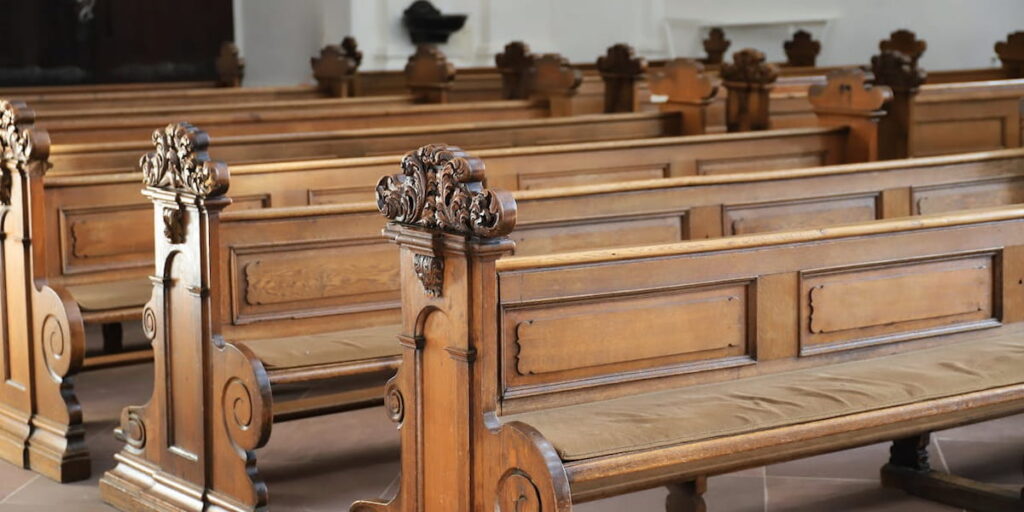
Historic churches across Connecticut carry more than architectural value. Their interiors reflect decades or even centuries of worship, and few elements define that experience more than the pews.
For many congregations, aging seating raises a practical question. Should you invest in church pew refurbishing in CT, refinish what you already have, or start over with replacement?
The answer depends on structure, history, and how the space is used today. In New England, where preservation and functionality often intersect, the decision is rarely straightforward.
What’s In This Guide
- What Is a Church Pew?
- 5 Different Types of Church Pews Found in Connecticut Churches
- 8 Signs Your Church Pews Need Refurbishing or Repair
- Refurbishing vs. Refinishing vs. Replacing Church Pews
- How To Decide What Your Connecticut Church Should Do
- When Refurbishing Church Pews Makes the Most Sense
- When Refinishing Is the Better Option
- When Replacement May Be the Practical Choice
- 8 Cost Factors for Church Pew Refurbishing in CT
- How Long Does Church Pew Refurbishing Take?
- What To Ask Before Hiring a Church Pew Refurbishing Contractor in CT
- Frequently Asked Questions (FAQs)
- Start Planning Your Church Pew Restoration Project Today
Quick Facts
- Refurbishing works best for worn but stable pews.
- Refinishing restores only the wood surface.
- Replacement suits unsafe or severely damaged pews.
- Historic pews should be evaluated before removal.
- Assessments clarify cost, timing, comfort, and value.
What Is a Church Pew?
A church pew is a long bench designed for congregational seating. Traditionally made from wood, pews are either fixed to the floor or freestanding. They are arranged in rows facing the altar or pulpit and often include additional features such as kneelers, book racks, and armrests.
While people sometimes refer to the church bench name as benches or church seating, the term pew has historical roots tied to religious architecture and continues to be the standard in both Protestant and Catholic settings.
Pews shape how a congregation interacts with the space. Their design influences:
- Worship flow and movement through aisles
- Sightlines toward the altar or stage
- Acoustics and sound distribution
- Accessibility for all attendees
- Liturgical practices such as kneeling
In historic Connecticut churches, pews often match original woodwork and architectural details. Altering them affects more than appearance.
5 Different Types of Church Pews Found in Connecticut Churches
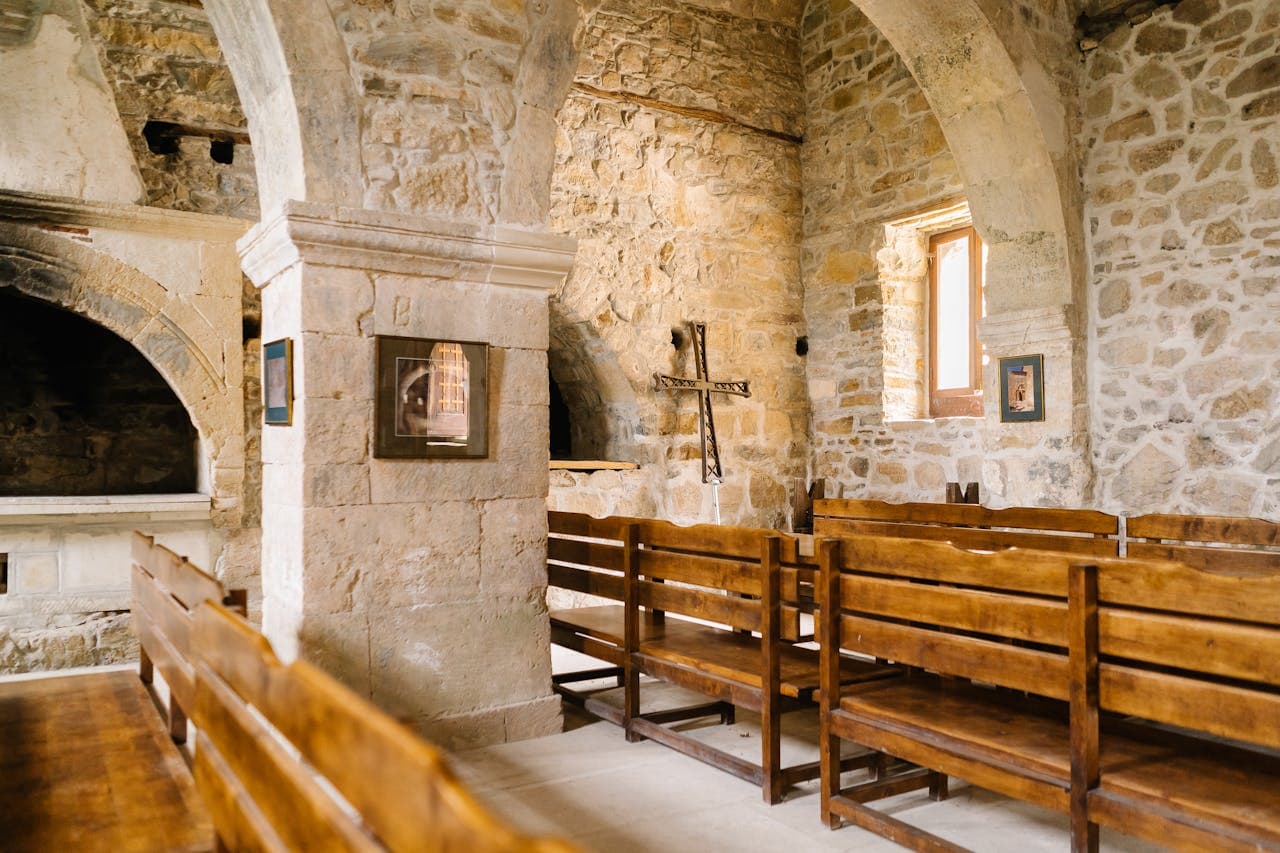
Connecticut churches vary widely in age and denomination, which is reflected in the different types of church pews found throughout the state.
1. Traditional Wooden Pews
These are the most common in older New England churches. Built from hardwoods like oak or maple, they are known for durability and timeless design. Many still feature original craftsmanship that is difficult to replicate today.
2. Catholic Church Pews
Catholic church pews often include kneelers, book racks, and defined seating divisions. These features support liturgical practices and must be preserved or carefully restored during any refurbishment.
3. Upholstered Pews
Some churches have added cushions or full upholstery for comfort. While this improves seating experience, fabrics tend to wear faster than wood finishes and often require periodic updates.
4. Combination Seating
Many modernized churches blend pews with individual chairs. This approach allows flexibility for events while maintaining a traditional appearance in certain sections.
5. Custom or Historic Pews
Custom pews are common in historic sanctuaries. They may include carved ends, unique dimensions, or rare wood species. These are strong candidates for restoration rather than replacement due to their historical value.
8 Signs Your Church Pews Need Refurbishing or Repair
Churches in Connecticut often hold onto pews for decades, even generations. Over time, wear becomes more than cosmetic. Recognizing early signs can help you decide if church pew refurbishing in CT, is the right step before damage worsens.
- Visible cracks or loose joints: Wood separation, wobbling seats, or unstable end panels indicate structural issues that go beyond simple refinishing.
- Worn or faded wood finish: Dull surfaces, deep scratches, or uneven staining suggest that refinishing or full refurbishing is needed to restore the appearance.
- Uncomfortable seating or flattened cushions: Older upholstered or Catholic church pews may lose support, making long services uncomfortable for congregants.
- Damaged or noisy kneelers: In many catholic church pews, broken hinges, worn padding, or loud movement during use signal the need for repair or replacement.
- Loose floor anchoring or shifting pews: Movement when sitting or standing can create safety concerns and disrupt the worship experience.
- Outdated look compared to the sanctuary interior: Even structurally sound pews may need refurbishing if they no longer match updated flooring, lighting, or design elements.
- Accumulated wear from decades of use: Historic churches in New England often show layers of wear that affect both function and aesthetics, especially in custom or traditional wooden pews.
- Accessibility limitations: Older layouts may not meet current accessibility needs, which can require adjustments as part of a broader refurbishment plan.
Catching these signs early allows churches to preserve their existing seating while avoiding the higher cost of full replacement.
MORE ON THIS TOPIC: Church Pew Repair vs Replacement: Making the Right Choice
Refurbishing vs. Refinishing vs. Replacing Church Pews
Understanding the differences between these options is essential before committing to a project.
What Church Pew Refurbishing Means
Refurbishing is the most comprehensive approach. It involves:
- Structural repairs
- Cleaning and minor finish restoration
- Cushion and upholstery updates
- Kneeler repairs or replacements
- Hardware and anchoring adjustments
What Church Pew Refinishing Means
Refinishing focuses specifically on the wood surface. It typically includes:
- Stripping old finish
- Sanding and smoothing
- Applying a new stain or protective coating
What Pew Replacement Means
Replacement involves removing existing pews and installing new seating. This is usually considered when:
- Structural damage is severe
- Layout changes are required
- Existing pews lack historical significance
- Accessibility improvements cannot be achieved otherwise
How To Decide What Your Connecticut Church Should Do
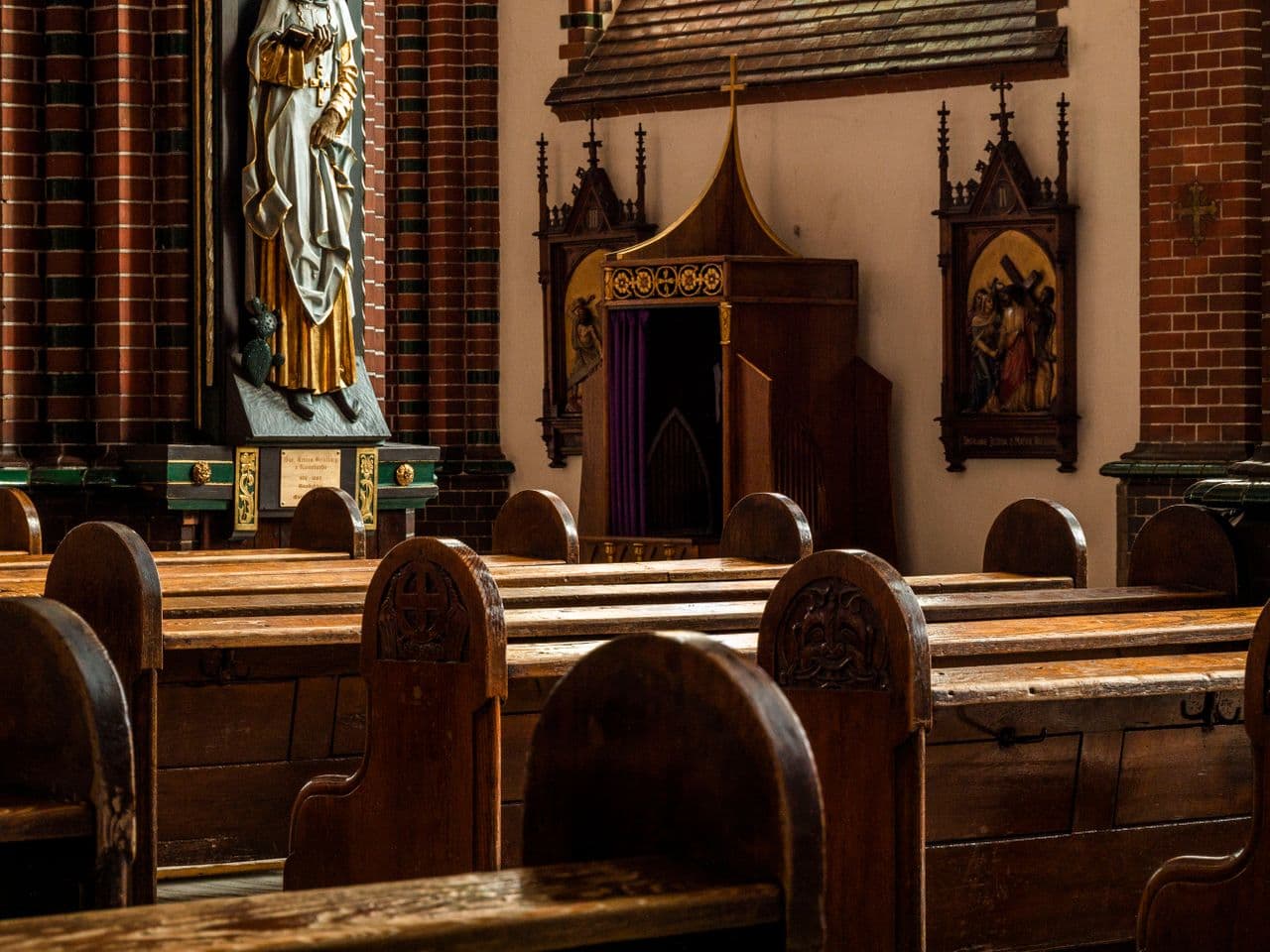
Choosing between refurbishing, refinishing, or replacing pews requires a careful evaluation process.
Step 1: Identify the Age and Significance of the Pews
If pews are original to the building or feature custom craftsmanship, restoration is often the preferred route. Preserving historic materials supports both cultural value and regulatory compliance.
Step 2: Inspect the Structure
Look for loose joints, cracks, or instability. Structural integrity determines whether refurbishing is viable or if replacement is necessary.
Step 3: Evaluate the Finish
Faded or scratched surfaces may only require refinishing. If the wood underneath remains solid, there is no need for full replacement.
Step 4: Consider Comfort and Worship Needs
Congregational expectations evolve. Cushions, spacing, and kneeling features should align with current use.
Step 5: Think About Preservation Requirements
Historic churches may be subject to preservation standards or grant conditions. These often prioritize repair over replacement.
Step 6: Compare Cost, Timeline, and Disruption
Refurbishing or refinishing can often be completed in phases, minimizing disruption to services. Replacement may require a longer timeline and more extensive planning.
When Refurbishing Church Pews Makes the Most Sense
Refurbishing is often the best option for Connecticut churches that want to balance preservation with usability.
It is particularly effective when:
- The pews are structurally sound
- The church values its historic interior
- Only cosmetic or minor functional issues exist
- Kneelers, cushions, or finishes need updating
Refurbishing allows churches to retain their original character while improving comfort and safety.
When Refinishing Is the Better Option
Refinishing is appropriate when appearance is the main concern.
Common indicators include:
- Scratched or worn wood surfaces
- Uneven or outdated stain colors
- Dull or faded finishes
This approach restores visual appeal without altering the underlying structure.
When Replacement May Be the Practical Choice
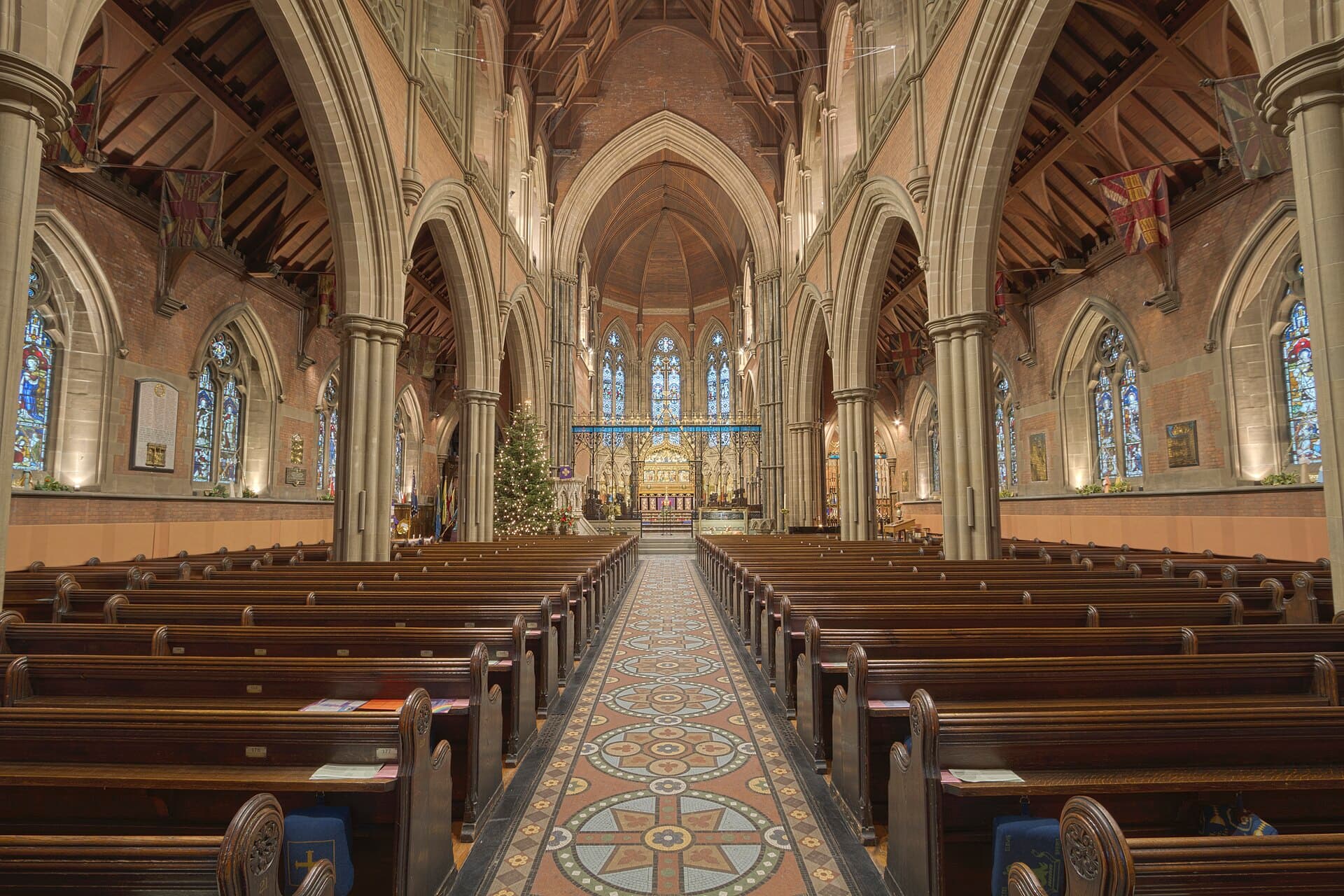
Replacement becomes necessary in more complex situations.
Consider this option when:
- Pews are structurally compromised beyond repair
- Layout changes are required for accessibility
- Existing seating does not match the church’s design direction
- Previous modifications have reduced historical value
While replacement offers flexibility, it also removes original elements that may not be replaceable.
8 Cost Factors for Church Pew Refurbishing in CT
The cost of church pew refurbishing varies depending on several practical factors. Understanding what drives pricing can help churches plan realistically and prioritize the right improvements.
- Condition of the pews: Heavily damaged or structurally compromised pews require more labor than those needing light refinishing.
- Type of work required: Simple refinishing costs less than full refurbishing, which may include repairs, upholstery, and kneeler restoration, especially for catholic church pews.
- Number of pews in the sanctuary: Larger congregations with more seating will naturally have higher total project costs.
- Wood type and finish complexity: Historic or custom pews made from hardwoods may require specialized techniques to match original finishes.
- Upholstery and cushion updates: Replacing padding or fabric adds to the cost, particularly for upholstered seating or kneeler work.
Each project is different, especially in historic New England churches. A detailed assessment helps determine whether refurbishing, refinishing, or replacement offers the best long-term value.
How Long Does Church Pew Refurbishing Take?
Project timelines for church pew refurbishing in CT, vary based on scope, church size, and whether work is done on-site or off-site. Most churches can expect a structured timeline that minimizes disruption to services.
Factors that affect the timeline include:
- Number of pews
- Extent of repairs
- Upholstery and kneeler work
- On-site vs. off-site work
- Church schedule and availability
What To Ask Before Hiring a Church Pew Refurbishing Contractor in CT
Selecting the right contractor is critical to the success of the project.
Key questions include:
- Do they specialize in church interiors and not general construction?
- Can they work within historic preservation guidelines?
- Do they handle pews, kneelers, cushions, and finishes as a complete system?
- Can they schedule work around services and events?
- Do they understand different denominational requirements?
Experience matters. Companies that focus specifically on church renovation understand how to balance craftsmanship, preservation, and function. For example, Artech Church Interiors, Inc. has decades of experience working with pew refurbishing, upholstery, kneelers, and full interior restoration across thousands of churches.
Frequently Asked Questions (FAQs)
How often should church pews be inspected?
Church pews should be inspected at least once a year, especially in older Connecticut churches. Annual checks help identify loose anchors, cracked wood, worn cushions, and kneeler issues before they become larger repair needs.
Can church pews be refurbished without removing them?
Yes, some church pew refurbishing can be done on-site if the work involves light repairs, touch-ups, or minor refinishing. More detailed refinishing, upholstery replacement, or structural repairs may require the pews to be removed and worked on off-site.
Do refurbished pews look new or original?
That depends on the church’s goal. Refurbished pews can be restored to look close to their original condition or updated with new stain, cushions, and finishes while still preserving the character of the sanctuary.
Can pew refurbishing improve accessibility?
Yes, pew refurbishing can be part of a larger accessibility plan. Churches may remove or adjust selected pews to improve wheelchair access, aisle spacing, and seating flexibility while keeping much of the original layout intact.
Is pew refurbishing suitable for small chapels?
Yes. Small chapels can benefit from pew refurbishing, especially when the pews are custom-built, historic, or still structurally sound. Refurbishing can preserve the chapel’s character without the cost or disruption of full replacement.
Start Planning Your Church Pew Restoration Project Today
When done properly, church pew refurbishing allows historic spaces to remain intact while still meeting modern expectations.
Working with a contractor in NYC who specializes in church interiors makes a measurable difference. Artech Church Interiors, Inc. brings decades of experience focused specifically on pew refurbishing, kneelers, upholstery, and full sanctuary restoration.
Contact us today.