
What’s In This Guide
- Why Do Historic NYC Churches Need Lighting Upgrades?
- How Can Churches Upgrade Lighting Without Damaging Historic Church Interiors?
- What Are the Benefits of LED Church Lighting in Historic Sanctuaries?
- How Can Sanctuary Lighting Be Designed to Highlight Historic Architecture?
- How Can NYC Churches Plan a Successful Lighting Renovation Project?
- Why Should Churches Work with Experienced Church Renovation Companies in NY?
- Frequently Asked Questions
- Partner With Artech Church Interiors for Lighting Upgrades
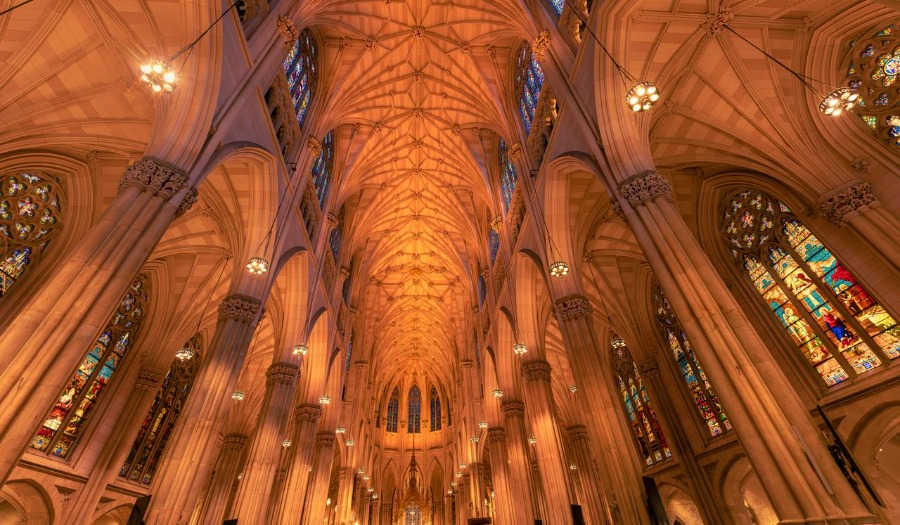
For many NYC churches, better lighting is not just about making the sanctuary brighter. It is about helping people see clearly during worship, making the space feel more welcoming, lowering maintenance demands, and protecting the historic details that make the church meaningful.
Older fixtures, dim corners, high ceilings, and outdated electrical systems can make lighting upgrades feel complicated. With the right plan, churches can improve visibility and efficiency while preserving the beauty and character of their historic interiors.
Here are the key ways NYC churches can improve lighting while preserving history.
Quick Facts
- Better lighting helps churches improve visibility while preserving historic character.
- LED upgrades can reduce energy use, maintenance needs, and fixture replacements.
- Discreet lighting solutions protect the look of older sanctuaries.
- Smart controls make worship spaces more flexible for services and events.
- Experienced church renovation specialists help balance modernization with preservation.
Why Do Historic NYC Churches Need Lighting Upgrades?
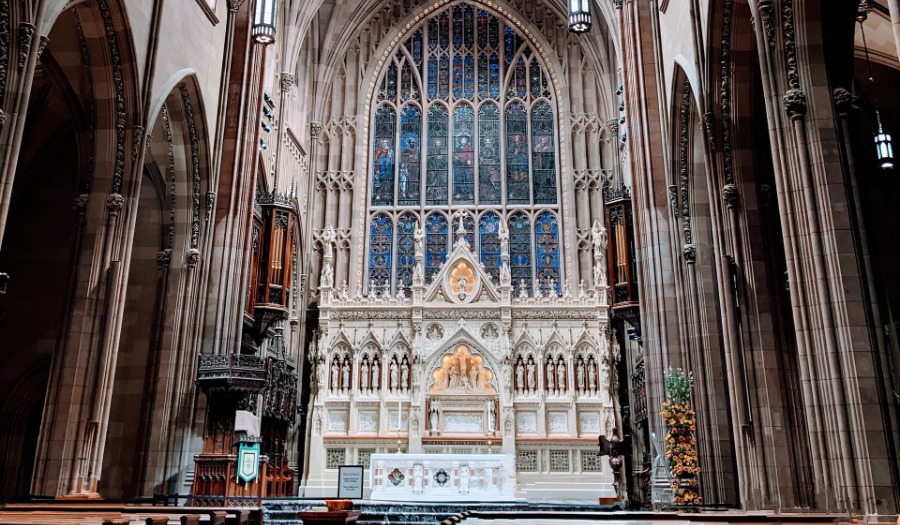
Historic churches often face lighting challenges that can affect visibility, safety, energy efficiency, and the overall worship experience. Church lighting upgrades in NYC help address these issues while allowing congregations to preserve the architectural character and historical significance of their sanctuaries.
Church buildings constructed decades or centuries ago were designed around older lighting technologies that may no longer meet modern expectations. Older sanctuaries frequently experience:
|
Common Challenge |
Impact on Church Operations |
|
Inadequate illumination |
Reduced readability during services |
|
Aging electrical systems |
Increased maintenance requirements |
|
High energy consumption |
Elevated utility expenses |
|
Uneven light distribution |
Dark zones and visual discomfort |
|
Obsolete fixtures |
Difficult sourcing of replacement parts |
How Can Churches Upgrade Lighting Without Damaging Historic Church Interiors?
Churches can modernize lighting while preserving historic church interiors by choosing renovation methods that minimize visual and structural impact. The most effective upgrades improve illumination and efficiency without altering the architectural character of the sanctuary.
Retrofit Existing Historic Fixtures
Many original chandeliers, sconces, and pendant lights can be upgraded with modern components rather than replaced entirely. Retrofitting allows churches to improve lighting performance while preserving the appearance of historic fixtures.
Use Discreet Lighting Solutions
Low-profile fixtures, hidden uplighting, and carefully placed accent lighting can enhance visibility without drawing attention away from architectural details. This approach helps maintain the original look and feel of the sanctuary.
Conceal Wiring and Infrastructure
Routing wiring through existing pathways or hidden areas can reduce the need for visible modifications. Concealed infrastructure helps protect the visual integrity of older worship spaces during church lighting upgrades in NYC.
Choose Preservation-Friendly LED Technology
Modern LED church lighting can improve brightness and energy efficiency while producing less heat than traditional lighting systems. Lower heat output can help protect stained glass, artwork, woodwork, and other historic materials.
Follow Historic Preservation Guidelines
Preservation standards help ensure renovation work respects the building’s architectural significance. Careful planning can reduce the risk of unnecessary alterations and help maintain the character of historic church interiors.
Work With Church Renovation Specialists
Experienced church renovation companies in NY understand how to balance modernization with preservation. Specialized expertise can help churches improve lighting while protecting the features that make older sanctuaries unique.
What Are the Benefits of LED Church Lighting in Historic Sanctuaries?
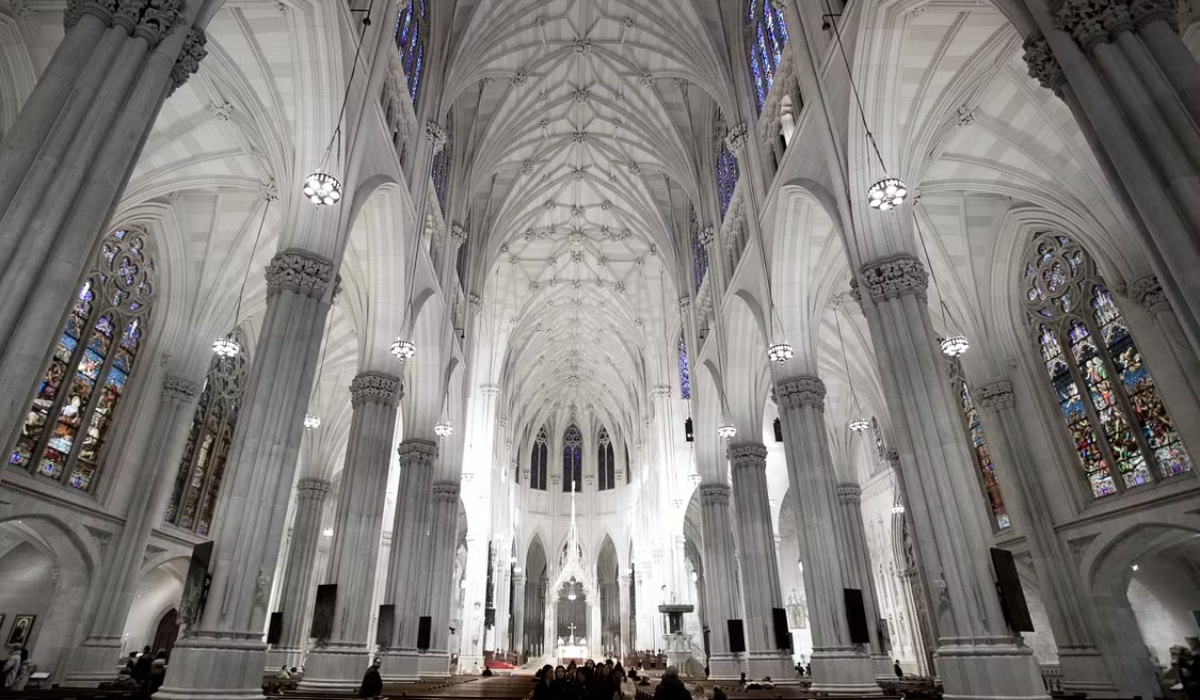
LED church lighting helps historic churches improve visibility, reduce operating costs, and enhance worship experiences while preserving architectural character. Modern LED solutions offer several advantages that make them well-suited for older sanctuaries.
Lower Energy Costs
The U.S. Department of Energy notes that LEDs can use up to 90% less energy and last up to 25 times longer than traditional incandescent bulbs. For historic churches, these benefits can translate into lower utility costs, fewer maintenance disruptions, and more reliable illumination while helping preserve the character of older sanctuaries.
Better Visibility for Worship Services
Improved illumination helps congregants, clergy, and musicians see more clearly during services and events. Consistent lighting can also make important focal points throughout the sanctuary easier to distinguish.
Reduced Maintenance Requirements
LED lamps typically last much longer than conventional bulbs, resulting in fewer replacements and maintenance interruptions. This advantage is especially valuable in sanctuaries with high ceilings and difficult-to-access fixtures.
Greater Protection for Historic Materials
Lower heat output and reduced ultraviolet emissions can help protect stained glass, artwork, woodwork, and decorative finishes. This makes LED lighting a preservation-friendly option for historic church interiors.
More Flexible Lighting Control
Many LED systems support dimming and programmable controls that allow churches to adjust lighting for different activities. Flexible lighting scenes can accommodate worship services, weddings, concerts, and community events.
Improved Worship Atmosphere
Warm LED lighting can enhance the appearance of traditional sanctuaries while maintaining a welcoming and reverent environment. Modern technology allows churches to achieve better lighting quality without losing the character of the space.
How Can Sanctuary Lighting Be Designed to Highlight Historic Architecture?
Thoughtful sanctuary lighting can highlight historic architecture by directing attention to meaningful features, improving visibility, and preserving the atmosphere of the worship space. The right design should support both function and beauty without making the lighting feel too modern or distracting.
Use Accent Lighting to Emphasize Architectural Details
Accent lighting can draw attention to stained glass windows, vaulted ceilings, altars, arches, stonework, and decorative woodwork. In historic church interiors, this approach helps important design features stand out while keeping the sanctuary’s original character intact.
Add Layered Lighting for Worship and Visibility
Layered lighting combines general, task, and accent lighting to make the sanctuary more useful and comfortable. This helps improve visibility during services while still creating a warm and reverent atmosphere.
Choose Warm LED Lighting for a Historic Look
LED church lighting can improve brightness and efficiency without changing the traditional feel of the sanctuary. Warm color temperatures often work best because they complement wood, stone, stained glass, and older interior finishes.
Use Smart Controls for Flexible Lighting Scenes
Smart controls allow churches to adjust lighting for worship services, weddings, concerts, and community events. These systems are often included in church lighting upgrades in NYC because they provide flexibility without changing the appearance of historic spaces.
Keep Fixtures and Wiring Discreet
Discreet fixtures and hidden wiring help protect the visual integrity of historic sanctuaries. This is especially important when lighting upgrades need to improve performance without drawing attention away from the architecture.
How Can NYC Churches Plan a Successful Lighting Renovation Project?
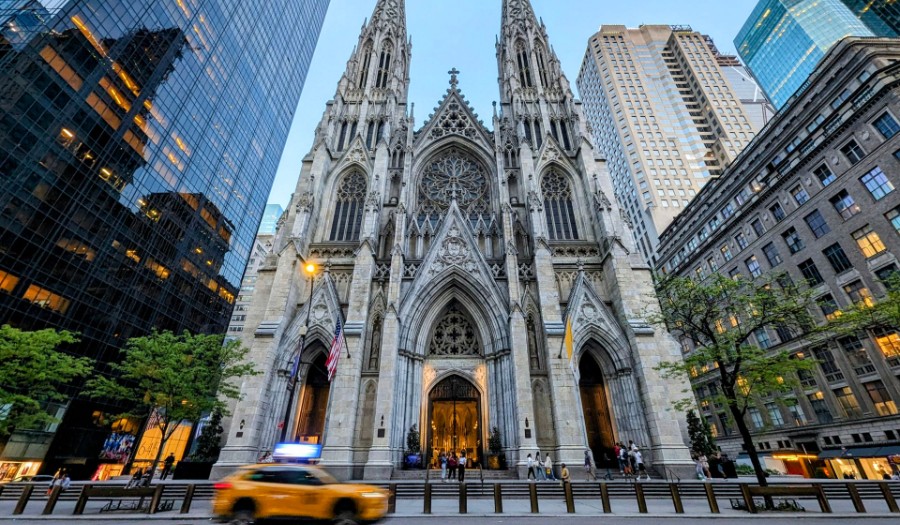
Successful church lighting upgrades begin with assessment, preservation planning, technology selection, and careful installation.
A structured approach reduces project risk and improves outcomes.
Step 1: Assess Existing Lighting Conditions
Start with a complete lighting audit to identify performance issues and preservation concerns.
Assessment activities include:
- Fixture inventory
- Illumination measurements
- Electrical system review
- Maintenance history analysis
- Architectural documentation
Step 2: Identify Preservation Requirements
Review preservation requirements based on the church’s age, building status, and architectural significance.
Review factors such as:
- Landmark designation status
- Historic district regulations
- Original architectural features
- Preservation committee recommendations
- Local building requirements
Step 3: Select the Right Lighting Technologies
Choose lighting technologies that support visibility, preservation, and long-term value.
Selection criteria include:
- LED compatibility
- Color temperature
- Dimming capability
- Fixture aesthetics
- Energy efficiency
- Maintenance requirements
Step 4: Install New Lighting While Protecting Historic Features
Use installation methods that minimize disruption to historic materials.
Protective strategies include:
- Concealed wiring pathways
- Non-invasive mounting methods
- Temporary surface protection
- Historic fixture preservation
- Detailed installation planning
Step 5: Measure the Success of the Church Lighting Upgrade
Evaluate both lighting performance and preservation outcomes after installation.
Key measurements include:
|
Metric |
Evaluation Goal |
|
Visibility |
Improved illumination |
|
Energy consumption |
Reduced utility costs |
|
Maintenance frequency |
Fewer service calls |
|
Congregation feedback |
Improved experience |
|
Architectural impact |
Preserved historic character |
Why Should Churches Work with Experienced Church Renovation Companies in NY?
Historic churches require specialized renovation expertise that goes beyond standard construction practices. Experienced church renovation companies understand how to improve functionality while protecting architectural features, preserving worship spaces, and meeting the unique needs of congregations.
Navigate Historic Preservation Requirements More Effectively
Experienced renovation professionals understand the challenges that come with working in older religious buildings. Knowledge of preservation guidelines, historic materials, and renovation best practices can help reduce the risk of damaging important architectural features.
Develop Solutions Designed for Worship Spaces
Churches have unique lighting, acoustical, and functional requirements that differ from commercial buildings. Specialists who regularly work on sanctuaries can recommend solutions that support worship services, special events, and long-term congregational needs.
Protect Historic Church Interiors During Renovations
Careful planning and installation methods help preserve stained glass, decorative woodwork, plaster details, and other historic elements. Experienced contractors know how to modernize building systems while minimizing disruption to the sanctuary’s character.
Improve Project Efficiency and Long-Term Value
Specialized church renovation companies can identify practical solutions that balance performance, preservation, and budget considerations. This often results in fewer unexpected issues, smoother project execution, and improvements that deliver value for years to come.
Coordinate Multiple Renovation Needs Under One Plan
Many lighting projects are part of larger sanctuary improvements that may include seating, flooring, accessibility upgrades, or interior restoration. Working with a contractor experienced in church renovations can help ensure all improvements complement one another and support the church’s overall vision.
➤ YOU MIGHT ALSO LIKE: Achieve Adequate Lighting for Your Church: 7 Expert Tips by Top Church Restoration Companies in New York
Frequently Asked Questions
How often should church lighting systems be evaluated?
Church lighting systems should be evaluated periodically to identify performance issues, maintenance needs, and opportunities for improvement. Regular assessments can help ensure lighting continues to support worship activities and building operations effectively.
Can lighting upgrades improve accessibility in a church?
Yes, better lighting can make pathways, entrances, stairs, and seating areas easier to navigate. Improved visibility can create a safer and more comfortable environment for all members of the congregation.
Are lighting upgrades disruptive to regular church activities?
Many lighting improvements can be planned around worship schedules and church events. Careful project coordination can help minimize disruptions while renovation work is completed.
What factors influence the cost of a church lighting project?
Project costs often depend on the size of the building, the condition of existing electrical systems, fixture requirements, and preservation considerations. The complexity of installation can also affect the overall budget.
Should churches upgrade all lighting at once?
Not necessarily. Some churches choose a phased approach that prioritizes the most important areas first. Phased upgrades can help spread costs over time while still delivering noticeable improvements.
Partner With Artech Church Interiors for Lighting Upgrades
Artech Church Interiors helps NYC churches upgrade their lighting without losing the beauty and character of their historic sanctuary. From better visibility to warmer atmosphere and energy-efficient LED solutions, our team creates lighting upgrades that support worship while protecting important architectural details.
Contact Artech Church Interiors today to plan a lighting upgrade that makes your sanctuary brighter, more welcoming, and easier to maintain.