
What’s In This Guide
- What Are the Signs That Your Church Pews Need Refurbishing?
- When Is Church Pew Reupholstery the Best Solution?
- When Is Refinishing the Better Choice for Church Seating Restoration?
- When Does Complete Church Pew Replacement Make Sense?
- How Do You Know Which Church Pew Option to Choose?
- How Do You Compare Pew Repair vs Replacement?
- Frequently Asked Questions
- Upgrade Church Pews with Expert Help
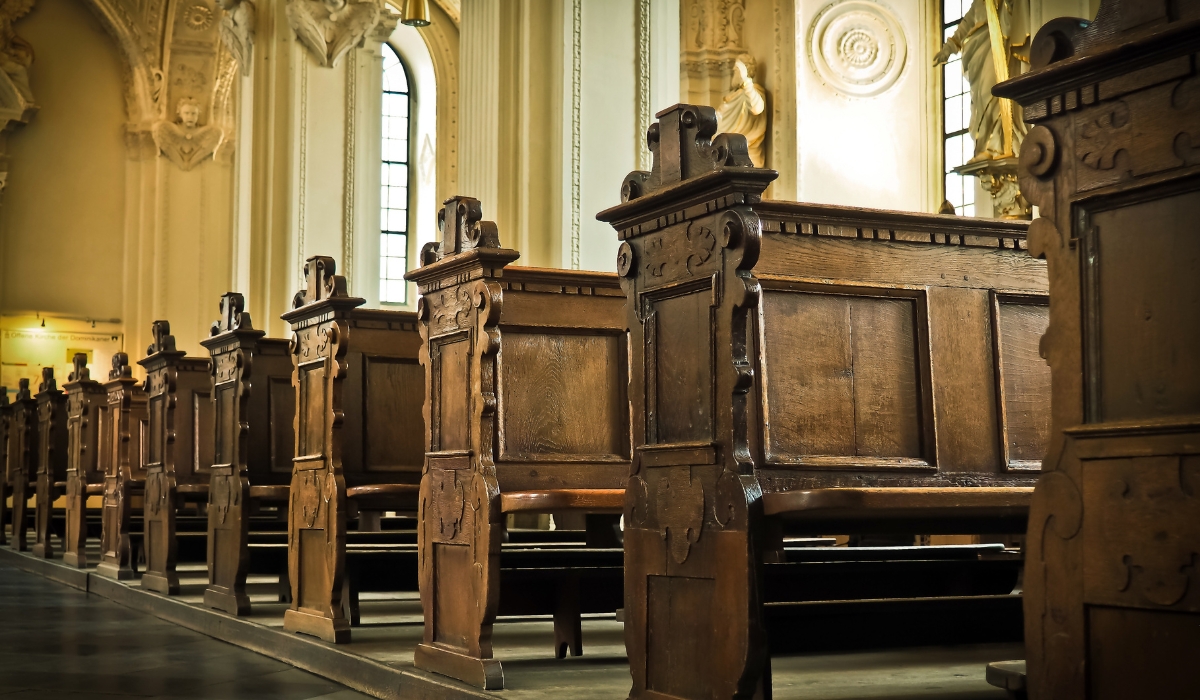
Church pews are built to serve congregations for many years, but constant use eventually leaves signs of wear. Faded fabric, worn finishes, uncomfortable seating, and aging materials can make church leaders wonder whether existing pews still meet the needs of the congregation.
The challenge is that there is no one-size-fits-all solution. Some pews may only need updated upholstery or new cushions, while others may benefit from refinishing to restore their appearance. In some cases, replacement may be the most practical long-term investment.
Here are the key factors to consider when deciding whether to reupholster, refinish, or replace your church pews.
Quick Facts
Church pew refurbishing in CT helps churches decide whether to reupholster, refinish, or replace aging pews based on condition and long-term value. Choose:
- Reupholstery for worn fabric or cushions
- Refinishing for scratched or faded wood
- Replacement for structural damage or layout needs
What Are the Signs That Your Church Pews Need Refurbishing?
Worn or Damaged Upholstery
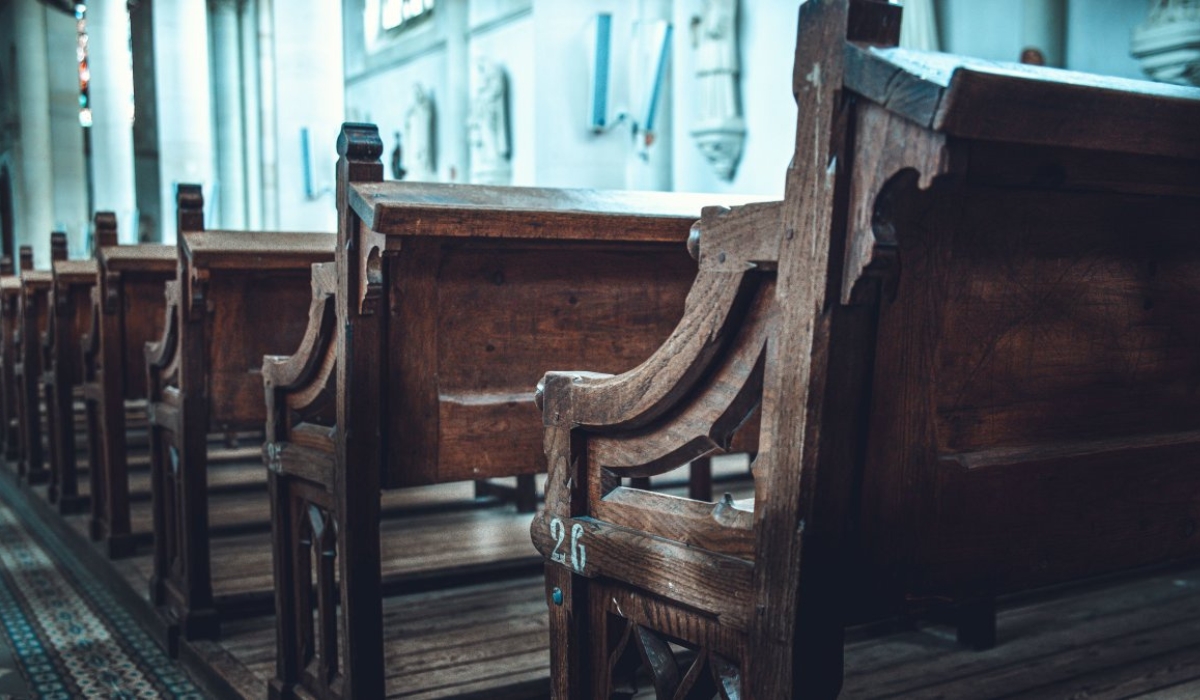
Torn fabric, stubborn stains, fading, and thinning materials are among the most obvious signs that church pews need attention. When upholstery begins to look worn or uncomfortable, professional church pew upholstery in CT can restore both appearance and seating comfort without replacing the entire pew.
Flattened or Uncomfortable Pew Cushions
Pew cushions naturally compress over the years of regular use. When seating feels hard, uneven, or unsupportive, cushion replacement may improve comfort while extending the life of existing pews.
Scratched, Faded, or Discolored Wood Finishes
Wood finishes protect pews from everyday wear while contributing to the overall appearance of the sanctuary. Visible scratches, fading, water marks, or dull surfaces often indicate that refinishing may be needed to restore the original look of the wood.
Loose, Wobbly, or Damaged Components
Loose joints, unstable pew ends, or broken hardware can affect both safety and durability. Structural issues should be evaluated promptly to determine whether repairs or more extensive restoration work are required.
An Outdated Sanctuary Appearance
Church pews that no longer match recent renovations, updated décor, or current design preferences may benefit from church pew refurbishing in CT. New upholstery, refinishing, or updated pew cushions can help create a more cohesive and welcoming worship space.
Increasing Maintenance and Repair Needs
Frequent repairs and recurring maintenance issues often indicate that church seating is reaching a point where restoration or replacement should be considered. Evaluating long-term repair costs can help determine the most cost-effective path forward.
When Is Church Pew Reupholstery the Best Solution?
Reupholstery is often the best choice when pew frames remain solid, but fabric and cushioning have deteriorated.
Church pew upholstery in CT addresses comfort and appearance without replacing functional seating systems.
Benefits include:
|
Benefit |
Result |
|
New fabric |
Updated appearance |
|
New foam |
Improved comfort |
|
Existing structure retained |
Lower overall cost |
|
Custom materials |
Design flexibility |
What Types of Pew Cushion Problems Can Upholstery Fix?
New pew cushions can resolve most comfort-related seating concerns.
Typical cushion issues include:
- Flattened foam
- Uneven support
- Fabric wear
- Odor retention
- Aging materials
How Long Can Reupholstered Church Pews Last?
Professionally reupholstered church pews commonly provide another 10 to 20 years of service, depending on use and maintenance.
Factors affecting lifespan include:
- Congregation size
- Service frequency
- Fabric selection
- Cleaning practices
- Indoor climate conditions
When Is Refinishing the Better Choice for Church Seating Restoration?
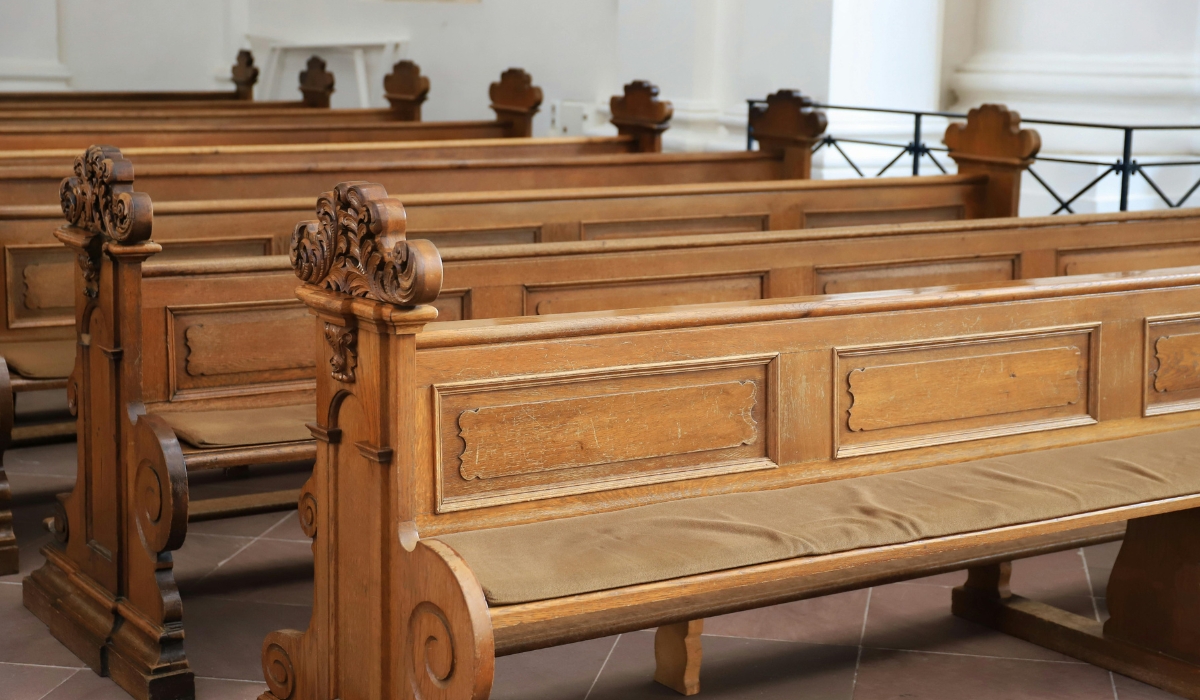
Refinishing is ideal when church pew structures remain sound, but wood surfaces show cosmetic deterioration.
Church seating restoration through refinishing preserves original craftsmanship while improving appearance.
Refinishing typically addresses:
- Scratches
- Faded stain
- Worn clear coats
- Surface discoloration
- Minor water damage
What Types of Wood Damage Can Refinishing Correct?
Refinishing effectively restores most surface-level wood damage but cannot repair severe structural deterioration.
Suitable refinishing candidates include:
- Scratched armrests
- Dull finishes
- Light water marks
- UV fading
- Surface wear
Refinishing may not be appropriate for:
- Rot
- Severe cracking
- Structural failures
- Extensive water damage
How Does Refinishing Help Preserve Historic Church Pews?
Refinishing allows churches to maintain original architectural character while improving durability and appearance.
Many Connecticut churches contain historic woodwork that contributes to the building’s identity.
Historic preservation benefits include:
- Retention of original materials
- Reduced waste
- Architectural continuity
- Preservation of craftsmanship
When Does Complete Church Pew Replacement Make Sense?
Replacement becomes practical when structural deterioration, accessibility needs, or extensive repairs outweigh restoration benefits.
The decision should consider both immediate costs and long-term facility goals.
Replacement may be warranted when:
- Multiple pews require major repairs
- Structural damage affects safety
- Seating layouts no longer meet ministry needs
- Accessibility improvements require redesign
What Structural Problems Usually Require Pew Replacement?
Severe structural failures often make replacement more cost-effective than restoration.
Examples include:
- Extensive wood rot
- Major frame failure
- Severe insect damage
- Repeated repair history
- Significant instability
How Can New Church Seating Improve Functionality?
New seating systems may improve accessibility, flexibility, and sanctuary usability.
Potential improvements include:
- ADA-compliant spacing
- Improved traffic flow
- Additional wheelchair locations
- Updated seating configurations
- Enhanced comfort
The U.S. Department of Justice ADA Standards provide guidance regarding accessible seating and circulation requirements. Churches considering major renovations should evaluate accessibility goals carefully.
How Do You Know Which Church Pew Option to Choose?
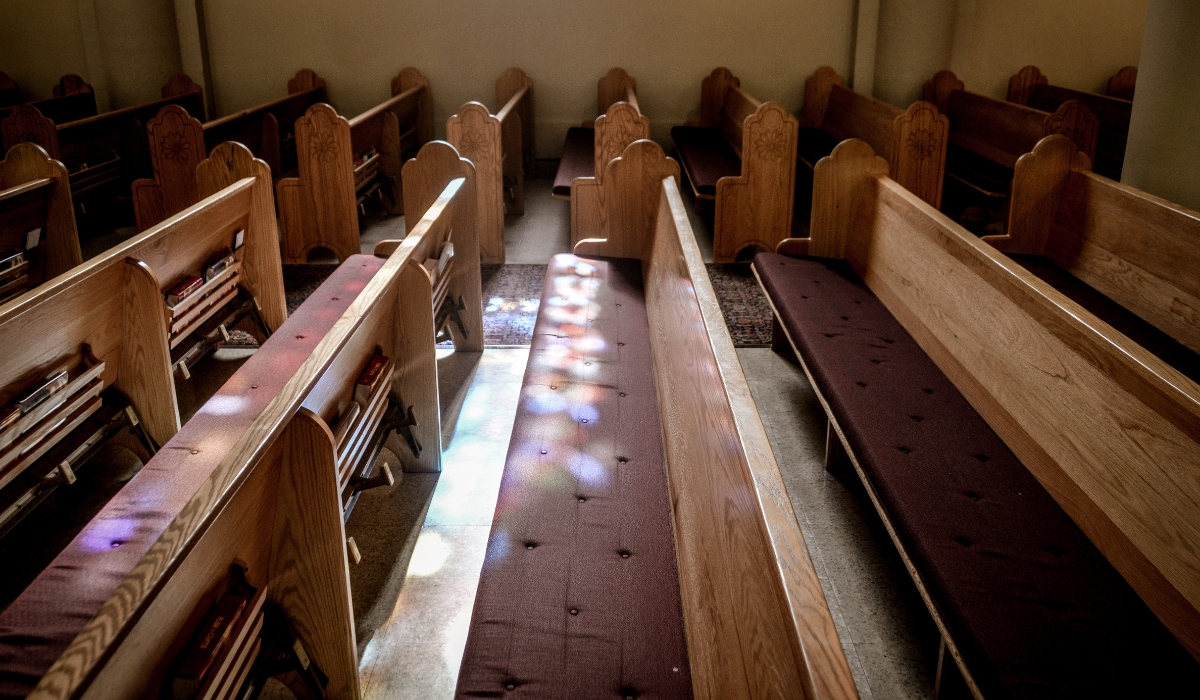
The right option depends on what is actually wrong with the pews. Reupholstering solves fabric and cushion problems. Refinishing solves wood surface problems. Replacement solves major structural, layout, or long-term functionality problems.
Choose Reupholstering If…
The Pew Frames Are Still Structurally Sound
Reupholstering makes sense when the wood frame, pew ends, and supports remain stable. The main issue should be worn fabric, aging foam, or uncomfortable pew cushions.
The Fabric Is Torn, Stained, or Outdated
Church pew reupholstery is a practical choice when the upholstery looks worn, but the pew body still performs well. New fabric can refresh the sanctuary without replacing the entire seating system.
The Pew Cushions Feel Flat or Uncomfortable
Compressed foam and thin cushions are strong signs that reupholstering may be enough. Replacing the padding can improve comfort while keeping the existing pew structure.
Choose Refinishing If…
The Wood Has Scratches, Fading, or Surface Wear
Refinishing is the better option when the wood looks dull, scratched, or discolored. The goal is to restore the pew’s appearance and protect the wood surface.
The Pew Structure Is Stable
Refinishing works best when the pews do not have major cracks, loose joints, or broken components. The wood surface may look aged, but the structure should still be reliable.
The Church Wants to Preserve the Original Woodwork
Many churches prefer refinishing when the pews have historic, architectural, or sentimental value. Refinishing keeps the original character while improving the overall appearance.
Choose Replacement If…
The Pews Have Structural Damage
Replacement may be the better choice when pews are unstable, cracked, rotted, or repeatedly failing. Cosmetic updates will not solve deeper structural issues.
The Repair Costs Are Too High
Replacement becomes more practical when repair, reupholstery, and refinishing costs begin to approach the cost of new seating. Long-term value matters more than the lowest upfront price.
The Sanctuary Needs a New Layout
Replacement or reconfiguration may be necessary when the church needs better spacing, improved accessibility, more flexible seating, or a different worship layout.
How Do You Compare Pew Repair vs Replacement?
Pew repair vs replacement depends on the severity of damage, the condition of the pew frames, and the church’s long-term seating needs. Repair is usually better for isolated damage. Replacement is usually better for widespread structural problems, layout changes, or repeated maintenance issues.
|
Factor |
Pew Repair |
Pew Replacement |
|
Best for |
Minor or isolated damage |
Major or widespread damage |
|
Structure |
Frames are still stable |
Frames are weak or failing |
|
Cost |
Lower upfront cost |
Higher upfront cost |
|
Layout changes |
Limited |
More flexible |
|
Appearance update |
Moderate |
Full update |
|
Long-term value |
Best when pews are sound |
Best when repairs are no longer practical |
➤ READ NEXT: Church Pew Repair vs. Replacement: What to Consider Before You Decide
Frequently Asked Questions
How often should church pews be inspected for wear and damage?
Church pews should be visually inspected at least once a year and more frequently in high-use facilities. Regular inspections can help identify upholstery wear, loose components, finish deterioration, and safety concerns before they become larger issues. Early detection often reduces long-term maintenance costs.
Can church pew refurbishing in CT improve the appearance of an entire sanctuary?
Yes. Church pew refurbishing in CT can significantly improve the overall look of a worship space without requiring a complete renovation. Updated upholstery, refinished wood, and new cushions can help create a cleaner and more cohesive appearance that complements other sanctuary features.
Is it possible to match existing church décor during a pew restoration project?
Yes. Many restoration projects allow churches to select fabrics, finishes, and materials that coordinate with existing flooring, wall colors, stained glass, or other architectural elements. Matching existing design features can help maintain visual consistency throughout the sanctuary.
Do all church pews need to be refurbished at the same time?
Not necessarily. Some churches choose to refurbish pews in phases based on budget, condition, or scheduling needs. A phased approach can spread costs over time while still allowing the congregation to benefit from ongoing improvements.
How long does a typical church pew restoration project take?
Project timelines vary depending on the number of pews, the scope of work, and material availability. Smaller refurbishment projects may be completed relatively quickly, while larger restoration efforts often require additional planning.
Upgrade Church Pews with Expert Help
Choosing the right solution starts with understanding the condition of your existing pews and the goals for your worship space. Factors such as upholstery wear, wood finish damage, structural integrity, comfort, accessibility, and budget all play a role in determining the most practical path forward.
Artech Church Interiors, Inc. provides church seating restoration, church pew reupholstery, refinishing, repair, and replacement services for churches throughout Connecticut. An experienced assessment can help identify the most cost-effective option while preserving the functionality and appearance of your sanctuary.
Contact Artech Church Interiors, Inc. today to discuss your church seating needs in CT.