
What’s In This Guide
- What Should a Church Building Committee Look for First in a Renovation Bid?
- How Does Building Age and Landmark Status Affect Bid Comparisons in NYC?
- What Are the Main Decision Factors When Comparing Church Renovation Companies?
- How Should Committees Compare Renovation Costs Without Locking Into a Fixed Number?
- Why Does Contractor Trust Matter More Than the Lowest Bid?
- Frequently Asked Questions
- How Can Your Church Compare Bids With Confidence and Move Forward?
Comparing renovation bids is one of the most consequential tasks a church building committee will handle. A bid is more than a number on a page. It reflects scope, materials, timeline, and how well a contractor understands the realities of working inside an active house of worship.
For churches in New York City and across the state, this task carries added weight. Many sanctuaries sit within landmarked districts, hold denominational or historic significance, and serve congregations who expect careful, respectful work. Comparing bids the right way protects the budget, the building, and the trust of the people who worship there.
Quick Facts
- Line-item detail matters more than the bottom line. A lower total bid with vague scope language often costs more once change orders begin.
- Landmarked NYC churches may face an added approval layer. Buildings within a historic district or individually designated as landmarks may require review from the NYC Landmarks Preservation Commission before certain exterior work, and in some cases interior work, begins.
- A comprehensive, written contract is essential for every sanctuary renovation project. To ensure professional accountability and protect the congregation’s investment, all renovation bids should clearly detail the scope of work, specific materials, timeline, and a payment schedule, providing a formal agreement that serves as a baseline for the project.
- Restoration grants may help offset eligible exterior project costs. The New York Landmarks Conservancy’s Sacred Sites Program has awarded matching grants to religious institutions statewide, helping support preservation work such as roof, masonry, stained glass, and other exterior restoration projects.
- Committees should request at least three written bids. The New York State Attorney General recommends contacting multiple contractors and comparing written estimates before signing any home improvement agreement.
What Should a Church Building Committee Look for First in a Renovation Bid?
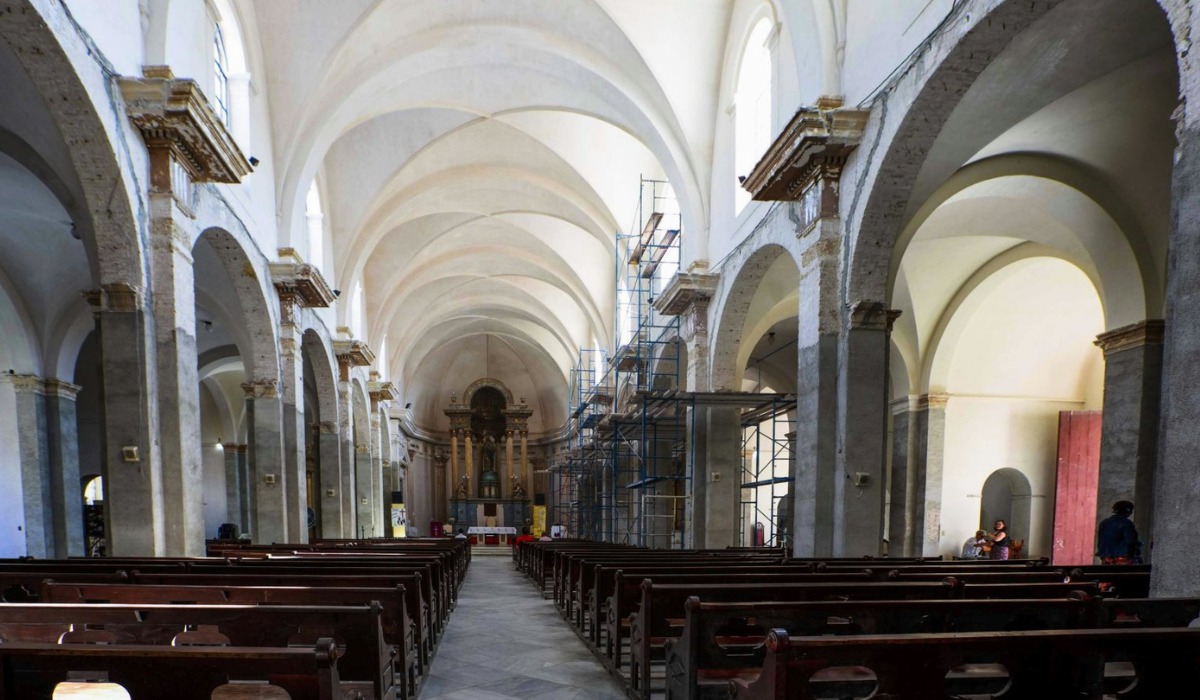
A trustworthy bid should read like a plan. Committees should look for a clear scope of work, itemized materials, a realistic timeline, and language that addresses the building’s specific conditions rather than generic renovation boilerplate.
Several elements separate a usable bid from a rushed estimate:
- Scope specificity. The bid should describe exactly what is included, such as pew refinishing, plaster stabilization, flooring replacement, or lighting upgrades, rather than broad phrases like “interior renovation.”
- Material identification. Wood species, fabric grades, finish types, and fixture models should be named.
- Site condition notes. A contractor who has actually walked the sanctuary will reference specific issues, such as water staining near a particular window bay or uneven flooring near the altar.
- Payment structure. A professional payment schedule should be linked to verified project milestones rather than arbitrary dates. This helps protect the congregation’s investment and keeps payments tied to confirmed progress. Written church renovation agreements should clearly define the scope, material specifications, timeline expectations, approval process, and payment triggers so the committee can hold each bidder to the same standard.
Church committees comparing multiple renovation bids in New York should ask each contractor for the same level of detail so proposals can be measured side by side rather than compared as rough guesses.
How Does Building Age and Landmark Status Affect Bid Comparisons in NYC?
Building age changes what a bid needs to account for, and landmark status can add a formal approval step before work begins. Sanctuary renovation projects inside historic districts may require documentation that a general contractor’s bid does not always include.
New York City churches fall into a few common categories:
|
Building Status |
What It Means for Bidding |
|
Individual landmark |
Exterior work and certain interior work may require Landmarks Preservation Commission review. When a Department of Buildings permit is also required, LPC approval may be part of the approval process before work proceeds. |
|
Historic district |
Exterior changes typically require Commission review, even for repairs that would otherwise be routine. |
|
Non-designated, older construction |
No landmark review is required, but original materials like plaster, wood, and leaded glass still call for restoration-specific methods. |
|
Newer construction |
Fewer material-matching concerns, though code compliance and accessibility upgrades may still apply. |
The NYC Landmarks Preservation Commission notes that most exterior changes to buildings within historic districts require its review, while ordinary repairs and maintenance generally do not. A bid that never mentions landmark review, permit timelines, or documentation requirements may be missing a step that later delays the entire project.
Congregations pursuing exterior restoration work should also ask contractors whether the project may qualify for outside funding support. The New York Landmarks Conservancy’s Sacred Sites Program has helped fund repair and restoration projects at religious institutions statewide. A contractor familiar with these programs can be a useful resource during the planning phase, even before a bid is finalized.
What Are the Main Decision Factors When Comparing Church Renovation Companies?
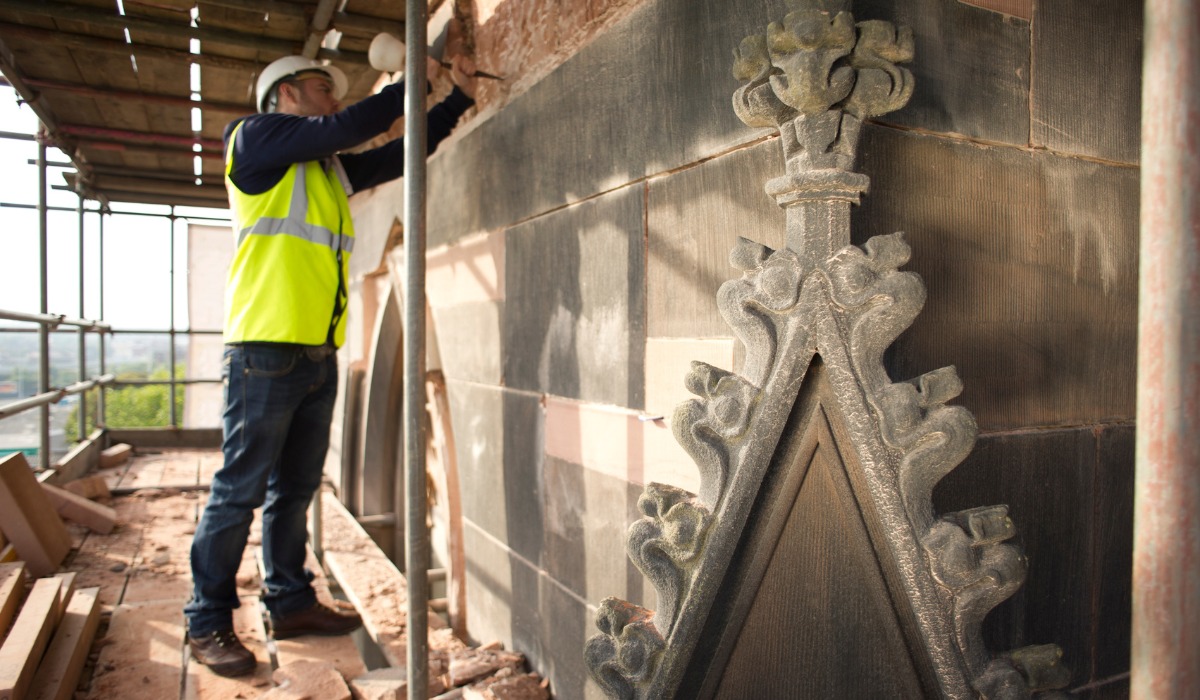
Choosing among church renovation companies comes down to five comparable factors: restoration experience, documented process, communication style, disruption planning, and transparency around pricing assumptions. Weighing these factors side by side gives a committee a fairer comparison than price alone.
1. Experience With Sacred Spaces
A contractor who regularly works in churches, synagogues, or temples will understand pew layouts, sanctuary acoustics, liturgical seasons, and the significance tied to original woodwork or stained glass. General residential or commercial contractors may lack this specific background, even when their pricing looks competitive.
2. Documented Process
Ask each bidder to walk through their process from site assessment to final walkthrough. A vague answer is a warning sign. A clear, step-by-step explanation, ideally matching what appears in the written bid, signals a contractor who has done this work repeatedly.
3. Communication and Committee Fit
Church renovations often involve a building committee, clergy, and sometimes a denominational body. Contractors should be comfortable presenting updates to a group, answering technical questions in plain language, and adjusting communication style for a non-construction audience.
4. Disruption Planning
Ask how each contractor plans to work around Sunday services, weddings, funerals, and holiday schedules. Bids that address phasing, protective coverings for pews and flooring, and dust or noise control show a contractor thinking beyond the job site itself.
5. Pricing Transparency
Every bid should explain what assumptions the price is built on, such as expected material costs, labor hours, and site access. A bid with no explanation of these variables makes it harder to compare fairly against competitors.
READ MORE: Church Pew Repair vs. Replacement: What to Consider Before You Decide
How Should Committees Compare Renovation Costs Without Locking Into a Fixed Number?
Church renovation costs vary based on the scope of work, site conditions, material selections, project complexity, labor requirements, and accessibility of the building. Rather than expecting one universal figure, committees should treat each bid as an estimate built around their sanctuary’s specific circumstances.
Several variables shape where a project may fall within a cost range:
- Scope of work, such as pew refinishing versus full replacement, or spot plaster repair versus full ceiling restoration
- Building age and condition, including hidden damage that may surface once work begins
- Material choices, from standard fabrics and finishes to custom, historically matched materials
- Site accessibility, including tower access, scaffolding needs, and interior protection during active use
- Timeline and scheduling, especially when work must pause around services or seasonal events
Because project pricing varies significantly based on these and other unique site variables, it is best to work directly with an experienced church renovation contractor who can provide a comprehensive on-site assessment and a tailored estimate for your project.
Why Does Contractor Trust Matter More Than the Lowest Bid?
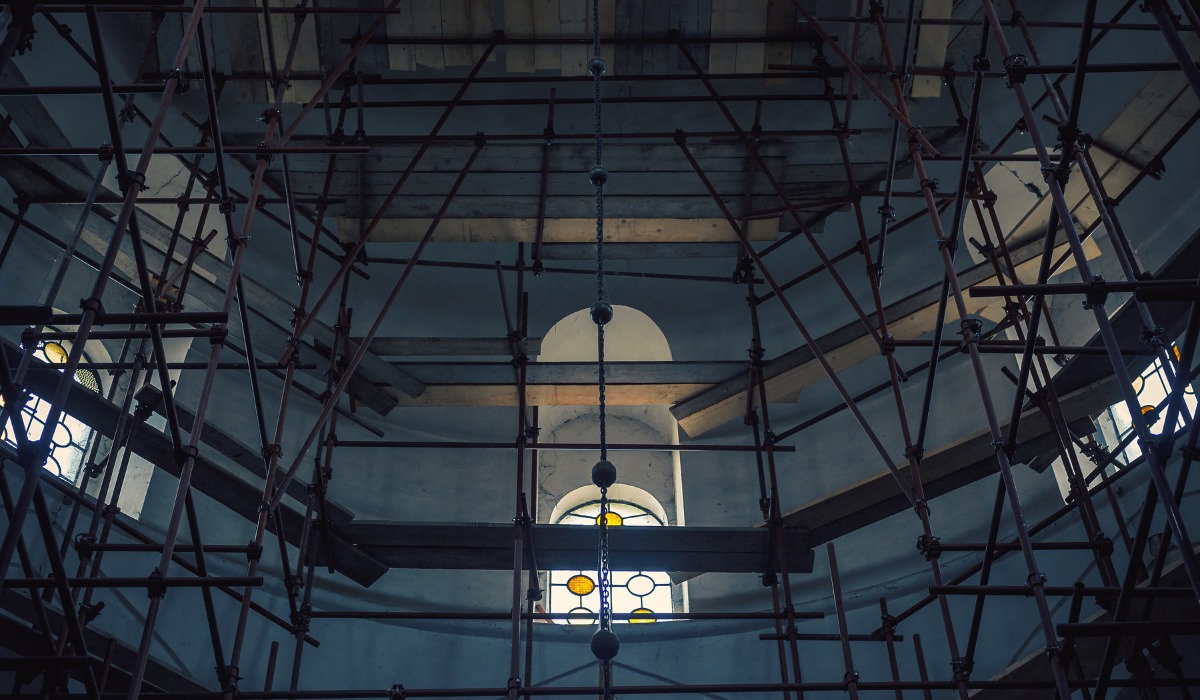
The lowest bid is not automatically the best value, especially when a sanctuary contains original woodwork, historic plaster, or stained glass that cannot be replaced once damaged. Trust, documented experience, and a clear process protect both the budget and the building over the life of the project.
Artech Church Interiors, Inc. works with churches, synagogues, and temples throughout Connecticut, New York, New Jersey, Massachusetts, Rhode Island, and the broader Northeast on pew refinishing, seating restoration, flooring, painting, plaster repair, and full sanctuary renovation planning.
Building committees evaluating multiple bids may bring in a specialized restoration team to review scope language, flag missing details, or explain what a particular repair typically involves before signing with any contractor. This kind of second opinion can be part of the comparison process itself.
Frequently Asked Questions
How many bids should a church building committee collect before deciding?
Most consumer protection guidance recommends contacting at least three contractors and comparing written estimates. For church renovation projects, three to five bids from contractors with relevant sacred-space experience gives a committee a reasonable comparison range.
Do all New York churches need Landmarks Preservation Commission approval before renovating?
Not necessarily. Approval requirements typically apply to properties in designated historic districts or individual landmark properties. If you are unsure whether your project qualifies, verify your building’s status directly with the New York City Landmarks Preservation Commission to determine whether your planned improvements require review.
What should be included in a written renovation contract in New York?
Beyond basic details like contractor information, timelines, payment terms, and material specifications, a church renovation contract should protect the congregation’s investment and worship schedule. It should link payment schedules to verified project milestones, detail phasing plans to reduce disruptions to services, and set clear, material-specific scopes that respect the sanctuary’s architectural and spiritual significance.
Can a church get financial assistance for exterior restoration work?
Some congregations may qualify for matching grants through programs such as the New York Landmarks Conservancy’s Sacred Sites Program, which has supported religious institutions statewide with funding for roof, masonry, and stained-glass restoration. Eligibility and available funding vary by project and should be confirmed directly with the program.
What is the biggest mistake committees make when comparing bids?
Comparing only the bottom-line total without reviewing scope, materials, and assumptions behind each number. A lower bid missing key line items can result in change orders that raise the final cost well above a more detailed, higher initial estimate.
How Can Your Church Compare Bids With Confidence and Move Forward?
Comparing church renovation bids does not need to feel like guesswork. A structured comparison, backed by written detail and a clear understanding of your building’s condition, gives your committee a stronger basis for its final decision.
Artech Church Interiors, Inc. brings decades of hands-on experience with sanctuary renovation, pew restoration, and historic interior work across New York and the greater Northeast.
If your building committee is preparing to compare bids or wants a knowledgeable second opinion on scope and pricing assumptions, we can walk through your project details and next steps.