
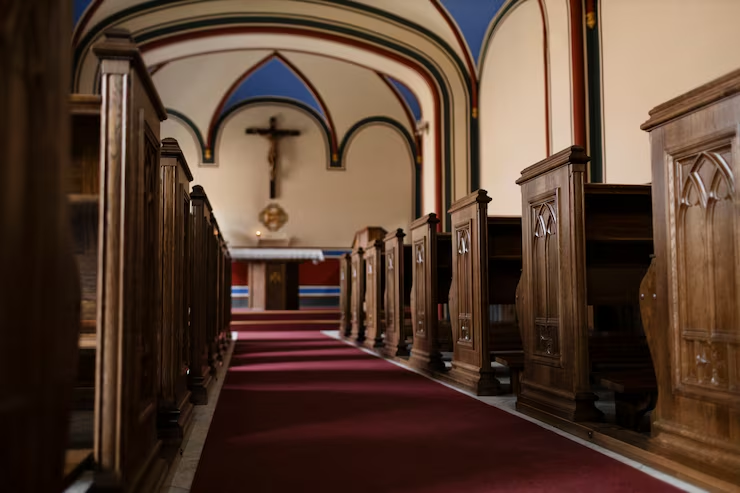
Furnishing a church sanctuary is one of the most meaningful investments a congregation will ever make. From the pulpit to the flooring, every element shapes the atmosphere of worship and the experience of fellowship. With about 67% of Americans still attending religious services in person, creating a welcoming and functional environment matters more than ever.
Among all the furnishings, church pews stand out as both iconic and often costly. Whether planning for a new sanctuary or restoring a historic chapel, understanding the potential costs of pews can help guide thoughtful decisions that balance tradition, comfort, and budget.
While the figures shared here are only estimates, working with a trusted partner like Artech Church Interiors can help ensure you find the right solution tailored to your congregation’s needs.
Table of Contents
Key Takeaways
✔ The cost of a church pew typically ranges from $200 to $600+ per linear foot, depending on wood type, upholstery, craftsmanship, and features.
✔ Most church pews measure between 10 and 20 feet, with 12 to 16 feet being the most common lengths for standard sanctuaries.
✔ Church pews usually weigh between 100 and 300+ pounds, depending on length and wood type, which impacts delivery, installation, and durability.
✔ Upholstery greatly influences both cost and comfort, with fabric, vinyl, and leather options offering different balances of durability, maintenance, and aesthetic appeal.
✔ Beyond size and materials, customization, refurbishing, delivery, and long-term value are major factors that shape the true cost of pew ownership.
What Is a Church Pew?
A church pew is a long, bench-style seating fixture designed for congregational worship. Traditionally crafted from solid wood, pews are often lined up in rows facing the altar or pulpit. Over the centuries, pews have evolved from simple wooden benches to refined, upholstered seating designed for both comfort and durability.
Key features often include:
- Bench seat: The main seating platform, sometimes padded.
- Backrest: Solid wood or upholstered for comfort.
- End caps: Decorative ends that may feature carvings or symbols.
- Kneelers and racks: Optional additions for hymnals, Bibles, or prayer books.
Today, pews are not just about function—they reflect the identity and style of the congregation. Understanding what a church pew is helps you appreciate the craftsmanship, customization, and costs involved.
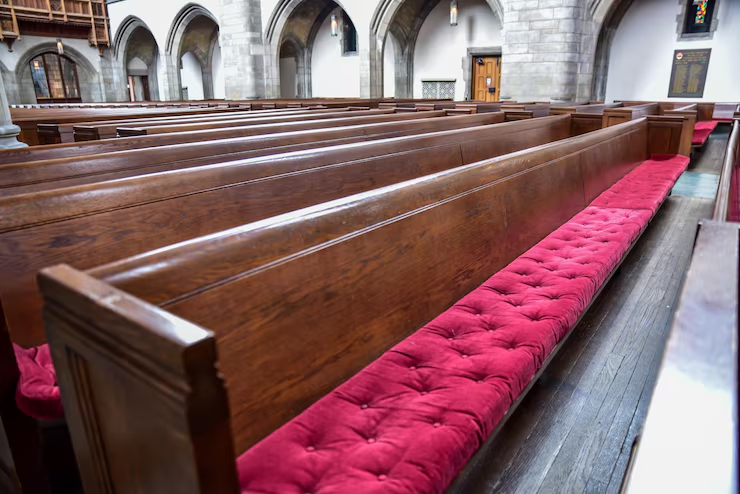
How Much Does a Church Pew Cost?
One of the first questions most congregations ask is: How much does a church pew cost? With the average U.S. church budget sitting around $365,000 a year, pew purchases can represent one of the largest capital expenses a congregation faces.
The answer varies widely, depending on materials, size, and design.
Average Price Range
- New pews: $200–$500 per linear foot.
- Refurbished pews: $150–$300 per linear foot.
- Custom pews: $600+ per linear foot for intricate designs or luxury materials.
For example, a standard 12-foot pew could cost anywhere from $2,400 to $6,000, while outfitting an entire sanctuary with dozens of pews could quickly run into the tens of thousands of dollars.
Key Cost Drivers
- Wood Type – Solid oak and mahogany cost more than pine or composite woods.
- Craftsmanship – Carved end caps, detailed finishes, and custom engravings increase labor costs.
- Upholstery – A significant factor in both comfort and price (more on this later).
- Features – Built-in book racks, kneelers, or custom logos add to the final bill.
Cost Breakdown Example
- A small rural church might spend $20,000–$30,000 for basic pews.
- A mid-size suburban church could invest $50,000–$80,000 for balanced comfort and design.
- A large cathedral with custom pews could easily exceed $100,000.
When asking how much a church pew costs, it’s important to factor in not just the price per pew, but also shipping, installation, and long-term maintenance.
How Long Is a Church Pew?
Length plays a major role in both cost and design. So, how long is a church pew?
Standard Lengths
Most pews fall between 10 and 20 feet long, with 12 and 16 feet being the most common. A 12-foot pew generally seats 8–10 adults comfortably, while a 20-foot pew can hold up to 15.
Custom Lengths
Some churches request custom pews to accommodate unique floor plans, architectural features, or ADA accessibility. Custom sizing generally raises the cost per linear foot, but it ensures the pews fit the space perfectly.
Length vs. Cost Consideration
- Longer pews may be more cost-effective per seat.
- However, oversized pews are harder to transport and install.
- Shorter pews offer greater flexibility in layout.
When asking how long a church pew is, the answer depends on your sanctuary’s size and seating goals.
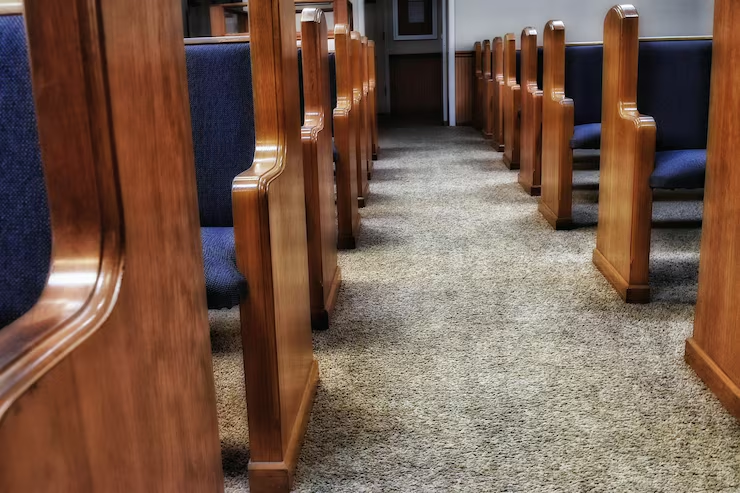
How Much Does a Church Pew Weigh?
Another question often overlooked is: how much does a church pew weigh?
Typical Weight Ranges
- Small pews (8–10 feet): 100–150 pounds.
- Medium pews (12–16 feet): 150–250 pounds.
- Large pews (18–20+ feet): 300+ pounds.
Why Weight Matters
- Transportation – Heavier pews increase freight costs.
- Installation – Moving large, heavy pews into place requires labor.
- Durability – Solid hardwood pews are heavier but often last decades.
Weight and Safety
Heavy pews are usually anchored to the floor for safety and stability, especially in high-capacity sanctuaries.
When considering how much a church pew weighs, remember that weight directly affects shipping, installation, and long-term handling.
Additional Factors That Influence Cost
While length, weight, and upholstery are the biggest cost drivers, there are several additional factors that influence how much a church pew costs. These often go overlooked during the planning stage, but they can significantly impact the total investment.
Customization & Design
Customization adds character and uniqueness to pews, but it also raises the price.
- Carved Ends and Engravings: Decorative end caps with crosses, scripture verses, or symbolic designs require extra craftsmanship. Hand-carved details are more expensive than machine-pressed options.
- Wood Stains and Finishes: Choosing between light, medium, or dark stains affects both appearance and cost. Specialty finishes, like distressed or two-tone effects, add elegance but increase labor and materials.
- Logos and Branding: Some churches incorporate their denomination’s logo or custom artwork into pews, which often involves specialized design work.
While these touches enhance the beauty of the sanctuary, each layer of customization comes with additional cost per linear foot.
Refurbishing vs. Buying New
For churches on a tighter budget, refurbishing old pews can be a practical alternative.
- Reupholstery: Swapping out worn fabric with new, stain-resistant upholstery can extend the lifespan of pews by decades.
- Wood Refinishing: Sanding and staining existing pews gives them a renewed, polished look at a fraction of the cost of replacement.
- Savings Potential: Refurbishing can cut costs by 30–50% compared to purchasing brand-new pews, especially if the pews are structurally sound.
The decision often comes down to balancing heritage vs. functionality. Some churches prefer keeping their original pews for sentimental or historical reasons, while others see the benefit of starting fresh.
Delivery & Installation
Getting pews from the manufacturer to your sanctuary is no small task.
- Freight Costs: Pews are large, heavy, and often shipped in bulk. Delivery can add several thousand dollars to the project, particularly for long-distance shipments.
- Labor Requirements: Professional installers are typically needed to move, align, and anchor pews. This is especially important for larger or older sanctuaries with tricky layouts.
- Anchoring and Safety: Permanent installation involves securing pews to the floor, which ensures stability but also increases labor time and cost.
These logistics should be factored into the budget from the beginning, as delivery and installation can represent 10–20% of the total project cost.
Long-Term Value
When evaluating how much a church pew costs, it’s important to think beyond the initial purchase price.
- Solid Wood Durability: While oak or mahogany pews may cost more upfront, they often last 40–50 years with proper care.
- Cheaper Materials: Pews made of softer woods or composites may save money initially but often wear out faster, requiring replacement in 10–15 years.
- Maintenance Costs: Upholstery replacement, refinishing, and repairs are ongoing expenses. Investing in high-quality materials up front usually means fewer repairs down the road.
Ultimately, the “cheapest” option isn’t always the most economical. A slightly higher upfront cost may translate into decades of reliable service, reducing the long-term expense per year of use.
Frequently Asked Questions
How many people can sit on a 12-foot pew?
A 12-foot pew typically accommodates between 14 to 15 adults comfortably, depending on body size and spacing. Children or smaller individuals may allow for a slightly higher capacity, while adults need more personal space. For safety and comfort, most churches plan seating capacity conservatively when calculating how many people fit.
How Many People Fit On One Church Pew?
On average, one church pew should not seat more than 14 to 15 people, even in larger lengths. This guideline ensures that everyone has enough space to sit comfortably without feeling overcrowded. Churches usually factor in personal space and accessibility when determining seating capacity.
What to do with old church pews?
Old church pews can be refurbished and reused within the same church or sold to other congregations looking for affordable seating. Some are repurposed into benches, dining furniture, or decorative pieces in homes and community spaces. If they’re beyond repair, churches may recycle the wood or donate it to organizations specializing in reclaimed materials.
Can you rent church pews?
Yes, many event rental companies offer church pew rentals for weddings, outdoor services, or special gatherings. Renting allows you to create a traditional church atmosphere without purchasing pews permanently. It’s an economical choice for one-time events where long-term seating is not needed.
How deep is a church pew?
The standard depth of a church pew seat is about 19 to 21 inches, providing enough room for comfortable seating during services. The backrest and additional upholstery can slightly increase overall depth. Custom pews may vary in depth depending on design preferences or space constraints.
How far apart should pews be?
Most churches space pews about 36 inches apart from back to back, which provides adequate legroom and space for kneeling if kneelers are installed. In sanctuaries with limited space, 32 inches may be used, but this can feel tighter. Wider spacing, such as 38 inches, offers more comfort and accessibility, especially for larger congregations.
Comfort, Craftsmanship, and Community—All in One Pew
At Artech Church Interiors, Inc., we take pride in helping places of worship like yours bring that vision to life. We craft premium-quality pews with meticulous attention to detail, combining timeless beauty with modern comfort. From solid wood frames to expertly tailored upholstery, every pew we design is built to endure while reflecting the character of your worship space.
Ready to transform your sanctuary with seating that blends elegance, comfort, and durability? Contact us today at Artech Church Interiors, Inc.