
Quick Facts
✅ Historic churches can be updated without losing their original character.
✅ Hidden tech and better systems improve function without visual disruption.
✅ Flexible modern church benches help churches support more than one use.
✅ Restoration-first upgrades protect the church’s most distinctive features.
✅ Strong renovations balance preservation, comfort, and accessibility.
What’s In This Guide
- Why Modernization Matters for Historic Churches
- 6 Modern Upgrades Churches Can Make Without Losing Historic Character
- How to Modernize a Historic Church Without Losing Its Character
- Key Considerations Before Starting a Church Renovation
- Frequently Asked Questions
- Upgrade Your Church with Purpose and Respect
Historic churches carry more than architectural value. They reflect generations of worship, community, and craftsmanship. But as time passes, many of these spaces face growing pressure to adapt. Changing congregational needs, evolving technology, and modern expectations for comfort and accessibility all require thoughtful updates.
The challenge is not whether to modernize, but how to do it without losing the character that makes these spaces meaningful. Careful upgrades can enhance function while preserving the details that define a church’s identity.
Here are key strategies for modern church upgrades without losing historic character.
Why Modernization Matters for Historic Churches
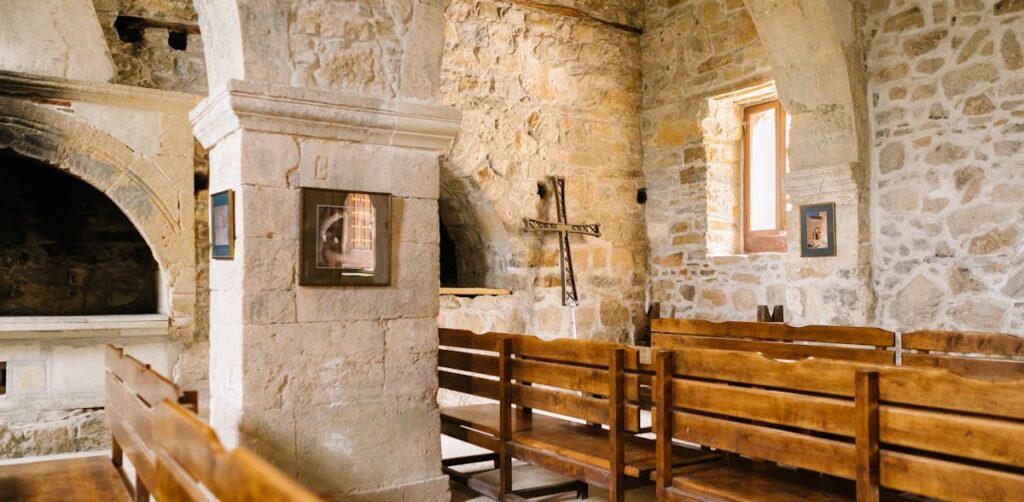
Meeting the Needs of Today’s Congregations
Churches today serve more than traditional worship functions. Many act as community hubs, hosting events, outreach programs, and gatherings throughout the week. This shift requires adaptable layouts, improved acoustics, and reliable technology for presentations and livestreaming.
Flexible environments are now central to effective ministry, which is why many churches are exploring church sanctuary remodel ideas that support multiple uses without altering the essence of the space.
Addressing Aging Infrastructure
Older buildings often rely on outdated electrical systems, inefficient heating, and inadequate lighting. These limitations can increase operating costs and reduce comfort.
The U.S. Department of Energy highlights that upgrading to energy-efficient systems can significantly reduce long-term expenses while improving occupant comfort. For churches, this is a practical step toward sustainability and stewardship.
6 Modern Upgrades Churches Can Make Without Losing Historic Character
1. Discreet Technology Integration
Technology is now essential for worship services, presentations, livestreaming, and special events. In a historic church, the challenge is adding these tools without letting them overpower stained glass, millwork, arches, or other defining details. The best solutions support modern use while staying visually quiet.
- Concealed wiring: Run cables behind walls, beneath flooring, or through architectural cavities so the sanctuary keeps a clean, uncluttered appearance.
- Low-profile speakers: Use recessed, surface-blended, or finish-matched speakers that improve sound coverage without drawing the eye.
- Hidden projection systems: Choose retractable screens and discreet projector placement so visual tools are available only when needed.
- Display screens that blend in: Use screens that can show artwork or static images between services instead of leaving large dark panels visible.
- Subtle camera placement: Position livestreaming and recording equipment carefully so churches can expand outreach without changing the visual focus of the room.
2. Flexible Modern Church Pews and Multi-Use Worship Spaces
Historic sanctuaries were often designed for one fixed layout and one primary function. Many churches today need the space to support worship, fellowship, music, education, and community events. Modern church pews can make that possible while still respecting the original tone of the room.
- Church pews and chairs: Mixing church pews and chairs can create more layout flexibility for different events while preserving a traditional worship feel.
- Church pew refurbishing: Church pew refurbishing allows churches to restore wood finishes, reinforce structure, and add cushions instead of discarding original seating.
- Movable seating layouts: Reconfigurable arrangements make it easier to adapt the sanctuary for concerts, meetings, seasonal services, and outreach programs.
3. Accessibility and Comfort Upgrades
A church can remain historic in appearance while becoming more welcoming in daily use. Comfort and accessibility improvements help congregations serve older adults, families, and members with mobility needs more effectively. Although religious organizations are exempt from Title III of the ADA, accessibility upgrades still make the space easier to navigate, more inclusive, and more comfortable for everyday use. These improvements can have a meaningful impact even when they are visually understated.
- ADA-compliant ramps: Design ramps with materials and proportions that feel integrated with the existing entry sequence rather than added on.
- Platform lifts: Use compact lift solutions to improve access to elevated areas without introducing major visual disruption.
- Improved circulation: Adjust aisles, modern church benches, clearances, and entry points so movement through the sanctuary is safer and easier.
- Under-pew heating: Install localized heating that warms the pew in the church efficiently without requiring bulky visible equipment.
- Under-floor heating: Provide more even temperature control while keeping vents and mechanical elements largely out of sight.
- Energy-efficient HVAC systems: Upgrade climate systems to improve year-round comfort and reduce energy waste in older buildings.
4. Restoration of Original Features
Some of the most meaningful upgrades begin with preserving what already gives the church its identity. Historic features are often impossible to fully replicate once removed, which is why restoration should lead the process wherever feasible. Modern performance improvements can often be added around these elements rather than in place of them.
- Stained-glass repair: Restore cracked or aging stained glass to protect original artistry and keep historic window designs intact.
- Protective glazing: Add exterior protection to fragile windows to improve durability and thermal performance without changing their interior beauty.
- Woodwork refinishing: Clean, repair, and refinish original trim, paneling, rails, and doors to bring back depth and warmth.
- Plaster and molding repair: Preserve ornamental ceilings, cornices, and wall detailing that contribute to the church’s architectural character.
- Selective replacement only where necessary: Replace damaged materials only when repair is no longer practical, reducing unnecessary loss of original craftsmanship.
5. Lighting Improvements for Warmth and Function
Lighting can completely reshape how a historic sanctuary feels. Many older systems leave churches too dim for reading, unevenly lit for events, or costly to operate. A well-planned upgrade improves visibility and flexibility while still protecting the warmth and reverence people expect from the space.
- Warm LED lighting: Improve efficiency and lamp life while maintaining a softer, more inviting tone throughout the sanctuary.
- Layered lighting: Use separate lighting levels for worship, music, speaking, and gatherings so the room can support multiple functions.
- Architectural highlighting: Illuminate altars, beams, stained glass, and ornamental details to strengthen the room’s historic presence.
- Style-conscious fixtures: Select fixtures that feel consistent with the church’s architecture rather than looking overly commercial or contemporary.
- Lighting controls: Add dimming zones and programmable settings to make the space easier to use throughout the week.
6. Flooring Upgrades for Durability and Accessibility
Flooring affects both the appearance and performance of a church interior. It influences acoustics, maintenance, walking safety, and accessibility. Thoughtful flooring updates can strengthen the space for long-term use while keeping the overall design cohesive.
- Refinished original wood floors: Restore existing hardwood where possible to preserve material authenticity and extend service life.
- Durable replacement materials: Where original flooring cannot be saved, choose materials that hold up to heavy use without feeling visually disconnected.
- Accessible walking surfaces: Improve stability and ease of movement with smoother transitions and more user-friendly floor finishes.
- Low-maintenance finishes: Reduce ongoing upkeep by selecting surfaces that are easier to clean and less prone to wear.
- Consistent visual integration: Match new flooring choices to surrounding woodwork, pew in church, and architectural finishes so updates feel intentional.
How to Modernize a Historic Church Without Losing Its Character
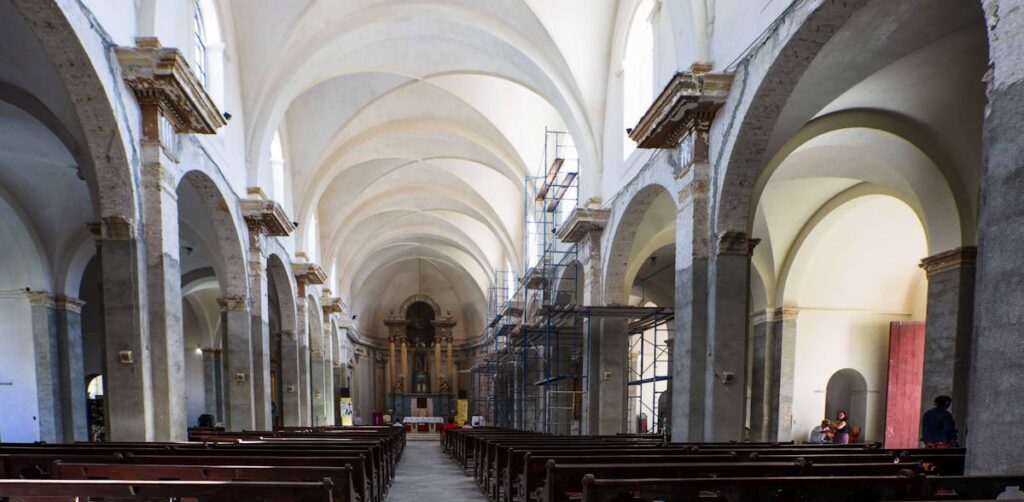
Step 1: Conduct a Historical and Structural Assessment
Begin by identifying which elements define the building’s character. This includes architectural features, materials, and layout. A thorough assessment also evaluates structural integrity and system performance.
Step 2: Define Modern Needs
Clarify how the space will be used today and in the future. Consider worship style, community activities, and technology requirements. This step ensures that upgrades align with actual needs rather than assumptions.
Step 3: Prioritize Restoration Over Replacement
Determine which features can be restored instead of replaced. Preservation maintains authenticity and often reduces long-term costs.
Step 4: Plan Invisible Upgrades First
Focus on systems that improve function without affecting appearance. This includes HVAC, electrical, and AV infrastructure.
Step 5: Choose Complementary Materials and Designs
Select finishes and materials that match the original architecture. Consistency in color, texture, and style is essential.
Step 6: Ensure Accessibility and Compliance
Incorporate ADA requirements and safety standards into the design. These upgrades should feel integrated rather than added on.
Step 7: Phase the Project Strategically
Plan renovations in stages to manage budgets and minimize disruption to services.
➤ RELATED ARTICLE: How to Modernize a Church Without Losing Its History: 8 Tips from a Historic Renovation Contractor
Key Considerations Before Starting a Church Renovation
Thorough Assessments Are Essential
A successful renovation begins with understanding the building. Historical evaluations and energy audits provide valuable insight into what should be preserved and what needs improvement.
Work With Specialists in Church Renovation
Historic church renovation requires specialized knowledge. Contractors must understand both construction techniques and the significance of sacred spaces.
Engage the Congregation and Community
Congregational input ensures that upgrades reflect the needs and values of the people who use the space. This also builds support for the project.
Budget for Long-Term Value
Balancing restoration and modernization requires careful planning. Investing in energy-efficient systems and durable materials can reduce future costs.
Frequently Asked Questions
How long does a church renovation typically take?
Timelines vary depending on the size of the church and the scope of work. Smaller upgrades can take a few weeks, while larger renovations may take several months. Phasing the project can help reduce downtime. Planning and approvals often take as long as construction.
What is the first step in planning a church upgrade?
The first step is understanding the current condition of the building. This includes identifying structural needs and key features to preserve. Churches should also define how the space will be used moving forward. Clear priorities make planning more efficient.
How can churches plan upgrades on a limited budget?
Start by focusing on high-impact improvements like lighting and seating. Phasing the project allows upgrades to be completed over time. Restoration is often more cost-effective than full replacement. Long-term savings from energy-efficient systems can offset upfront costs.
How do you maintain the church’s identity during renovations?
Focus on preserving original materials and architectural details. New additions should match the style and scale of the existing space. Avoid overly modern elements that clash with the design. Consistency helps maintain the church’s visual identity.
What should churches avoid during a remodel?
Avoid removing original features without evaluating their value. Poorly integrated technology and mismatched materials can disrupt the space. Rushing decisions without proper planning often leads to costly changes later. Working with experienced professionals reduces these risks.
Upgrade Your Church with Purpose and Respect
Modernizing a historic church is not about choosing between the past and the future. It is about bringing them together in a way that feels intentional, seamless, and respectful.
By focusing on restoration, integrating technology discreetly, and designing for flexibility and accessibility, churches can remain both relevant and rooted in their heritage.
For congregations seeking to navigate this balance with confidence, working with experienced specialists like Artech Church Interiors, Inc. can help ensure that every upgrade enhances both function and character.
Contact our team today to start planning thoughtful upgrades that preserve your church’s history while supporting its future.