
Quick Facts
✔️ A failed mortar lets water in and leads to bigger brick and interior damage.
✔️ Repointing costs less than waiting for major masonry repairs.
✔️ Crumbling mortar, spalling brick, and cracks are early warning signs.
✔️ Historic churches need the right mortar and skilled repair work.
✔️ Annual inspections help catch damage before costs rise.
What's In This Guide
Many older church buildings face a common but often overlooked issue: failing brickwork. What starts as small mortar damage can gradually lead to moisture problems, interior deterioration, and more serious repair needs.
Repointing is more than a line-item expense. It is a preventative repair that helps protect the building from more serious damage over time. While the scope of work can vary, delaying masonry repairs often leads to more extensive damage and higher restoration needs later on. For churches focused on long-term preservation, timely repointing is an important part of responsible building care.
Why Church Brickwork Fails Over Time
Church brickwork deteriorates gradually due to environmental exposure and material aging, especially in older structures. Understanding the root causes helps churches plan maintenance early and avoid more expensive repairs over time.
Natural Mortar Deterioration
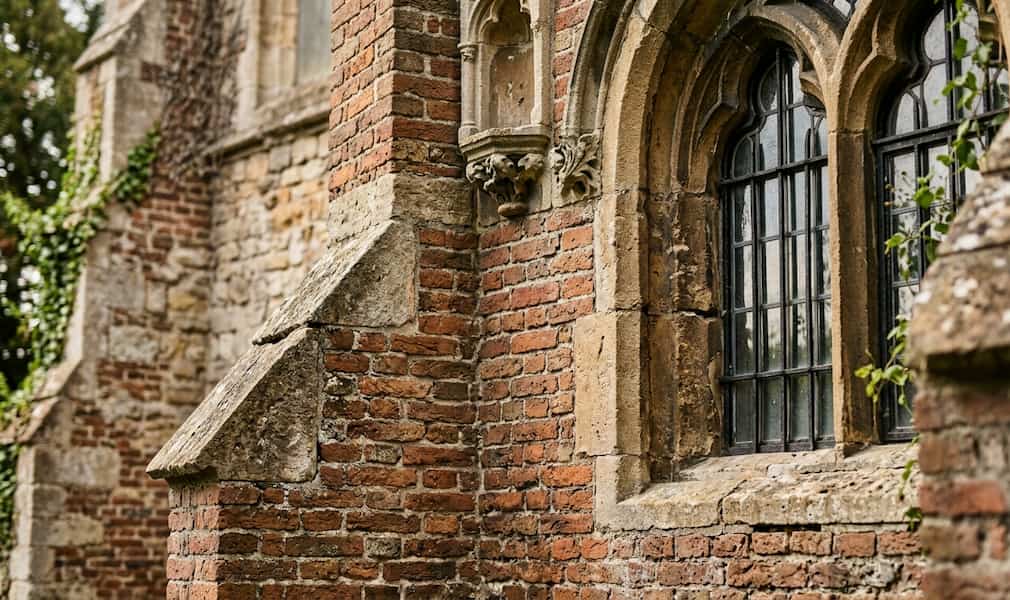
Mortar is designed to break down before the brick, but over time, it weakens and loses its ability to protect the structure. As joints deteriorate, gaps form that allow moisture to enter the wall system.
Moisture Penetration
Water is the primary cause of masonry damage because it seeps through failed joints and saturates the wall. This ongoing exposure accelerates decay and increases the need for intervention by experienced church restoration contractors.
Freeze-Thaw Cycles
In colder climates, trapped moisture freezes and expands within the masonry. This repeated expansion causes cracks in both mortar and brick, leading to progressive structural damage.
Improper Past Repairs
Using modern, hard mortar on historic brick can trap moisture and cause the brick itself to deteriorate. Incompatible materials often lead to faster deterioration and more complex repairs later.
Environmental and Urban Exposure
Pollution, temperature fluctuations, and constant weather exposure gradually weaken masonry surfaces. Over time, these conditions contribute to erosion, discoloration, and structural wear.
4 Key Signs Your Church Brickwork Is Failing
1. Crumbling or Missing Mortar
One of the earliest and most visible signs is mortar that crumbles or falls out. In some cases, it can be scraped away easily with a simple tool. This creates gaps where water can enter the wall system.
2. Cracked or Spalling Bricks
Spalling occurs when the surface of the brick begins to break or flake off. This often happens because moisture has penetrated through failed mortar joints. As water freezes and expands, it forces the brick surface to break apart.
3. Efflorescence (White Powdery Deposits)
Efflorescence appears as a white, powdery residue on brick surfaces. It forms when water moves through masonry and deposits salts on the surface. While it may seem cosmetic, it is a clear indicator of moisture intrusion.
4. Structural Red Flags
More advanced deterioration can lead to bulging walls or stair-step cracks along mortar joints. These signs suggest deeper structural concerns and should be addressed immediately to prevent further damage.
What Is Repointing and Why Does It Matter
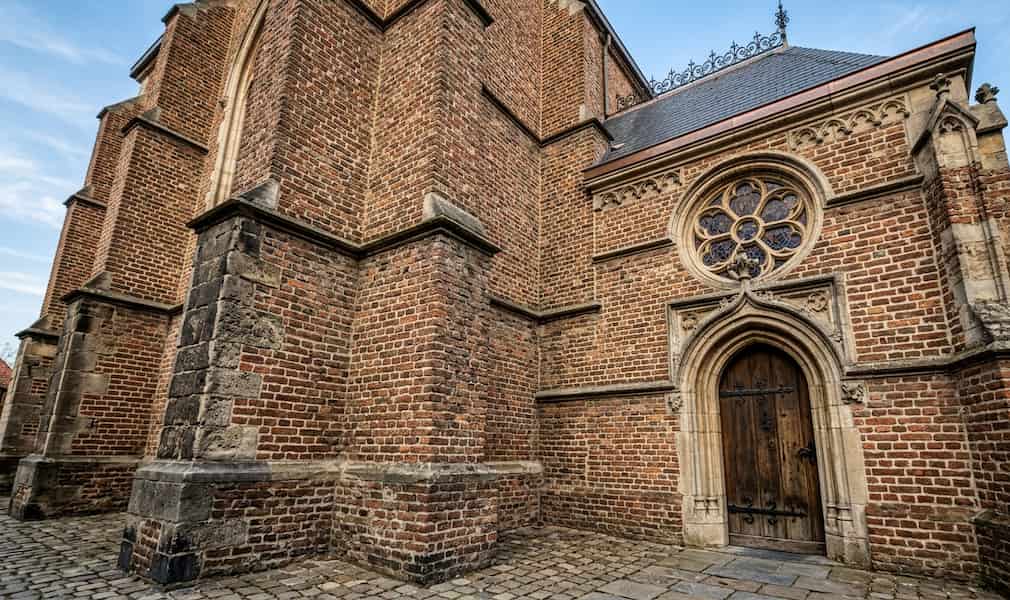
Repointing is the process of removing deteriorated mortar from between bricks and replacing it with new mortar that matches the original in composition and appearance.
Why Repointing Is Critical for Churches
For older buildings in particular, timely repairs can help preserve both performance and appearance while keeping the cost of repointing brickwork from growing unnecessarily.
Stops Moisture From Entering the Walls
Repointing restores the mortar joints that help keep water out of the masonry system. This reduces the risk of long-term damage caused by trapped moisture and repeated exposure.
Supports Structural Stability
Sound mortar joints help brick walls stay secure and properly bonded over time. When joints begin to fail, the structure becomes more vulnerable to shifting, cracking, and further deterioration.
Protects Interior Finishes
Moisture that enters through damaged joints can affect plaster, paint, woodwork, and other interior materials. Repointing helps prevent that damage by addressing the problem at the exterior surface.
Preserves Historic Character
For older churches, repointing helps maintain the original look and function of the masonry. Using the right materials and methods protects the building’s architectural integrity without causing additional stress to the brick.
Reduces Future Repair Needs
Addressing failing mortar early can help prevent more extensive masonry problems later. This is one reason churches often work with experienced church restoration contractors when evaluating long-term upkeep and repointing brickwork costs.
Repointing vs. Other Masonry Repairs
| Repair Type | Purpose | Scope of Work | When It’s Used |
| Repointing | Restores structural integrity | Replaces deteriorated mortar | Early-stage damage to prevent escalation |
| Tuckpointing | Improves appearance | Adds cosmetic mortar detailing | When enhancing visual uniformity |
| Reconstruction | Rebuilds damaged masonry | Replaces bricks and structure | Severe damage or structural failure |
| Repair Type | Purpose | Scope of Work | When It’s Used |
|---|---|---|---|
| Repointing | Restores structural integrity | Replaces deteriorated mortar | Early-stage damage to prevent escalation |
| Tuckpointing | Improves appearance | Adds cosmetic mortar detailing | When enhancing visual uniformity |
| Reconstruction | Rebuilds damaged masonry | Replaces bricks and structure | Severe damage or structural failure |
What Repointing Really Costs (Beyond the Price Tag): Key Factors
Repointing costs are shaped by more than just the size of the repair area. The cost to repoint brick is typically between $3 and $20 per square foot, depending on several factors, and older masonry often requires more careful work that can raise the overall repointing brickwork cost.
Age and Condition of the Brick
Older church brick usually requires a gentler approach to avoid damage during mortar removal. If the masonry is fragile or historically significant, the work becomes more labor-intensive and precise.
Extent of Mortar Deterioration
The more widespread the joint damage, the more time and materials the project will require. Small isolated repairs are usually simpler, while widespread failure calls for a broader restoration plan.
Accessibility of the Repair Area
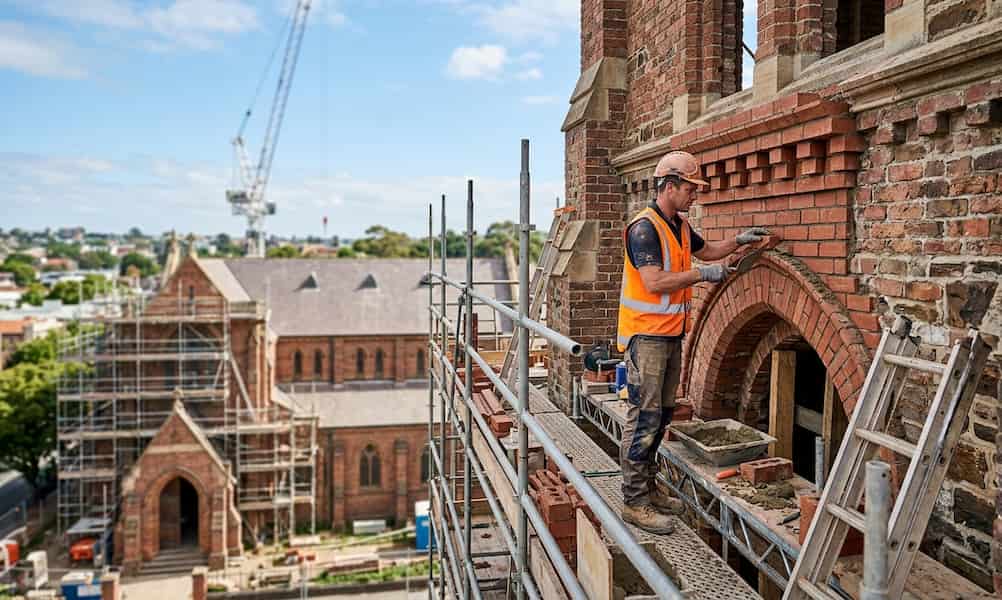
Church buildings often include high walls, towers, and detailed architectural features that are harder to reach. These conditions can make the project more complex and often require specialized access equipment.
Mortar Matching Requirements
Historic churches need mortar that matches the original material in strength, texture, and appearance. Proper matching is essential to preserve the brick and is one reason many churches rely on experienced church restoration contractors.
Skill and Project Complexity
Repointing is detailed work that depends heavily on craftsmanship, especially in older religious buildings. The complexity of the structure, the condition of the joints, and the need to protect historic features all influence the final scope of work.
Why Waiting Costs More Than Repointing
Delaying masonry repairs often turns a manageable issue into a much larger and more expensive problem. For churches, acting early can help limit damage, preserve original materials, and keep repointing brickwork cost from escalating into broader restoration work.
Moisture Damage Spreads Quickly
Once mortar joints begin to fail, water can move deeper into the wall system and affect more than just the surface. What starts as a small exterior issue can gradually lead to widespread masonry deterioration.
Freeze-Thaw Damage Worsens Brick Failure
In colder conditions, trapped moisture expands as it freezes and puts pressure on both mortar and brick. This cycle increases cracking, surface loss, and long-term structural wear.
Interior Materials Can Be Affected
Water intrusion can eventually reach interior plaster, wood trim, painted finishes, and other sensitive features. For churches with historic interiors, this can create added repair needs beyond the exterior masonry.
Air Leaks Can Increase Operating Costs
Open joints and damaged masonry can allow outside air to enter the building more easily. In large worship spaces, this can make it harder to maintain consistent indoor temperatures.
Minor Repairs Can Turn Into Major Restoration
When repointing is postponed too long, damaged areas may no longer be repairable through mortar work alone. That is often when churches need more extensive solutions and begin consulting church restoration contractors for larger-scale masonry repairs.
How to Assess and Prioritize Repointing Needs (Step-by-Step)
Step 1 – Conduct an Annual Masonry Inspection
Inspect your church’s exterior at least once a year, ideally after winter. Look for visible cracks, missing mortar, and signs of moisture.
Step 2 – Identify High-Risk Areas
Focus on areas exposed to water, such as around gutters, roofs, and windows. Elevated sections like towers are also more vulnerable due to weather exposure.
Step 3 – Document Visible Damage
Take photos and track changes over time. This helps identify patterns and supports better planning for repairs.
Step 4 – Consult a Qualified Masonry Specialist
Professional evaluation is essential, especially for historic structures. Specialists can determine the extent of damage and recommend appropriate solutions.
Step 5 – Prioritize Repairs Strategically
Address the most damaged areas first to prevent further water infiltration. Phased repairs can help manage costs while protecting the building.
Choosing the Right Church Restoration Contractors for Repointing
Experience with Historic Structures
Not all contractors are equipped to handle historic masonry. Churches require professionals who understand traditional materials and construction methods.
Proper Mortar Selection
Using the correct mortar is critical. Lime-based mortar is often necessary for older buildings because it allows the structure to breathe and move naturally.
Safety and Accessibility Planning
Churches often require work at significant heights. Proper safety measures and equipment are essential for efficient and secure project execution.
Attention to Architectural Detail
Repointing should preserve the original appearance of the church. Skilled craftsmanship ensures that repairs blend seamlessly with existing masonry.
Frequently Asked Questions (FAQs)
How often should church masonry be repointed?
It depends on environmental conditions and material quality, but many buildings require repointing every few decades. Regular inspections help determine timing.
Can repointing be done in phases?
Yes. Many churches complete repointing in stages to manage budgets while addressing the most critical areas first.
Is repointing disruptive to church activities?
In most cases, work can be scheduled to minimize disruption. Exterior work typically has a limited impact on interior use.
What happens if repointing is done incorrectly?
Improper materials or techniques can damage brick and accelerate deterioration. This is why experienced professionals are essential.
How long does repointing last?
When done correctly, repointing can last for decades. Longevity depends on materials, workmanship, and environmental exposure.

Protect Your Church Before Small Damage Becomes Structural Failure
Failing mortar is not just a cosmetic issue. It is an early warning sign of bigger structural risks that can compromise your church’s safety, appearance, and longevity.
Taking action early through repointing helps prevent costly repairs, protects interior spaces, and preserves the building for future generations. Churches that prioritize maintenance are better positioned to manage long-term costs and avoid unexpected damage.
For churches seeking experienced guidance, working with specialists like Artech Church Interiors, Inc. can help ensure masonry repairs are handled with the care and expertise historic structures require.
Contact Artech Church Interiors, Inc. to get started.