
What’s In This Guide
- Why Is Historic Church Restoration in Boston More Complex Than a Standard Renovation?
- How Do You Plan a Historic Church Restoration Project in Boston Step by Step?
- What Are the Most Common Restoration Needs in Boston’s Older Church Buildings?
- What Are the Most Common Mistakes Boston Churches Make During Restoration Planning?
- Frequently Asked Questions
- Start Planning Your Boston Church Restoration Project
Quick Facts
- Historic church restoration in Boston often requires preservation-specific expertise beyond standard general contracting.
- The Secretary of the Interior’s Standards defines four treatments: preservation, rehabilitation, restoration, and reconstruction
- Restoration costs vary depending on scope and materials
- Religious institutions are fully exempt from Title III of the ADA
- Funding sources include Federal Historic Tax Credits (20%) and Massachusetts CPA grants
Why Is Historic Church Restoration in Boston More Complex Than a Standard Renovation?
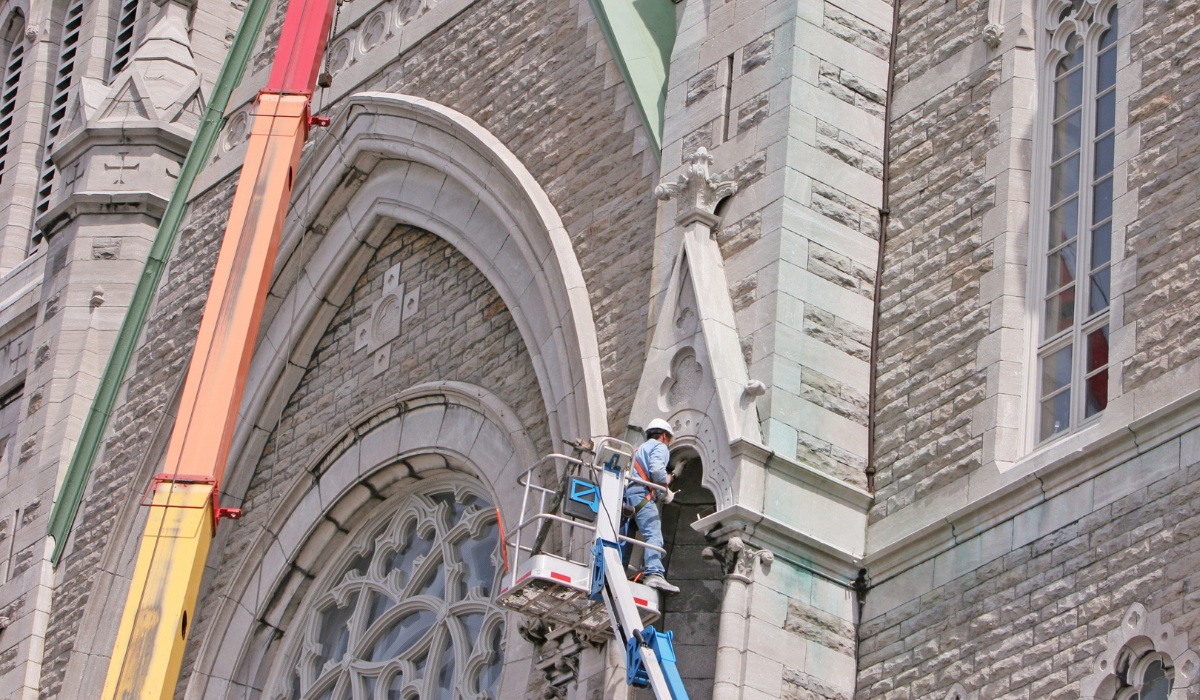
Boston’s historic churches are not standard renovation projects. Many were built before 1900 using materials, including brick masonry, lime-based plaster, hand-crafted woodwork, and original stained glass, that require preservation-specific approaches general contractors are not trained to execute.
The terminology also matters. The Secretary of the Interior’s Standards for the Treatment of Historic Properties define four distinct treatments, and misidentifying the correct one early in planning can create conflicts with Massachusetts Historical Commission (MHC) or Boston Landmarks Commission (BLC) review later:
|
Treatment |
Definition |
Common Church Application |
|
Preservation |
Maintaining and stabilizing existing historic form and materials with minimal intervention |
Stabilizing original plaster, cleaning masonry, protecting historic woodwork |
|
Rehabilitation |
Updating a property for continued use while preserving character-defining features |
Accessibility improvements, mechanical system upgrades, pew restoration |
|
Restoration |
Returning a property to its appearance at a specific historic period |
Recreating a removed feature, reversing incompatible alterations |
|
Reconstruction |
Rebuilding a non-surviving historic feature based on documentary evidence |
Replacing a lost steeple, replicating destroyed decorative elements |
How Do You Plan a Historic Church Restoration Project in Boston Step by Step?
Step 1: Conduct a Professional Building Condition Assessment
No budget, timeline, or scope should be developed before a condition assessment from a church restoration company in MA is complete. Any figures discussed without one are guesswork.
A qualified preservation architect or church restoration specialist in Massachusetts evaluates:
- Structural system integrity
- Exterior building envelope
- Interior finishes and historic fabric
- Mechanical, electrical, and plumbing systems
Step 2: Identify Preservation Requirements and Accessibility Obligations
On accessibility, religious entities are generally exempt from Title III of the Americans with Disabilities Act, including facilities, programs, and activities that are religious or secular in nature. However, that exemption does not mean accessibility can be ignored during historic church restoration planning.
Depending on the project, accessibility requirements may still come from federal funding conditions, Section 504 of the Rehabilitation Act, Massachusetts or Boston building codes, licensing requirements, or the scope of new construction and alterations. Building committees should confirm applicable requirements early with the project architect, code consultant, preservation team, or local review authority.
Even where accessibility improvements are voluntary, many Boston congregations choose to improve access for members, visitors, staff, and volunteers. In historic buildings, those updates need to be planned carefully so they support usability without damaging character-defining features.
Common planning options may include:
- Positioning ramps to reduce impact on historic entrances
- Locating accessible restrooms in less character-defining areas
- Adding assistive listening systems without altering historic finishes
- Coordinating accessibility upgrades with preservation review before work begins
Step 3: Prioritize the Scope and Build a Phased Plan
A phased plan sequences work to keep the sanctuary functional while restoration proceeds.
|
Priority Tier |
Scope |
Rationale |
|
Critical |
Structural failures, roof leaks, life-safety systems |
Prevents accelerating damage and reduces safety risk |
|
Important |
Envelope repair, window stabilization, plaster restoration |
Protects interior from moisture infiltration |
|
Planned |
Pew refinishing, sanctuary painting, lighting upgrades |
Comfort, appearance, and long-term usability |
Step 4: Establish a Realistic Budget and Explore Funding Sources
Historic church restoration in Boston costs more than standard commercial construction. Specialty labor, period-appropriate materials, urban scaffold access, and regulatory permitting all drive costs higher.
Funding sources worth pursuing before scope is finalized:
- Federal Historic Tax Credits: A 20% credit for certified rehabilitations, administered through the National Park Service and MHC
- Massachusetts CPA Funds: Boston’s Community Preservation Committee distributes local allocations for historic preservation
- MHC Survey and Planning Grants: Cover planning-level work including condition assessments and formal preservation plans
- Denomination or Diocese Capital Funds: Many religious bodies maintain dedicated capital improvement funds for member congregations
Step 5: Select the Right Historic Preservation Contractor in Massachusetts
Not every contractor who lists restoration services has experience with historic religious buildings. For a designated property in Boston, the distinction matters.
Look for a church restoration company in MA that can demonstrate:
- Completed projects involving religious buildings of comparable age and construction type
- Familiarity with MHC and BLC review processes
- Hands-on experience with lime plaster, historic masonry, and original wood systems
- A scheduling approach built around active congregational use
- References from sanctuary renovation projects in Massachusetts or New England
What Are the Most Common Restoration Needs in Boston’s Older Church Buildings?
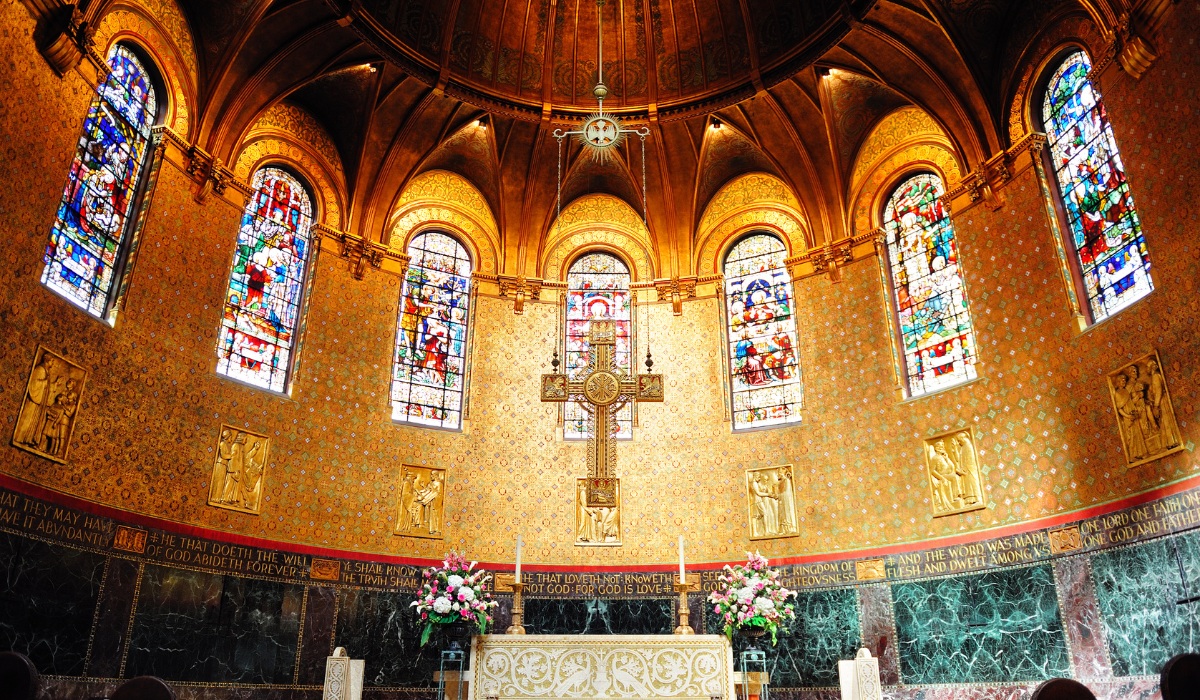
Boston-area churches built before 1920 tend to present the same recurring issues. Each carries specific planning implications:
Masonry Repointing
Deteriorating mortar joints allow moisture to infiltrate the wall assembly, accelerating damage to both the exterior envelope and interior finishes.
Key church renovation planning notes:
- Replacement mortar must match the original in strength, composition, and appearance
- Modern Portland cement mortar can damage historic soft brick when it is incompatible with the original masonry system.
- Repointing on a designated property is not a standard masonry job
Interior Plaster Repair
Lime-based plaster systems were standard in pre-1920 construction. Cracking, separation from the lath, and section failure are common, especially where roof or envelope failures have allowed water infiltration.
- Original material should be stabilized and preserved wherever possible
- Compatible patching compounds are required, not modern drywall alternatives
- Water source must be resolved before any plaster repair begins
Stained Glass Stabilization
Lead came fatigue, cracked panes, and failing protective glazing appear routinely in older Boston churches. Stained glass restoration requires a dedicated specialist, not a general glazier.
- Stained glass work on BLC-designated properties may trigger a separate review process
- Properly designed exterior protective glazing systems can help extend the service life of original stained glass.
- Releading and stabilization are often more cost-effective than full panel replacement
Pew and Interior Woodwork Restoration
Original pews, wainscoting, altar millwork, and choir furnishings show wear after decades of regular use. Loose joinery, worn finishes, and damaged upholstery are the most common conditions.
- Church pew restoration extends service life without full replacement
- Structural reinforcement combined with professional refinishing preserves original sanctuary character
- Woodwork restoration is typically sequenced in the later phases of a restoration project
Roof and Steeple Repair
Failing flashing, deteriorating slate, and structural movement in steeple framing are consistent findings in Boston church assessments. Roof failures are also the primary driver of interior plaster and stained glass damage.
- Steeple repair often involves both structural engineering and preservation review
- BLC-designated properties require approval for exterior alterations, including steeple work
- Addressing roof failures early in the project protects all other interior restoration work
Electrical and HVAC System Upgrades
Outdated panels, aging wiring, and insufficient mechanical systems are common in pre-1920 religious buildings. Replacement is often necessary, but routing new systems through a historic building requires careful coordination.
- New mechanical runs must avoid damaging decorative ceilings, original woodwork, and character-defining finishes
- Mechanical upgrades should be planned in coordination with the full restoration scope
- A historic preservation contractor in Massachusetts will integrate system upgrades without compromising historic integrity
➤ YOU MIGHT ALSO LIKE: 8 Signs Your Church Needs Immediate Facade Repairs
What Are the Most Common Mistakes Boston Churches Make During Restoration Planning?
Skipping the Condition Assessment to Save Time
Committees often move straight to contractor bids without a professional building condition assessment. The result is scopes built on assumptions, budgets that collapse mid-project, and change orders that could have been avoided. A condition assessment is not optional; it is the document everything else depends on.
Hiring a General Contractor Instead of a Preservation Specialist
General contractors build. Historic preservation contractors restore. A contractor unfamiliar with MHC or BLC requirements, lime-based plaster systems, or the Secretary of the Interior’s Standards can cause compliance problems and irreversible material damage that a preservation specialist would have avoided.
Starting Interior Work Before Fixing the Building Envelope
Refinishing pews or repairing plaster while the roof still leaks is one of the most common sequencing errors in historic church restoration. Moisture infiltration will undo interior work within a single winter. Envelope failures must be resolved before any interior restoration scope begins.
Underestimating What Historic Church Restoration in Boston Actually Costs
Committees frequently anchor early budgets to standard commercial construction figures. Historic sanctuary renovation in Boston costs more due to specialty labor, period-appropriate materials, urban scaffold access, and regulatory permitting. Generic estimates rarely survive contact with actual contractor proposals.
Applying for Funding After Work Has Already Started
Federal Historic Tax Credits and MHC Survey and Planning Grants require pre-approval before physical work begins. Committees that pursue funding retroactively often find themselves ineligible for programs that could have offset significant project costs.
Ignoring Designation Status Until a Problem Surfaces
Some committees discover mid-project that their building carries Boston Landmarks Commission designation, triggering a review process they did not plan for. Confirming designation status with MHC and BLC before engaging any contractor prevents delays and compliance issues that can halt active projects.
Treating Phasing as an Afterthought
Phasing decisions made after contractor selection create scheduling conflicts with congregational programming and compress work into windows that drive up costs. A phased restoration plan for an active house of worship needs to be structured from the beginning, not negotiated around an existing contract.
➤ YOU MIGHT ALSO LIKE: Why Does Lime Mortar Matter When Repointing Historic Boston Churches?
Frequently Asked Questions
How long does a historic church restoration project typically take?
Smaller interior projects, such as plaster repair in isolated areas or pew refinishing, can be completed in a matter of weeks. Full envelope or structural restorations in Boston can take many months and, in some cases, more than a year, especially when BLC or MHC review, specialty materials, fundraising, or phased construction is involved.
Can a congregation continue using the church during restoration?
Yes, in most cases. Phased scheduling and sequenced work areas allow congregations to maintain access to worship spaces throughout the project. Committees should discuss scheduling expectations with the contractor before signing any agreement.
Are there grants available specifically for historic church restoration in Massachusetts?
Yes. MHC Survey and Planning Grants, Boston’s CPA funds, and several preservation nonprofit programs provide financial support for eligible historic religious properties. Eligibility depends on designation status, project type, and application timing.
What is the difference between a church restoration company and a general contractor?
A specialized church restoration company in MA brings preservation-specific knowledge: familiarity with historic materials, fluency with MHC and BLC processes, and experience designing around active congregational schedules. A general contractor typically lacks the preservation training that historic religious buildings require.
Does being on the National Register of Historic Places restrict what a church can do?
National Register listing alone does not restrict private owners. Restrictions apply only when federal funding, federal tax credits, or federal permits are part of the project. Local designation through the Boston Landmarks Commission carries separate, often more direct restrictions on exterior alterations.
Start Planning Your Boston Church Restoration Project
Artech Church Interiors, Inc. provides historic sanctuary renovation and restoration services across Massachusetts and the broader Northeast. Building committees working with Artech receive experienced guidance on existing conditions, restoration priorities, and project planning.
Schedule a no-cost site visit in Boston to review your building’s needs before finalizing scope or budget.