
Key Takeaways
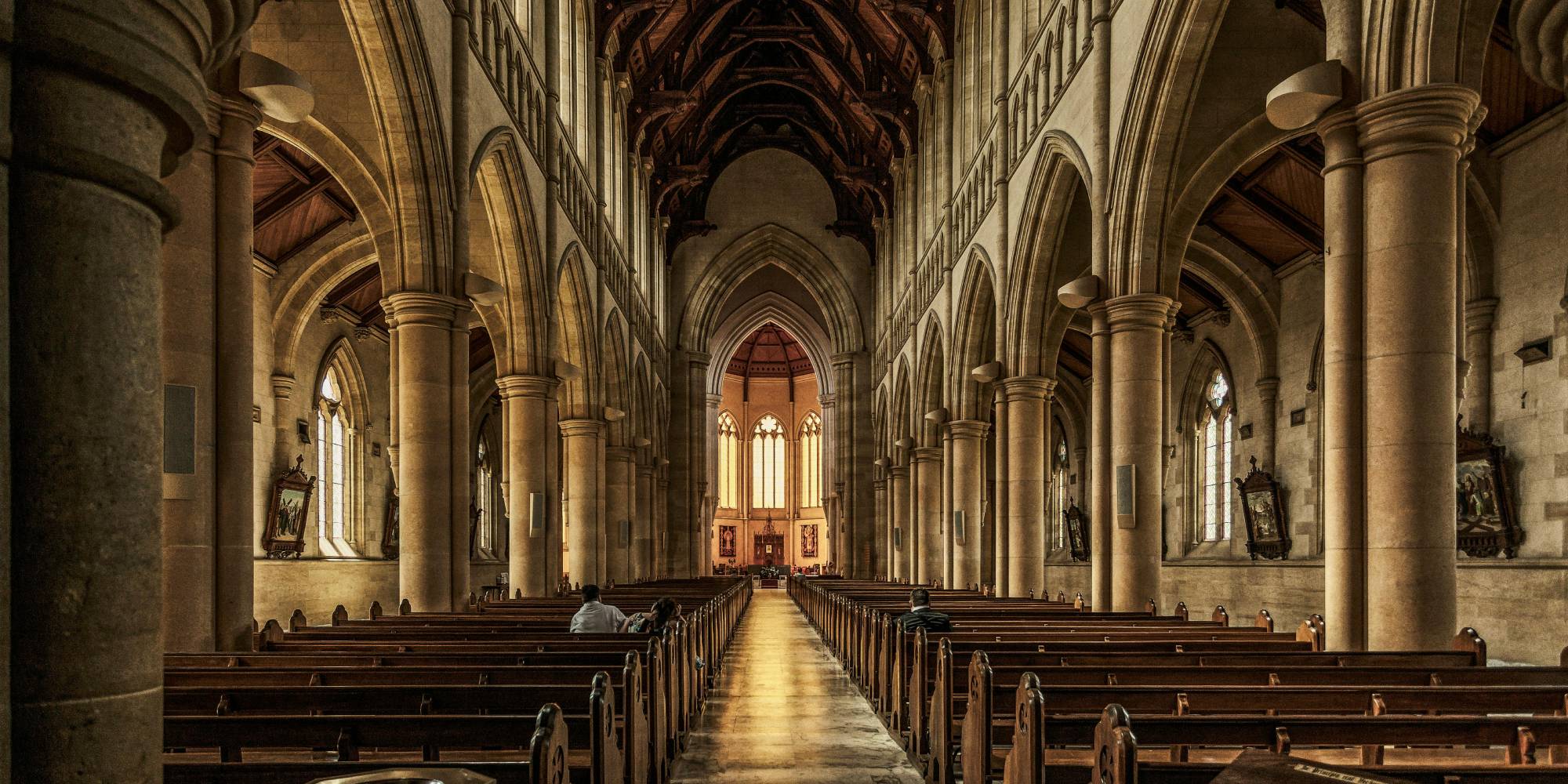
✔ Faux marble columns in churches offer a classic look without the weight or cost of real stone.
✔ Decorative church wall finishes add depth, texture, and historical charm.
✔ Artistic faux techniques for churches enhance ceilings with murals, gilding, and sky effects.
✔ Faux painting for church interiors mimics wood, stone, and marble for a refined altar and nave.
✔ Custom faux finishes for places of worship help restore and preserve historic church interiors.
✔ Proper cleaning, humidity control, and sealants protect decorative church wall finishes.
✔ Expert artisans ensure faux paint finishes are durable, seamless, and historically accurate.
1. Creating Timeless Elegance with Faux Marble Columns in Churches
Churches have long used marble to symbolize strength, purity, and divine beauty, but real marble is costly, heavy, and difficult to install. The average cost to paint a room is around $1,100 for homes, but church interior painting is naturally more expensive due to its scale and intricate details. Faux marble columns in churches offer the same stately appearance while being more affordable and easier to maintain.
Why Faux Marble Columns Enhance Church Interiors
- Cost-Effective Alternative to Natural Marble: Marble tiles cost $5 to $10 per square foot, but genuine marble requires quarrying, transportation, and skilled masonry, making installation costly. Faux marble columns in churches offer the same luxurious look at a fraction of the price, making them a practical alternative for sacred spaces.
- Lightweight and Easier to Install: Real marble is extremely heavy, which can complicate renovations and require structural reinforcement. Faux marble finishes, applied over wood or plaster columns, reduce weight while maintaining a realistic stone appearance.
- Seamless Integration with Historic and Modern Designs: Many churches feature classical architectural elements that include marble details. Skilled artists use faux painting for church interiors to match existing marble patterns, allowing new columns to blend seamlessly with historical or contemporary spaces.
How Professionals Achieve Realistic Faux Marble Finishes
- Surface Preparation for a Smooth Base: Artists begin by sanding and priming the columns to create an even surface. This step ensures the custom faux finishes for places of worship adhere properly and mimic the polished look of real marble.
- Layering of Color for Depth and Realism: Multiple layers of tinted glaze are applied with brushes and sponges to replicate the complex veining of natural marble. The process includes blending various shades to create depth, making decorative church wall finishes look indistinguishable from real stone.
- Sealing and Finishing for Longevity: A high-gloss or satin sealer is applied to protect the faux finish from moisture, dust, and wear. This protective coating ensures that faux marble columns in churches remain vibrant and durable for years, requiring minimal maintenance.
2. Elevating Sacred Spaces with Decorative Church Wall Finishes
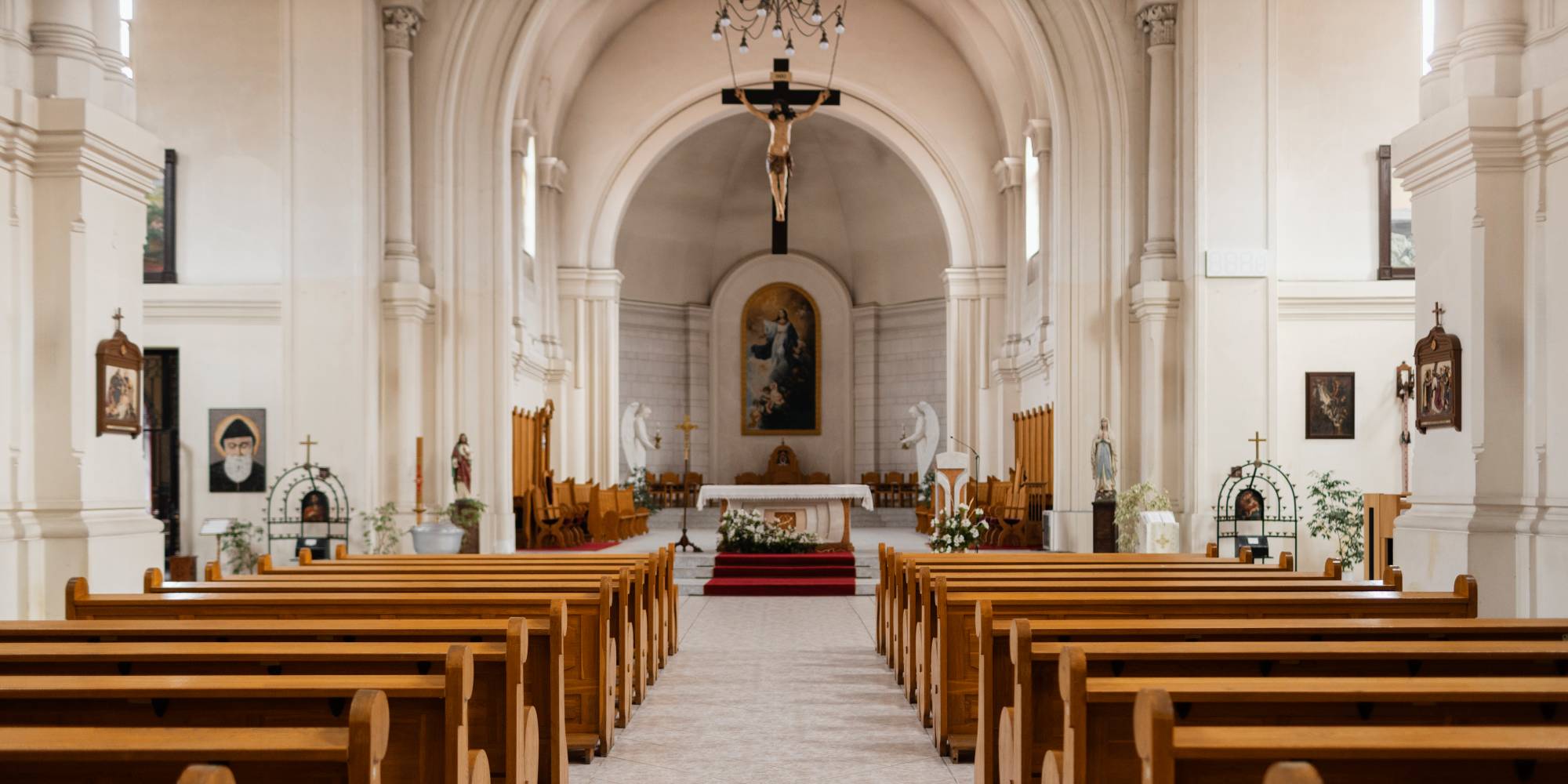
Walls in churches serve as more than structural elements—they create an atmosphere of reverence and awe. Decorative church wall finishes enhance interiors by adding texture, depth, and a sense of history. These finishes can replicate aged plaster, intricate patterns, or rich stone effects, elevating the beauty of worship spaces.
Why Decorative Wall Finishes Enhance Church Interiors
- Adds Dimension and Visual Interest: Flat, unadorned walls can feel lifeless in large sanctuaries. Decorative church wall finishes introduce subtle variations in tone and texture, making surfaces appear richer and more inviting.
- Complements Stained Glass and Architectural Details: Many churches feature stained glass windows, intricate moldings, or frescoes. Skilled artists use custom faux finishes for places of worship to create backgrounds that highlight these existing elements without overpowering them.
- Restores and Preserves Historic Character: Many older churches have original painted details that fade over time. Faux painting for church interiors can restore these historic elements, reviving patterns, motifs, and aged patinas without the need for costly renovations.
How Professionals Apply Decorative Church Wall Finishes
- Plaster and Glazing for an Aged Effect: Artists apply layers of tinted glaze or Venetian plaster to create an antique, time-worn look. This technique helps faux paint finishes achieve the warmth and depth of aged European-style church walls.
- Stencil and Fresco Techniques for Intricate Designs: Many churches feature ornamental borders, scrollwork, or religious imagery. Using artistic faux techniques for churches, professionals recreate these decorative details with hand-painted stencils or trompe-l’œil fresco effects.
- Faux Stone and Brick for Structural Elegance: Some churches use faux finishes to imitate cut stone or brick walls. By layering textured paints and specialized tools, artists make custom faux finishes for places of worship resembling natural materials without the need for extensive masonry work.
3. Enhancing Ceilings with Artistic Faux Techniques for Churches
Church ceilings often serve as the grandest canvas for artistic expression. Whether vaulted, domed, or coffered, ceilings can be transformed through artistic faux techniques for churches that mimic traditional frescoes, gilded panels, or intricate plasterwork. These finishes add grandeur and reinforce the sacred atmosphere.
Why Faux Finishes Elevate Church Ceilings
- Creates a Sense of Divine Majesty: High, elaborately painted ceilings have been used in places of worship for centuries to symbolize the heavens. Faux painting for church interiors can recreate this effect with celestial patterns, stars, or soft color gradients.
- Improves the Visibility of Architectural Details: Many church ceilings feature wooden beams or decorative moldings that can fade into the background. Custom faux finishes for places of worship highlight these elements with gilding, shading, or subtle contrast techniques.
- Enhances Acoustics and Ambiance: Certain decorative church wall finishes absorb or reflect light and sound, influencing the acoustics of the space. Faux finishes with soft tones can make ceilings feel higher and more expansive, while darker hues create a more intimate worship setting.
How Professionals Achieve Stunning Faux Ceiling Finishes
- Trompe-l’œil Murals for Depth and Detail: Artists use artistic faux techniques for churches to create illusions of domes, angels, or intricate moldings that appear three-dimensional from below. This technique gives ceilings a breathtaking effect without structural alterations.
- Gold Leaf and Metallic Glazes for Opulence: Many historic churches feature gilded ceilings with gold leaf or metallic highlights. Professionals apply faux paint finishes with specialized glazes to replicate these luminous effects at a fraction of the cost.
- Cloud and Sky Effects for a Serene Atmosphere: Light, airy ceilings painted with soft blues, whites, and wisps of clouds can make a space feel open and ethereal. Faux painting for church interiors can bring this traditional technique to sanctuaries, chapels, and domed spaces.
4. Transforming Altars and Naves with Faux Stone and Wood Finishes
Altar areas and church naves are the focal points of worship, often featuring intricate stone, marble, or wood details. Faux painting for church interiors can replicate these materials, offering a practical and artistic way to enhance the sacred space.
Why Faux Finishes Work for Altars and Naves
- Imitates High-End Materials Without the Cost: Real stone and hardwood are expensive and difficult to install, especially in existing structures. Faux paint finishes provide an alternative that is both cost-effective and visually stunning.
- Customizable to Match Any Architectural Style: Different churches have distinct design elements, from Gothic arches to Romanesque columns. Custom faux finishes for places of worship allow churches to tailor finishes to fit their unique aesthetic.
- Increases Durability with Minimal Maintenance: Natural wood and stone require frequent upkeep to maintain their appearance. Decorative church wall finishes made with faux techniques resist wear and require only occasional touch-ups.
How Professionals Achieve Faux Stone and Wood Finishes
- Wood Graining for Pews and Panels: Specialists use tools like wood-graining combs and brushes to mimic the grain patterns of oak, mahogany, or walnut. This faux painting for church interiors technique is ideal for altar railings, paneling, and decorative trim.
- Stone and Brick Effects for Strength and Tradition: Faux stone finishes can transform plain walls or altar backdrops into impressive stonework. By layering textured paints, artists create the look of aged limestone, sandstone, or granite.
- Marbleizing for Luxurious Altar Accents: Many churches feature faux marble columns in churches to frame the altar space, adding a regal and traditional element. Professionals achieve this look using layered glazes to mimic natural marble’s veins and textures.
5. Restoring Historic Churches with Custom Faux Finishes for Places of Worship
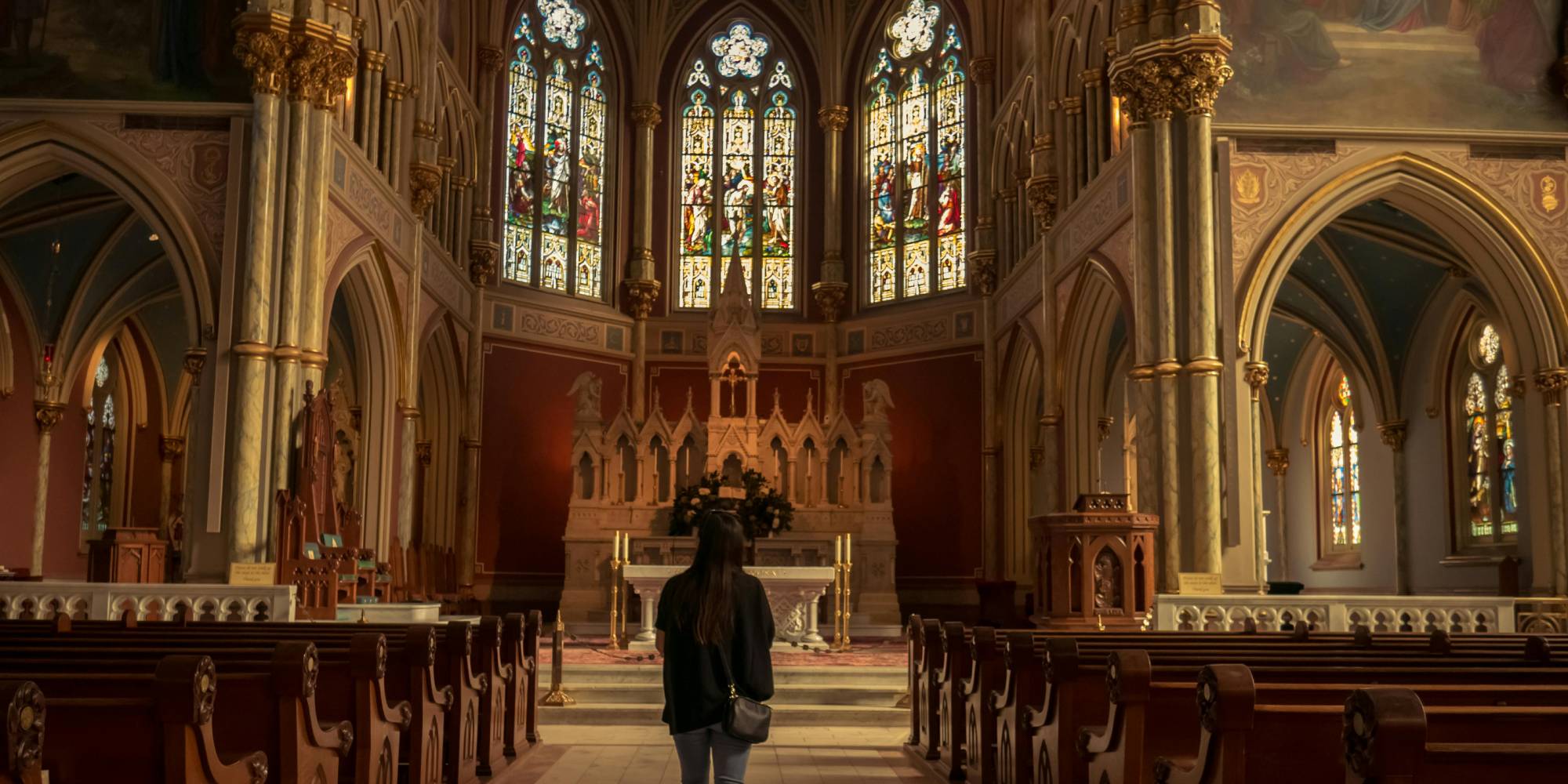
Many historic churches require careful restoration to preserve their original artistry. Custom faux finishes for places of worship provide a way to refresh faded designs while maintaining the historical integrity of the space.
Why Faux Finishes Are Essential for Church Restoration
- Preserves the Church’s Architectural Heritage: Many older churches feature intricate murals, stenciling, and aged plasterwork that fade over time. Faux painting for church interiors allows for accurate restoration without disturbing original structures.
- Avoids Costly Renovation and Material Replacement: Completely replacing historic features with new materials is expensive and often impractical. Decorative church wall finishes provide a way to restore original charm without the need for full reconstruction.
- Blends New and Old Seamlessly: When parts of a church need updating, new materials can stand out awkwardly against existing elements. Faux paint finishes help unify the space by matching new details to aged surfaces.
How Professionals Restore Churches with Faux Techniques
- Matching Historic Colors and Patterns: Artists analyze original pigments and patterns to recreate authentic tones and motifs. This attention to detail ensures that artistic faux techniques for churches maintain the church’s historical accuracy.
- Repairing and Recreating Aging Plasterwork: Many old churches have peeling or damaged plaster. Professionals use custom faux finishes for places of worship to rebuild these surfaces and apply finishes that mimic the original texture.
- Revitalizing Ceilings and Frescoes: Many churches feature elaborate ceiling murals that fade over time. Experts use faux painting for church interiors to carefully repaint missing details, ensuring that the artwork retains its original splendor.
How to Select the Best Faux Paint Finishes for Church Interiors
Choosing the right faux paint finishes for a church requires careful planning to ensure the final result enhances both the beauty and sacred atmosphere of the space. Working with professionals in Boston who specialize in faux painting for church interiors is essential to achieving a high-quality, lasting finish that complements the church’s design.
1. Consider the Church’s Architectural and Historical Style
Every church has a unique architectural identity that should guide the selection of custom faux finishes for places of worship. A Gothic-style cathedral may benefit from deep, textured stone finishes, while a Baroque church might require ornate gilding or marbleized details. Professionals assess the existing design elements to recommend finishes that blend seamlessly with the church’s original character.
2. Choose Colors That Enhance the Worship Experience
Color plays a powerful role in setting the mood of a sacred space, influencing how worshippers feel when they enter. Warm earth tones create a welcoming and grounded atmosphere, while soft blues and golds add a sense of divinity and tranquility. Skilled artisans use artistic faux techniques for churches to blend colors in ways that complement natural light and stained-glass reflections.
3. Select Durable Finishes for High-Traffic Areas
Church interiors experience frequent foot traffic, temperature changes, and exposure to candle soot or incense. Decorative church wall finishes should be chosen based on their ability to resist wear and maintain their beauty over time. Professional faux painters apply protective coatings that shield surfaces from fading, moisture, and damage, ensuring longevity.
4. Match New Faux Finishes with Existing Artwork and Décor
Churches often undergo renovations in phases, meaning new faux paint finishes must complement existing artwork, columns, or frescoes. Professionals meticulously analyze color palettes and textures to recreate or extend patterns found in the church’s original design. This attention to detail ensures that faux painting for church interiors enhances rather than disrupts the sacred aesthetic.
5. Work with Experts for a Seamless and Authentic Finish
The complexity of custom faux finishes for places of worship requires the expertise of trained artisans. Professionals use specialized tools and layering techniques to create realistic effects, such as faux marble columns in churches or aged stone walls. Hiring experienced faux finish artists ensures that the final result is both visually stunning and structurally appropriate for the church’s long-term needs.
How to Maintain and Clean Decorative Church Wall Finishes
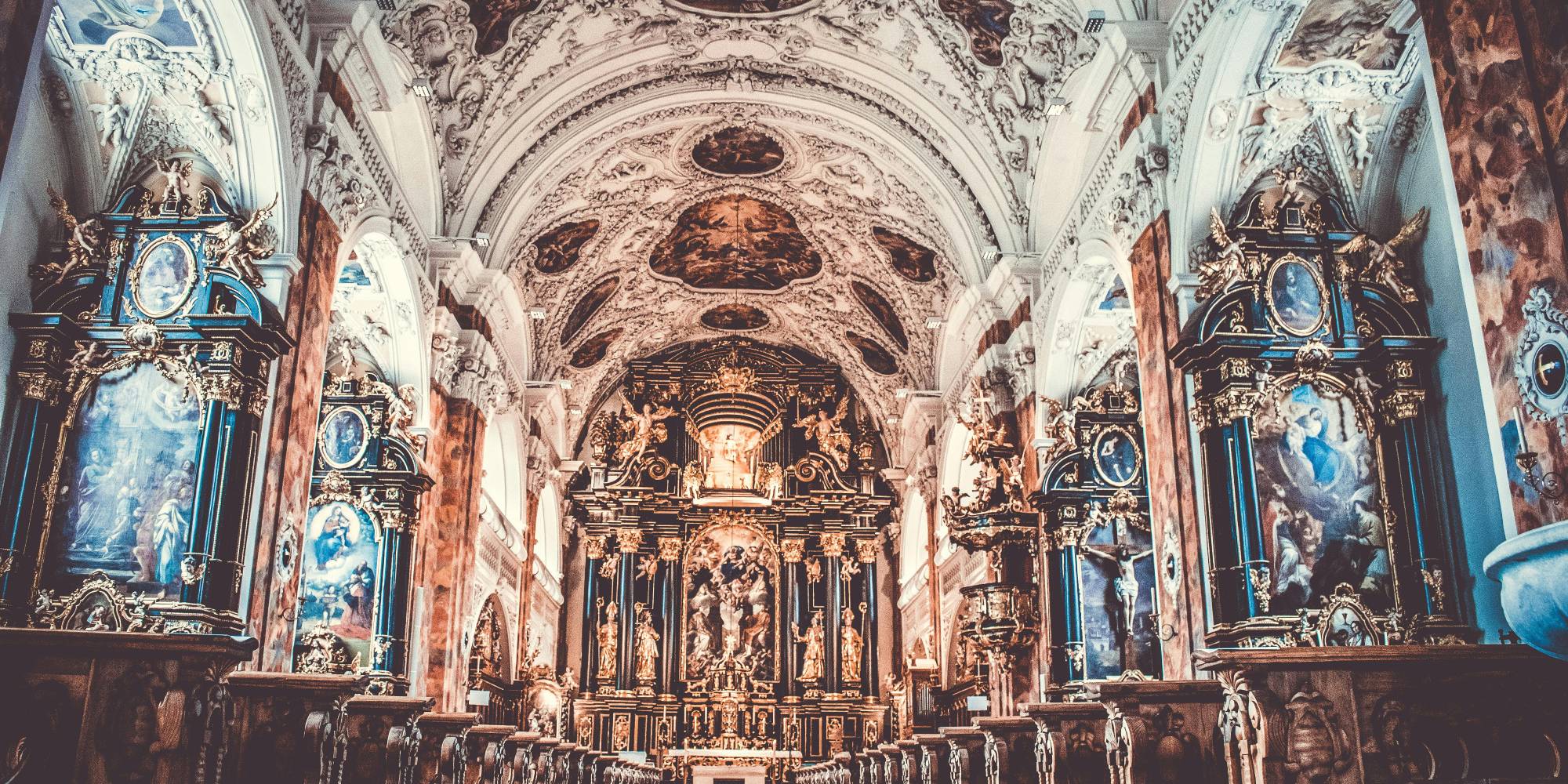
Church interiors are designed to inspire, and decorative church wall finishes play a crucial role in creating a sacred and welcoming atmosphere. However, over time, dust, humidity, and everyday wear can dull the vibrancy of faux paint finishes. Proper care ensures that faux painting for church interiors retains its depth and beauty, and working with professionals helps preserve these artistic details without causing damage.
1. Use Gentle Cleaning Methods to Prevent Damage
Harsh chemicals and abrasive cleaning tools can strip away the delicate layers of custom faux finishes for places of worship. Instead, professionals recommend using soft microfiber cloths or natural sponges with a mild, non-abrasive soap diluted in water. Lightly wiping surfaces with a damp cloth helps remove dust and grime without disturbing the intricate textures and colors of faux paint finishes.
2. Control Humidity to Protect Decorative Wall Finishes
Fluctuations in humidity can cause decorative church wall finishes to crack, fade, or develop mold over time. Churches should maintain a stable indoor climate with controlled heating, cooling, and proper ventilation to prevent moisture buildup. Consulting experts in faux painting for church interiors ensures that protective sealants are applied to safeguard against environmental damage.
3. Perform Routine Dusting to Preserve Detail and Texture
Dust accumulation can make custom faux finishes for places of worship appear dull and muted, especially in high ceilings and intricate wall designs. Using a soft feather duster or an electrostatic cloth weekly prevents buildup without disturbing the paint layers. For hard-to-reach areas, professionals recommend using an extension duster or scheduling periodic cleanings with preservation specialists.
4. Schedule Professional Touch-Ups for High-Traffic Areas
Certain parts of a church, such as entryways and corridors, experience more wear than others, leading to gradual fading or scuff marks on faux paint finishes. Professional artists specializing in faux painting for church interiors can perform seamless touch-ups, ensuring that any worn areas are blended perfectly with the original finish. Regular inspections help address minor issues before they become costly repairs.
5. Apply Protective Sealants to Enhance Durability
A clear protective sealant can extend the life of decorative church wall finishes by preventing stains, fading, and peeling. Experts use specialized varnishes or water-based sealers that maintain the natural sheen and texture of custom faux finishes for places of worship without altering their appearance. Working with skilled faux painters ensures that the right type of sealant is applied, providing long-term protection while preserving the artistry of the space.
Frequently Asked Questions (FAQs)
Can faux paint finishes be used on vaulted or domed ceilings in churches?
Yes, faux paint finishes can be applied to vaulted or domed ceilings to enhance architectural depth and visual grandeur. Skilled artisans use scaffolding and specialized painting techniques to create realistic sky effects, ornamental patterns, or gilded details that complement the sacred space. Working with professionals ensures that faux painting for church interiors adheres properly to curved or high surfaces without peeling or fading over time.
Are custom faux finishes for places of worship safe for historic churches with delicate surfaces?
Yes, custom faux finishes for places of worship can be applied with minimal impact on historic structures when done by experienced restoration artists. Experts use breathable, non-toxic paints and reversible techniques to preserve original plaster or stone while achieving the desired faux effect. This careful approach allows decorative church wall finishes to enhance historic interiors without permanently altering the underlying architecture.
How long do faux marble columns in churches typically last before needing maintenance?
When properly sealed and maintained, faux marble columns in churches can last for decades without losing their rich, realistic appearance. Protective coatings help resist moisture, dust, and minor abrasions, ensuring longevity even in high-traffic areas. Periodic dusting and occasional touch-ups by professionals specializing in faux painting for church interiors keep them looking pristine for years.
Can decorative church wall finishes be customized to include religious symbols or motifs?
Yes, decorative church wall finishes can be customized to feature religious symbols, scripture-inspired patterns, or hand-painted motifs that reflect the church’s spiritual identity. Artists use artistic faux techniques for churches to integrate intricate crosses, biblical scenes, or floral designs into the overall décor. This level of customization allows places of worship to maintain a unique, faith-centered aesthetic while benefiting from the durability of faux finishes.
Do faux paint finishes work well in modern churches, or are they only for traditional designs?
Faux paint finishes are versatile and can be tailored to fit both traditional and contemporary church interiors. Modern places of worship may opt for sleek metallic glazes, minimalist stone textures, or soft-washed color gradients to create a refined and spiritual atmosphere. By working with professionals skilled in custom faux finishes for places of worship, churches can achieve a design that aligns with their architectural vision, whether classical or modern.
Revitalize Your Church with Artech Church Interiors, Inc.
Elevate the beauty of your sacred space with Artech Church Interiors, Inc., Boston’s trusted expert in faux painting for church interiors. With decades of experience in custom faux finishes for places of worship, our skilled artisans bring depth, elegance, and historical accuracy to every project. Artech Church Interiors, Inc. ensures every detail reflects the spirit and history of your worship space.
Contact us today to discuss your vision and transform your church with timeless artistry!