
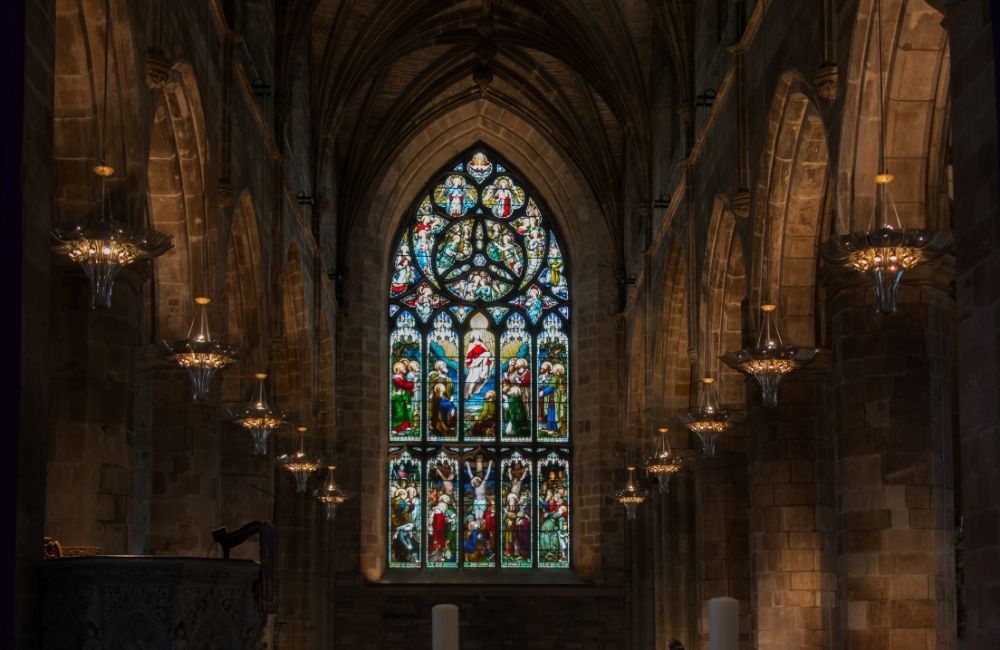
Over time, stained glass windows may deteriorate due to exposure to the elements, age, or damage. In line with this, the demand for stained glass restoration has been on the rise. In fact, the market for stained glass restoration is expected to grow steadily, driven by an increased need to preserve stained glass in religious and historic buildings. This is where the expertise of historic renovation contractors becomes crucial. These professionals specialize in the careful restoration of stained glass, ensuring that the windows maintain their beauty and integrity for years to come.
Here’s a detailed breakdown of the entire process and how historic renovation contractors in Rhode Island approach each step with precision and care.
Table of Contents
Key Takeaways
✔ Contractors thoroughly inspect stained glass for damage, including cracks, chips, and worn lead caming, to plan a precise restoration approach.
✔ Detailed photos, sketches, and records of materials ensure the original design is preserved during restoration.
✔ Contractors select materials, outline a timeline, and prepare tools to execute an efficient and organized restoration process.
✔ Removing stained glass without damage requires skill, and contractors ensure secure transport to prevent breakage.
✔ Gentle soaking and brushing clean the glass, followed by careful disassembly to separate each piece without damage.
✔ Contractors replace deteriorated lead caming, repair cracks, and match new glass to maintain the window’s integrity.
✔ Reassembling glass with new lead caming and soldering joints creates a strong, cohesive window structure.
✔ After reinstallation, contractors inspect for proper sealing, ensuring the window is secure and protected from moisture.
Before the Restoration
Proper preparation is essential for any restoration project, particularly for delicate stained glass windows. Historic renovation contractors follow a meticulous process to ensure that every aspect of the restoration is planned.
1. Assess the Window’s Condition
Before any restoration work begins, historic renovation contractors conduct a thorough assessment of the stained glass window. This involves closely examining the window for damage, wear, and any structural weaknesses. Repairs should only be performed after a thorough assessment of the glass’s condition and should always be carried out by experienced professionals.
- Identify Cracks or Chips: Contractors inspect each individual glass piece to see if there are cracks, chips, or signs of wear. Identifying these issues early allows for a more focused restoration plan.
- Evaluate the Lead Caming: The lead strips, known as caming, that hold the glass together are also inspected for signs of brittleness or decay.
- Determine Weather Damage: In older churches, stained glass windows may show signs of damage from wind, rain, and even UV exposure, which can dull the colors of the glass.
2. Document the Original Design
Historic renovation contractors meticulously record the window’s original design, capturing every detail of the artwork. This documentation provides a blueprint for restoring the window to its original state, ensuring that no details are lost during the process.
- Photograph the Window from Multiple Angles: Contractors take high-resolution photographs of the window to document its overall appearance, color schemes, and any unique details.
- Sketch the Design for Precision: In addition to photographs, contractors may create detailed sketches that capture the placement of each glass piece within the lead caming.
- Record the Materials Used: Contractors document the types of glass, paint, and lead used in the original construction to ensure accurate restoration.
3. Plan the Restoration Strategy
After assessing the condition and documenting the window, historic renovation contractors develop a comprehensive restoration plan. This allows contractors to proceed with the restoration efficiently, ensuring that the window is handled with care throughout the process.
- Select Appropriate Materials: Contractors choose the materials needed for the restoration, such as replacement glass or new lead caming.
- Establish a Timeline: The restoration process is broken down into stages, with a timeline that outlines when each step will be completed.
- Allocate Resources: Historic renovation contractors ensure that the necessary equipment, such as specialized tools and cleaning solutions, are prepared for the job.
The Restoration Process
Once the planning stage is complete, the actual restoration begins. This is where historic renovation contractors truly demonstrate their skill and expertise, handling each step with precision.
1. Carefully Remove the Stained Glass
The first step in the restoration process is to carefully remove the stained glass window from its frame. This is a delicate process that requires both skill and specialized tools.
- Use Protective Equipment: Contractors wear gloves and use padded tools to avoid damaging the glass while removing it from the frame.
- Avoid Disturbing the Surrounding Structure: If the window is embedded in masonry, contractors take extra precautions to prevent damage to the church’s walls or frame.
2. Protect the Window During Transport
Once removed, the stained glass window is transported to a workshop where the restoration will take place. Historic renovation contractors take several steps to ensure the window is protected during transport.
- Pack the Glass in Padded Crates: Each piece of stained glass is wrapped in padding and placed in specially designed crates that prevent movement during transit.
- Label Each Piece: Contractors carefully label each piece of glass to ensure that they are reassembled correctly after restoration.
3. Soak in Specialized Cleaning Solutions
To remove decades of accumulated dirt, grime, and pollutants, historic renovation contractors soak the stained glass in a specialized solution.
- Gentle Cleaning Solutions: Contractors use non-abrasive solutions, such as pH-neutral cleaners or diluted vinegar, specifically designed for stained glass to avoid damaging the delicate surface.
- Loosen Dirt and Grime: Soaking the glass helps to loosen dirt that has built up in the tiny crevices of the lead caming and on the surface of the glass itself.
4. Brush Using Non-Abrasive Techniques
After the soaking process, the stained glass is gently cleaned using soft brushes to restore its brilliance.
- Use Soft-bristled Brushes: Contractors use brushes with soft bristles to clean each piece of glass without scratching the surface.
- Clean with Controlled Pressure: Contractors apply just the right amount of pressure to clean the glass thoroughly without damaging it.
5. Separate Glass Pieces with Care
Disassembling the stained glass window involves carefully removing each individual piece of glass from the lead caming.
- Use Precision Tools: Contractors use specialized tools, such as lead knives, glazing chisels, or small flathead screwdrivers, to pry the lead caming away from the glass without cracking or breaking it.
- Handle with Care: Each piece of glass is handled delicately to ensure it remains intact during the disassembly process.
6. Preserve Original Elements
Throughout the restoration, preserving as much of the original stained glass as possible is a top priority for historic renovation contractors.
- Retain Original Glass Pieces: Contractors prioritize keeping the original glass whenever possible, replacing only those pieces that are too damaged to be repaired.
- Maintain the Historical Design: The original design of the stained glass window is preserved through careful documentation and meticulous attention to detail.
7. Remove Worn-Out Lead
Over time, the lead caming that holds the stained glass together can deteriorate. Historic renovation contractors remove this worn-out lead and replace it with new materials.
- Inspect the Lead for Wear: Contractors inspect the lead caming for signs of corrosion, brittleness, and deterioration.
- Carefully Remove Old Lead: Contractors carefully remove the old lead, using precision tools and techniques to ensure that the surrounding glass remains intact and undamaged throughout the process.
8. Fit New Lead Strips
New lead caming is cut and fitted to match the original design of the window.
- Shape the Lead to Fit the Glass: Contractors cut new lead strips to fit each piece of stained glass precisely. They use specialized lead cutters or snips to trim the strips accurately, allowing for smooth connections between the glass pieces.
- Ensure a Snug Fit: The new lead is carefully positioned to provide a secure and durable structure for the window.
9. Fix Cracked or Chipped Pieces
If any glass pieces are cracked or chipped, historic renovation contractors use special techniques to repair them.
- Apply Adhesives to Repair Cracks: Contractors use special glass adhesives, such as UV-curing resin, silicone-based adhesives, or epoxy, to repair minor cracks in the stained glass.
- Fuse Larger Cracks: For more significant damage, contractors may use heat or UV light to fuse the glass together, restoring its original strength.
10. Match and Replace Missing Glass
In cases where pieces of glass are missing or too damaged to repair, contractors source replacement glass that matches the original.
- Source Historically Accurate Glass: Contractors find glass that matches the color, texture, and thickness of the original to maintain the window’s historical integrity.
- Cut Replacement Pieces: Contractors use glass scoring tools and running pliers to ensure clean, precise cuts that fit the exact dimensions of the missing or damaged pieces.
11. Align Glass Pieces Precisely
Once all the pieces of glass are cleaned, repaired, or replaced, historic renovation contractors carefully reassemble the window.
- Align Pieces According to the Original Design: Contractors use the documentation from the planning stage to ensure that each piece of glass is returned to its original position.
- Check for Proper Alignment: Contractors check the alignment of the glass pieces to ensure that the design is recreated with precision.
12. Rebuild the Window Structure with New Caming
With the glass pieces in place, the window is reassembled using new lead caming.
- Solder the Lead Joints: Contractors use soldering irons to secure the joints between the lead strips, creating a strong, cohesive structure.
- Ensure Structural Integrity: The new lead caming is designed to hold the glass securely, ensuring the window is stable and durable.
13. Cement Glass into the Lead Framework
To secure the glass within the lead caming, historic renovation contractors apply a special cement.
- Fill Gaps Between Glass and Lead: Cement is used to fill any small gaps between the glass and lead, ensuring a tight, secure fit.
- Provide Weather Resistance: To provide weather resistance, the cement is applied around the lead joints of the stained glass window, creating a strong, weatherproof seal. This prevents water from seeping in, blocks wind, and guards against other environmental factors such as dust and debris.
14. Solder Lead Joints for Strength
The final step in the restoration process involves soldering the lead joints to provide additional strength and stability.
- Use Solder to Strengthen the Joints: Contractors use soldering irons to melt lead solder into the joints, reinforcing the structural integrity of the window.
- Ensure a Durable Finish: This step ensures that the stained glass window can withstand the test of time and exposure to the elements.
After the Restoration
After the restoration process is complete, the stained glass window is reinstalled and maintained to ensure it remains in excellent condition for years to come.
1. Reinstall the Window into Its Frame
Once the restoration is complete, historic renovation contractors carefully reinstall the stained glass window back into its frame.
- Fit the Window Securely Into the Frame: Contractors ensure that the window sits securely in its original frame, with no gaps or misalignments.
- Check for Stability: Contractors test the stability of the window to ensure that it is firmly in place and protected from outside elements.
2. Inspect for Proper Fit and Sealing
Before the project is considered complete, historic renovation contractors conduct a thorough inspection to ensure that the window fits perfectly.
- Check for Air and Water Tightness: Contractors inspect the window for any signs of air or water leakage, making adjustments as needed.
- Seal the Window for Protection: Proper sealing ensures that the window is protected from moisture, which can lead to future damage.
3. Recommend Maintenance Practices
To help churches preserve their restored stained glass windows, historic renovation contractors provide recommendations for ongoing maintenance.
- Suggest Gentle Cleaning Methods: Contractors advise using soft cloths and mild solutions for routine cleaning to avoid damaging the glass.
- Encourage Regular Inspections: Annual inspections help to catch any early signs of damage, preventing larger issues from developing.
How to Choose the Right Historic Renovation Contractors
Selecting the right professional is essential to the success of any stained glass restoration project. Churches should carefully consider the qualifications and experience of historic renovation contractors in Rhode Island before making their decision.
1. Check for Expertise in Stained Glass Restoration
Not all contractors have the specialized knowledge required for stained glass restoration.
- Look for Experience with Similar Projects: Churches should look for historic renovation contractors who have a track record of working with stained glass windows in historic settings.
- Ensure Familiarity with Historic Preservation Standards: Contractors should understand the specific standards for preserving historic stained glass, ensuring that the project meets these criteria.
2. Review Past Projects
Reviewing a contractor’s portfolio is an excellent way to gauge their skills and experience.
- Examine the Quality of Past Restorations: A portfolio can showcase the contractor’s ability to restore stained glass windows while maintaining their historical integrity.
- Look for Variety in Their Work: Contractors who have worked on a range of projects are often more versatile and capable of handling unique challenges.
3. Verify Certifications and References
Certifications and references provide additional assurance of a contractor’s capabilities.
- Check for Industry Certifications: Certifications from reputable organizations indicate that a contractor has met certain professional standards.
- Contact References for Feedback: Speaking with previous clients can provide insight into the contractor’s reliability and quality of work.
4. Compare Cost Estimates
While quality should be the top priority, comparing cost estimates can help churches find a contractor that fits their budget.
- Balance Cost with Quality: Churches should look for historic renovation contractors who offer competitive pricing without compromising on the quality of their work.
- Understand What is Included in the Estimate: A detailed estimate helps churches understand the full scope of the project and avoid unexpected costs.
5. Consider Communication and Transparency
Good communication is key to a successful restoration project.
- Look for Transparency in the Process: Contractors should be open about their methods, timelines, and costs.
- Ensure Clear Communication: A contractor who communicates clearly and regularly can help to keep the project on track and ensure that the church’s expectations are met.
Frequently Asked Questions
How do you know when stained glass windows need restoration?
Restoration is typically needed if the stained glass shows signs of damage such as cracks, sagging lead, discoloration, or bowing. Regular inspections, especially after harsh weather, can help identify these issues early before they worsen. Addressing these signs promptly can prevent further deterioration and costly repairs.
Can stained glass windows be repaired on-site, or must they be taken to a workshop?
While minor repairs, such as small cracks or re-securing loose panels, can be completed on-site, most extensive restorations require transporting the glass to a specialized workshop. The controlled environment of a studio allows for more precise and thorough restoration. This ensures that delicate techniques like re-leading and detailed cleaning are done safely.
What protective coverings should be used for stained glass windows?
Polycarbonate or acrylic coverings are commonly used to protect stained glass from weather and physical damage. However, it’s crucial to choose materials that won’t trap moisture, which could damage the glass or lead over time. Consulting with experienced stained glass professionals ensures that the right type of covering is selected for long-term protection.
How long does the stained glass restoration process take?
The duration of stained glass restoration depends on factors like the size, complexity, and condition of the windows. Smaller projects might take a few weeks, while larger, more intricate restorations can extend to several months. Detailed planning and careful execution ensure that each stage is completed with precision, preserving the window’s integrity.
Do historic renovation contractors offer warranties for stained glass restoration?
Many professional contractors provide warranties for their stained glass restoration work, often covering up to 10 years. This warranty ensures that any defects in workmanship are addressed without additional costs to the client. It offers peace of mind that the restoration will maintain its quality and durability over time.
Preserve the Beauty of Your Church’s Stained Glass—Contact Artech Church Interiors!
If you’re looking to preserve the beauty of your church’s stained glass windows, Artech Church Interiors, Inc. is here to help. With a focus on quality craftsmanship, Artech Church Interiors, Inc. offers expert restoration services to churches throughout Rhode Island. Trust Artech Church Interiors, Inc. to bring new life to your historic windows while maintaining their original charm. Contact us today to learn more about how we can assist with your project and ensure that your church’s stained glass remains a beautiful part of your community for years to come.