
Key Takeaways✔ A new stained glass window for a church can range from a few hundred dollars to over $100,000, depending on size, design complexity, and installation requirements. ✔ Most church stained glass projects are priced by square footage, with common ranges falling between $100 and $600 per square foot. ✔ Design detail, materials, and artist experience are major factors that influence stained glass window cost for a church. ✔ Installation and labor often account for 20% to 50% of total project costs, especially in tall or historic sanctuaries. ✔ Coordinating stained glass work with other interior updates can help churches manage costs and reduce overall disruption. |
Table of Contents
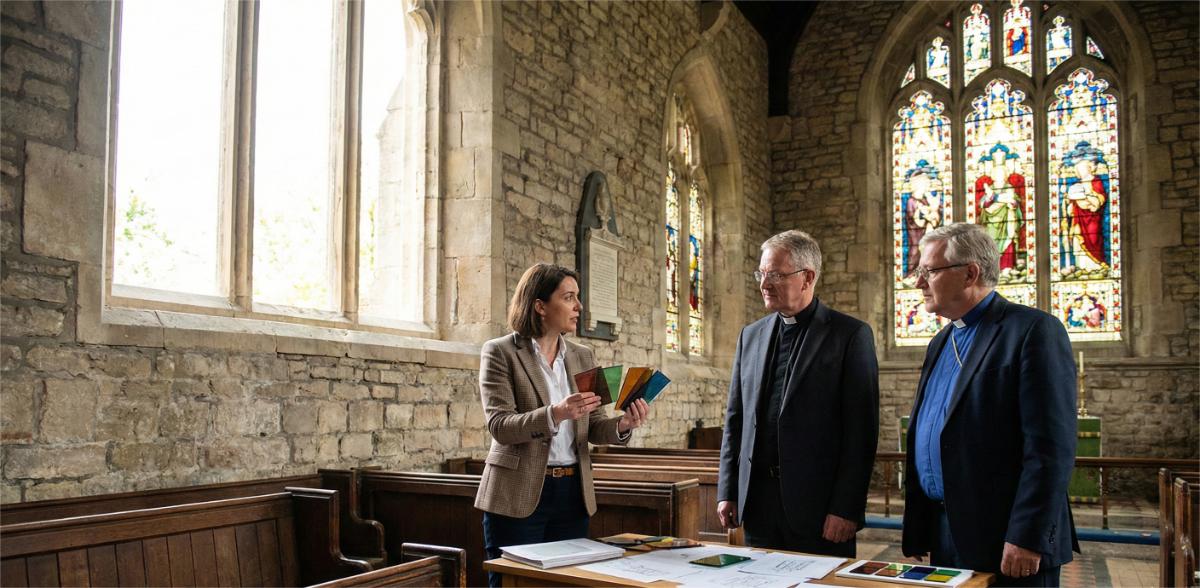
Stained glass windows have long played a central role in church architecture, serving both spiritual and educational purposes. Beginning in the medieval period, churches used stained glass windows to teach the illiterate laity the stories of the Bible, often illustrating scenes from Genesis through Revelation and highlighting key moments in Salvation History. Today, churches continue this tradition while balancing artistry, durability, and budget.
A new stained glass window for a church can cost anywhere from a few hundred dollars to over $100,000, with most projects falling between $150 and $600 per square foot, depending on size, design complexity, materials, and installation needs.
Here are the primary factors that influence how much a new stained glass window costs for a church.
Average Church Stained Glass Window Costs
Church stained glass pricing is most often calculated by square footage, which allows churches to compare options regardless of window shape or size.
- Premade stained glass: $100–$250 per square foot
- Antique stained glass: $100–$500 per square foot
- Custom stained glass: $250–$600 per square foot
- Intricate depictions: Up to $20,000 per window
Installation Labor: What Churches Should Expect
Installation labor represents a significant portion of the total stained glass window cost for a church. Labor typically accounts for 20% to 50% of installation expenses, or an average of $100 to $300 per window, depending on access and equipment needs.
- 1 window: $600
- 2 windows: $590 per window
- 5 windows: $575 per window
- 10 windows: $550 per window
Frame Materials and Typical Cost Per Window
Frame material selection affects durability, weather resistance, and overall project cost, especially in older church buildings.
- Aluminum: $150–$600 per window
- Vinyl: $200–$800 per window
- Wood: $350–$1,200 per window
- Composite: $350–$1,400 per window
- Fiberglass: $450–$1,800 per window
Disclaimer: Cost ranges listed are general estimates and may vary based on design, size, materials, site conditions, labor, and location. This information is for planning only and is not a final quote.
What Factors Affect the Cost of a Church Stained Glass Window?
Several variables determine where a project falls within the overall price range. Understanding these factors helps churches avoid budget surprises.
Design Complexity
Windows with intricate imagery, lifelike figures, and layered symbolism require extensive hand-painting and multiple kiln firings, which increases labor time and cost. Simpler geometric or symbolic designs generally require fewer hours and less specialized craftsmanship. Design complexity often has a greater impact on cost than window size alone.
Window Size and Shape
Larger stained glass windows increase total cost due to materials and handling, though the cost per square foot may decrease slightly for expansive designs. Arched, circular, or irregular window openings common in churches require custom templates and framing. These shapes add fabrication time and increase installation complexity.
Artist or Studio Experience
Studios with established experience in ecclesiastical work often command higher pricing due to their specialized knowledge of church architecture and religious imagery. Churches frequently choose these studios to ensure historical accuracy, durability, and long-term performance. This expertise can reduce risk in complex or historic installations.
Materials and Fabrication Techniques
The type of glass selected, such as mouth-blown versus machine-made, directly affects appearance and price. Painted and fired details add visual depth but increase production time. Framing materials also influence cost, particularly when modern systems are used to support stained glass windows in older church structures.
Installation and Site Conditions
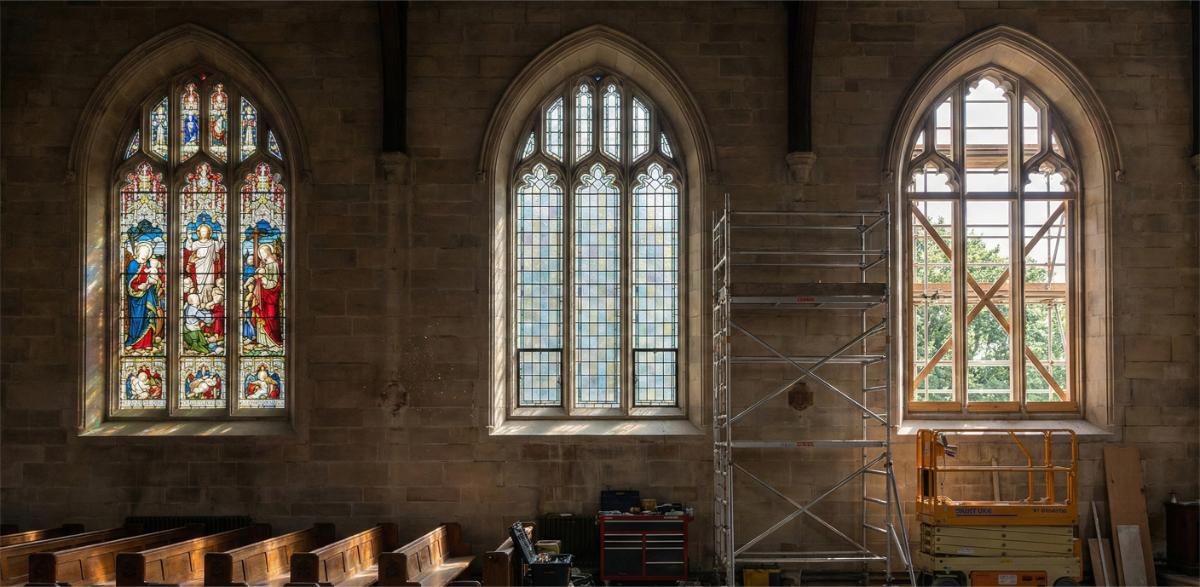
Installation labor often represents a significant portion of the total stained glass window cost for a church. Tall sanctuaries, limited access points, and structural assessments can increase labor hours and equipment needs, especially when lifts or scaffolding must be brought in without damaging interior finishes. If your timeline also includes church pew refurbishing, coordinating both scopes can reduce repeat setup and help prevent budget overruns.
How to Budget for a Church Stained Glass Window Project
Churches benefit from approaching stained glass as a structured project rather than a single purchase.
Step 1: Evaluate existing windows
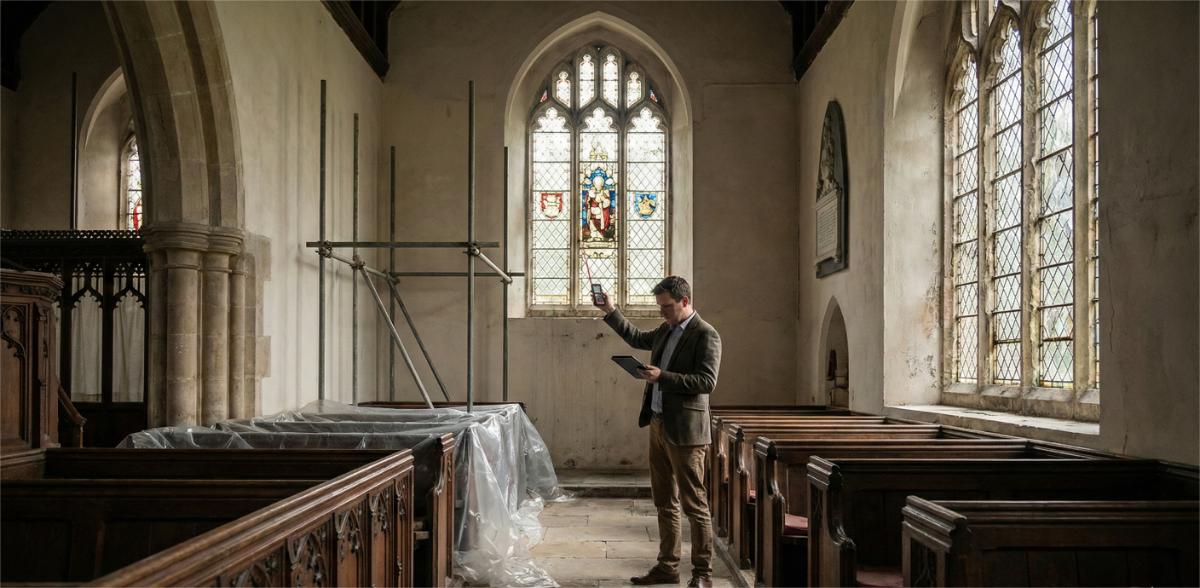
Determine whether windows are missing, cracked, bowed, or showing failing lead cames, and note any water intrusion or frame deterioration that could affect the scope.
Step 2: Define project goals
Clarify whether the window is decorative, memorial-based, or intended to convey specific theological themes, and confirm how it should look from both inside the sanctuary and outside the building, especially if the project is being coordinated with church pew refurbishing or other interior updates for a cohesive look.
Step 3: Measure window openings
Accurate measurements prevent costly redesigns later, especially for arched or irregular openings, and help account for framing depth, vents, and any protective glazing layers.
Step 4: Select design type
Decide between pre-made or custom artwork based on budget and architectural importance, and consider how color density and detail will read at typical viewing distances from the pews.
Step 5: Account for installation needs
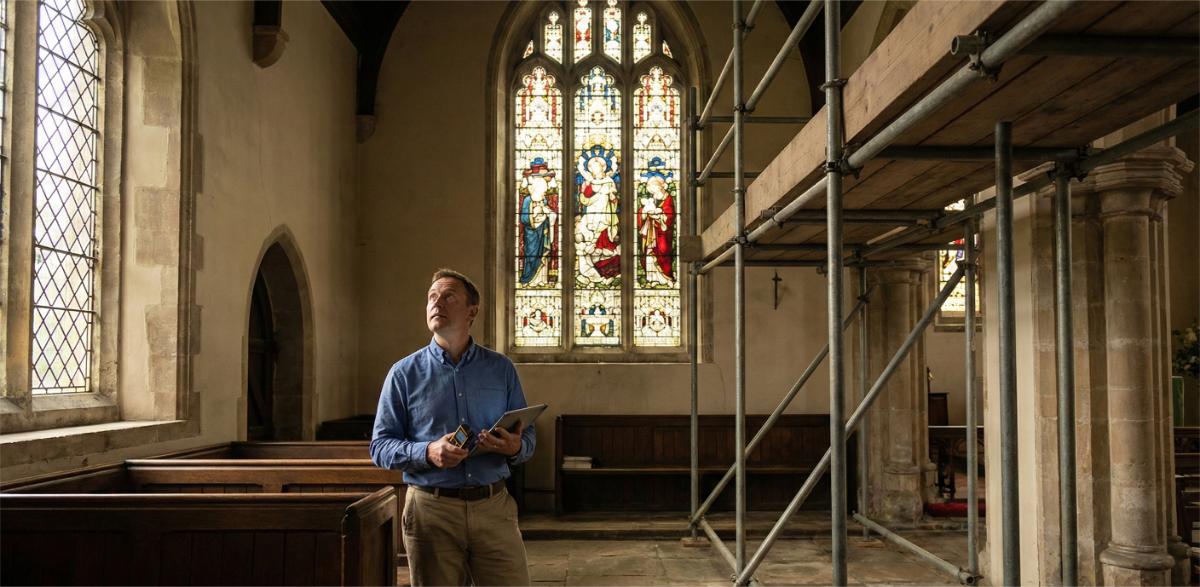
Include scaffolding, access limitations, and structural reinforcement if needed, plus any scheduling constraints tied to services, weddings, or seasonal weather.
Step 6: Plan for protection and longevity
Protective glazing and proper framing extend the lifespan of stained glass windows and reduce future maintenance costs, especially in locations with heavy wind, storms, or temperature swings.
Common Cost Mistakes Churches Should Avoid
A few avoidable budgeting mistakes can add thousands to a stained glass project or create delays once work begins. Here are the most common cost pitfalls churches should watch for:
- Underestimating installation expenses: Labor and equipment costs are often higher than expected, especially in tall sanctuaries that require scaffolding or lifts, and access limitations can add time to even straightforward installs.
- Overcomplicating designs without a clear purpose: Highly intricate designs increase cost without always improving visibility from pew level, and extra painted details may be lost at a distance while still adding fabrication hours.
- Skipping protective glazing: Unprotected windows are more vulnerable to weather, impact damage, and vandalism, which can drive up long-term repair costs and make matching replacement glass difficult later. Protective glazing can also support energy-efficiency goals by improving thermal comfort and managing solar gain while still allowing natural light and preserving the sanctuary’s visual experience.
- Failing to align projects: Isolating stained glass work from other renovations can lead to duplicated labor and higher overall spending, especially when multiple phases require repeated setup, lifts, or interior protection.
- Not budgeting for structural assessments: Older church buildings may require frame reinforcement or masonry repair before installation can safely proceed, and hidden moisture damage can expand the scope once work begins, especially if the project is coordinated with other interior work, like church pew refurbishing, that can reveal additional building wear.
- Choosing vendors without ecclesiastical experience: Contractors unfamiliar with church architecture may overlook liturgical, historical, or structural considerations that affect durability and cost, and they may not plan appropriately for sanctuary scheduling and protection.
Comparing New Stained Glass to Restoration or Replacement
Factor | Restoration of Existing Stained Glass | Full Replacement With New Stained Glass |
Typical Cost Range | Often 30–50% less than full replacement, depending on condition | $150–$600 per square foot for most church projects |
Best Use Case | Original stained glass is largely intact and historically significant | Windows are missing, severely damaged, or beyond repair |
Structural Condition Required | Lead cames and glass pieces must be structurally sound | Existing structure may require modification or reinforcement |
Design Flexibility | Limited to preserving original artwork and layout | Full design freedom, including new imagery or memorial themes |
Historical Preservation Value | Preserves original craftsmanship and historic character | Introduces new artistic elements rather than preserving originals |
Code and Safety Compliance | May require added protective glazing to meet modern standards | Can be designed to meet current safety and energy expectations |
Long-Term Maintenance | Lower intervention if properly restored and protected | Lower maintenance with modern materials and framing systems |
Impact on Overall Project Scope | Focused conservation effort | Architectural renewal that may align with broader renovations |
Frequently Asked Questions
Why does stained glass cost so much?
Stained glass costs more because it involves skilled craftsmanship, specialized materials, and time-intensive fabrication, especially for church stained glass windows with painted details, multiple colors, and complex scenes. Pricing also reflects custom design work, framing, and the added logistics of handling and installing large panels safely.
What are the disadvantages of stained glass windows?
Stained glass windows can be costly up front and may require ongoing care to prevent water intrusion, cracking, or lead fatigue over time. In many churches, adding protective glazing and maintaining frames and sealants becomes part of the long-term ownership cost.
How long do stained glass windows last?
With proper installation, sound framing, and reasonable protection from weather and impact, stained glass windows can last 80 to 100 years or longer. Longevity depends on exposure, building movement, and whether repairs are addressed early instead of deferred.
What does the Bible say about stained glass windows?
The Bible does not specifically reference stained glass windows, since they developed later in church history. Churches have traditionally used stained glass to depict Scripture and reinforce teaching through visual storytelling, especially in spaces where literacy was limited.
What is a cheaper alternative to stained glass?
Lower-cost alternatives include stained glass overlays, printed or laminated panels, and decorative window films that imitate the look of stained glass. These options can reduce the stained glass window cost for a church, though they typically do not offer the same depth, craftsmanship, or lifespan as true glasswork.
Maintain Connecticut’s Sacred Spaces With Artech Church Interiors, Inc.
Stained glass windows help define a church’s atmosphere, carrying tradition through color, story, and light. For many Connecticut congregations, keeping these windows secure and beautiful is part of maintaining the church’s identity and history. If your church is evaluating restoration, replacement, or protective glazing as part of a larger interior project, Artech Church Interiors, Inc. can help you review practical options with an eye toward durability and respectful workmanship.
Reach out to discuss next steps for preserving your windows while planning for the long-term care of your sanctuary.