
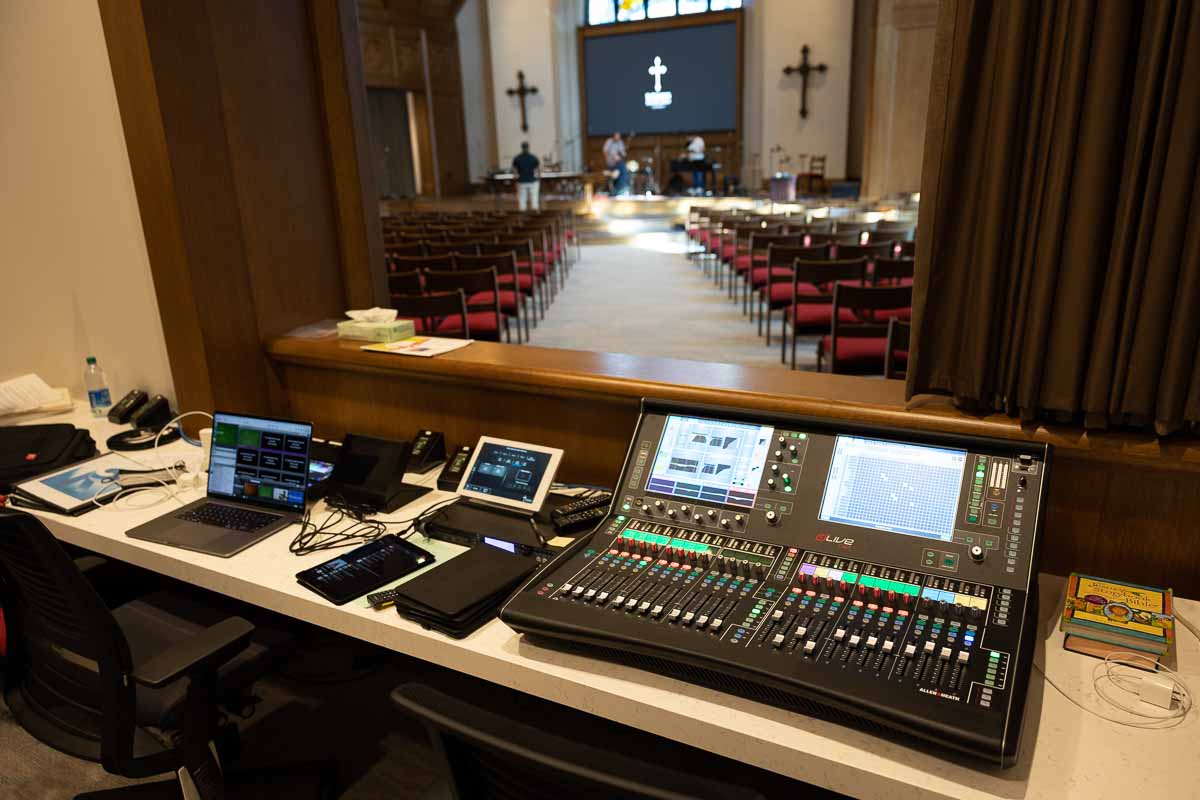
A well-designed audio-visual system transforms a worship experience, making it essential for the 30% of U.S. adults who attend religious services. Choosing a professional AV installation service is essential for seamless church audio-visual installation, as poorly integrated systems can lead to distracting sound issues, poor visibility, and inconsistent lighting.
Here are five key considerations when selecting the right team for the job.
Table of Contents
Key Takeaways
✔ A professional AV installation service with church experience ensures optimized sound, lighting, and video for a seamless worship experience.
✔ Proper acoustic treatment for church sound minimizes echoes and uneven audio, improving clarity for sermons and music.
✔ Thoughtful church stage lighting and video integration enhance visibility, engagement, and live-streaming quality.
✔ Expert worship center sound engineering eliminates feedback, balances audio, and customizes sound for different spaces.
✔ Partnering with an AV provider that offers ongoing support ensures long-term reliability, maintenance, and training.
✔ A well-planned budget prioritizes essential church audio-visual installation components while allowing for future upgrades.
✔ Professional sanctuary audio-visual integration prevents costly mistakes and maximizes performance for a lasting impact.
1. Choose an AV Installation Service with Church Experience
Not all AV companies understand the unique needs of a worship space. A professional AV installation service with experience in churches ensures the system enhances the message rather than becomes a distraction. From spoken word clarity to balanced music distribution, expertise in church audio-visual installation is essential for a seamless worship experience.
How Church-Specific Expertise Improves AV Installation
- Understanding Worship Acoustics: Church sanctuaries often have high ceilings and hard surfaces that create sound reflections, making spoken words difficult to understand. Specialists in sanctuary audio-visual integration apply acoustic treatment for church sound to reduce echoes and improve clarity.
- Optimizing Sound for Live and Recorded Services: Sermons, music, and live-streamed events require different sound configurations to maintain balance and quality. A knowledgeable team in worship center sound engineering ensures microphones, speakers, and mixers work together for both in-person and online audiences.
- Integrating Lighting and Video for Visibility: A well-lit stage is essential for both live presentations and recordings, requiring careful church stage lighting and video integration. Experienced AV providers design systems that prevent shadows, glare, and poor camera visibility, ensuring clear visuals for every seat in the sanctuary.
2. Prioritize Acoustic Treatment for Church Sound
A great sound system is only as good as the space it’s in. Churches often struggle with echoes, uneven sound distribution, and muffled speech due to their architectural design. Proper acoustic treatment for church sound is essential to ensure sermons, music, and prayers are heard with clarity.
How Acoustic Treatment Enhances Worship Sound
- Reducing Echoes and Reverb: High ceilings and hard surfaces can cause sound waves to bounce, making speech and music difficult to understand. Professional sanctuary audio-visual integration includes sound-absorbing panels and diffusers to minimize excessive reverb.
- Improving Speech Intelligibility: A well-designed worship center sound engineering plan ensures that every word spoken from the pulpit reaches the congregation without distortion. Acoustic panels strategically placed behind and around the stage help focus sound where it’s needed.
- Balancing Audio Across the Room: Without proper acoustic treatment for church sound, some areas may be too loud while others struggle to hear. Experts use calibrated sound measurements to evenly distribute audio, creating a balanced listening experience for every seat in the sanctuary.
3. Invest in Church Stage Lighting and Video Integration
Lighting and video are just as important as sound in a modern worship setting. A well-designed church stage lighting and video integration plan enhances engagement, ensures visibility, and supports live streaming. Proper placement and equipment selection prevent distracting shadows and glare.
Why Thoughtful Lighting and Video Design Matters
- Enhancing Visibility for In-Person Worship: Stage lighting must highlight speakers, musicians, and performers without washing them out. Experts in church stage lighting and video integration use layered lighting techniques to create depth and focus.
- Creating a Seamless Video Experience: Whether streaming services online or displaying lyrics on screens, video quality is essential. A professional AV installation service ensures cameras, projectors, and LED screens are properly positioned for clear visuals.
- Supporting a Dynamic Worship Atmosphere: Lighting can set the tone for different moments in a service, from quiet reflection to high-energy praise. Programmable lighting systems allow churches to adjust brightness and color schemes to match the flow of worship.
4. Ensure Proper Worship Center Sound Engineering
High-quality sound engineering allows a congregation to fully engage in worship. Without proper worship center sound engineering, microphones may pick up unwanted noise, music can overpower speech, and volume levels may be inconsistent. A professional church audio-visual installation team ensures every element works in harmony.
How Expert Sound Engineering Improves Worship Services
- Eliminating Feedback and Background Noise: Poorly configured microphones and speakers can cause audio feedback or pick up distracting ambient noise. Skilled worship center sound engineering professionals set up gain levels and microphone placements to eliminate these issues.
- Optimizing Audio for Live Music and Choirs: Worship services often include a mix of live music, vocalists, and instrumentalists that require precise sound balancing. Experts in sanctuary audio-visual integration use digital mixers and equalizers to blend audio elements smoothly.
- Customizing Audio for Different Spaces: Sound behaves differently in sanctuaries, fellowship halls, and outdoor venues. A professional AV installation service tailors speaker placement and sound settings to match each environment’s acoustics.
5. Choose an AV Installation Service That Offers Ongoing Support
Even the best AV system requires maintenance, upgrades, and troubleshooting over time. Partnering with a company that provides ongoing support ensures long-term performance and reliability. A professional church audio-visual installation team should offer training, maintenance plans, and future upgrade options.
Why Ongoing AV Support is Essential
- Training for Staff and Volunteers: Many churches rely on volunteers to run AV systems, making proper training crucial. An expert AV installation service provides hands-on guidance so teams can confidently operate soundboards, lighting controls, and video systems.
- Routine Maintenance and Troubleshooting: Regular inspections help prevent technical failures during services. A provider specializing in sanctuary audio-visual integration offers system checks, software updates, and quick fixes for common AV issues.
Scalability for Future Growth: As technology advances and congregations grow, AV systems need updates. A trusted worship center sound engineering team helps churches integrate new features like enhanced church stage lighting and video integration without starting from scratch.
How Professionals Assess a Church’s AV Needs Before Installation
A successful church audio-visual installation starts with a thorough assessment of the space and its unique needs. Professionals evaluate the sanctuary’s acoustics, visual requirements, and sound distribution to design a system that enhances worship services. By working with an expert AV installation service, churches can ensure every detail is tailored for optimal performance.
1. Evaluating the Church’s Acoustics and Sound Challenges
Every sanctuary has unique acoustic characteristics that affect how sound travels and is heard. Professional worship center sound engineering experts analyze factors like ceiling height, wall materials, and seating arrangements to identify potential issues like echo and uneven sound distribution. This assessment allows for the strategic placement of acoustic treatment for church sound, ensuring clear speech and balanced audio throughout the space.
2. Identifying Speaker Placement for Even Sound Coverage
Proper speaker placement is critical for ensuring every congregant hears sermons and music clearly. Professionals specializing in sanctuary audio-visual integration use advanced modeling software to map out speaker positions based on room dimensions and sound reflections. This process prevents dead zones, reduces excessive volume in certain areas, and creates a consistent listening experience for everyone.
3. Analyzing Lighting Needs for Clear Visibility
Lighting impacts how well speakers, musicians, and worship elements are seen both in-person and on video. A skilled AV installation service team assesses ambient light, existing fixtures, and the layout of the stage to determine the right church stage lighting and video integration approach. This includes selecting fixtures that minimize glare, prevent harsh shadows, and provide adjustable lighting for different types of services.
4. Assessing Video Display and Projection Requirements
A well-designed church audio-visual installation includes screens and projectors that are properly sized and positioned for visibility. Professionals consider the sanctuary’s layout, the distance from seating areas, and the brightness of ambient lighting to determine the best type of display—whether LED walls, projectors, or large monitors. This ensures lyrics, scripture passages, and live video feeds are crisp and clear for the entire congregation.
5. Planning for Future Growth and Technology Integration
Technology evolves, and churches often expand their AV needs over time. A professional sanctuary audio-visual integration team plans with future upgrades in mind, ensuring systems are scalable for additional speakers, screens, or streaming capabilities. This foresight prevents costly overhauls later and allows for seamless integration of new features as the congregation grows.
How to Fix Common AV Issues in a Church Setting
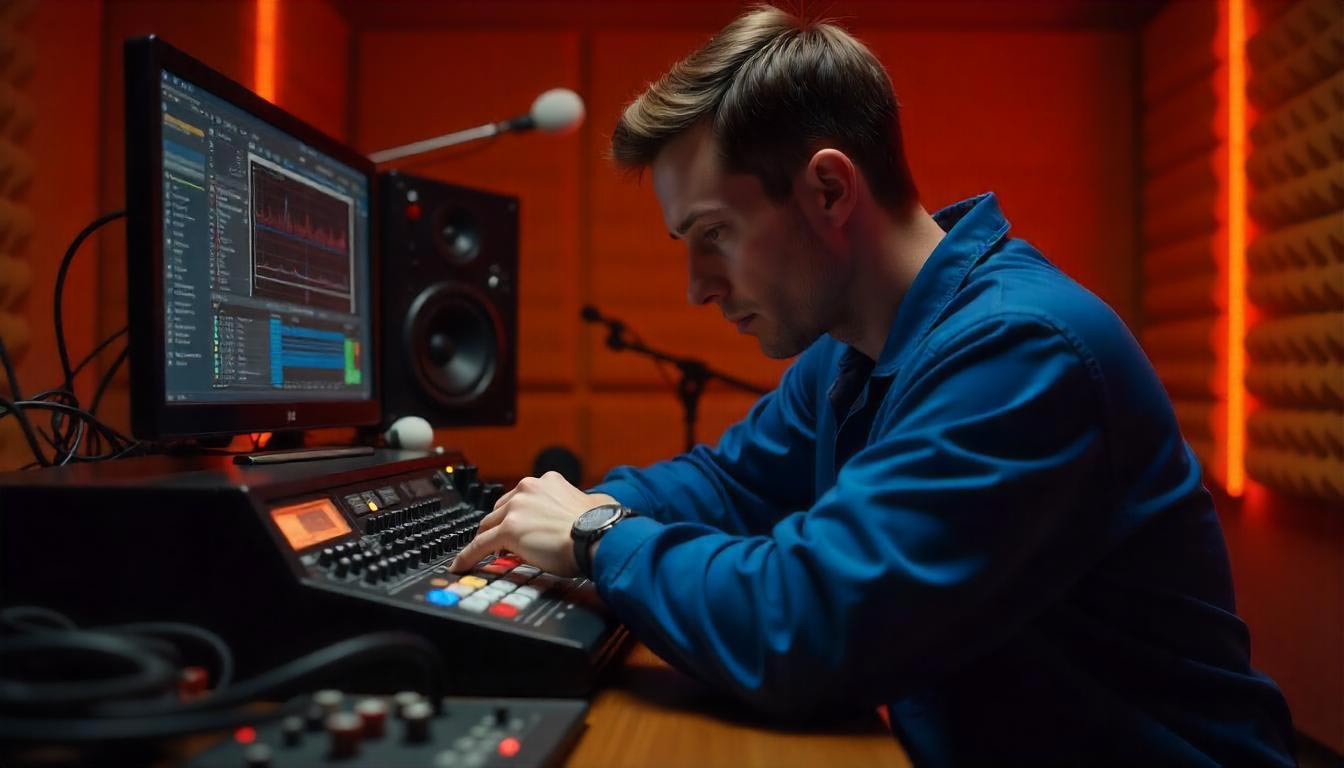
Even the best church audio-visual installation can experience occasional technical difficulties. Sound distortion, poor video quality, and malfunctioning lighting can disrupt services and frustrate both the congregation and worship leaders. Knowing how to troubleshoot these common problems—and when to call a professional AV installation service—helps keep everything running smoothly.
1. Eliminating Audio Feedback and Microphone Issues
High-pitched squeals or sudden feedback often occur when microphones pick up sound from nearby speakers. Professionals in worship center sound engineering prevent this by correctly positioning microphones, adjusting gain settings, and using directional mics to isolate voices. If feedback persists, reducing speaker volume slightly or repositioning the microphone away from reflective surfaces can help.
2. Fixing Muffled or Uneven Sound Throughout the Sanctuary
Some churchgoers may hear the sermon clearly, while others struggle with low or distorted audio. This is often due to improper speaker placement or a lack of acoustic treatment for church sound. A professional sanctuary audio-visual integration team uses sound mapping tools to optimize speaker angles and install acoustic panels that eliminate dead zones and improve clarity.
3. Resolving Poor Video Quality on Screens and Projectors
Blurry, dim, or washed-out visuals can make lyrics, scriptures, and sermon notes difficult to read. This issue often stems from projector brightness settings, incorrect resolution settings, or excessive ambient light. Experts in church stage lighting and video integration assess the placement of displays, adjust contrast and resolution settings, and recommend anti-glare screens for better visibility.
4. Preventing Flickering or Malfunctioning Stage Lighting
Inconsistent lighting can be distracting and disrupt the flow of a worship service. Common causes include loose power connections, failing bulbs, or incompatible dimmer controls. A professional AV installation service can inspect wiring, replace outdated fixtures, and program church stage lighting and video integration systems for smooth transitions and reliable performance.
5. Addressing Connectivity Problems with Live Streaming and Sound Systems
Lagging video streams, dropped audio, or syncing issues between sound and visuals can frustrate online viewers. Weak internet connections, outdated software, or improper audio routing may be to blame. Specialists in church audio-visual installation test network strength, update firmware, and configure streaming encoders to ensure smooth, high-quality broadcasts.

How to Plan a Budget for a Church Audio-Visual Installation
Investing in a high-quality church audio-visual installation requires careful budgeting to maximize value, especially as religious construction spending reached $2.9 billion in 2023. Costs can vary depending on the size of the sanctuary, the complexity of the system, and the level of professional expertise required.
1. Identifying Core AV Needs vs. Optional Enhancements
Not every church requires a high-end AV system with the latest technology. A professional AV installation service helps determine essential components, such as speakers, microphones, and projectors, while identifying optional features like LED walls or automated lighting. By focusing on critical sanctuary audio-visual integration needs first, churches can allocate funds wisely and expand their system later as the budget allows.
2. Understanding Equipment Costs and Quality Differences
AV equipment comes in a wide range of price points, and choosing the cheapest option can lead to poor performance and frequent replacements. Professionals in worship center sound engineering recommend durable, high-quality systems designed for houses of worship rather than consumer-grade products. Investing in reliable brands and expert installation reduces long-term costs by minimizing repairs and replacements.
3. Factoring in Installation and Labor Expenses
Beyond the cost of equipment, churches must budget for professional installation to ensure proper setup and performance. Skilled sanctuary audio-visual integration teams handle tasks like speaker alignment, cable management, and acoustic treatment for church sound to prevent costly mistakes. While hiring professionals adds to the upfront cost, it prevents expensive troubleshooting and ensures a seamless worship experience.
4. Planning for Maintenance and Future Upgrades
AV systems require ongoing maintenance to function properly, so churches should set aside a portion of their budget for routine servicing. Regular check-ups by a professional AV installation service help prevent technical failures, extend the lifespan of equipment, and keep software up to date. Additionally, planning for future enhancements—such as additional church stage lighting and video integration—ensures the system can grow with the congregation.
5. Seeking Financial Assistance and Cost-Saving Strategies
Churches can explore different funding options, such as grants, donations, or phased installations to spread out costs over time. Some professional church audio-visual installation providers offer financing plans or package deals that include training and support. By working with an experienced AV team, churches can find budget-friendly solutions without compromising on sound quality, video clarity, or worship center sound engineering needs.
Frequently Asked Questions (FAQs)
How long does a church audio-visual installation take?
The timeline for a church audio-visual installation depends on the size of the sanctuary and the complexity of the system. A basic setup with sound and video may take a few days, while a full sanctuary audio-visual integration with lighting, acoustic treatments, and streaming capabilities can take several weeks. Professional AV installation service providers create detailed project timelines to minimize disruptions to worship services.
Can an existing church sound system be upgraded instead of replaced?
Yes, many churches can enhance their existing system instead of replacing it entirely. A professional worship center sound engineering team can assess current equipment, upgrade specific components like speakers or mixers, and integrate new technology for improved performance. This approach can be a cost-effective way to modernize church audio-visual installation while maintaining familiar elements of the system.
What are the common mistakes churches make when setting up AV systems?
One of the biggest mistakes is purchasing consumer-grade equipment that isn’t designed for large spaces, leading to poor sound and video quality. Another common issue is skipping acoustic treatment for church sound, which results in echoes and uneven audio distribution. Working with a professional AV installation service helps avoid these pitfalls and ensures proper sanctuary audio-visual integration for a seamless worship experience.
How can a church AV system accommodate people with hearing impairments?
Many modern church audio-visual installation systems include assistive listening devices (ALDs) or hearing loop systems to improve accessibility. A skilled AV installation service can integrate these solutions into the existing worship center sound engineering design to ensure clear, direct audio for those with hearing difficulties. Additionally, proper speaker placement and acoustic treatment for church sound help enhance overall clarity for the entire congregation.
Does a church need a dedicated AV team to operate the system?
While small churches can often manage with trained volunteers, larger or more complex systems benefit from a dedicated AV team. Professionals in sanctuary audio-visual integration can provide training sessions to ensure staff and volunteers understand how to operate soundboards, lighting controls, and video systems. Investing in professional support ensures the church stage lighting and video integration runs smoothly during every service and event.
Transform Your Worship Space with Artech Church Interiors, Inc. in NYC
Artech Church Interiors, Inc. specializes in professional church audio-visual installation that enhances worship experiences with crystal-clear sound, dynamic lighting, and seamless video integration. Serving NYC churches of all sizes, our expert team designs custom sanctuary audio-visual integration solutions tailored to each space’s unique acoustics and layout. From worship center sound engineering to church stage lighting and video integration, we ensure every sermon, song, and service is seen and heard with clarity.
Contact our team today to bring the best AV installation service to your church!