
Stained glass adds beauty and meaning to a church, but choosing the right design requires careful consideration of history, architecture, and community values. Fortunately, expert church renovation companies can help with this process, ensuring the stained glass enhances the church’s aesthetic and reflects its heritage.
Here are seven essential tips to help you choose the perfect stained glass for your church.
Table of Contents
Key Takeaways✔ Understanding your church’s historical and cultural context is crucial for selecting stained glass that honors its heritage. ✔ Aligning stained glass with the church’s architectural style ensures a harmonious and aesthetically pleasing design. ✔ Thoughtful selection of colors and themes in stained glass can enhance the spiritual atmosphere and reflect the church’s mission, as per church renovation companies. ✔ Balancing aesthetics with functionality in stained glass is key to maintaining both beauty and practicality in the church, as per church renovation companies. ✔ According to church renovation companies, investing in high-quality materials and skilled craftsmanship ensures that your stained glass will stand the test of time. ✔ Customization and personalization of stained glass can create a unique and meaningful connection with the congregation. ✔ Proper budgeting and viewing stained glass as a long-term investment help achieve the best results without compromising quality. ✔ Working closely with church renovation companies provides valuable guidance and expertise throughout the stained glass selection and installation process. |
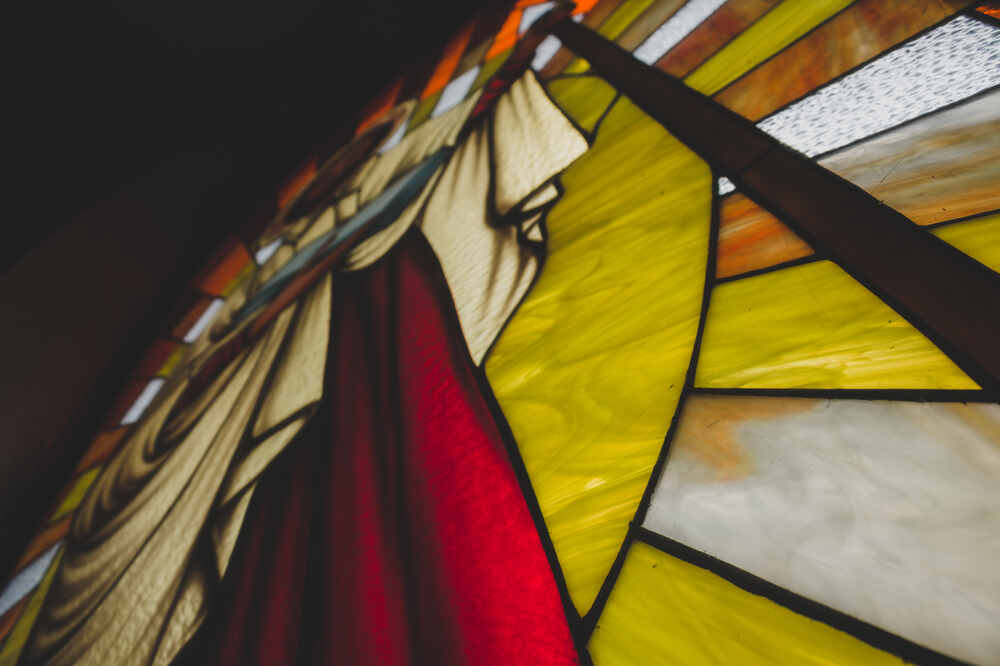
1. Understand the Historical and Cultural Context of the Church
According to church renovation companies, understanding your church’s historical and cultural context is crucial because it ensures that the stained glass not only beautifies the space but also aligns with the church’s heritage and values. This context helps in creating a cohesive design that resonates with the congregation and reflects the church’s unique identity.
How to Do This
- Research the Church’s History: Start by delving into the church’s history, including its founding, architectural evolution, and significant events. Knowing these details allows you to choose stained glass that honors the church’s past and maintains its historical integrity. Study the codes and regulatory requirements for rehabilitating historic buildings as well.
- Consider the Cultural Background: Take into account the cultural background of the congregation and the surrounding community. Incorporating cultural symbols, colors, or themes in the stained glass can make it more relatable and significant to the churchgoers. This approach helps create a sense of belonging and identity within the church, making the stained glass an integral part of its cultural expression.
- Consult with Church Renovation Companies: Partner with experienced church renovation companies to gain insights into how other churches have successfully integrated historical and cultural themes into their stained glass designs. These professionals can offer valuable advice on choosing designs that respect and enhance the church’s heritage. Their expertise ensures that the stained glass will complement the church’s overall aesthetic and historical significance.
2. Consider the Church’s Architectural Design
The architectural design of your church sets the stage for selecting stained glass that enhances the building’s overall aesthetic. Choosing glass that complements the church’s structure ensures a harmonious look, preserving the integrity of both the architecture and the new design elements. This alignment helps maintain a consistent visual and spiritual atmosphere in the church.
How to Do This
- Match the Architectural Style: Choose stained glass that aligns with the church’s architectural style, whether it’s Gothic, Romanesque, or modern. This approach ensures that the glass integrates seamlessly into the church’s existing design, enhancing rather than clashing with its structure. By matching the style, the stained glass will naturally blend with the church’s original design elements.
- Pay Attention to Proportions: Ensure that the stained glass design is proportionate to the church’s windows and overall structure. Proper scaling prevents the stained glass from overwhelming or underwhelming the space, creating a balanced and aesthetically pleasing effect. This attention to proportion is key to maintaining the church’s visual harmony.
- Complement Existing Elements: Look at the church’s current design elements, such as woodwork, stone, and other decorative features. The stained glass should complement these materials and colors to create a cohesive look throughout the church. This approach ties the new stained glass into the existing design, enhancing the overall beauty of the space.
3. Select the Right Colors and Themes
Colors and themes in stained glass convey powerful messages and emotions, shaping the spiritual atmosphere of the church. The right choices can inspire worshippers, reflecting the church’s mission and values. Selecting appropriate colors and themes ensures that the stained glass resonates deeply with the congregation.
How to Do This
- Choose Colors that Reflect the Church’s Identity: Select colors that align with the church’s identity and mission, such as using blue for peace and red for sacrifice. These choices can enhance the emotional and spiritual experience of the congregation. By reflecting the church’s core values, the colors become a visual representation of its beliefs.
- Incorporate Biblical or Religious Themes: Consider incorporating biblical stories, saints, or religious symbols into the stained glass design. These themes can serve as visual sermons, reinforcing the church’s teachings and beliefs. This approach adds depth and meaning to the stained glass, making it an integral part of the church’s spiritual life.
- Consult with Church Renovation Companies: Work with church renovation companies to choose themes that resonate with the congregation and reflect the church’s traditions. Their expertise can guide you in selecting designs that are both meaningful and visually impactful. Partnering with professionals ensures that the themes are well-executed and aligned with the church’s identity.
4. Balance Aesthetics with Functionality
Stained glass should not only be beautiful but also functional, enhancing the church’s natural light and ambiance. Balancing these aspects ensures that the stained glass contributes to the overall experience of the space without compromising practicality. A well-chosen design can elevate both the aesthetic and functional aspects of the church.
How to Do This
- Maximize Natural Light: Choose stained glass designs that allow sufficient natural light to filter into the church, creating a bright and welcoming atmosphere. The use of lighter colors and strategic placement can enhance this effect, making the space feel open and uplifting. This balance between beauty and functionality is essential for maintaining the church’s inviting ambiance.
- Consider Durability: Opt for stained glass materials and designs that are durable and easy to maintain. This consideration is especially important in high-traffic areas or where the glass is exposed to the elements. Church renovation companies can recommend materials that offer both aesthetic appeal and longevity, ensuring that the stained glass remains beautiful for years to come.
- Align with the Church’s Use: Think about how the church is used throughout the week, such as for services, weddings, or community events. The stained glass should complement these activities by providing the right ambiance and lighting. This approach ensures that the stained glass is not only decorative but also enhances the church’s functionality during various events.
5. Choose Quality Materials and Craftsmanship
High-quality materials and skilled craftsmanship are essential for creating stained glass that will stand the test of time. Investing in quality ensures that the stained glass remains vibrant and intact, serving as a lasting tribute to the church’s faith and community. Choosing well-made stained glass also reduces the need for frequent repairs and maintenance.
How to Do This
- Select High-Quality Glass and Lead: Ensure that the glass and lead used in the stained glass are of the highest quality, as these materials directly impact the durability and appearance of the final product. High-quality materials resist fading, cracking, and other damage, preserving the stained glass’s beauty over time.
- Work with Skilled Artisans: Partner with artisans who have a proven track record in creating stained glass for churches. Their experience and skill will be evident in the precision of the design and the vibrancy of the colors. Church renovation companies can recommend reputable artists who specialize in religious stained glass, ensuring top-notch craftsmanship.
- Inspect the Finished Product: Before installation, carefully inspect the stained glass to ensure it meets your standards for quality and craftsmanship. Look for even coloring, smooth lead lines, and secure joints. This final check ensures that the stained glass will enhance the church’s interior with its beauty and durability.
6. Consider Customization and Personalization Options
Customization allows you to create stained glass that is unique to your church, reflecting its identity and values in a personalized way. Personalized designs can make the stained glass a focal point of the church, fostering a deeper connection with the congregation. This approach ensures that the stained glass is not just a decoration but a meaningful part of the church’s story.
How to Do This
- Incorporate Church Symbols and Icons: Include symbols, icons, or emblems that are specific to your church in the stained glass design. These elements can make the stained glass feel more personal and relevant to the congregation. Customizing the design in this way adds a layer of meaning and connection for church members.
- Personalize with Donor Acknowledgments: If the stained glass is funded by donations, consider incorporating donor names or dedications into the design. This gesture honors the contributors and makes the stained glass a community project. Church renovation companies can help design tasteful and respectful ways to include these acknowledgments.
- Collaborate with Local Artists: Work with local artists who understand the church’s community and can incorporate local culture and symbols into the stained glass. This collaboration can result in a design that resonates deeply with both the church and the surrounding community. Engaging local talent also fosters a sense of pride and ownership in the project.
7. Budget Considerations and Long-Term Investment
Setting a realistic budget for stained glass projects is essential to ensure that you get the best value without compromising on quality. Viewing the stained glass as a long-term investment helps justify the cost, as it will serve the church for generations. Proper budgeting allows you to make informed decisions that align with both your financial constraints and your aesthetic goals.
How to Do This
- Set a Clear Budget: Begin by setting a clear and realistic budget for your stained glass project, considering factors such as size, materials, and complexity of design. This step helps in narrowing down your options and ensures that you stay within your financial limits. Church renovation companies can assist in providing cost estimates based on your specific needs.
- Prioritize Quality: While it’s important to stay within budget, prioritize quality materials and craftsmanship. Investing in high-quality stained glass may have a higher upfront cost, but it will save you money in the long run by reducing the need for repairs and replacements. Church renovation companies can help you find the best quality options that fit within your budget.
- Consider Long-Term Value: Think of stained glass as a long-term investment that enhances the church’s value and aesthetic appeal. High-quality stained glass not only beautifies the church but also contributes to its spiritual and cultural legacy. This perspective helps justify the investment and ensures that the stained glass will be appreciated by future generations.
How to Work with Church Renovation Companies
Last year, spending on religious construction projects totaled approximately $2.9 billion, highlighting the substantial investment in maintaining these vital buildings. Working with church renovation companies for the first time can seem daunting, but with the right approach, the process can be smooth and rewarding. Here’s how to effectively collaborate with church renovation companies if it’s your first time.
1. Start with a Clear Vision
Before engaging with a church renovation company, have a clear vision of what you want to achieve. Outline your goals, whether it’s restoring historical elements, updating the design, or adding new features like stained glass. This clarity helps the renovation company understand your expectations and tailor their approach to meet your needs.
2. Schedule an Initial Consultation
Arrange a meeting with the church renovation company to discuss your project in detail. During this consultation, share your vision, budget, and any specific concerns you may have. This initial discussion is crucial for establishing a mutual understanding and setting the foundation for a successful collaboration.
3. Review Their Portfolio and References
Ask the church renovation company to provide examples of their previous work, especially projects similar to yours. Reviewing their portfolio and speaking with past clients will give you confidence in their ability to handle your project. This step also allows you to gauge the quality of their work and their expertise in church renovations.
4. Discuss the Project Timeline and Budget
Work with the church renovation company to develop a realistic timeline and budget for your project. Be open about your financial constraints and desired completion date. The company will help you create a plan that balances quality, time, and cost, ensuring that the project stays on track and within budget.
5. Maintain Open Communication
Throughout the renovation process, maintain regular communication with the church renovation company. Schedule check-ins to review progress, address any issues, and make decisions on key aspects of the project. Open communication ensures that both parties are aligned and that the renovation proceeds smoothly.
Frequently Asked Questions (FAQs)
1. How long does it typically take to install stained glass in a church?
The installation time for stained glass in a church can vary depending on the size and complexity of the design. On average, it may take several weeks to a few months to complete the installation, including the time needed for custom design, fabrication, and fitting. It’s important to plan ahead and work closely with your church renovation company to ensure the timeline fits with your church’s schedule.
2. Can stained glass be repaired if it gets damaged?
Yes, stained glass can be repaired if it gets damaged, though the process requires skilled artisans to ensure the repair is seamless. Common repairs include fixing cracked glass, reinforcing weak lead lines, or replacing missing pieces. Working with experienced church renovation companies ensures that any repairs are handled with the utmost care and precision.
3. Is it possible to replicate existing stained glass designs in a church renovation?
Replicating existing stained glass designs is possible and often done in church renovations to preserve the church’s original aesthetic. Skilled artisans can create replicas that closely match the original colors, patterns, and textures. Church renovation companies can guide you through the process, ensuring that the new glass blends seamlessly with the old.
4. What types of maintenance does stained glass require?
Stained glass requires regular maintenance to preserve its beauty and structural integrity. This includes gentle cleaning to remove dirt and grime, as well as periodic inspections to check for any damage or weakening of the lead lines. Church renovation companies can offer maintenance plans to keep your stained glass in optimal condition for many years.
5. Can modern stained glass incorporate energy-efficient features?
Yes, modern stained glass can incorporate energy-efficient features, such as insulated glazing or low-emissivity coatings. These enhancements help to improve the church’s energy efficiency by reducing heat loss and minimizing UV damage to interior furnishings. Consulting with church renovation companies can help you explore these options while still achieving the desired aesthetic for your stained glass.
Transform Your Church with Artech Church Interiors, Inc. in Rhode Island
Artech Church Interiors, Inc., a trusted church renovation company in Rhode Island, offers expert services to revitalize your worship space with elegance and respect for tradition. As an authorized dealer of Hunter Douglas, we ensure high-quality materials and exceptional craftsmanship in every project.
Contact us today to discover how we can help bring your church renovation vision to life.