
Table of Contents
Key Takeaways✔ Start renovations with a thorough historical assessment to maintain the church’s architectural and spiritual essence. ✔ Update safety features, accessibility, and technology discreetly to meet modern standards without disrupting the historic aesthetic. ✔ Engage historic renovation contractors with specific experience in church renovations to ensure appropriate techniques and materials are used. ✔ Involve the church community in the renovation process to ensure the updates reflect collective values and needs. ✔ Utilize reclaimed materials where possible for environmental benefits and historical authenticity. ✔ Consider regulatory, financial, and logistical aspects thoroughly before beginning the renovation to manage challenges effectively. |
When tasked with updating a historic church, the challenge extends far beyond simple renovations; it involves a delicate balance between introducing modern amenities and preserving the rich heritage that defines these sacred spaces. Churches are not merely buildings; they are epicenters of community and spirituality, steeped in historical significance that spans centuries.
The goal of modernizing a church, therefore, should be twofold: to enhance its functionality and accessibility for today’s congregation while carefully maintaining the architectural integrity and spiritual essence that connect it to the past. Historic renovation contractors play a crucial role in this process, ensuring that each update aligns with the church’s historical context and continues to honor its legacy.
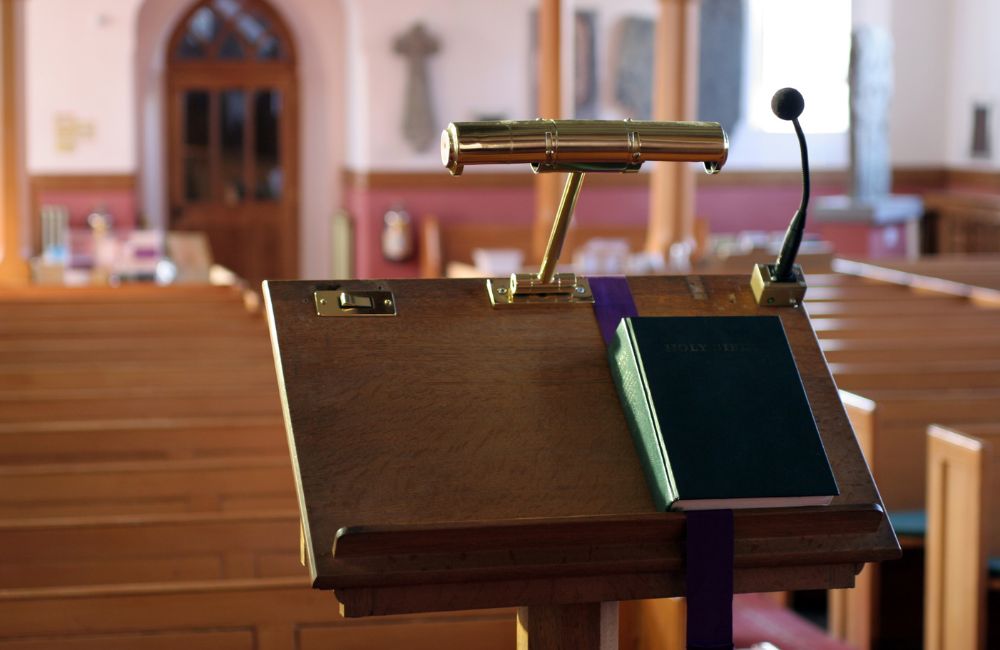
Why Update Your Church Facility
Updating your church facility is not just about aesthetics or compliance; it’s a strategic step towards enhancing the functionality and safety of your space, while also making it more welcoming and accessible to the community.
Meeting Modern Needs
Modernizing a church’s facilities is crucial to adhering to current safety regulations and accessibility standards. Historic renovation contractors can significantly enhance a building’s functionality, ensuring it meets the community’s evolving needs without sacrificing its historical essence.
Improving Energy Efficiency
Upgrading your church with energy-efficient systems reduces operational costs and supports environmental stewardship. This includes installing LED lighting, better insulation, and efficient heating and cooling systems. Historic renovation contractors can integrate these modern solutions in ways that respect the building’s original character.
Accommodating Diverse Activities
Modern church facilities often need to support a wide range of activities beyond worship services, including community gatherings, educational programs, and social services. Historic renovation contractors can help redesign spaces to be more flexible and functional.
Boosting Technological Capabilities
Enhancing a church’s audiovisual capabilities is crucial for engaging younger generations and expanding outreach through online services and live streaming. Historic renovation contractors can oversee the installation of modern AV equipment discreetly, preserving the aesthetic integrity of the sacred space.
Preserving the Building for Future Generations
Regular updates and maintenance overseen by historic renovation contractors help address wear and tear that can compromise the structural integrity of aging church buildings. Proactively managing these issues ensures the church remains a safe and welcoming place for future congregants.
5 Factors to Consider Before Starting a Church Renovation Project
Embarking on a church renovation project requires thoughtful preparation and strategic planning. It’s essential to consider a range of factors before beginning to ensure that the renovations respect the church’s heritage, meet current needs, and anticipate future requirements. This careful consideration helps in aligning the project with legal standards, financial realities, and the preservation of the church’s historical essence. Taking the time to plan thoroughly can prevent costly mistakes and disruptions, making the process smoother and more successful.
1. Regulatory Compliance
Compliance with local regulations and historic preservation standards is essential in church renovation projects. Historic renovation contractors ensure renovations adhere to building codes and zoning laws to avoid legal issues and ensure safety. They also help maintain the church’s architectural and cultural heritage by adhering to historic preservation standards. Their expertise ensures that modern updates are legally and culturally integrated while respecting the building’s historical significance.
2. Budget and Funding
A church renovation project can cost hundred thousands of dollars. When planning church renovations, it’s essential to establish a realistic budget that accounts for both expected costs and potential unforeseen expenses. Historic renovation contractors advise including a contingency fund to handle unexpected issues, seeking multiple quotes for transparency, and ensuring detailed contracts to avoid budget overruns. This financial planning is crucial for managing the renovation effectively without compromising on quality or scope.
3. Choosing the Right Contractor
It’s important to choose contractors with a proven track record in similar projects, demonstrating both technical expertise and a sensitivity to historical preservation. Effective communication and a clear understanding of the project’s vision are also essential qualities to look for in historic renovation contractors, ensuring that modern updates are implemented efficiently and appropriately.
4. Environmental Considerations
When updating church heating and cooling systems, it’s essential to choose HVAC systems that can be discreetly integrated and are energy-efficient to minimize impact on both the environment and operational costs. Historic renovation contractors recommend selecting systems with adjustable and zone-specific controls to optimize comfort and minimize structural changes to the building. This approach ensures the systems blend with the church’s historic architecture while providing modern functionality.
5. Long-term Maintenance
Long-term maintenance planning is essential for church renovations, focusing on using durable materials and quality craftsmanship to reduce future repair costs and preserve the building’s integrity. This strategy ensures the church remains functional and aesthetically consistent with its historical character over time, minimizing the need for frequent, disruptive maintenance.
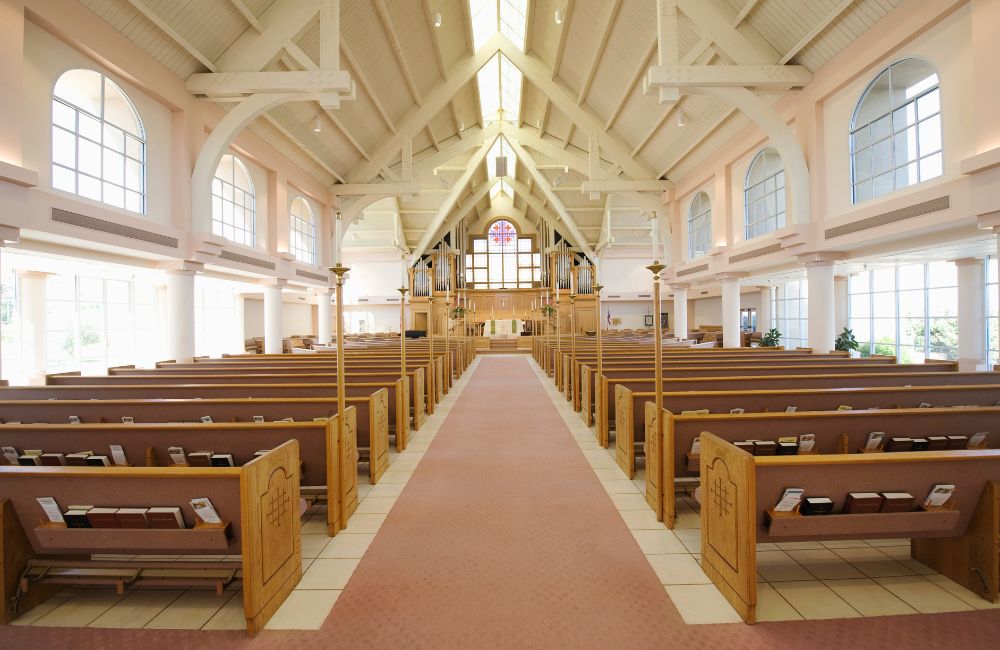
8 Tips to Modernizing a Church While Preserving Its History
Preserving the history of a church is vital as it maintains the architectural and cultural heritage that connects congregations to their past, enriching their worship experience. At the same time, modernization ensures the facility meets contemporary needs, making it more accessible, safe, and functional for its community. Together, these goals help sustain the church as a relevant and welcoming space for generations to come.
1. Start With a Historical Assessment
This process involves carefully studying the church’s architecture, original construction materials, and any historical documentation available. The goal is to identify key historical features that define the church’s character and should be preserved. By understanding these elements, contractors can ensure that the modernization respects and maintains the church’s historical integrity while updating it to meet current needs. This approach helps in making informed decisions about which modern interventions are appropriate and how they should be implemented to minimize impact on the church’s historical essence.
Engaging historic renovation contractors who specialize in historical buildings can provide insights that prevent costly mistakes and ensure that renovations respect the church’s original design and materials.
2. Incorporate Modern Safety Features Discreetly
Incorporating modern safety features discreetly into historic churches is essential to ensure they meet contemporary safety standards without compromising their architectural integrity. This process involves strategically integrating safety updates that blend seamlessly with the existing structure.
- Fire Safety Enhancements: Installing modern fire alarms and sprinkler systems is crucial for protecting both the congregation and the historic structure in case of a fire. To do this discreetly, these systems can be installed in less conspicuous areas or camouflaged within existing design elements to maintain the aesthetic continuity of the interior.
- Structural Integrity: Strengthening the building’s structural integrity is also key, especially in older buildings that may not meet current standards. This might involve reinforcing walls or foundations with modern materials that are hidden from view, such as behind existing facades or under floors. The goal is to enhance the building’s resilience to natural forces like earthquakes or severe weather while keeping these updates invisible to maintain the historical appearance.
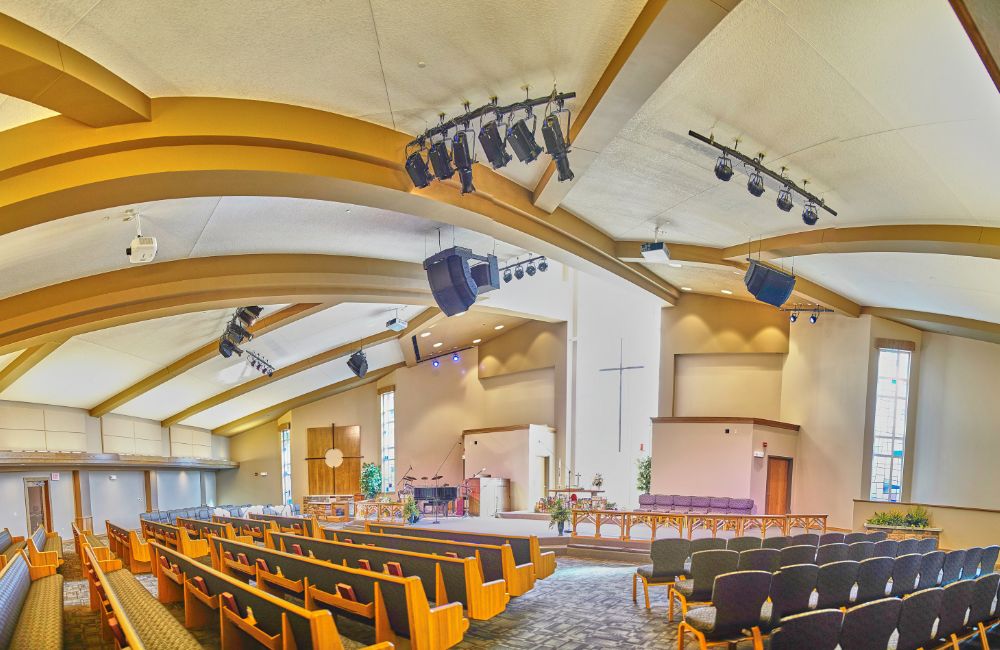
3. Enhance Accessibility While Respecting Original Design
Enhancing accessibility in historic churches involves thoughtful design and careful selection of materials by historic renovation contractors to ensure new adaptations blend seamlessly with the existing architecture. This is vital not only for usability but also for preserving the building’s historic integrity.
- Strategic Placement of Accessibility Features: Historic renovation contractors carefully plan where to add ramps, elevators, and accessible entrances. They choose locations that minimize impact on the church’s historic façade and interior spaces.
- Sympathetic Material Selection: The materials used for accessibility features are selected to complement the church’s existing structures. Historic renovation contractors often use similar textures, colors, and materials to those found in the original building, ensuring that new additions are less conspicuous and maintain historical coherence.
- Integrating Modern Elements Subtly: Historic renovation contractors are skilled in integrating modern necessities, such as handrails and signage, in a way that respects the aesthetic and historical value of the church. They opt for designs that are understated yet functional, preserving the overall historical character.
- Compliance with Preservation Standards: It’s crucial that all modifications meet local historic preservation standards. Historic renovation contractors navigate these regulations to ensure that accessibility improvements are legally compliant while honoring the church’s architectural integrity.
4. Use Restoration Techniques for Crucial Elements
When undertaking the modernization of a church, the application of restoration techniques by historic renovation contractors to preserve its defining elements is not only crucial but also deeply respectful of its historical and aesthetic significance. These contractors expertly balance maintaining historical integrity with enhancing the building’s usability. This ensures that the church serves future generations without losing its historical significance, providing a blend of preservation and modern functionality.
- Stained Glass Restoration: This involves carefully cleaning the glass, repairing or replacing damaged pieces, and ensuring the lead cames that hold the panels together are intact. Specialists may use silicone sealants or other protective coatings to prevent future damage.
- Woodwork Preservation: For wooden features like pews, altars, and doors, restoration can include stripping old paint or varnish, repairing damaged wood, and applying new finishes that are both historically accurate and durable. Techniques such as using linseed oil can help in preserving the wood longer while maintaining its original look.
- Stone and Masonry Repair: This includes cleaning the stonework, repointing the mortar (removing old, deteriorating mortar and replacing it with new mortar), and fixing any cracks or erosion in the stone. It’s important to use materials and methods that match the original as closely as possible to maintain the structural integrity and appearance of the church.
- Metalwork Refinishing: For metal elements like railings, gates, and fixtures, refinishing might involve rust removal, polishing, and applying a protective coating to prevent further decay. Techniques such as powder coating can offer a durable finish while still being aesthetically pleasing.
5. Integrate Modern Technology Tastefully
Integrating modern technology tastefully into historic churches is a crucial task that historic renovation contractors handle with great care to enhance functionality without detracting from their traditional charm. This process involves embedding contemporary audio-visual systems, lighting, and connectivity solutions in a way that is almost invisible, meticulously managed by historic renovation contractors to maintain the aesthetic integrity of the space. These skilled contractors ensure that the modern enhancements are discreet enough not to disrupt the historical atmosphere of the church, blending seamlessly with its age-old architecture.
- Sound and Lighting: Upgraded sound systems improve the clarity of services and events, catering to larger audiences without intrusive equipment. Modern lighting can be designed to highlight architectural features subtly while providing adequate illumination for various church activities.
- Connectivity: Wi-Fi and other digital technologies are essential for expanding the church’s outreach through live streaming and interactive services. Installing these technologies discreetly ensures that the church remains a place of historical significance while meeting the needs of a modern congregation.
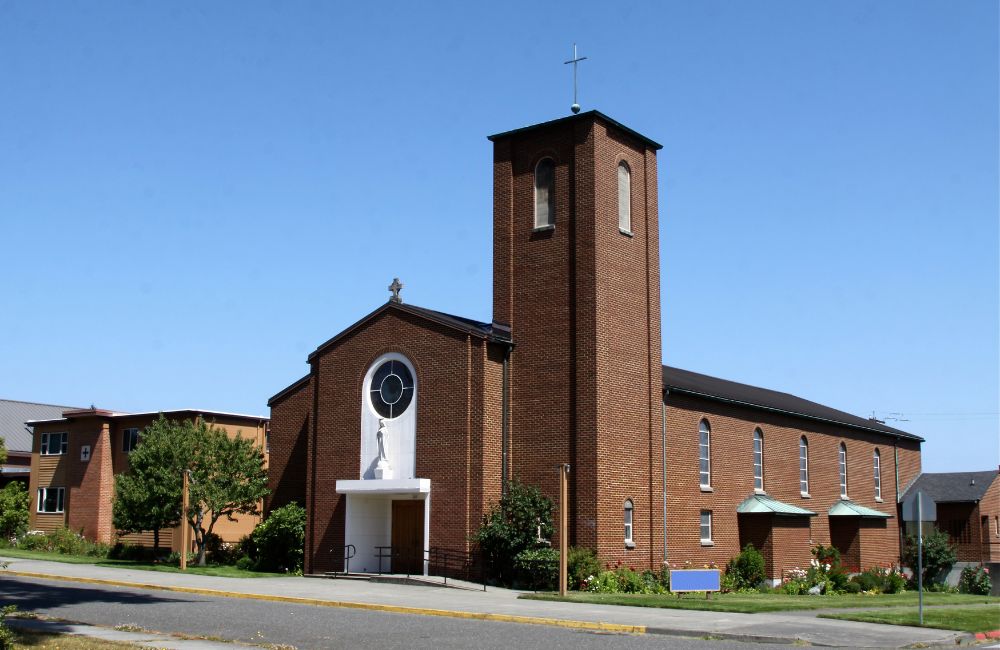
6. Respect the Original Color Schemes
Respecting the original color schemes during church renovations is a critical practice recommended by historic renovation contractors to preserve the historical authenticity and aesthetic continuity of the space. The colors used in a church are not only decorative but also hold significant historical and symbolic meanings that contribute to the building’s spiritual and cultural identity. By maintaining these colors, historic renovation contractors help ensure that the church retains its original character and continues to tell its historical story. This approach is essential in maintaining the deep connection between the church’s architecture and its community.
- Use Technology for Matching: Utilize color-matching technology to find modern paint equivalents that closely resemble the original hues. Many paint suppliers offer services that can analyze small samples of old paint and provide a contemporary match.
- Choose Appropriate Materials: Select materials and finishes that not only match the color but also the texture and sheen of the originals. This attention to detail will help ensure that the renovated areas blend seamlessly with the untouched parts.
- Test Colors Onsite: Before fully committing to a color scheme, apply test patches in different areas of the church to see how they look under various lighting conditions throughout the day. This step can prevent potential mismatches that aren’t apparent in a store or on a sample card.
7. Maintain the Landscape and Exterior in a Historical Context
Maintaining the landscape and exterior of a church in its historical context is essential for preserving the structure’s authenticity and aesthetic continuity. Historic renovation contractors emphasize this approach not only to respect the church’s heritage and cultural roots but also to enhance the physical and spiritual experience for community members and visitors. By preserving these elements with the guidance of historic renovation contractors, the church remains a meaningful historical beacon, accurately reflecting its legacy and narrative. This careful stewardship ensures that the church continues to serve as a vibrant center of community and spirituality.
- Respect Historical Design: Ensure that any changes or enhancements to the landscaping and external structures respect the original historical design. This might involve using period-appropriate plants, fixtures, and materials that would have been used during the church’s era.
- Use Period-Appropriate Materials: For any repairs or reconstructions, choose materials that match those originally used in the church’s construction. This helps in maintaining the visual integrity of the building. For example, if the church originally used a particular type of stone, try to source the same stone for any masonry repairs.
- Consult Historical Records: Reference historical records and photographs to recreate the original landscaping and external features accurately. This ensures that modern interventions do not stray from the historical aesthetics.
- Prioritize Preservation Over Innovation: When choosing between modern landscaping trends and historical accuracy, prioritize preservation. This might mean opting for more traditional techniques and avoiding contemporary architectural elements that could clash with the church’s historical style.
8. Utilize Reclaimed Materials Where Possible
Utilizing reclaimed materials is a strategic approach recommended by historic renovation contractors when modernizing a church to maintain its historical integrity. This practice involves sourcing and refurbishing old materials that match the era and style of the church. Here are a few tips for effectively using reclaimed materials:
- Source Authentic Materials: Historic renovation contractors often source materials from other renovated or demolished historic buildings to ensure authenticity. This can include wood, stone, bricks, and stained glass that blend seamlessly with the existing structure.
- Preserve Original Character: Using reclaimed materials helps preserve the church’s original character, as these materials have aged in a way that new materials cannot replicate. This contributes to the continuity of the church’s historical aesthetic.
- Ensure Structural Compatibility: It’s important to ensure that reclaimed materials are not only aesthetically appropriate but also structurally sound. Historic renovation contractors assess the integrity of these materials to ensure they can safely be integrated into the church structure.
- Enhance Environmental Sustainability: Using reclaimed materials reduces waste and the demand for new resources, aligning the renovation project with environmentally sustainable practices. This approach is valued by communities and contributes to a greener renovation process.
Partner with New Haven, CT’s Trusted Historical Restoration Company Today!
Ready to breathe new life into your historic church while preserving its cherished heritage? Partner with a trusted historical restoration company today. Our expert team in New Haven, CT, specializes in blending modern functionality with timeless beauty, ensuring your church remains a beacon of community and spirituality for generations to come.
Don’t wait to restore and modernize your sacred space—contact us now to discuss how we can help you honor the past while embracing the future. Let’s work together to keep your church’s legacy thriving.