

Planning a church renovation in New York requires a clear plan, realistic budgeting, and the right team from the start. Between high construction costs, strict building regulations, and older structures, even small upgrades can turn into complex projects if not handled properly.
Most churches see better results when they approach renovation in phases, set a budget early, form a building committee, and work with experienced professionals.
We’ll walk you through what to expect, including costs, timelines, and practical steps to help you plan your church renovation with confidence.
WHAT'S IN THIS GUIDE
QUICK FACTS
✔️ Church renovation in New York requires early planning and realistic budgeting.
✔️ Costs vary based on the building, location, labor, and code requirements.
✔️ Most projects need a 7% to 15% contingency fund.
✔️ Timelines can grow due to permits, approvals, and construction scope.
✔️ Experienced professionals can help prevent delays and costly mistakes.
Renovation vs. New Construction
For many congregations, renovation is the more practical path because it allows them to improve the space they already have while controlling costs and preserving the character of the church. In many cases, improving the church through renovation makes more sense than starting over, especially in New York, where land, permits, and construction costs can be much higher.
That said, constructing a new church may be the better long-term option if the existing building has major structural issues, limited room for growth, or no longer supports the congregation’s needs.
Average Cost of Church Renovation in New York
Church renovation costs across New York are significantly higher than the national average due to elevated labor rates, material pricing, and strict building regulations statewide. Whether updating a historic sanctuary or modernizing interiors, understanding cost breakdowns early can help prevent budget overruns.
Within New York, costs are typically highest in New York City (NYC), where stricter permitting requirements, higher labor costs, and logistical challenges add another layer of complexity.
Cost Per Square Foot
The average cost of church renovation in New York varies widely depending on the building condition, location, and scope of work. While there is no fixed price specific to churches, broader construction benchmarks can help set realistic expectations.
In New York, high-end residential and commercial construction provides a useful reference point:
- Luxury homes: $500 to $1,000+ per square foot
- Commercial high-rise buildings: $688 to $827 per square foot
Additional cost factors further influence pricing:
- Material costs: Steel averages around $912 per ton, reflecting significant increases in recent years
- Labor rates: Skilled trades typically range from $85 to $132 per hour
- Building permits: $1,200 to $5,000 or more, depending on project scope
- Land value reference: Approximately $12,000 per acre, though this varies significantly in urban settings
For a more accurate estimate tailored to your church project, consult experienced professionals such as Artech Church Interiors, Inc.
Key Factors That Affect Cost
Several variables influence the total cost of a church renovation:
- Building age and condition: Older churches often require structural repairs, which can significantly increase costs.
- Scope of work: Cosmetic updates cost less than full-scale renovations involving structural or system upgrades.
- Mechanical systems: Replacing HVAC, electrical, and plumbing systems is one of the most expensive components.
- Accessibility upgrades: ADA compliance may require ramps, elevators, and restroom modifications.
- Interior and liturgical elements: Seating, altars, lighting, and flooring vary widely in cost depending on materials and design.
- Historic preservation requirements: Churches designated as landmarks must follow specific guidelines, which can increase labor and material costs.
Soft Costs and Contingency Planning
Beyond construction, churches should account for:
- Architectural and engineering fees (typically 8–15% of total project cost)
- Permits and inspections
- Project management
Contingency fund (7–15% recommended)
Typical Timeline for a Church Renovation Project
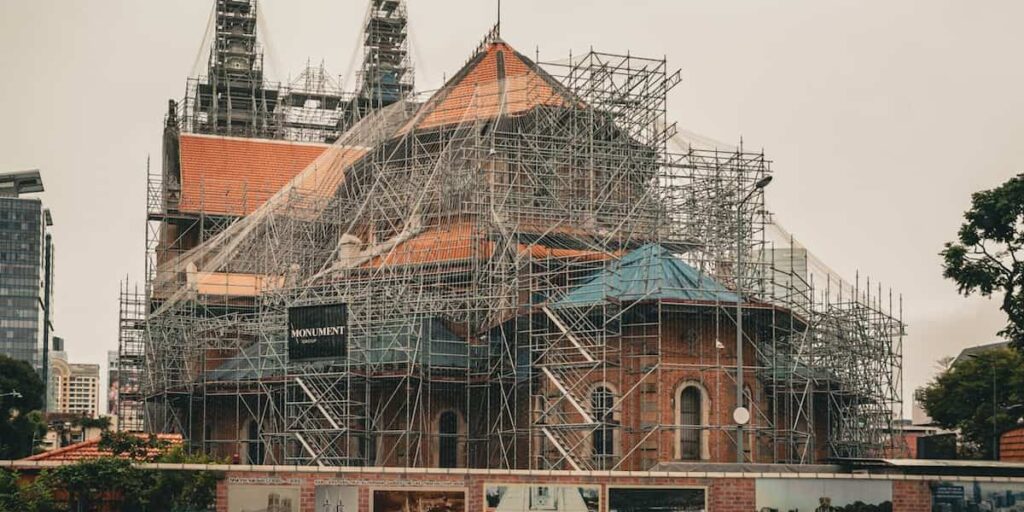
A church renovation project in New York is rarely quick. Most projects take 6 to 18 months, depending on complexity, approvals, and construction scope. A phased timeline helps set realistic expectations and prevents delays.
Pre-Planning Phase (1–3 Months)
This stage sets the foundation for the entire project:
- Form a building committee
- Assess current facility conditions
- Define goals and priorities
- Establish an initial budget
Churches that invest time here tend to avoid costly revisions later.
Design and Approval Phase (3–6 Months)
This phase involves translating ideas into actionable plans:
- Develop architectural drawings
- Coordinate with engineers and consultants
- Submit plans for permits and approvals
- Address zoning and code requirements
If the church is historically designated, approvals may take longer due to preservation reviews.
Construction Phase (4–12+ Months)
The most visible stage of the project includes:
- Demolition and structural work
- Installation of mechanical systems
- Interior construction and finishing
Timelines vary depending on whether the project is a straightforward church renovation within an existing structure or a more complex expansion.
Final Inspections and Completion (1–2 Months)
Before reopening, the project must pass final checks:
- Building inspections
- Code compliance verification
- Final walkthrough and adjustments
Once approved, the church can resume full operations.
Step-By-Step: How To Plan a Church Renovation in New York
Planning a church renovation in New York requires a structured approach that balances vision, budget, and compliance. Breaking the process into clear steps helps minimize delays and keeps the project aligned with both ministry goals and regulatory requirements.
Step 1: Form a Building Committee
Start by assembling a dedicated team to oversee the project. This typically includes:
- Church leadership
- Financial decision-makers
- Members with construction or project management experience
A building committee ensures decisions are organized, documented, and aligned with the church’s long-term goals.
Step 2: Assess Current Conditions and Future Needs
Evaluate the current condition of the facility and how it needs to serve the congregation in the future.
Key areas to review:
- Seating capacity and layout
- Structural condition of the building
- Accessibility (ADA compliance)
- Multi-purpose or community spaces
This step is critical whether you are renovating or planning to build a church in the future, as it defines the scope of work.
Step 3: Define Scope and Set a Realistic Budget
Clearly outline what the renovation will include:
- Cosmetic updates (paint, flooring, lighting)
- System upgrades (HVAC, electrical, plumbing)
- Structural improvements
Set a budget early and include:
- Construction costs
- Soft costs (design, permits)
- A 7–15% contingency fund for unexpected issues
A well-defined scope helps prevent costly changes during construction.
Step 4: Secure Funding
Before moving forward, confirm how the project will be financed.
Common funding options include:
- Capital campaigns
- Congregation donations
- Loans or financing programs
Having funding in place ensures the project can proceed without interruptions.
Step 5: Hire Experienced Professionals
Work with architects and contractors who understand the unique requirements of church spaces. Experienced teams, including specialized church renovation companies in NY, bring expertise in acoustics, seating layouts, and liturgical design.
Choosing the right professionals early reduces risk and improves project efficiency.
Step 6: Navigate Permits and Local Regulations
Church renovations in New York must meet specific legal and safety requirements before any construction begins.
New York City Building Code (NYC Construction Codes)
Renovation work must comply with structural, mechanical, plumbing, and energy provisions under the NYC Construction Codes. Any alteration to an existing building must meet current code requirements, even if the structure is older.
NYC Fire Code (Assembly Occupancy Requirements)
Churches are classified as assembly occupancies, which means stricter fire safety rules apply. This includes requirements for:
- Emergency exits and egress capacity
- Fire alarm and sprinkler systems
- Occupancy limits and crowd safety
Accessibility Requirements
When renovations impact public areas, churches must ensure accessibility features are maintained or improved. This can include:
- Accessible entrances and routes
- ADA-compliant restrooms
- Seating and mobility accommodations
Landmarks Preservation Commission (If Applicable)
If a church is designated as a landmark or located in a historic district, exterior work and certain interior changes require approval from the NYC Landmarks Preservation Commission.
Some projects may require:
- Formal applications
- Public hearings for major changes
- Use of approved materials and methods
Permit approvals can take time, so this step should begin as early as possible.
Step 7: Plan for Construction and Congregation Impact
During construction, normal operations may be disrupted. Prepare by:
- Identifying temporary worship spaces
- Adjusting service schedules
- Communicating regularly with the congregation
Clear communication helps maintain engagement and support throughout the project.
Step 8: Monitor Progress and Stay Flexible
Even with careful planning, adjustments may be necessary. Regular check-ins with contractors and project managers help:
- Track progress
- Address issues early
- Stay within budget and timeline
Flexibility is key, especially in older buildings where unexpected conditions are common.
5 Expert Advice for a Successful Church Renovation
A successful church renovation depends on more than good design. It requires practical decision-making, realistic expectations, and a clear understanding of how the space will serve the congregation over time.
1. Prioritize Function Before Finishes
Start with the parts of the building that affect safety, usability, and long-term performance. Structural repairs, roofing, electrical systems, plumbing, and accessibility improvements should come before decorative upgrades.
2. Plan Around Ministry Needs
A renovation should support how the church actually functions. Think through worship flow, seating, acoustics, lighting, classrooms, fellowship areas, and community use so the finished space works well beyond Sunday services.
3. Build in a Contingency Fund
Unexpected issues are common, especially in older New York buildings. Setting aside a contingency fund early helps the project stay on track when hidden structural damage, outdated systems, or code-related updates arise.
4. Expect the Approval Process to Take Time
Permits, inspections, and possible zoning or landmark reviews can slow progress. Churches that plan for these timelines early are usually better positioned to avoid rushed decisions later.
5. Choose Experience Over the Lowest Bid
The cheapest proposal is not always the best value. In church renovation work, experience with religious spaces, older buildings, and phased construction often matters more than a low starting number. Look for:
- Experience with church and religious building projects
- Proven portfolio of similar renovations
- Knowledge of NY codes, permits, and inspections
- Clear communication and project management
- Ability to guide planning, budget, and long-term use
Frequently Asked Questions (FAQs)
Do churches in New York need a licensed architect for renovation work?
In many cases, yes. If the project involves structural changes, major system upgrades, occupancy changes, or permit drawings, a licensed architect is typically required to prepare plans and coordinate code compliance.
Can a church stay open during renovation?
Yes, but it depends on the scope of work. Some churches renovate in phases, so worship services can continue, while others temporarily move services to another area or off-site location for safety and scheduling reasons.
What is the biggest mistake churches make during renovation planning?
One of the most common mistakes is underestimating the total project cost. Churches often budget for visible improvements but overlook soft costs, contingency funds, and code-related upgrades that can affect the final price.
Should a church renovate in phases or all at once?
That depends on budget, building use, and project complexity. Phased renovation can reduce disruption and spread out costs, but full renovation may be more efficient if major systems or structural work need to happen at the same time.
How early should a church start planning a renovation?
Churches should ideally begin planning at least several months before construction starts. Larger or more complex projects may need a year or more of planning to allow time for budgeting, design, approvals, and fundraising.
Start Your Church Renovation With the Right Team
Working with a team that specializes in church environments can help reduce uncertainty and keep the process organized from start to finish.
Artech Church Interiors, Inc. in NYC brings focused experience in church renovation and design, helping congregations approach their projects with clarity, structure, and practical guidance.
Contact Artech Church Interiors today to start planning your church renovation with confidence.