
What’s in This Guide
- What’s Actually Wrong With Your Church’s Stained Glass?
- Repair, Restoration, or Protective Glazing: What’s the Real Difference?
- How Do You Decide Which Option Fits Your Church?
- What Should You Expect a Stained Glass Project to Cost?
- Why Work With a Church Renovation Company on Stained Glass Projects?
- Frequently Asked Questions
- Plan Your Church’s Stained Glass Project
A cracked pane, a bowing frame, or a panel that rattles in the wind usually means it's time for a decision. For New Jersey congregations, that decision often comes down to three paths: repair the window in place, send it out for full studio restoration, or add protective glazing to buy time. Sometimes replacement is the only realistic option.
Each path serves a different type of damage, budget, and timeline. Understanding the difference helps building committees compare church renovation companies, ask better questions, and avoid costly missteps.
Quick Facts
- On-site repair works for minor issues. Loose putty, small cracks, or light grime rarely require removing a window from its opening.
- Studio restoration may be needed when more than 5% of the glass is broken or solder joints are failing.
- Protective glazing shields, but poor ventilation traps moisture, worsening damage.
- Documentation, photographs, and measurements should be completed before glass work begins.
What’s Actually Wrong With Your Church’s Stained Glass?
Most stained glass problems fall into a handful of visible categories. Identifying the type and extent of damage is the first step in church window restoration and helps determine whether repair, restoration, protective glazing, or replacement is appropriate.
Common warning signs include:
- Bulging or bowing panels. Lead came stretches over time under the glass’s own weight, especially in tall or wide sanctuary windows.
- Cracked or missing glass pieces. Storm damage, vandalism, or age can leave gaps that let in weather and pests.
- Failing solder joints. Where lead lines meet, joints can corrode or separate, weakening the whole panel.
- Dark grime or condensation. Surface dirt is often cosmetic, but condensation between layers can signal a ventilation problem behind existing protective glass.
- Frame deterioration. Wood frames may rot, metal frames can rust, and stone surrounds may lose mortar or crack.
A window with light surface grime and a loose came section is a different project from one that is bulging several inches out of plane. Both conditions appear in older New Jersey sanctuaries, but they require different historic stained glass repair or restoration methods.
Repair, Restoration, or Protective Glazing: What’s the Real Difference?
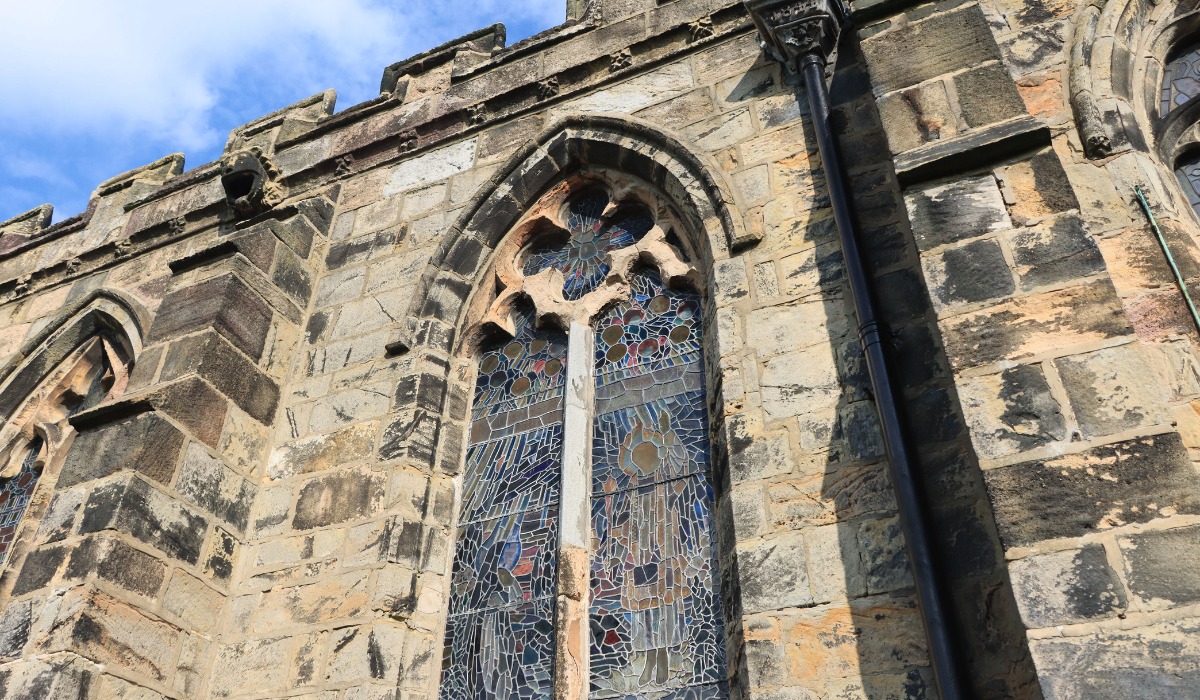
These terms get used loosely, but the National Park Service draws clear technical lines between them, and those lines should shape how a church scopes its project.
On-Site Repair: Fixing Minor Issues in Place
Repair typically means addressing minor preservation issues without removing the window from its opening. This is the least invasive and usually the least disruptive option for weekly services.
According to the National Park Service, it’s always preferable to repair windows in their original settings when the damage allows for it. Suitable repair candidates include:
- Minor surface cleaning
- Small crack stabilization
- Localized came reinforcement
- Frame touch-ups that don’t require full removal
Studio Restoration: When a Window Has to Come Down
Church window restoration may involve off-site work when larger structural issues or specialized equipment are involved.
The National Park Service also notes that studio treatment may be necessary when a window is bulging or sagging significantly out of plane, when more than about 5% of the glass is broken, or when solder joints are failing throughout the panel.
The process generally involves:
- Careful removal and crating for transport
- Documentation through photography, rubbings, and measurements
- Disassembly piece by piece
- Conservation of individual glass and lead components
- Reassembly and reinstallation
This is bench work performed by trained conservators, not a same-day fix. Timelines depend on the extent of damage and how many windows are involved.
Protective Glazing: A Shield, Not a Standalone Fix
Protective glazing adds an exterior glass or polycarbonate pane in front of the original stained glass to guard against weather, pollutants, and vandalism. It’s a common recommendation for exposed or street-facing windows.
But protective glazing carries a real risk if installed without proper ventilation. The National Park Service cautions that improperly vented protective glazing has often created more preservation problems than it solved, since trapped condensation and debris between the layers can accelerate deterioration of the original glass.
Congregations considering this option should ask any installer specifically how airflow will be managed between the two layers.
Full Replacement: When Original Glass Can’t Be Saved
Replacement becomes the practical choice when a window has deteriorated beyond what repair or restoration can reasonably address. Extensive fire damage or long-term water infiltration are common examples.
The same is true for a window that was never architecturally or historically significant to begin with. Replacement also comes up when a congregation wants a new design, such as adding a memorial window or updating a plain glass opening.
Unlike repair or restoration, replacement means original material and craftsmanship are not preserved. For historically significant windows, this should generally be the last option considered rather than the first.
▶ READ MORE: How Much Does a New Stained Glass Window Cost for a Church?
How Do You Decide Which Option Fits Your Church?
The right approach to stained glass restoration in New Jersey depends on the extent of damage, the window’s historical significance, and how the congregation plans to use the space going forward.
|
Factor |
Repair |
Restoration |
Protective Glazing |
Replacement |
|
Damage level |
Minor, localized |
Extensive, structural |
Does not repair existing damage |
Beyond repair |
|
Removal required |
No |
Yes |
No; an added layer is installed |
Yes |
|
Preserves original material |
Fully |
Fully |
Fully beneath the added layer |
No |
|
Best for historic windows |
Yes, when minor |
Yes |
Supplemental, if vented |
Only as last resort |
|
Typical disruption |
Low |
Moderate to high |
Low |
Moderate to high |
A few practical decision factors to walk through with a building committee:
- Has a professional inspected the window from both sides? Interior and exterior views often reveal different issues.
- Is the frame stable enough to support the glass? Frame failure can undermine even a well-restored panel.
- Is the window historically or artistically significant? Original studio work, donor inscriptions, or documented age can shift the decision toward preservation over replacement.
- What’s the realistic maintenance plan after the work is done? Ongoing inspection reduces the odds of repeating major repairs.
What Should You Expect a Stained Glass Project to Cost?
Stained glass costs vary widely depending on the scope of the work, and no two church windows are priced the same way. Instead of a fixed number, it helps to understand what actually drives the estimate.
Factors that typically affect pricing include:
- Size and number of window openings
- Extent of glass, lead, and frame damage
- Whether the project requires on-site repair or full studio restoration
- Access requirements, including scaffolding or lift equipment for tall sanctuaries
- Materials selected, such as antique glass, custom painted panels, or protective glazing systems
- Site conditions specific to the building, including historic designation review
Because these variables shift from one sanctuary to the next, an accurate number only comes from an in-person or documented assessment of the actual windows involved.
Why Work With a Church Renovation Company on Stained Glass Projects?
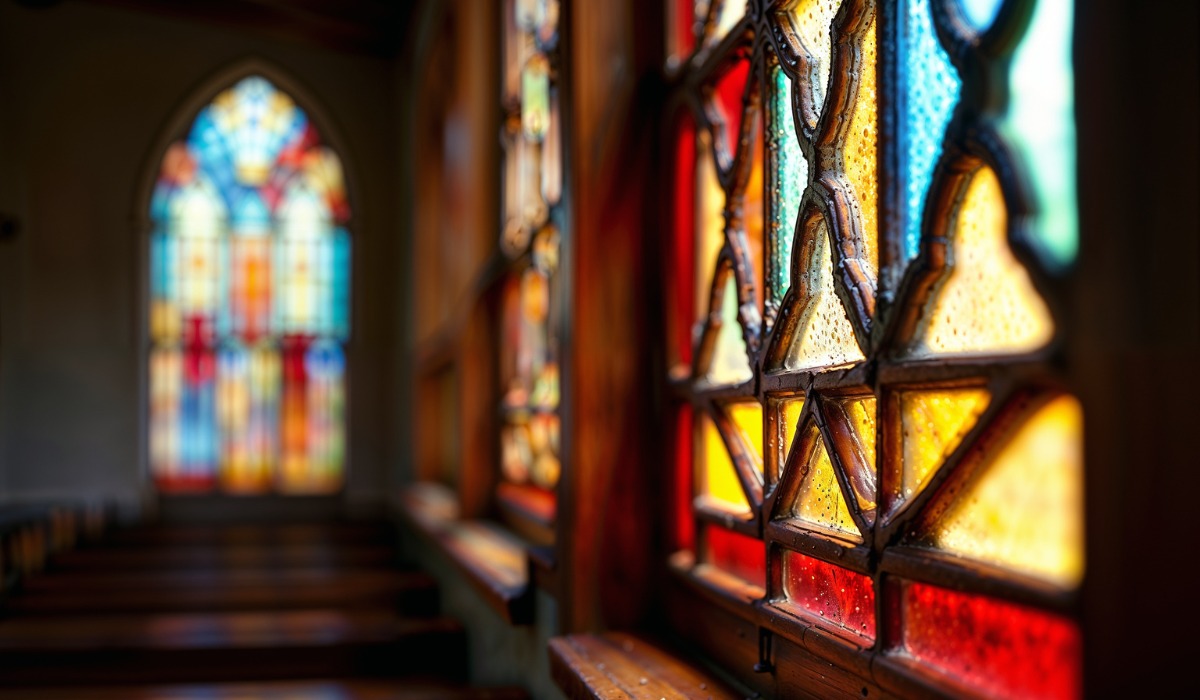
Stained glass work sits at the intersection of art conservation, structural repair, and church operations. Choosing among church renovation companies for historic stained glass repair means looking beyond general contracting experience to specialized knowledge of glass, lead, frames, and historic materials.
They Document Conditions Before Work Begins
A qualified team typically records the existing condition of a window before any glass is touched. This helps set clear expectations and gives the congregation a reference point as the project moves forward.
They Explain Repair Versus Restoration in Plain Terms
Not every church committee has a background in stained glass or historic materials. A good partner walks through why a window needs simple repair versus full studio restoration, so the decision feels informed rather than assumed.
They Plan Around the Worship Schedule
Scaffolding, lifts, and access equipment can disrupt services if timing isn’t considered. Experienced teams generally build a plan that keeps disruption to a minimum.
They Understand Protective Glazing Requirements
Ventilation matters when protective glazing is part of the plan. A company familiar with this work can speak to how airflow and moisture will be managed between the layers.
They Account for Historic Register Requirements
Some New Jersey churches fall under state or National Register considerations. A renovation company familiar with this landscape can help a congregation understand what, if anything, applies to their building.
They Can Coordinate Multiple Renovation Scopes
Stained glass work often overlaps with other interior projects, such as flooring or seating updates. Coordinating these scopes together can help reduce repeated setup and site protection costs.
Frequently Asked Questions
Can a cracked stained glass window be repaired without removing it?
Small cracks and localized damage can often be stabilized on-site without removing the window from its opening. More extensive cracking, especially where multiple pieces are affected or solder joints are failing, may require removal for studio-based church window restoration.
Is protective glazing enough on its own to preserve an old window?
Protective glazing adds a layer of defense against weather and impact, but it does not repair existing damage to the glass or lead. It also requires proper ventilation between the layers, since trapped moisture can cause more harm than the exposure it was meant to prevent.
Does a historic designation affect how a church can restore its windows?
It can. Churches listed on the New Jersey or National Register of Historic Places may face added review, particularly for projects tied to state or federal funding. Congregations should confirm requirements with the NJ Historic Preservation Office before starting removal or replacement work.
How long does stained glass restoration in NJ typically take?
Timelines depend on the number of windows, the extent of damage, and whether work happens on-site or in a studio. Studio restoration involves removal, documentation, disassembly, conservation, and reinstallation, which generally takes longer than localized on-site repair.
When should a church consider full replacement instead of restoration?
Replacement is usually considered when damage is too extensive to reasonably repair, such as significant fire or water damage, or when the existing glass has little historic or artistic significance. For windows with documented history or original craftsmanship, restoration is typically explored first.
Plan Your Church’s Stained Glass Project
Every stained glass project begins with understanding the condition of the glass, lead, and supporting structure. A professional assessment can help a congregation compare historic stained glass repair, protective glazing, restoration, and replacement based on the needs of the worship space.
Among church renovation companies, the right team should provide guidance from site assessments and preservation planning through project scheduling around church activities.
Contact Artech Church Interiors, Inc. to schedule a site visit and discuss your stained glass project.