
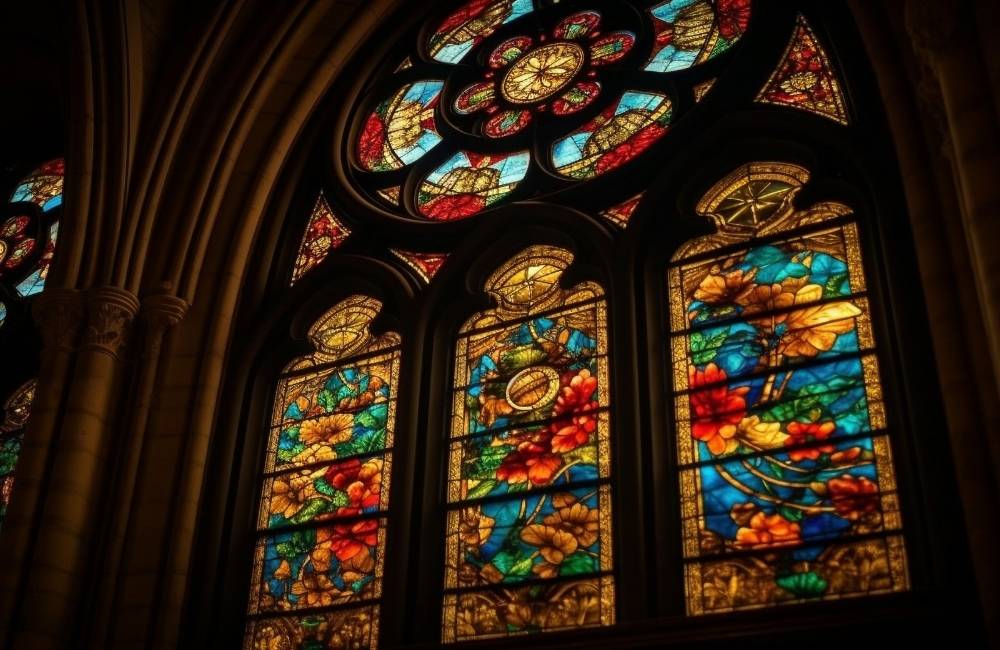
Restoring church stained glass windows is a delicate process that blends art, history, and skilled craftsmanship. These windows are not only decorative elements but also hold deep cultural and spiritual meaning for many congregations. When planning a restoration, even small oversights can lead to significant damage, higher costs, or loss of historic value. Proper planning is essential to protect both the beauty and integrity of these sacred features.
Here are the top six planning mistakes to avoid when restoring church stained glass windows.
Top 6 Planning Errors in Church Stained Glass Projects
1.Skipping a Professional Assessment
When restoring church stained glass windows, one of the most common and costly mistakes is jumping into the project without first bringing in a qualified stained glass professional. Many assume that a quick visual check or a basic contractor’s opinion is enough. But stained glass—especially in historic or religious settings—needs expert evaluation to understand the true condition and repair needs.
Why a Professional Evaluation Matters
An experienced specialist understands how to identify deeper structural and material concerns that are invisible to the untrained eye. Skipping this step can result in higher costs, longer timelines, or even permanent damage to the windows.
- Hidden Structural Damage: Many ecclesiastical stained glass windows suffer from bowed panels, weakened lead came, or failing support bars that aren’t obvious at first glance. These issues often develop slowly and worsen over time without early intervention.
- Misjudging the Scope: What may seem like a simple fix—such as a single broken pane—can turn into a full panel reassembly once the condition of the lead or frame is examined more closely. A surface-level review misses the complexity of restoring antique church stained glass windows.
- Overlooking Age-Related Wear: Older windows, especially those found in a stained glass cathedral, may have hairline fractures or brittle leadwork that weaken their overall stability. These subtle signs are often ignored without expert eyes, risking long-term damage.
- Inadequate Documentation: Professionals provide detailed condition reports, photos, and repair recommendations based on years of specialized experience. This kind of documentation helps guide every stage of the restoration and supports clear communication with the church board or committee.
Long-Term Benefits of Expert Input
Getting expert input at the start saves time, money, and headaches later. It also ensures the beauty and symbolism of the colored glass in worship spaces is preserved for future generations.
- Preservation of Artistic Value: Skilled assessors know how to balance needed repairs with keeping original design details and glass textures intact. In sacred spaces, where the artwork holds deep meaning, this is essential for both visual and spiritual preservation.
- Accurate Cost Planning: With a professional assessment, all repair needs—from minor cracks to full frame replacements—can be priced realistically from the beginning. This helps churches plan their budgets properly and avoid mid-project financial surprises.
- Better Project Management: A clear evaluation leads to a well-structured restoration timeline and identifies which specialists are needed. This level of planning is especially helpful for managing larger or historic church stained glass windows projects.
2.Ignoring Historical Context
Restoring church stained glass windows is more than just fixing broken pieces. These windows often carry deep artistic, spiritual, and historical meaning. Overlooking their original context—like the design style, materials, and the time period they were created—can damage more than the glass.
Understanding the Window’s Origin
Before restoration begins, it’s important to understand who created it, what it’s made of, and the meaning behind its design. In the Middle Ages, ecclesiastical stained glass served as a visual tool to teach Scripture and honor the church and its saints. Its imagery was shaped by many influences, making it vital to preserve both the artwork and the message it was meant to convey.
- Design Style and Symbolism: Many ecclesiastical stained glass windows use colors, shapes, and symbols that reflect specific religious meanings or historical events.
- Era and Artistic Movement: Knowing whether the window was made during the Gothic revival, Victorian era, or another period helps determine proper restoration methods and materials.
- Materials Used in the Original Work: Colored glass in worship spaces was often handmade, using techniques that are rare or no longer in practice. Restorers must know what kind of glass was used to match it properly.
Common Consequences of Ignoring Context
When the original context is ignored, well-meaning restoration work can do more harm than good. Replacing historic details with modern shortcuts may make the window look “new,” but it strips away the authenticity that gives it value.
- Loss of Artistic Integrity: Swapping out original glass for cheaper or incorrectly colored replacements can make the window lose its character.
- Mismatch in Style and Materials: Modern materials often don’t age the same way, leading to visible differences and possible damage over time.
- Devaluation of the Building’s Heritage: For stained glass cathedral settings or other historic churches, careless restoration can reduce the building’s overall cultural and architectural value.
Why Historical Accuracy Matters
Keeping a stained glass window true to its roots respects the craftsmanship of its creators and the purpose it served in the church. Preserving these original details also helps future generations connect with the past in a meaningful way.
- Cultural Significance: Many church stained glass windows reflect community history and religious heritage.
- Spiritual Atmosphere: Authentic stained glass can affect how light moves through a space, influencing the worship experience in subtle but powerful ways.
- Educational Value: Accurate restorations allow historians, students, and visitors to learn from the past without interference from modern changes.
3. Not Budgeting for the Full Process
Restoring church stained glass windows is a meaningful project, but many churches run into trouble when they don’t plan the budget carefully. One of the most common and costly mistakes is overlooking extra expenses that come up along the way.
Hidden Costs Often Overlooked
A restoration project is rarely limited to just repairing or replacing glass. There are several related expenses that may not be obvious at the start.
- Scaffolding and Equipment Rental: Most ecclesiastical stained glass windows are tall and hard to reach. Safe and proper access often requires professional scaffolding, lifts, or platforms. These rentals can add up fast, especially in large buildings like a stained glass cathedral.
- Protective Glazing Installation: Installing a clear protective layer on the outside of the window helps shield it from the weather and vandalism. It’s a smart long-term move but is an added cost that many forget to include.
- Transport and Removal Costs: If the windows are being removed and taken off-site for work, transportation and safe packing materials must be considered. This step is crucial to protect the fragile colored glass in worship spaces.
- Permit or Historical Review Fees: In some areas, restoring historical buildings or religious landmarks requires review or permission from local heritage offices, which may come with fees.
- Storage for Removed Windows: If there’s a delay between removing the glass and reinstalling it, a safe place to store the windows might be needed. Proper storage avoids damage or theft.
Why an Itemized Budget Matters
Creating a line-by-line budget from the start helps everyone involved know what to expect. It gives decision-makers a full picture of the costs and makes sure nothing important is left out.
- Prevents Project Delays: With all parts of the job included in the plan, there’s less chance the work will be paused due to missing funds.
- Helps Secure Accurate Bids: Contractors can give better estimates when the full scope of work is clear, avoiding unexpected add-ons later.
- Gives Donors and Stakeholders Confidence: When churches show a thoughtful and complete plan, it helps gain trust from those funding or supporting the project.
Plan with Real Numbers, Not Just Estimates
Using vague numbers can lead to financial surprises. It’s best to work with professionals who specialize in church stained glass windows so they can help provide real costs based on experience.
- Get Multiple Quotes: Prices for materials and labor can vary. Getting a few estimates helps ensure the church pays a fair rate.
- Include a Contingency Fund: Set aside extra money (typically 10–15% of the total) for unexpected costs that may come up during the process.
4. Choosing the Wrong Contractor
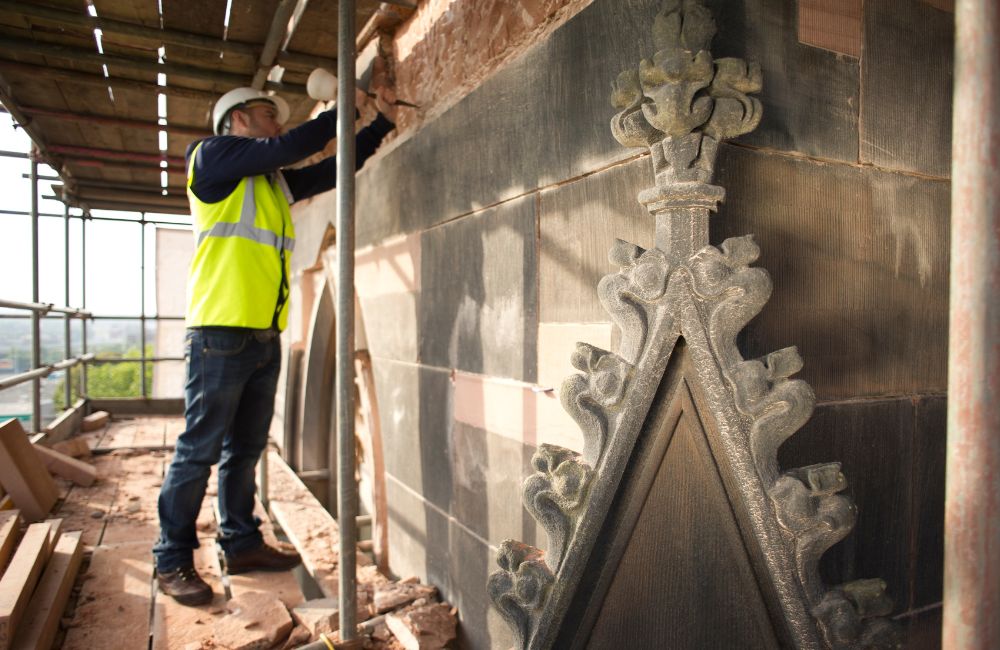
Hiring the right contractor is one of the most important steps when restoring church stained glass windows. It might be tempting to go with the lowest price, but restoration work—especially for historic or religious buildings—requires experience, care, and a deep understanding of sacred art.
Lack of Ecclesiastical Experience
Not all stained glass experts have the same level of experience with ecclesiastical stained glass. This type of work is very different from residential or commercial stained glass projects. Church windows often have deep historical, spiritual, and architectural value. A contractor unfamiliar with these unique aspects may overlook important details or use the wrong methods.
- Historic Sensitivity: Contractors who have worked on colored glass in worship spaces understand how to treat delicate, often centuries-old materials without compromising their look or meaning.
- Liturgical Awareness: Experience with churches means the contractor respects the symbolism, themes, and placement that are important to faith communities.
Choosing Based on Price Alone
While budget matters, price shouldn’t be the deciding factor. A contractor with little knowledge of restoring a stained glass cathedral may offer a cheaper quote, but the risks are high.
- Low-Quality Repairs: Cheaper work often uses inferior materials or shortcuts, which can cause more damage over time.
- Future Costs: Poor-quality restoration may need to be redone, leading to even higher expenses later.
What to Look For Instead
Church leaders or committees should take time to thoroughly research each contractor before making a decision. It’s better to be cautious and thorough than to regret the outcome.
- Verified Credentials: Look for certifications or training in stained glass restoration, especially related to historic or church projects.
- Solid Portfolio: Ask to see past projects, particularly any involving church stained glass windows. This helps confirm the contractor knows how to handle religious and historic pieces.
- References That Matter: Speak with other churches or institutions the contractor has worked with. Ask about professionalism, quality of work, and long-term results.
- Knowledge of Protective Solutions: A good contractor will also know how to protect restored windows with proper framing or exterior glazing, especially in climates where weather is a concern.
5. Overlooking Environmental Protection
Restoring church stained glass windows is not just about fixing what’s broken—it’s also about protecting them for the future. A common mistake during the restoration process is forgetting to plan for environmental protection. Restored windows can still be damaged by natural elements if they’re not shielded properly.
Why Protective Glazing Matters
Protective glazing is an added layer—usually clear glass or acrylic—that covers the outside of the stained glass. It acts like a shield without blocking the view of the window.
- Acts as a Weather Barrier: Helps stop rain, wind, and snow from getting to the stained glass and weakening the frame or leading to water damage.
- Reduces Direct UV Exposure: Blocks harmful sunlight that can fade the colors and weaken the lead joints. This is especially important in windows featuring vibrant colored glass in worship spaces.
- Defends Against Accidents and Vandalism: Offers a layer of physical protection in case of accidental damage or intentional harm.
Impact of the Environment
Even with careful restoration, the environment can quickly undo progress if the windows aren’t protected.
- Temperature Swings: Sudden changes in heat and cold can cause the materials in stained glass to shift or crack over time.
- Air Pollution and Acid Rain: Pollutants in the air—especially in cities—can wear down both the glass and the protective paints or enamels used in church stained glass windows.
- Condensation Issues: Without the right ventilation between the stained glass and any added protective layer, moisture can get trapped. This can cause mold or corrosion inside the window frame.
Simple Solutions That Make a Big Difference
Thankfully, many of these issues can be avoided with thoughtful planning during restoration. Work with professionals who understand the balance between preserving history and preparing for the future.
- Use Ventilated Protective Systems: Properly designed glazing allows air to flow so moisture doesn’t build up.
- Choose Non-Yellowing UV Filters: Some protective materials can discolor over time. High-quality UV filters keep things clear and effective.
- Inspect and Maintain Regularly: Even after installing protective layers, the system should be checked from time to time to catch any issues early.
6. Failing to Plan for Long-Term Maintenance
Restoring church stained glass windows is not the final step in preserving their beauty and structure. One of the most common mistakes made during restoration projects is assuming that once the work is done, the windows will remain in perfect condition forever.
In reality, these works of art—whether they are part of a small chapel or a grand stained glass cathedral—require regular care to ensure their lasting impact for future generations.
Key Reasons to Plan Long-Term Maintenance
Having a maintenance plan in place helps protect the windows’ structural integrity and artistic value. Churches that regularly inspect and care for their colored glass in worship spaces are far less likely to face costly repairs in the future.
- Extends the Lifespan of the Windows: Ongoing care helps slow deterioration from moisture, pollution, and movement in the building.
- Prevents Expensive Emergency Repairs: Small issues like cracked lead or loose panels can be caught early before turning into major restoration needs.
- Maintains Visual Appeal: Routine cleaning and protective measures preserve the clarity and color of the glass, especially in large stained glass cathedrals where visibility matters from a distance.
- Protects Historic Value: Many church stained glass windows have cultural or historical significance. Scheduled maintenance helps ensure these pieces remain true to their original form.
What a Maintenance Plan Should Include
Churches should work with professionals experienced in ecclesiastical stained glass to set up a maintenance plan. It doesn’t need to be complex, but it should be clear and consistent.
- Regular Visual Inspections: Schedule yearly or seasonal walkthroughs to look for visible damage, moisture, or structural issues around the window frame.
- Professional Assessments: Every few years, have a stained glass specialist perform a more detailed evaluation, especially after harsh weather.
- Cleaning Guidelines: Use only safe, approved methods and materials to clean the glass without causing scratches or damage to delicate surfaces.
- Protection Measures: Install or check protective glazing that shields colored glass in worship spaces from direct exposure to elements like rain, wind, and UV rays.
- Documentation: Keep records of all maintenance, inspections, and repairs. This helps future caretakers understand the history of the windows and any recurring issues.