
Table of Contents
Key Takeaways
✔ Donate to a church or ministry that can continue using them for worship or gatherings.
✔ Repurpose the pews into functional furniture like benches, shelves, or podiums within the church.
✔ Move them to a youth or multipurpose room where casual seating is still needed.
✔ Place them in outdoor or garden areas for quiet seating in prayer paths or green spaces.
✔ Recycle or salvage the wood to create new items while preserving the material’s history.
Old church pews hold more than just seating—they carry decades of memories, worship, and craftsmanship. However, after a renovation, many churches face the challenge of deciding what to do with meaningful yet no longer needed pieces. Fortunately, instead of discarding them, there are thoughtful, practical, and even profitable ways to give old pews a new purpose.
Here are seven ideas to consider when deciding what to do with old church pews after a renovation.
5 Ways to Give New Life to Old Church Pews
1. Donate to Another Church or Ministry
Giving old church pews a second life by donating them to another church or ministry is one of the most meaningful and impactful ways to repurpose them. Many small congregations, new church plants, or mission-based ministries may not have the budget to purchase new seating.
Why Donation Matters
Donating worn or distressed church pews is not only generous—it’s also practical. While these pews might no longer suit the style or needs of a recently renovated church, their traditional church seating design can be exactly what another ministry is looking for.
- Supports Churches in Need: Smaller churches often operate with limited budgets and welcome help furnishing their sanctuaries. Donating old pews from decommissioned churches can ease financial pressure and provide comfortable, lasting seating.
- Extends the Life of Valuable Furniture: Many old church pews are made from quality hardwood and can last for decades. Reusing them helps reduce waste while preserving craftsmanship that’s hard to find in modern seating.
- Encourages Community Connections: Giving to another church creates a bond that goes beyond materials, showing care and unity in the broader faith community. This act can spark lasting partnerships between congregations.
- Keeps the Legacy Alive: Original church bench seating often carries generations of history and spiritual significance. Passing it on lets others benefit from its story while keeping its purpose alive in worship.
Where to Donate Church Pews
Finding the right place to send donated architectural salvage pews requires a bit of planning, but it’s worth the effort.
- Local or Rural Churches: Many small or rural congregations still rely on donations for building improvements or furnishings. They often appreciate traditional church seating design for its durability and symbolism.
- Faith-Based Nonprofits: Ministries running chapels, counseling centers, or shelters may need seating but lack the resources to buy it. Donated old pews can help furnish these spaces with warmth and character.
- Missionary Organizations: International ministries often build churches in remote areas and are grateful for any help in equipping them. Shipping architectural salvage pews can be a way to support global outreach.
- Online Donation Networks: There are websites and groups that connect donors with churches or ministries actively looking for furnishings. These platforms help match old church pews with places that will give them new life.
How to Prepare Pews for Donation
Before passing along pews, a few basic steps can ensure they’re ready for reuse.
- Inspect for Safety: Examine each bench for loose joints, broken parts, or instability to ensure safe use. Even worn or distressed church pews can be valuable if they remain strong and secure.
- Clean and Dust: Use a soft cloth or vacuum to remove dirt, cobwebs, or debris before transport. A clean appearance helps show respect for the receiving church or ministry.
- Label Parts If Disassembled: If the pews need to be taken apart for easier transport, mark each section clearly with numbers or letters. This helps the new owner reassemble the original church bench seating with less confusion.
- Communicate Dimensions: Measure each pew’s length, width, and height and pass that information along. Accurate sizing makes it easier for the receiving church to plan layouts, especially when fitting old pews from decommissioned churches into a new space.
2. Repurpose Into Church Furniture
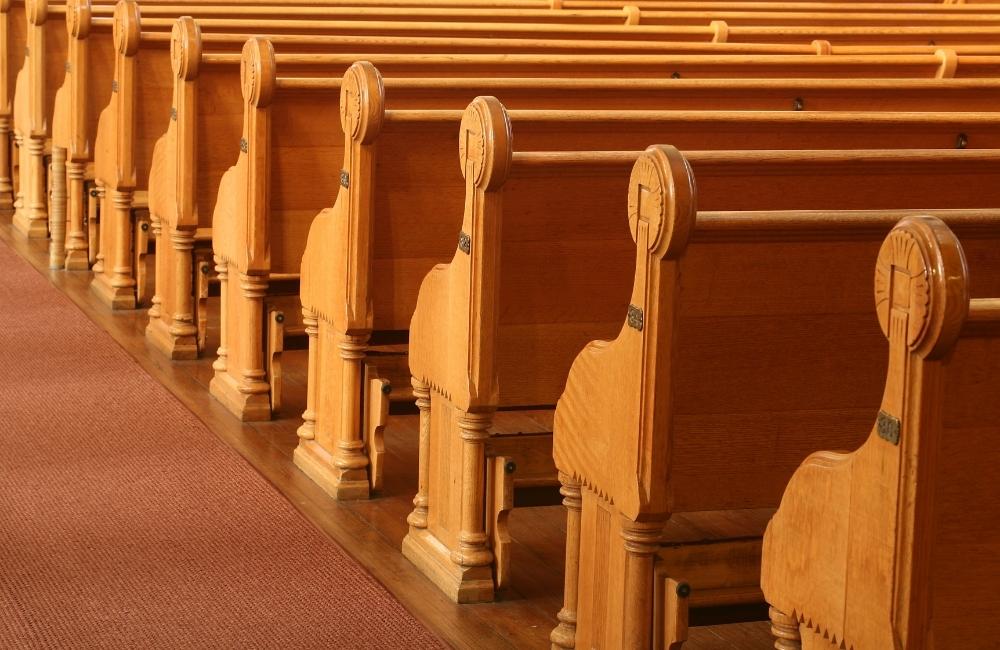
After a renovation, many churches are left with old church pews that still hold value. Instead of discarding them, they can be creatively repurposed into functional furniture pieces. This not only gives the pews new life but also preserves their spiritual and historical meaning.
Create Practical Furniture for Church Use
Old pews from decommissioned churches can be carefully transformed into useful furniture. Many of these pieces still hold strong wood frames, especially those made with traditional church seating design, making them ideal for repurposing.
- Entry Benches: Pews can be shortened and placed in lobbies or entryways to offer a place for visitors to sit or wait
- Custom Shelving Units: Sections of pew backs or seat boards can be cut and refitted into shelving for storing hymnals, Bibles, or decorative items.
- Podiums or Pulpit Stands: Pews with carved ends or decorative trims can be used to craft podiums that match the original aesthetic of the sanctuary.
- Meeting Room Seating: Refitted pews provide durable and familiar seating in church offices, conference rooms, or youth spaces.
- Display Tables: Architectural salvage pews with flat seat sections can be converted into narrow side tables or display surfaces for church bulletins, event brochures, or floral arrangements.
3. Relocate to the Youth Room
Adding extra seating to the youth room is one of the most practical and rewarding ways to repurpose old church pews. This solution doesn’t demand much labor or complex planning, but it creates a space where the younger members of the congregation can gather, relax, and feel more connected.
Encourage Creative Projects
Youth rooms often reflect the personality and energy of the teens who spend time there. Allowing them to take part in transforming the pews turns simple seating into a fun and meaningful project.
- Personalized Artwork: Teens can paint or decorate the sides or backs of the pews with their own artwork, scripture verses, or inspirational quotes that reflect their beliefs and identity. This hands-on involvement transforms old church pews into visual expressions of faith and creativity.
- Themed Color Schemes: The pews can be refinished in colors that match the room’s theme or mood, giving the space a more cohesive and modern look while still using worn or distressed church pews in a stylish way. Color-matching helps the traditional seating blend seamlessly with contemporary youth room decor.
- Group Project Opportunity: Transforming architectural salvage pews into personalized furniture can be a team activity that fosters collaboration. It becomes a shared accomplishment that brings youth group members closer together while revitalizing the church seating.
Ensure Comfort Meets Function
Pews, even when reused, should be both functional and comfortable. Though traditional church seating design wasn’t always built for lounging, a few simple updates can make these pews ideal for longer hangouts or youth events.
- Add Cushions or Pads: Soft cushions in fun patterns or solid colors can make sitting for extended periods more pleasant. This simple upgrade brings modern comfort to original church bench seating without changing its structure.
- Include Side Tables: Small tables placed at the ends of pews allow for snacks, drinks, or books during youth group meetings. These added pieces turn old church pews into practical gathering spots.
- Incorporate Storage Solutions: Open areas underneath the pews can hold baskets or bins for storing Bibles, games, or art supplies. This helps maximize the functionality of the space without needing new furniture.
Keep the Heritage
Even in a relaxed youth room, architectural salvage pews can serve as a visual connection to the church’s past. Keeping some of the traditional features intact—like the wood grain or carvings—adds meaning to the room without making it feel old-fashioned.
- Highlight Wood Details: Clean and polish the wood to bring out its natural beauty, especially in old pews from decommissioned churches. This approach respects the craftsmanship while making the pews feel fresh and inviting.
- Mix Old and New Styles: Combine the pews with modern beanbags, rugs, or lighting to create a fresh, welcoming space with hints of heritage. Mixing styles helps soften the traditional church seating design and makes the space more versatile.
- Label for Legacy: Add a small plaque to each pew with its origin or the names of former donors. These details give youth a deeper connection to their church’s history and show respect for its roots.
Benefits of Relocating to Youth Rooms
Instead of storing or selling, relocating pews to the youth room keeps them in use and close to the heart of the community. It’s a cost-effective way to expand seating and give teens a unique, functional space filled with meaning.
- Minimal Budget Needed: Since the pews are already owned by the church, the cost of relocation is usually just transportation and optional paint or cushion materials. This makes using old church pews one of the most budget-friendly renovation choices.
- Built to Last: These pieces were made for endurance, with many original church bench seats still in excellent condition decades later. Even worn or distressed church pews remain sturdy and can handle daily use.
- Adds Character: Unlike generic furniture, pews carry visual and emotional weight that adds personality and warmth to any room. Incorporating old pews from decommissioned churches adds a historical charm that can’t be replicated.
4. Use in Outdoor or Garden Spaces
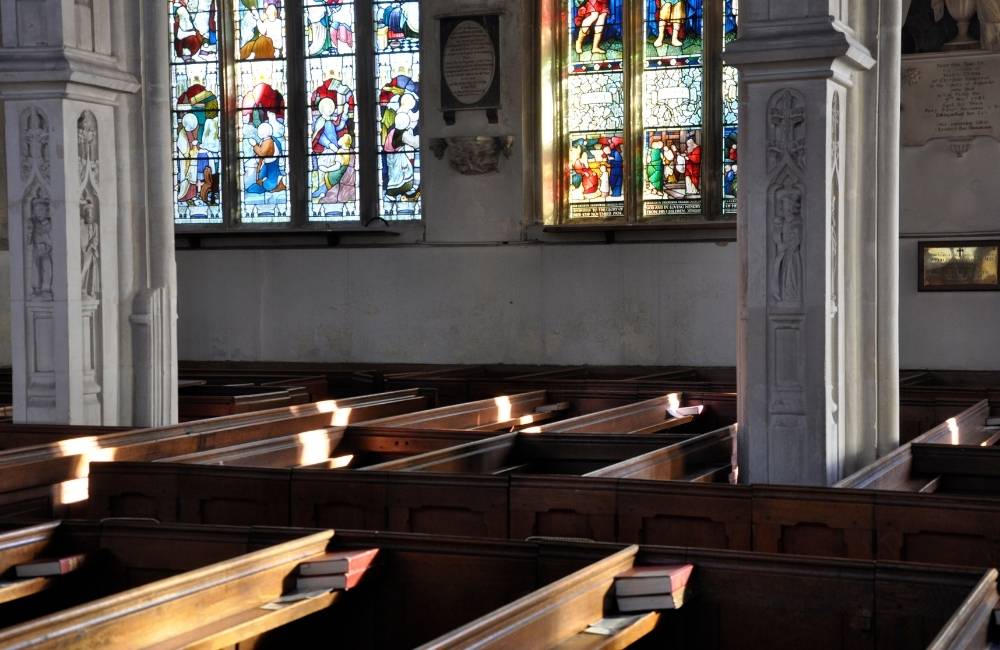
Old church pews don’t need to end up in storage or be thrown away after a renovation. One practical and meaningful option is to place them in outdoor or garden areas. With some care and the right treatment, these pieces of original church bench seating can be transformed into peaceful seating areas that bring both beauty and a sense of history to natural spaces.
Why Garden Placement Works
Many people find comfort and reflection in outdoor spaces. Adding old pews from decommissioned churches into gardens, prayer trails, or courtyards offers a unique blend of comfort and tradition. These benches, often built with a traditional church seating design, bring a sense of calm and continuity into outdoor areas.
- Creates Reflection Spaces: Placing a pew in a garden or natural area encourages quiet moments of prayer, rest, and reflection. Since research shows that a 90-minute walk in nature reduces brain activity linked to negative thoughts, having a peaceful spot to sit—like an old church pew—can enhance the calming and restorative effects of the environment.
- Preserves Church History: Worn or distressed church pews hold stories and heritage that are kept alive when placed thoughtfully outside.
- Blends Nature with Spirituality: A pew among trees or flowers adds to the sense of peace and reflection that many seek outdoors.
How to Prepare the Pews for Outdoor Use
Not all old pews are immediately ready for life outside. To make sure they last through rain, heat, or cold, a few steps are necessary.
- Weatherproof the Wood: Use sealants or marine-grade varnish to protect the wood from moisture and sun damage. This helps preserve the structure and appearance of the pew.
- Check for Structural Stability: Some architectural salvage pews may be fragile after years of use. Ensure the frame is solid and the seat is safe before placing it outdoors.
- Anchor Securely: In windy areas, it’s best to fasten the pew to the ground or a foundation to keep it in place.
Ideal Outdoor Locations
Choosing the right place for these church benches makes a big difference. Whether it’s for a private garden or public church grounds, location matters.
- Church Prayer Gardens: A garden set aside for meditation or prayer becomes even more welcoming with seating that came from the sanctuary.
- Retreat Centers: Old pews offer a rustic and spiritual touch to walkways and rest areas, especially those surrounded by nature.
- Backyard Corners: For those who have acquired old church pews for personal use, placing one under a tree or in a flower bed can turn a backyard into a peaceful hideaway.
- Cemetery Walkways: These locations often benefit from subtle, respectful seating that allows visitors to rest while reflecting.
5. Recycle or Salvage the Wood
The wood from these original church bench seating pieces often carries decades—sometimes centuries—of history. Salvaging this material can lead to meaningful reuse that honors the craftsmanship of traditional church seating design while promoting sustainability and creativity.
Why Salvaging Church Pews is Worthwhile
Salvaging the wood from old pews isn’t just about reducing waste—it’s about turning history into something useful. Here are a few reasons why people choose to recycle pew wood:
- Preserve Historical Value: The wood from old pews from decommissioned churches often includes handcrafted details or aged finishes that reflect church history and tradition.
- Support Sustainability: Reusing wood helps reduce waste and lowers the carbon footprint, conserving natural resources while also offering a cost-effective alternative to buying new materials. It can also enhance a space with a rustic or vintage look that adds unique value and appeal.
- Enable Creative Projects: The sturdy, often high-quality wood found in pews is ideal for various DIY or professional woodworking projects.
How to Reuse Salvaged Pews
Whether the goal is practical reuse or creating something symbolic, reclaimed pew wood offers many possibilities. Here are a few ways it can be used:
- Create Functional Home Décor: Many people transform architectural salvage pews into hallway benches, coat racks, or farmhouse-style dining seating that brings a touch of church heritage into the home.
- Craft Custom Furniture Pieces: Worn or distressed church pews can be broken down and rebuilt into custom shelves, side tables, or coffee tables with unique character.
- Design Artistic or Memorial Items: Small sections of pew wood can be used to make crosses, picture frames, or plaques that commemorate the church’s past.
- Construct Outdoor Fixtures: If treated properly, pew wood can be used for garden benches, birdhouses, or outdoor signs, offering continued use while honoring its origin.
Where to Use Salvaged Wood Creatively
Reclaimed pew wood doesn’t have to stay in the church environment. With the right touch, it can find a home in many places:
- Homes: Old pews from decommissioned churches are often repurposed by families who want a unique, faith-inspired piece in their living space.
- Shops and Cafés: Businesses with rustic or vintage interiors often value traditional church seating design for its charm and authenticity.
- Community Centers: Repurposed pieces can be donated or used in local spaces, providing seating or decorations with character and meaning.
Frequently Asked Questions
What is the value of church pews?
The value of church pews depends on age, material, condition, and craftsmanship. Antique or handcrafted pews can be worth several hundred to a few thousand dollars each. Reclaimed pews from decommissioned churches often carry added historical value. Shorter pews or those made of solid hardwood tend to be more desirable in resale or repurposing markets.
Are church pews solid wood?
Many traditional church pews are made from solid hardwoods like oak, maple, or pine. Older pews especially tend to be fully solid wood, while newer models may use plywood or veneered components. The durability and weight of solid wood pews contribute to their long-lasting use in sanctuaries.
How long do church pews last?
Well-maintained church pews can last 50 to 100 years or more. Their longevity depends on the quality of materials, usage, and care over time. Solid wood construction and periodic refinishing help extend their life. Many churches still use original pews installed decades ago.
Why are churches getting rid of pews?
Churches are removing pews to allow for more flexible seating and modern layouts. Shifting worship styles and multi-use spaces have increased demand for movable chairs. Some churches also renovate to improve accessibility and update aging furniture. Old pews are often repurposed, sold, or donated.
Can you rent church pews?
Yes, church pews can be rented for weddings, events, or film productions. Rental companies and salvage dealers offer pews in various lengths and styles. It’s a popular option for outdoor or rustic-themed events that want traditional seating without buying.
Get Expert Help with Our Church Pew Restoration Services in NJ!
Restoring old church pews takes skill, care, and respect for tradition. In NJ, Artech Church Interiors, Inc. specializes in renewing worn or distressed pews while preserving the original church bench seating and classic design. From repairs to full refinishing, our team proudly provides trusted pew restoration across NJ, bringing life back to architectural salvage pews with quality craftsmanship and attention to detail.
Contact Artech Church Interiors, Inc. today to schedule a consultation.