
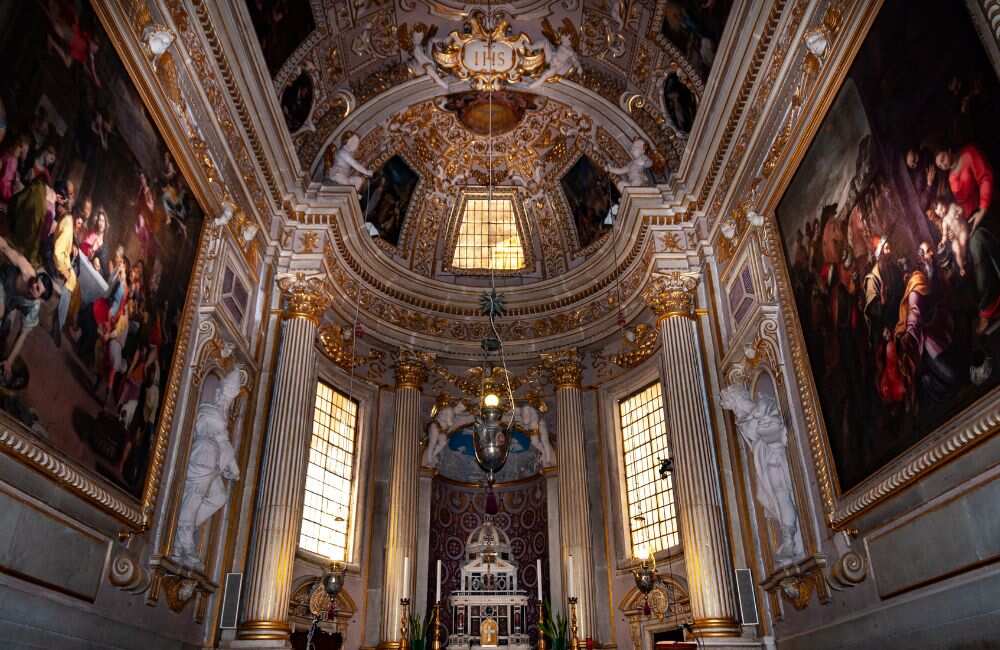
1. Conducting a Thorough Steeple Assessment
Restoring a historic church steeple starts with a detailed evaluation to understand its current condition. A professional assessment identifies structural weaknesses, material deterioration, and potential safety hazards. This step ensures that the steeple and tower refurbishment plan addresses all critical issues while preserving historical integrity.
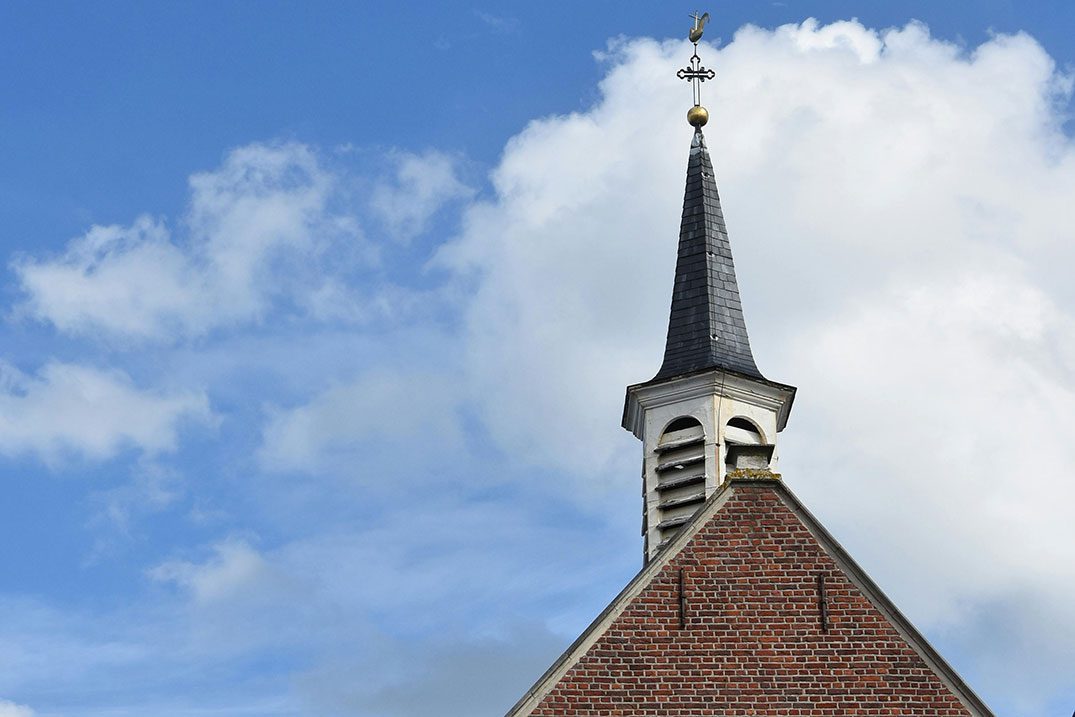
How Experts Assess the Condition of a Church Steeple
- Examining Structural Integrity: Engineers and restoration specialists inspect the steeple’s framework, looking for signs of rot, rust, or weakened joints. Reinforcing a church steeple often involves strengthening internal supports to prevent long-term stability issues.
- Assessing Roofing and Exterior Materials: The condition of wood, slate, copper, or other roofing materials is carefully reviewed for leaks, cracks, or missing components. Choosing the right roofing solutions for towers helps protect the structure from further water damage and environmental stress.
- Identifying Weather and Age-Related Damage: Connecticut’s harsh winters and humid summers can cause expansion, contraction, and water infiltration, leading to hidden decay. Historic tower preservation includes addressing these vulnerabilities through specialized treatments and material replacements that match the original design.
2. Securing Necessary Permits and Historical Approvals
Restoring a historic church steeple often involves obtaining approvals from local preservation boards and securing permits for construction work. Since many churches are registered historic landmarks, steeple, and tower refurbishment must meet strict guidelines to maintain architectural authenticity. The approval process ensures that modifications align with preservation standards while addressing modern safety codes.
How to Navigate the Approval Process for Historic Tower Preservation
- Working with Local Preservation Societies: Many Connecticut churches fall under the jurisdiction of local or state historic preservation organizations. Restoration teams collaborate with these entities to ensure that reinforcing a church steeple meets all historical and structural requirements.
- Securing Municipal Permits for Construction Work: Depending on the project’s scope, permits may be required for scaffolding, crane usage, and specialized roofing solutions for towers. Churches must comply with local zoning laws and building codes to proceed with structural tower maintenance.
- Presenting Restoration Plans for Approval: Architectural renderings, materials lists, and engineering reports are often submitted for review before work begins. These documents demonstrate how steeple church restoration will preserve the structure’s original character while improving durability and safety.
3. Stabilizing the Structure Before Restoration Begins
Before major repairs can begin, the steeple must be stabilized to prevent further deterioration or collapse. A secure foundation is essential for successful historic tower preservation, ensuring the structure remains intact throughout the restoration process. Experts use temporary reinforcements to support weakened sections while long-term solutions are implemented.
How to Reinforce a Church Steeple During Restoration
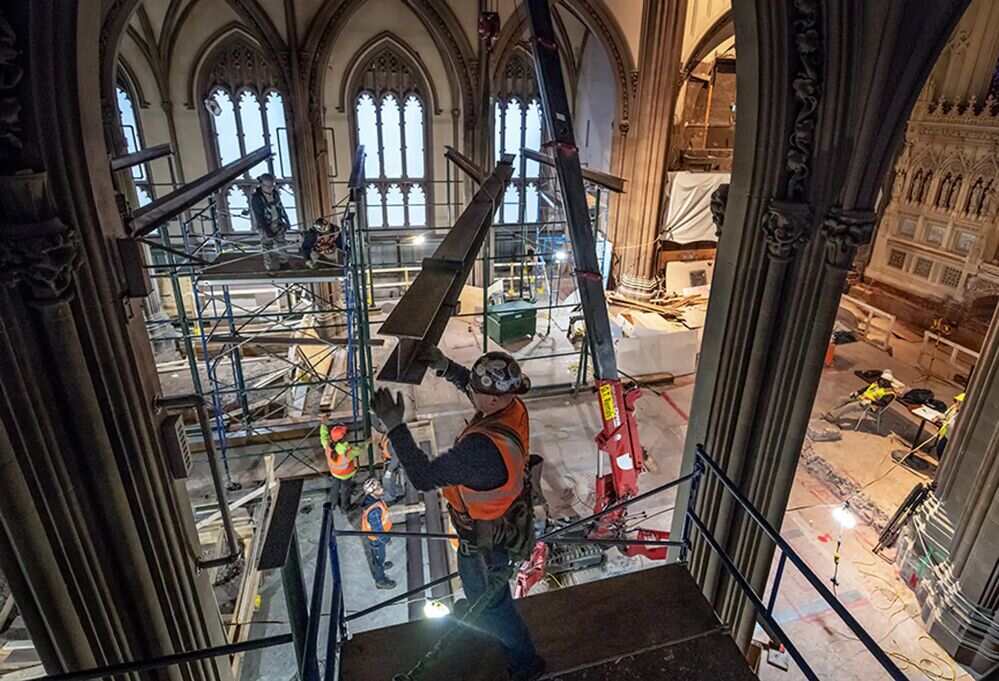
- Installing Temporary Bracing for Support: If the steeple shows signs of shifting or leaning, steel braces are added to prevent movement. This step is crucial for structural tower maintenance, keeping the framework secure while repairs are underway.
- Repairing or Rebuilding the Internal Framework: The wooden or metal framework inside the steeple may require reinforcement or full reconstruction. Experts use traditional joinery techniques or modern engineering methods to ensure the steeple and tower refurbishment enhances long-term stability.
- Addressing Foundation Issues: A weak or damaged foundation can cause steeple misalignment, leading to long-term structural risks. Restorers assess the base of the tower, implementing necessary reinforcements to support the weight of the steeple safely.
4. Restoring Exterior Materials and Decorative Features
The exterior of a historic church steeple is often adorned with intricate moldings, weather vanes, and copper or slate roofing. Over time, exposure to the elements causes materials to deteriorate, requiring expert restoration techniques. Steeple church restoration focuses on preserving these details while using durable materials that enhance longevity.
How to Restore Historic Steeple Materials Without Losing Authenticity
- Repairing or Replacing Roofing Materials: Slate, wood shingles, and metal roofing elements are evaluated for damage and replaced with historically appropriate materials. Proper roofing solutions for towers help maintain weather resistance while preserving the steeple’s architectural character.
- Refurbishing Metalwork and Decorative Elements: Many historic steeples feature weathervanes, crosses, or finials made from copper, brass, or iron. Skilled metalworkers remove rust, repair broken components, and apply protective coatings to enhance durability.
- Repainting and Sealing Wooden Components: The wooden trim, moldings, and louvers on church steeples often require careful restoration. Using high-quality sealants and paints designed for historic tower preservation protects these features from future weather damage.

5. Ensuring Long-Term Structural Tower Maintenance
A successful restoration does not end once repairs are completed. Ongoing inspections, preventative care, and minor repairs help churches avoid costly restorations down the road. For instance, with plastering costs ranging from $2,000 to $8,000 per room, regular inspections help catch minor issues early, preventing costly repairs and preserving structural integrity.
How to Maintain a Church Steeple After Restoration
- Scheduling Routine Inspections: Experts recommend annual assessments to check for issues like loose shingles, water infiltration, or structural shifting. Proactive monitoring helps identify minor problems before they require extensive steeple and tower refurbishment.
- Implementing Preventative Weatherproofing Measures: Protective coatings, reinforced roofing solutions for towers, and improved drainage systems help shield the steeple from Connecticut’s harsh weather. Regular maintenance keeps the structure resilient against moisture damage and seasonal changes.
- Establishing a Long-Term Maintenance Plan: Churches benefit from working with restoration specialists to develop a care plan for their steeple. By setting aside a budget for future repairs and upkeep, congregations can ensure their steeple remains a strong and beautiful landmark for years to come.
How Experts Preserve Stained Glass and Bell Tower Features
Stained glass windows and bell tower components are defining features of many historic churches, requiring specialized care during restoration. These elements are often fragile, weathered, or structurally compromised, making professional expertise essential for their preservation.
Experts in historic tower preservation use advanced techniques to restore stained glass, protect bell mechanisms, and ensure long-term durability while maintaining the church’s architectural integrity.
1. Reinforcing Stained Glass to Prevent Structural Weakness
Over time, stained glass windows in church steeples weaken due to weather exposure, leading to cracks, bowing, or loose lead. Restoration professionals carefully remove damaged sections, reinforce fragile panels with hidden structural supports, and use historically accurate materials for repairs. This approach ensures the stained glass remains both visually striking and stable, preventing further deterioration in the steeple and tower refurbishment process.
2. Cleaning and Restoring Vibrancy in Aged Glass Panels
Centuries-old stained glass often becomes dull due to dirt buildup, oxidation, and environmental pollutants. Experts use gentle, non-abrasive cleaning methods to remove grime without damaging delicate painted details or weakening the glass. By carefully restoring its original vibrancy, professionals help stained glass windows continue serving as a focal point of the church’s historic tower preservation efforts.
3. Protecting Windows from Weather and Impact Damage
Stained glass in steeples faces constant exposure to wind, rain, and fluctuating temperatures, making protective measures essential. Professionals install exterior protective glazing made of UV-resistant acrylic or laminated glass to shield the original panels from damage. These solutions help reinforce a church steeple’s stained glass windows without compromising visibility or historical authenticity.
4. Restoring and Preserving Bell Tower Mechanisms
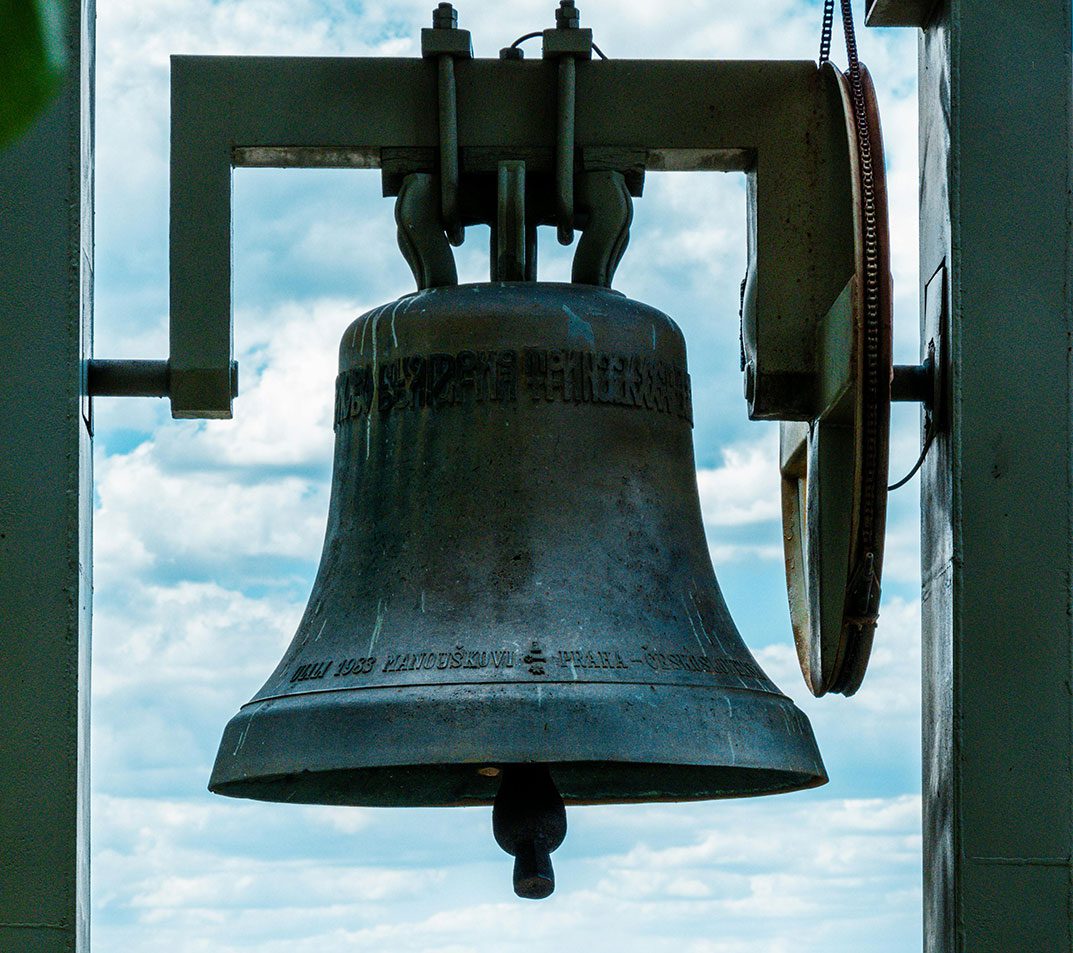
Church bell towers often house intricate pulley systems, cast-iron bells, and wooden support structures that degrade over time. Restoration specialists assess the condition of the bell mechanisms, repair or replace worn components, and treat metal parts with corrosion-resistant coatings. By maintaining these elements, professionals ensure that the bells continue ringing for generations while keeping the steeple church restoration historically accurate.
5. Strengthening the Wooden Louvers and Tower Openings
Bell towers rely on wooden louvers to provide ventilation while protecting the structure from harsh weather conditions. Over time, louvers warp, rot, or develop gaps that let in moisture, accelerating deterioration. Experts in structural tower maintenance repair or replace damaged louvers with durable, weather-resistant wood, ensuring proper airflow while preserving the church’s architectural beauty.
Minimizing Disruptions to Church Services During Restoration
A historic church steeple restoration project can take weeks or even months to complete, making it essential to minimize disruptions to regular church activities. Services, weddings, funerals, and community gatherings must continue while professionals handle steeple and tower refurbishment.
1. Scheduling Construction Around Worship Services
Professionals coordinate restoration timelines to ensure that noisy or obstructive work does not disrupt Sunday services, weddings, or other key church events. When possible, major construction activities such as reinforcing a church steeple or replacing roofing solutions for towers are scheduled for weekdays or non-peak hours. This approach allows the congregation to continue worshiping without excessive noise or interruptions.
2. Establishing Safe and Marked Work Zones
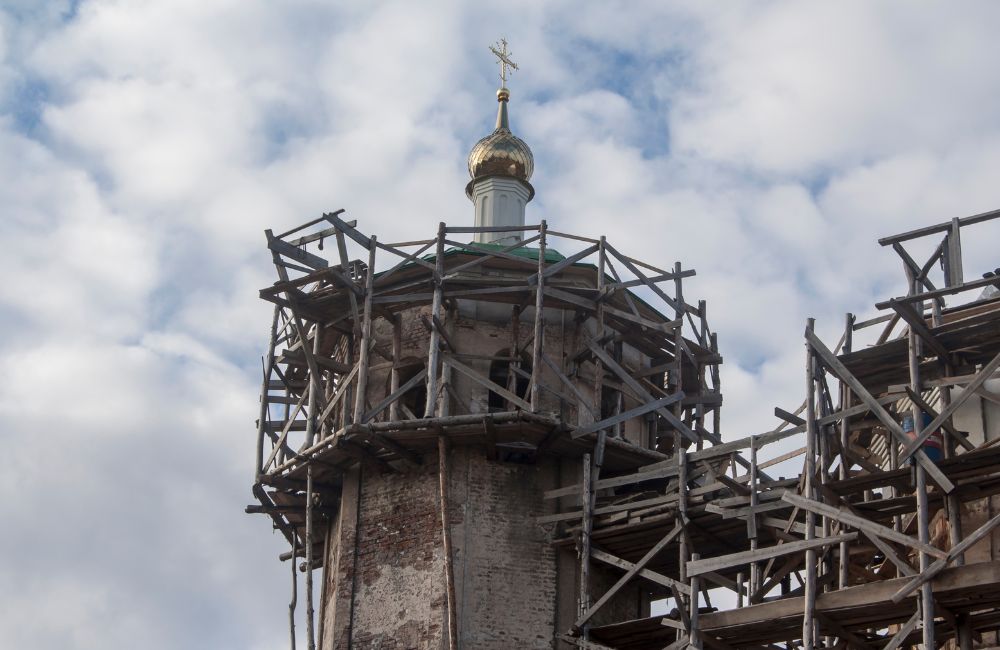
Church steeple and tower refurbishment often require scaffolding, cranes, and restricted areas, which can impact access to the building. Restoration teams set up designated work zones with safety barriers, ensuring that parishioners and visitors can navigate the property without risk. Clear signage and alternative entry points help maintain a smooth flow of foot traffic while keeping everyone safe.
3. Communicating Project Updates to the Congregation
Keeping the church community informed about the progress of the historic tower preservation project fosters understanding and patience. Church leaders and restoration professionals provide regular updates through bulletins, social media, and announcements before services. Transparency about expected timelines and potential disruptions helps manage expectations and allows congregants to plan accordingly.
4. Using Temporary Accommodations for Events
In cases where construction work significantly impacts indoor spaces or parking areas, churches may arrange alternative locations for services and events. Nearby community centers, fellowship halls, or outdoor spaces can serve as temporary worship sites. By working with restoration professionals, church leaders can plan around major construction phases to minimize inconvenience.
5. Ensuring a Respectful and Quiet Work Environment
Although construction is inherently noisy, restoration teams take measures to reduce disturbances during sensitive moments, such as prayers or memorial services. Professionals use sound-dampening equipment, schedule loud tasks outside of service hours, and train workers to be mindful of ongoing church activities. Prioritizing quiet work periods ensures that the spiritual atmosphere remains undisturbed throughout the steeple church restoration process.
Choosing the Right Church Steeple Restoration Contractors
With religious construction spending reaching $2.9 billion in 2023, selecting the right professionals for historic church steeple restoration is crucial to preserving both structural integrity and historical significance.
Not all contractors have the expertise required for steeple and tower refurbishment, making careful research and vetting a crucial step. A qualified restoration team ensures that the project meets safety codes, maintains architectural authenticity, and stands the test of time.
1. Looking for Experience in Historic Tower Preservation
Restoring a historic church steeple requires specialized skills that differ from standard construction or roofing work. Contractors with experience in historic tower preservation understand traditional building techniques, heritage materials, and the unique challenges of working with aging structures. Choosing a company with a proven track record in steeple restoration ensures that the project is handled with expertise and precision.
2. Verifying Licensing, Insurance, and Safety Standards
A professional restoration team should be fully licensed, insured, and compliant with state and local regulations. Working on a church steeple involves significant safety risks, requiring contractors to follow strict safety protocols and carry liability insurance. Ensuring that a contractor meets these legal and safety requirements protects both the church and the restoration crew.
3. Reviewing Past Restoration Projects and References
Churches should request examples of previous steeple and tower refurbishment projects to evaluate a contractor’s quality of work. Speaking with past clients or reviewing testimonials provides insight into the company’s reliability, craftsmanship, and ability to meet deadlines. Examining before-and-after photos of previous projects also helps determine whether the contractor can preserve the church’s architectural character.
4. Assessing Knowledge of Traditional and Modern Materials
A skilled restoration contractor must understand how to work with original materials like wood, slate, and copper while incorporating modern solutions when necessary. Using appropriate roofing solutions for towers ensures durability without compromising historical accuracy. Contractors should provide recommendations for material choices that balance longevity, weather resistance, and authenticity.
5. Ensuring Clear Communication and Project Transparency
A reputable steeple restoration contractor provides detailed project timelines, cost estimates, and regular updates throughout the process. Open communication allows church leaders to stay informed about structural tower maintenance progress, potential challenges, and necessary adjustments. Contractors who prioritize transparency help ensure a smooth and stress-free restoration experience.
Frequently Asked Questions (FAQs)
Restore Your Church’s Legacy with Artech Church Interiors, Inc.
Historic church steeples deserve expert care, and Artech Church Interiors, Inc. specializes in steeple church restoration across CT. With experience in steeple and tower refurbishment, our team combines craftsmanship, structural expertise, and historical accuracy to preserve sacred landmarks. Whether reinforcing a church steeple, restoring stained glass, or implementing durable roofing solutions for towers, Artech Church Interiors, Inc. delivers quality results that honor the past while ensuring longevity.
Contact us today to discuss a customized restoration plan for your church in CT!