
A church’s sound system ensures that sermons, prayers, and musical performances are heard clearly. However, when these systems start to falter, the congregation’s experience can suffer. In fact, according to an online survey on improvements needed during the celebration of the Holy Mass, 27% of the 1,200 respondents indicated that upgrading sound systems should be a top priority.
This is where a historical restoration company comes into play. They understand the importance of maintaining the church’s architectural integrity while upgrading the audio system to modern standards.
Here are the six key signs it’s time for an audio system upgrade in your church, and how a historical restoration company in Rhode Island can handle these challenges.
Table of Contents
Key Takeaways
✔ Aging equipment and moisture damage can lead to persistent noise or distortion, signaling the need for an audio system upgrade.
✔ Feedback during services, often caused by outdated microphones and poor equipment placement, indicates the need for modern, directional microphones and sound-dampening solutions.
✔ Inconsistent volume in large church spaces points to insufficient amplifiers and outdated speaker layouts, which can be improved with modern sound systems and additional speakers.
✔ Older systems with poorly tuned EQ settings create harsh or muffled sound, which can be resolved with digital mixing consoles and compatible speakers.
✔ Compatibility issues with modern devices and lack of live-streaming support are common in older systems, requiring upgrades to modern connectors and soundboards.
✔ Aged speakers, poor microphone quality, and inadequate amplification lead to unclear vocals and instruments, necessitating high-quality replacements and amplifiers.
✔ Historical restoration companies provide tailored solutions that account for the unique acoustics and architecture of older churches, ensuring optimal performance.
✔ The right historical restoration company balances modern technology with preservation, ensuring seamless integration that respects the church’s historical character.
How Does a Historical Restoration Company Handle Church Audio Upgrades?
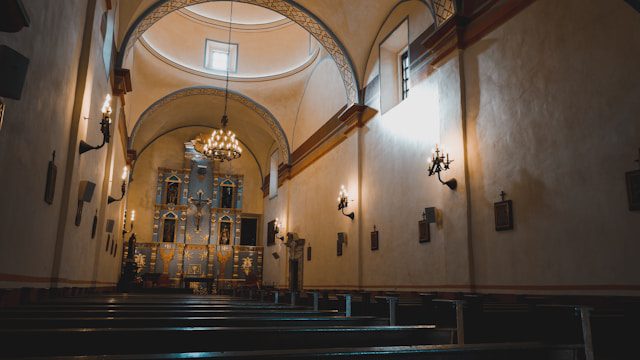
Upgrading a church’s audio system can be tricky, especially when dealing with the unique acoustics and architectural features of older buildings. Many churches were not built with modern audio technology in mind. High ceilings, thick walls, and large open spaces can lead to audio issues such as echo, feedback, or uneven sound distribution. Fortunately, a historical restoration company knows how to balance these architectural quirks with modern sound solutions.
Here’s how they handle these projects:
- Sound Preservation: They understand the unique acoustical properties of older churches and know how to work within these constraints to ensure sound is crisp and clear.
- Aesthetic Sensitivity: A historical restoration company ensures that new technology is discreetly integrated into the church’s architecture, keeping visual disruptions to a minimum.
- Technical Expertise: They collaborate with audio engineers to ensure modern systems like wireless microphones, digital mixers, and advanced speaker setups are seamlessly integrated into the church space.
- Preservation of Historical Integrity: A historical restoration company ensures that any modifications or installations respect the church’s original design, using methods that protect the structure from damage. Whether it’s hiding wiring in existing architectural features or selecting equipment that blends in with the period style, they strike a balance between modern needs and historical authenticity.
- Customized Solutions for Unique Spaces: No two churches are the same, especially older buildings that often have unique floor plans and architectural elements. A historical restoration company understands that these differences require tailored solutions.
They take into account the layout, size, and materials used in the church to design an audio system that fits perfectly. This might include custom-built speaker housings, specific acoustic treatments, or specialized mounting techniques to ensure the system performs optimally without altering the church’s character.
6 Telltale Signs It’s Time to Upgrade a Church’s Audio System
As churches age, so do their audio systems, which can lead to a decline in sound quality and overall worship experience. If a church is experiencing any of the following issues, it may be time to consider an upgrade with the help of a historical restoration company.
1. Persistent Noisy or Distorted Sound From the Speakers
One of the first signs of an outdated audio system is persistent noise or distortion, often heard as crackling or buzzing through the speakers. If your congregation is regularly distracted by such sounds, it’s a clear indication that the current system isn’t working properly.
What Causes This Problem?
- Aging Equipment: Over time, speakers, amplifiers, and wiring degrade, leading to poor sound quality. As the components wear out, they become less effective at delivering crisp, clear sound. This often results in static, buzzing, or reduced volume.
- Moisture Damage: Churches, especially older ones, can be susceptible to humidity and moisture, which can damage internal components of the sound system. Prolonged exposure to moisture can cause corrosion in the wiring and speakers, leading to intermittent sound issues or complete failure of the audio system.
- Mismatched Components: Sometimes, older systems are patched together with newer components, resulting in compatibility issues that lead to distortion. When different generations of technology are forced to work together, they often conflict, resulting in uneven sound quality.
Solutions
- Replacing Outdated Speakers: A historical restoration company will replace outdated speakers with high-quality, modern ones that fit discreetly into the church’s architecture. This ensures both improved sound quality and preservation of the church’s aesthetic.
- Rewiring the Audio System: They will rewire the system to remove damaged cables, replacing them with durable wiring that ensures all components are functioning optimally and are capable of delivering consistent, high-quality sound.
- Installing New Amplifiers: Installing new amplifiers is another solution, allowing for the delivery of clear, crisp audio throughout the church. This ensures that every part of the congregation receives a balanced and powerful sound.
2. Excessive Audio Feedback During Services
Audio feedback—often recognized by that high-pitched squeal—can be a real disruption during services. It happens when sound from the speakers is picked up by the microphone and looped back into the system.
What Causes This Problem?
- Poor Equipment Placement: Older audio setups often have microphones and speakers positioned in places that make feedback more likely.
- Outdated Microphones: Older, less sophisticated microphones are more prone to picking up unwanted sound and creating feedback loops.
- No Acoustic Adjustments: Large, open church spaces create echo and reverb, amplifying the likelihood of feedback if not properly managed.
Solutions
- Upgrading to Directional Microphones: A historical restoration company can help by upgrading to directional microphones that are less likely to pick up sound from the speakers, minimizing the risk of feedback during services.
- Repositioning Audio Equipment: They will reposition speakers and microphones in optimal locations to reduce the likelihood of feedback, ensuring sound is projected efficiently throughout the church.
- Installing Sound-Dampening Materials: Installing sound-dampening materials, such as acoustic panels, in strategic areas will help reduce the amount of sound bouncing around the space. This improves the overall acoustics and reduces disruptive feedback.
3. Inadequate Volume Coverage in the Church Space
In larger churches, older audio systems may struggle to provide adequate volume coverage. If congregants in the back rows or side pews regularly complain that they can’t hear, it’s a sign the system isn’t distributing sound evenly.
Musical worship is about creating an immersive experience that invites people to participate, and when the sound is fuller and louder, it encourages the congregation to lean in and engage more actively.
What Causes This Problem?
- Insufficient Amplifiers: Older systems may lack the power to project sound evenly across a large space.
- Outdated Speaker Layouts: In older churches, speakers may be positioned in a way that leaves “dead zones” where sound isn’t as strong.
- Echo and Reverb Issues: Large, echo-prone spaces can make it difficult for sound to travel evenly without bouncing or distorting.
Solutions
- Installing Line-Array Speakers: A historical restoration company can solve this by installing line-array speakers, which are specifically designed to deliver sound evenly across large spaces.
- Implementing Zoning with Modern Sound Systems: They can use modern sound systems that allow zoning, creating custom sound levels for different parts of the church to ensure balanced and consistent audio coverage in every area.
- Installing Additional Speakers in Key Areas: The company can install additional speakers in key areas of the church, strategically placed to maintain the historical look of the space while enhancing overall sound distribution.
4. Poorly Tuned Equalizer (EQ) Settings Causing Unbalanced Audio
Equalizer (EQ) settings balances audio frequencies and ensures that sound is pleasant and clear. Poorly tuned EQ settings result in unbalanced audio, which can make a sermon sound too harsh or music sound muffled.
What Causes This Problem?
- Limited Control: Many older sound systems don’t offer sophisticated controls for adjusting EQ settings.
- Manual Adjustments: With outdated systems, manual adjustments often have to be made during services, which can lead to inconsistent audio.
- Incompatible Speakers: Older speakers may not respond well to modern EQ settings, leading to poor sound quality.
Solutions
- Installing Digital Mixing Consoles: A historical restoration company can resolve this by installing modern digital mixing consoles. This system allows for precise control over EQ settings, enabling optimal sound balance.
- Adjusting the Audio System for Acoustic Balance: They can adjust the sound system to ensure balanced audio that harmonizes with the unique acoustics of the church, improving the overall listening experience.
- Replacing Incompatible Speakers: The company can replace incompatible speakers with newer models designed to handle the full range of audio frequencies. This ensures high-quality sound reproduction throughout the space.
5. Outdated Technology That Lacks Compatibility With Modern Audio Systems
As technology has evolved, many older church audio systems are no longer compatible with modern equipment. This becomes problematic when trying to integrate new technology like wireless microphones, digital soundboards, or live-streaming tools.
What Causes This Problem?
- Old Connectors: Older systems may use outdated connections that can’t interface with modern devices like laptops, tablets, or modern audio consoles.
- Limited Functionality: Older systems may not support newer features like Bluetooth connectivity, wireless microphones, or digital signal processing.
- Lack of Live Streaming Support: Many churches today need to stream their services online, something that older systems simply weren’t designed to handle.
Solutions
- Replacing Outdated Connectors and Components: A historical restoration company can ensure that your church’s audio system is up to date. They replace outdated connectors and components with ones that are compatible with modern audio devices, ensuring seamless integration.
- Installing Digital Soundboards and Advanced Equipment: They can install digital soundboards and other modern equipment that supports wireless microphones and advanced features, providing greater flexibility and control over the audio system.
- Integrating Live-Streaming Technology: The company can integrate live-streaming technology into the system, allowing the church to broadcast services without compromising sound quality. This enables the church to reach both in-person and online congregants effectively.
6. Lack of Clarity in Vocals and Instruments
Clear, crisp sound is essential for church services. Whether it’s delivering a sermon or playing music during worship, a lack of clarity in the vocals or instruments can negatively impact the overall experience. Older audio systems may struggle to deliver this clarity due to a variety of factors.
What Causes This Problem?
- Aging Speakers: Older speakers may be unable to reproduce clear sound, particularly at high volumes or with complex musical arrangements.
- Poor Microphone Quality: Outdated microphones might not capture vocals clearly, leading to muffled or distorted sound.
- Improper Amplification: Inadequate amplifiers may struggle to deliver the necessary power to ensure clarity across the entire sanctuary.
Solutions
- Replacing Old Speakers with Modern Models: A historical restoration company can address these problems by replacing old speakers with modern models that deliver clear, high-quality sound.
- Installing High-Quality Microphones: They can install better-quality microphones that capture both vocals and instruments with precision. This ensures clarity and improved speech detail during services and performances.
- Upgrading Amplifiers for Powerful Sound: The company can upgrade amplifiers to ensure that sound is powerful and clear throughout the church space, providing consistent audio coverage for the entire congregation.
How to Choose the Right Historical Restoration Company
Selecting the right historical restoration company is crucial for a successful church audio upgrade. Here’s what to look for:
- Choose a Company with Experience with Churches: Select a company that has a proven track record of working with churches. They’ll understand the specific challenges of working within historic buildings and maintaining aesthetic integrity.
- Ensure Knowledge of Acoustics: Ensure the company has experience working with the unique acoustics of large, echo-prone spaces like churches. This knowledge allows them to design systems that suit the building’s specific sound needs.
- Prioritize a Collaborative Approach: Choose a historical restoration company that works closely with the church’s leadership to ensure the audio system meets the congregation’s needs while preserving the building’s historical value.
- Verify Their Understanding of Preservation Standards: Ensure the company is knowledgeable about preservation standards and regulations that apply to historical buildings. This is essential when upgrading systems without violating guidelines.
- Check for Expertise in Seamless Integration: Opt for a company with expertise in integrating modern technology discreetly into historic spaces. They must ensure that the audio system blends seamlessly with the architecture without disrupting the church’s visual appeal.
Frequently Asked Questions
What services does a historical restoration company offer for churches?
A historical restoration company specializes in preserving the architectural integrity of churches while upgrading systems like audio, electrical, and structural elements. They offer tailored solutions for improving sound quality, lighting, and other modern amenities without compromising the building’s historic charm. Their services often include detailed assessments, custom installations, and ongoing maintenance.
How long does an audio upgrade by a historical restoration company typically take?
The timeline for an audio upgrade varies depending on the size of the church and the complexity of the project. Most projects can take a few weeks to complete, as the company carefully integrates modern technology into the church without disrupting its historical features. Proper planning and coordination with the church’s schedule are essential to minimize disruption during the upgrade.
What are the costs involved in hiring a historical restoration company for audio upgrades?
Costs vary depending on the size of the church, the complexity of the upgrade, and the equipment required. A historical restoration company typically provides a detailed estimate based on an initial assessment of the church’s needs. They often work within budget constraints to provide solutions that balance cost with quality and preservation.
Elevate Your Church’s Worship Experience with Artech Church Interiors, Inc.
If your church is experiencing audio issues, it’s time to take action with the help of Artech Church Interiors, Inc. Based in Rhode Island, Artech Church Interiors, Inc. specializes in preserving the historical beauty of churches while upgrading audio systems to modern standards. Whether you need speaker replacements, new amplifiers, or an entirely updated sound system, Artech Church Interiors, Inc. can help you achieve the perfect balance between functionality and preservation.
Contact Artech Church Interiors, Inc. today for expert audio upgrades in Rhode Island and elevate the worship experience in your historic church!