
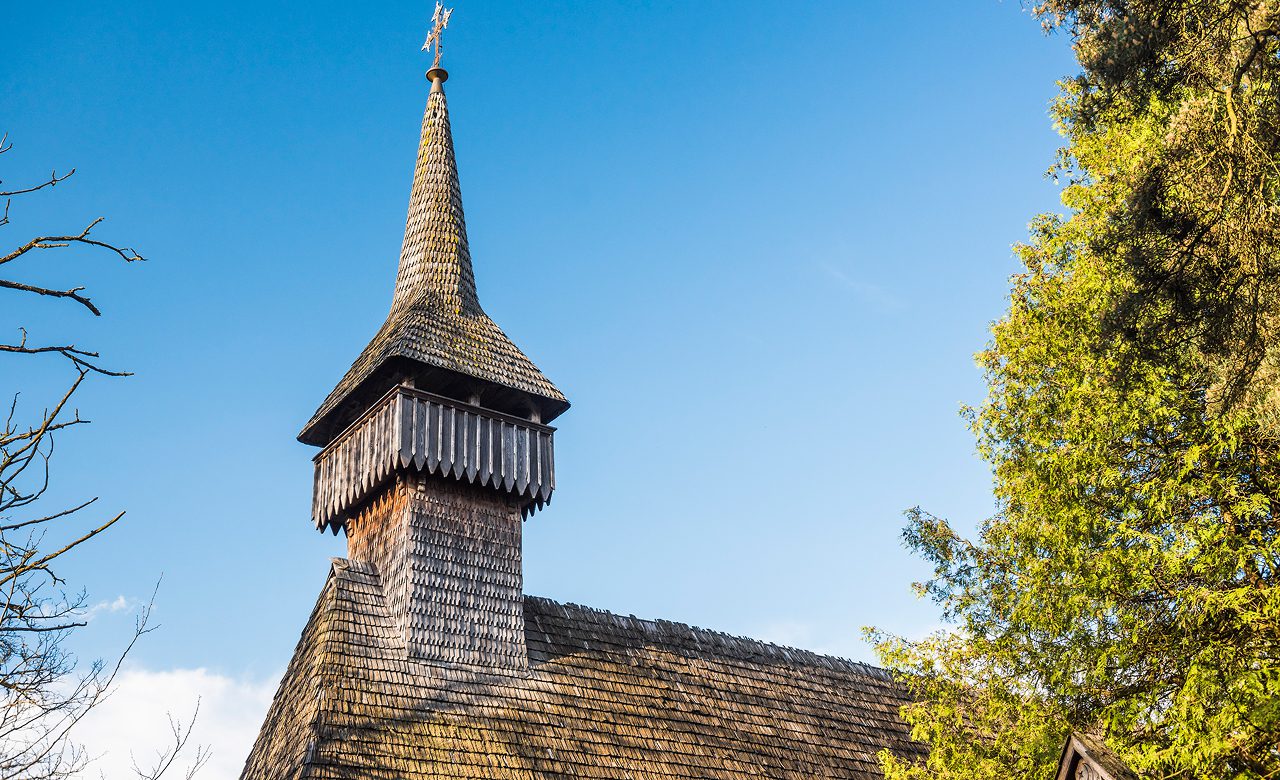
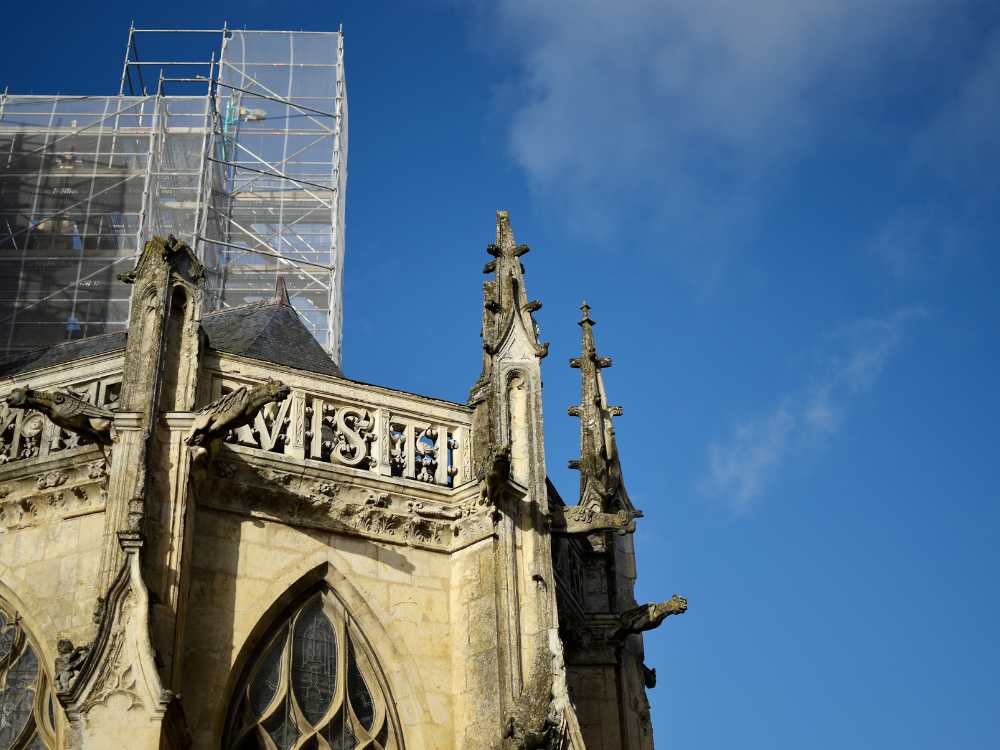
5 Reasons Why Church Steeple Repair Is Important for Preservation
1. Preserve Architectural Integrity
Keeping a church’s steeple in its original form is more than a design choice—it’s a vital step in protecting the identity and history of the building. Many older churches have steeples that reflect the craftsmanship and materials of the era they were built in. When these structures are neglected or replaced without care, the building can lose part of its unique character and value.
Respecting Historical Design
Older church steeples were often built with hand-crafted details, rare materials, and styles no longer commonly used. Preserving these features helps keep the historical integrity of the whole building.
- Style-Specific Details: Each architectural period had its own design language with unique spires, carvings, and flourishes that defined its character. Maintaining those design traits during church steeple repair allows the structure to remain a true reflection of its era.
- Material Authenticity: Using original or closely matched materials like copper, slate, or wood ensures the repaired parts don’t look modern or out of place. This approach supports long-term preservation and keeps the steeple visually consistent.
- Matching Construction Methods: Skilled steeple renovation specialists often use historic construction techniques to restore or rebuild the steeple the way it was originally made. That level of craftsmanship ensures the work blends seamlessly with the existing structure.
Choosing the Right Repair Approach
Church steeples are exposed to sun, wind, and rain all year long, which can cause wear over time. Choosing the correct repair method helps keep the steeple stable while respecting its original look.
- Church Steeple Structural Repair: Repairing damaged internal beams and supports can prevent serious safety issues like collapse or leaning. These types of repairs are done with care to retain the external appearance of the steeple.
- Slate and Shingle Steeple Replacement: Old or cracked roofing materials are carefully swapped with matching slate or shingles to avoid leaks and preserve the look. Using historically accurate replacements helps protect the steeple’s design and function.
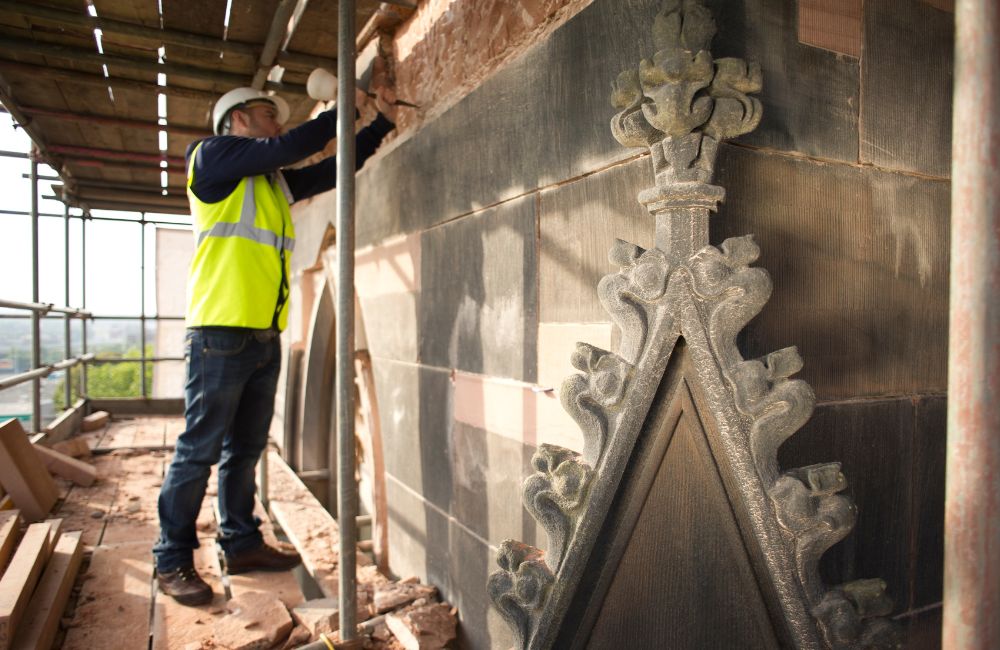
- Masonry Repair for Church Steeples: Loose or crumbling stonework is rebuilt to restore the steeple’s strength and visual appeal. Quality masonry work also stops water from entering and damaging the structure over time.
Reinforcing Without Altering
Many older church steeples need extra support to handle today’s weather and safety standards. Modern solutions can strengthen the steeple from the inside without changing its outside appearance.
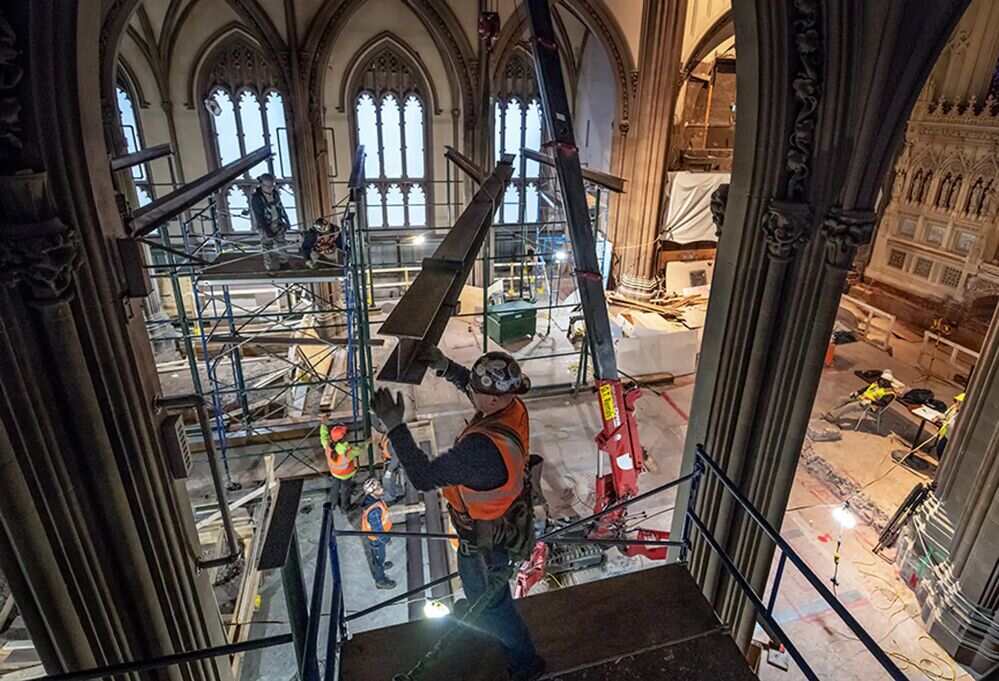
- Structural Reinforcement for Steeples: Adding hidden supports like steel framing inside the steeple can greatly increase its durability. This allows churches to meet safety needs while keeping their steeple looking the same from the outside.
- Wind and Weather Resistance: Upgrades can include bracing systems and improved materials that protect the steeple during storms or strong winds. These updates help ensure the steeple remains safe and secure for years to come.
2. Prevent Structural Deterioration
Early repair of steeple damage is key to protecting the safety and lifespan of historic churches. Constant exposure to wind, rain, and temperature shifts makes steeples especially vulnerable. Cracks, leaning, or missing materials can weaken the entire structure, not just the steeple. Prompt church steeple repair helps avoid serious risks and expensive restorations later.
Why Early Repairs Matter
Regular maintenance and quick action help stop minor damage from becoming serious. This protects not just the steeple but the entire church building.
- Stop Moisture From Spreading: Water damage from missing shingles or cracked masonry can leak into walls and ceilings, leading to mold, wood rot, or structural sagging.
- Prevent Structural Shifts: Cracks or separations in the steeple base can affect weight distribution, eventually causing shifts in the church’s roofline or support beams.
- Limit Wind Damage: Loose panels or worn coverings become hazards during storms. A neglected steeple is more likely to lose parts or collapse in high winds.
- Avoid Interior Damage: Leaks and structural weakness can damage plaster, woodwork, or painted finishes inside the church.
Signs That Point to Structural Issues
Steeple problems often start small. Spotting and acting on them early makes a big difference. Steeple renovation specialists are trained to look for these warning signs:
- Cracked or Leaning Steeple: May indicate issues in the support structure or foundation shifting.
- Missing Shingles or Slates: Signals potential water infiltration; may call for slate and shingle steeple replacement.
- Damaged Brick or Stone: Points to the need for masonry repair for church steeples, especially when pieces begin falling off.
- Visible Gaps Around Steeple Base: Could mean stress fractures or weakened joints that require urgent attention.
- Rusting Metal Supports: Suggests the need for structural reinforcement for steeples to stop further deterioration.
Planning for Long-Term Strength
Preventative repair is not just about fixing what’s broken—it’s about preparing the structure for the future. Proactive churches often schedule periodic evaluations to keep their buildings strong for generations.
- Annual Inspections: Help catch problems early and keep a maintenance record.
- Reinforcement Planning: Using structural reinforcement for steeples ensures they can withstand heavy winds and storms.
- Regular Roofing Checks: Coordinating slate and shingle steeple replacement when needed prevents water damage and preserves the original look.
3. Protect Historical Significance
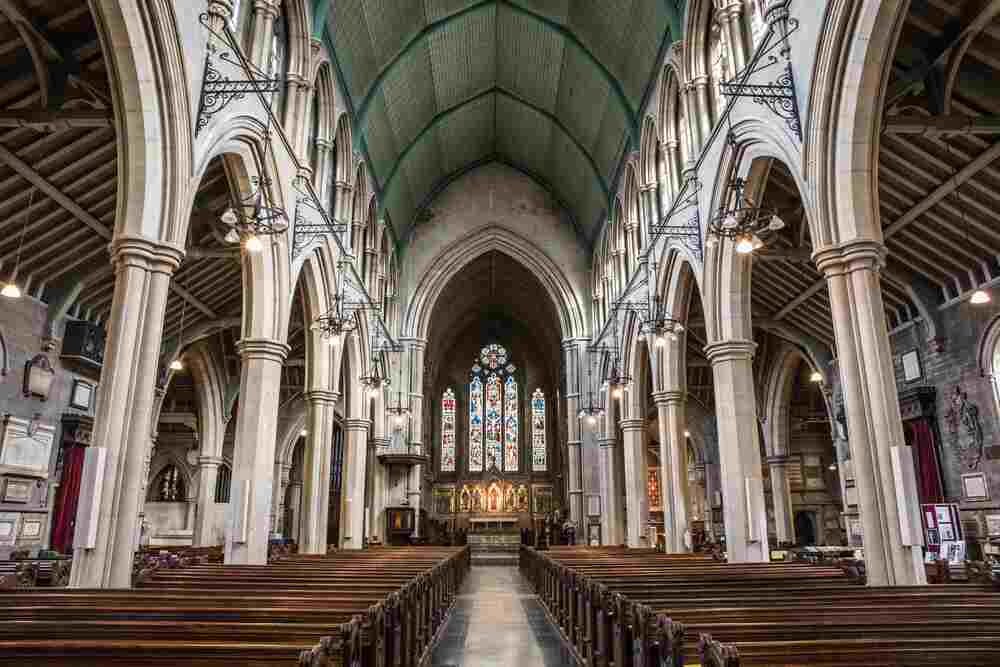
When it comes to preserving the identity and legacy of historic churches, the steeple is a symbol of cultural heritage, architectural pride, and community connection. Maintaining the steeple is one of the most important steps in honoring the full historical value of the building.
A damaged or neglected steeple not only weakens the visual appeal of the church but also puts the structure’s cultural meaning at risk. That’s why church steeple repair is essential in any historic preservation project.
Why Steeples Matter in Church History
Steeples have long been a defining part of church design. They tell stories of the past, represent craftsmanship from earlier centuries, and act as landmarks for generations.
- Symbol of Faith and Community Identity: The steeple is often the tallest, most visible part of a church, symbolizing hope and guidance. For many towns, it stands as a familiar and respected figure in the skyline.
- Architectural Anchor of the Building: It’s more than a visual feature—it ties together different architectural styles and gives a sense of age and permanence to the structure.
- Historic Craftsmanship at Risk: Older steeples were built with materials and techniques no longer common today. Without proper steeple renovation specialists, those original details may be lost.
4. Comply With Preservation Standards
Historic churches are more than places of worship—they’re living landmarks that reflect the community’s heritage. When it comes to maintaining or restoring a church steeple, following preservation rules is crucial.
Common Preservation Guidelines That Affect Steeple Work
There are several rules and expectations contractors and church leaders need to be aware of during a steeple project.
- Maintain Historical Materials: Repairs often involve using original materials like copper, slate, or wood to preserve the steeple’s authentic appearance. In some cases, substitute materials that closely match the look and performance of historic ones can also be used successfully, as long as they meet preservation standards and maintain the structure’s visual integrity.
- Use Traditional Building Methods: Workers may need to use old construction techniques rather than modern shortcuts to preserve authenticity. These methods help maintain the steeple’s original craftsmanship and ensure repairs blend seamlessly with the existing structure.
- Get Proper Approvals First: Before starting any church steeple structural repair, permits and sign-offs may be required from preservation boards or historical societies. Securing these approvals also helps safeguard funding eligibility and ensures compliance with legal preservation requirements.
- Document All Changes: Contractors must document everything they change or replace to keep a record for future repairs and inspections. Thorough documentation provides historical continuity and serves as a valuable reference for future restoration teams.
5. Enhance Community Value
Steeple repair goes beyond basic fixes—it preserves pride and beauty for future generations. Partnering with steeple renovation specialists ensures skilled, detail-focused work that honors tradition.
Boost Tourism and Public Interest
Church buildings, especially historic ones, are often part of local heritage tours and attract visitors interested in architecture, history, and faith.
- Attract Heritage Tourism: Restored steeples draw tourists, especially those who appreciate historical landmarks or follow church architecture trails. These visitors help spotlight the town’s historical value and bring attention to preservation efforts.
- Create Photo Opportunities: A visually stunning steeple adds to the charm of a town and becomes a point of interest for visitors and photographers. High-quality restoration enhances the church’s appeal for media, marketing, and cultural documentation.
- Support Local Economy: Increased tourism can benefit nearby shops, restaurants, and service providers. Well-maintained historic sites encourage longer visits and higher spending within the community.
- Inspire Educational Programs: Restored churches often become venues for school field trips, architectural studies, and history tours. This educational engagement fosters awareness and appreciation for local heritage among younger generations.
Strengthen Community Partnerships: Restoration projects frequently involve collaboration between churches, local governments, and preservation groups. These partnerships not only strengthen community bonds but also unlock grant opportunities and shared resources.
Why Hire Qualified Restoration Professionals
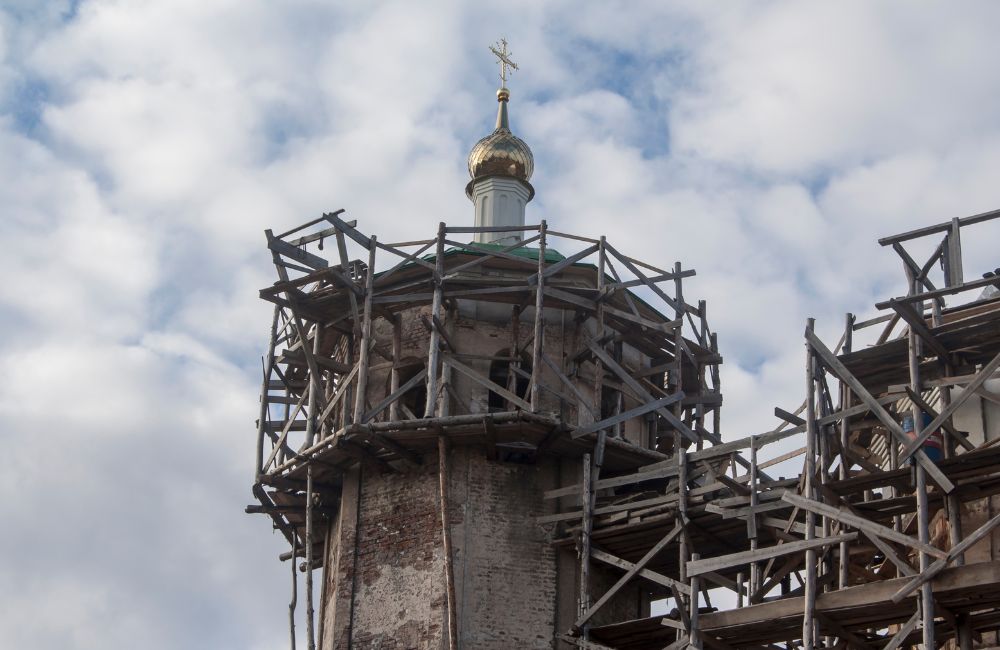
Restoring a church steeple is a detailed process requiring expertise and knowledge in preservation, structural safety, and craftsmanship. Qualified restoration professionals ensure the steeple’s original design is respected while meeting current safety codes. Whether for minor repairs or full rebuilds, their expertise makes a lasting difference. Teams skilled in church steeple repair understand both the technical and cultural importance of these historic features.
1. Knowledge of Historic Standards
Experienced professionals follow local, state, and national preservation guidelines. They know how to match materials, document work, and use approved methods. This is especially critical for churches on historic registers, where mistakes can risk funding or cause compliance issues. They also help with permits and approvals to ensure every step meets preservation rules.
2. Experience with Structural Challenges
Steeples are often tall, narrow, and exposed to weather. Skilled teams know how to identify hidden damage like rot, weak framing, or failing supports. Church steeple structural repair typically involves reinforcing the internal frame and restoring stability—without changing the steeple’s original look.
3. Use of Proper Materials and Techniques
In preservation, materials matter. Qualified professionals use historically accurate or approved substitute materials to ensure durability and appearance. Common services include slate and shingle steeple replacement, masonry repair for church steeples, and structural reinforcement for steeples, all tailored to fit each structure’s needs.
4. Long-Term Protection and Value
Hiring skilled professionals means repairs are done right the first time. Their work lasts longer, reduces future repair costs, and protects the overall investment. Communities benefit by preserving a local landmark and avoiding major disruptions. Working with trusted providers like Artech Church Interiors, Inc. ensures safe, lasting results that honor the building’s history.
5. Safety for Workers and the Public
Qualified restoration professionals prioritize safety throughout the entire process. Church steeples often require work at extreme heights or involve aging materials that pose hazards. Trained crews use proper equipment, follow industry safety standards, and secure the worksite to protect both workers and the surrounding area during all phases of church steeple repair.
6. Custom Solutions for Unique Structures
Every historic church is different, and so is every steeple. Skilled restoration teams evaluate each building’s condition and history to develop a tailored plan. Whether it’s masonry repair for church steeples in urban areas or structural reinforcement for steeples in small towns, qualified professionals offer customized solutions that respect the original design while solving modern issues.
Schedule Trusted Experts in Boston for Church Steeple Restoration!
Preserving the historic beauty of Boston churches starts with expert repair and restoration. When a steeple shows signs of wear, delay can lead to more serious structural concerns. That’s where Artech Church Interiors, Inc. steps in—providing professional church steeple repair services tailored to the needs of historic buildings across Boston. Whether it’s structural reinforcement for steeples or masonry repair for church steeples, our team ensures every detail honors the original craftsmanship. Boston communities trust Artech Church Interiors, Inc. for projects that protect and restore these landmarks with care.
Contact Artech Church Interiors, Inc. today to schedule a steeple restoration consultation in Boston!