
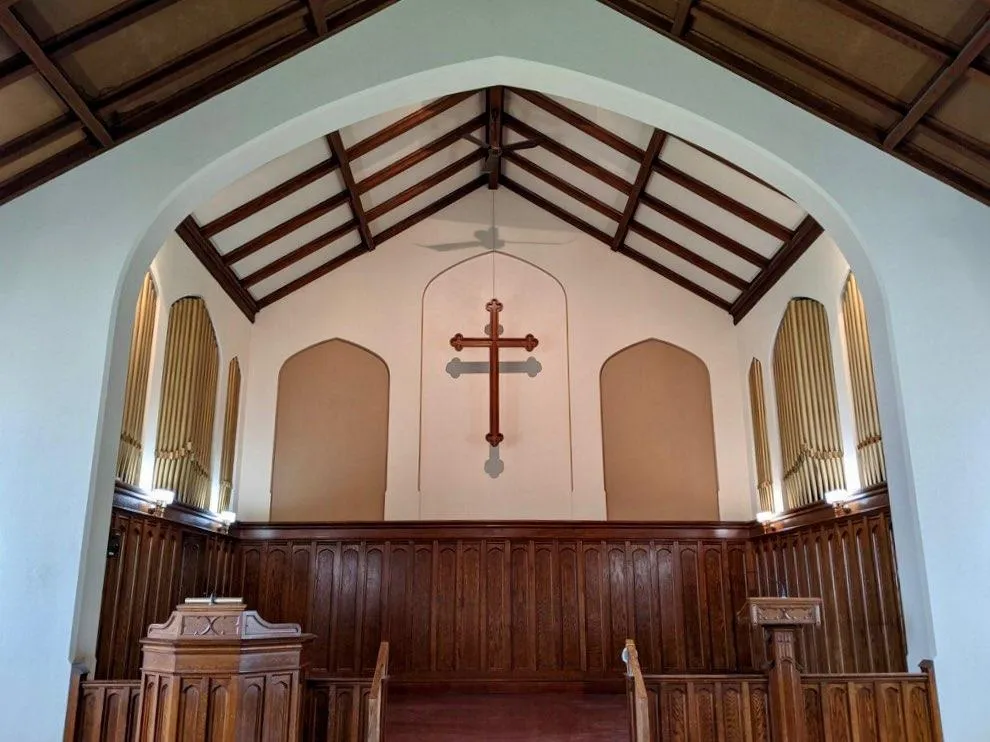
Paint is not just a decorative element; it’s a crucial component in restoring and preserving historical churches. Church restoration companies in NY, NY, understand paint’s pivotal role in maintaining the historical integrity, structural stability, and aesthetic appeal of these architectural treasures. To help you learn more, we’ll explore why paint matters in historical church restoration, exploring seven key insights from top church restoration companies.
Key Takeaways
✔ The choice of paint in historical church restoration is crucial for maintaining authenticity and honoring architectural heritage.
✔ Quality paint protects against weathering, ensuring the longevity and resilience of historical church exteriors.
✔ Strategic paint choices prevent cracks, moisture intrusion, and other forms of structural deterioration, preserving the structural integrity of historic churches.
✔ Paint plays a pivotal role in revitalizing exteriors, highlighting architectural details, and creating harmonious color schemes, enhancing the visual allure of historic churches.
✔ Energy-efficient paint solutions reflect sunlight, minimize heat absorption, and improve insulation, reducing energy consumption in historical churches.
✔ Proper paint selection, application, and maintenance extend the lifespan of painted surfaces, ensuring the long-term preservation of historic churches.
✔ Paint colors and patterns in historical churches reflect cultural heritage, architectural styles, and symbolic meanings, enriching the cultural significance of these cherished landmarks.
1. Preservation of Historical Integrity
Preserving the historical integrity of church buildings is a paramount concern for church restoration companies. The choice of paint plays a pivotal role in maintaining the authenticity and charm of these architectural marvels, ensuring that they stand the test of time for future generations to admire.
- Retaining Architectural Authenticity: Church restoration companies prioritize paint choices that align with historic churches’ original color schemes and design aesthetics. By meticulously matching historical paint colors, these companies ensure that architectural authenticity remains intact, preserving each church’s unique character.
- Preventing Color Fading and Deterioration: Over time, exposure to environmental elements can cause paint colors to fade and surface deterioration. Experienced church restoration companies utilize specialized paint formulations that resist fading, ensuring that the vibrant colors of stained glass windows, ornate facades, and intricate details remain vivid for years.
- Conserving Heritage Materials: Churches often feature heritage materials such as wood, stone, and metalwork, each requiring specific paint treatments for preservation. Church restoration companies employ expert knowledge in selecting paint products that protect these materials from decay, rust, and corrosion, safeguarding the structural integrity of historic church buildings.
- Adhering to Preservation Guidelines: Adherence to preservation guidelines and standards is crucial. Church restoration companies work closely with preservation experts and regulatory bodies to ensure that paint choices comply with conservation principles.
- Showcasing Artistic Details: Historical churches are renowned for their intricate architectural details and artistic elements. Church restoration companies prioritize paint applications that accentuate these details. They use techniques such as highlighting moldings, embellishing ornamental features, and restoring frescoes to their former grandeur.
2. Protection Against Weathering
Church restoration companies understand the critical role that weathering plays in deteriorating church exteriors. By choosing the right paint products and application techniques, these companies can protect historical churches from the damaging effects of rain, sunlight, and temperature changes.
- Shielding Against Rain and Moisture: One of the primary functions of paint in church restoration is to provide a protective barrier against rain and moisture. Products applied by church restoration companies, such as epoxy paint, create a waterproof seal, preventing water from seeping into the building’s structure and causing damage to walls, ceilings, and foundations.
- Guarding Against UV Rays: UV rays from sunlight can cause paint colors to fade and surface deterioration over time. Church restoration companies utilize UV-resistant paint formulations to shield church exteriors from the harmful effects of sunlight. This ensures that historical churches’ vibrant colors and architectural details remain preserved.
- Insulating Against Temperature Fluctuations: Temperature fluctuations can lead to the expansion and contraction of building materials, which can cause paint to crack and peel. Church restoration companies use high-quality paint products that provide thermal insulation. This minimizes the impact of temperature changes on painted surfaces and reduces the risk of damage.
- Preventing Mold and Mildew Growth: Moisture buildup on church exteriors can create an environment conducive to mold and mildew growth. Church restoration companies apply mold-resistant paint coatings that inhibit the growth of these harmful microorganisms, preserving the integrity of painted surfaces and ensuring a healthier indoor environment for church occupants.
- Enhancing Durability in Harsh Climates: Church restoration companies operating in regions with harsh climates prioritize paint choices that offer enhanced durability. These companies select paint products specifically formulated to withstand extreme weather conditions, ensuring that historical churches remain protected and visually appealing for years.
3. Prevention of Structural Damage
Structural damage can compromise the stability and safety of historic churches. Church restoration companies in NY, NY, play a crucial role in preventing such damage. This is done by choosing paint products that protect against moisture intrusion, seal cracks, and preserve the structural integrity of these architectural treasures.
- Sealing Cracks and Gaps: Church restoration companies carefully inspect church exteriors for cracks and gaps before applying paint. They use specialized sealants and primers to fill these imperfections, creating a smooth surface for paint application and preventing further damage to the building’s structure.
- Protecting Wood Surfaces: Many historical churches feature intricate woodwork, which is susceptible to rot and decay if not properly protected. Church restoration companies use wood-preserving paint products that seal and protect wood surfaces. This prevents moisture from penetrating and prolonging the life of these valuable architectural elements.
- Preventing Moisture Intrusion: Moisture intrusion can lead to mold growth, wood rot, and other structural damage. Church restoration companies apply waterproof paint coatings that create a barrier against moisture, ensuring the building’s structure remains protected and free from water-related damage.
- Enhancing Structural Stability: Paint can contribute to the overall structural stability of historic churches. Church restoration companies select paint products that reinforce building materials, such as masonry and concrete. This helps to maintain the structural integrity of walls, columns, and other architectural features.
- Strengthening Masonry and Stone: Masonry and stone components of historical churches require specialized paint treatments to maintain their structural integrity. Church restoration companies employ breathable paint formulations that allow moisture to escape while protecting masonry and stone surfaces from weathering, efflorescence, and erosion.
4. Enhancement of Aesthetic Appeal
Church restoration companies understand the significance of enhancing the aesthetic appeal of historical churches through strategic paint choices and application techniques. By revitalizing exterior facades, highlighting architectural details, and creating harmonious color schemes, these companies contribute to the visual allure of historic church buildings.
- Revitalizing Exterior Facades: A church’s exterior facade is often the first impression that visitors and passersby encounter. Church restoration companies employ skilled painters who specialize in revitalizing exterior facades. They use techniques such as pressure washing, surface preparation, and meticulous paint application to restore the beauty and grandeur of historical church exteriors.
- Highlighting Architectural Details: Historical churches are renowned for their intricate architectural details, from ornate moldings to decorative motifs. Church restoration companies accentuate these architectural features through expert paint applications, using contrasting colors, faux finishes, and shading techniques.
- Creating Harmonious Color Schemes: The choice of paint colors plays a pivotal role in creating harmonious and visually appealing color schemes for historic churches. Church restoration companies collaborate with color experts and historians to select paint colors that complement the building’s architecture, reflect historical accuracy, and evoke a sense of warmth and elegance.
- Restoring Ornamental Elements: Ornamental elements such as statues, reliefs, and finials contribute to historic churches’ overall charm and character. Church restoration companies meticulously restore and repaint these ornamental elements. This effort enhances their appearance and preserves their artistic significance for future generations.
- Enhancing Street Presence: A well-maintained and aesthetically pleasing exterior enhances the street presence of historical churches, attracting visitors, tourists, and worshippers alike. Church restoration companies take pride in transforming church exteriors into captivating landmarks that contribute to their communities’ cultural and architectural heritage.
5. Contribution to Energy Efficiency
Church restoration companies recognize the importance of energy efficiency in historical churches for reducing operating costs and minimizing environmental impact. These companies help churches improve their energy performance and sustainability by choosing energy-efficient paint products and implementing insulation strategies.
- Reflecting Sunlight and Reducing Heat Absorption: Light-colored paints reflect sunlight, reducing heat absorption and cooling costs during warmer months. Church restoration companies recommend using reflective paint coatings on church exteriors to improve energy efficiency and create a more comfortable indoor environment for worshippers.
- Minimizing Heat Loss in Winter: Maintaining a warm and comfortable interior is essential in colder climates. Church restoration companies apply insulating paint products that help minimize heat loss through walls and ceilings, reducing the need for excessive heating and lowering energy consumption.
- Improving Indoor Comfort Levels: Energy-efficient paint products can help regulate indoor temperatures, creating a more comfortable environment for worshippers. Church restoration companies prioritize paint choices that contribute to improved indoor comfort levels, enhancing the overall worship experience for churchgoers.
- Lowering Carbon Footprint: Historical churches can lower their carbon footprint by improving energy efficiency and contributing to environmental sustainability. Church restoration companies advocate for eco-friendly paint options that reduce greenhouse gas emissions and promote a more sustainable future for historical buildings.
- Aligning with Green Building Practices: Energy-efficient paint choices align with green building practices, emphasizing resource efficiency and environmental responsibility. Church restoration companies integrate these practices into their restoration projects, ensuring that historical churches meet modern sustainability standards.
6. Promotion of Longevity
Church restoration companies prioritize the longevity of their restoration projects. Through careful paint selection, application techniques, and maintenance strategies, these companies extend the lifespan of painted surfaces and contribute to preserving church heritage.
- Selecting High-Quality Paint Products: Church restoration companies invest in high-quality paint products formulated explicitly for long-lasting durability and protection. These paints offer superior adhesion, weather resistance, and color retention properties. These features ensure that painted surfaces withstand the test of time and maintain their visual appeal.
- Implementing Proper Surface Preparation: Proper surface preparation is essential for ensuring the longevity of paint coatings. Church restoration companies meticulously prepare surfaces by cleaning, sanding, priming, and repairing any defects before applying paint. This meticulous approach maximizes paint adhesion and prevents premature peeling or flaking.
- Applying Professional Paint Techniques: Skilled painters employed by church restoration companies utilize professional paint techniques to achieve optimal results and longevity. These techniques include brush, roller, and spray application methods, ensuring even coverage, smooth finishes, and uniform color distribution across painted surfaces.
- Implementing Maintenance Protocols: Church restoration companies develop comprehensive maintenance protocols to preserve painted surfaces and extend their lifespan. These protocols may include regular inspections, cleaning, touch-ups, and recoating as needed to address wear and tear, environmental exposure, and other factors that can impact paint longevity.
- Applying Protective Coatings: In addition to standard paint applications, church restoration companies may apply protective coatings to enhance the durability and longevity of painted surfaces. These coatings provide additional protection against UV rays, moisture, and abrasion. In the long run, this prolongs the underlying paint’s lifespan and preserves historic churches’ integrity.
7. Reflection of Cultural Significance
Church restoration companies understand that paint colors and patterns are aesthetic choices and reflections of cultural significance and heritage. By selecting paint colors that honor the cultural heritage of historical churches, these companies preserve their communities’ identity and traditions.
- Preserving Historical Color Schemes: Historical churches often have unique color schemes that reflect their time’s cultural and architectural trends. Church restoration companies research and preserve these historical color schemes, ensuring that the paint choices resonate with the cultural significance of the church and its surrounding community.
- Honoring Architectural Styles: Different architectural styles are often associated with specific paint colors and patterns. Church restoration companies pay homage to these architectural styles by selecting paint colors that complement and enhance the architectural features of historic churches.
- Incorporating Symbolism and Meaning: Paint colors can carry symbolism and meaning in religious and cultural contexts. Church restoration companies work closely with religious leaders and historians to select paint colors that carry symbolic significance, enriching the spiritual experience of worshippers and visitors to historical churches.
- Adapting to Cultural Changes: As communities evolve, so do their cultural values and traditions. Church restoration companies recognize the importance of adapting paint choices to reflect these cultural changes. They ensure that historical churches remain relevant and meaningful to current and future generations.
- Engaging the Community: Choosing paint for historical churches can be a collaborative effort that engages the local community. Church restoration companies involve community members in the selection process, soliciting input and feedback to ensure that paint choices resonate with the community’s cultural identity and values.
Frequently Asked Questions (FAQs)
How often should a historical church be repainted?
Historical churches should typically be repainted every 10 to 15 years, depending on several factors, such as the quality of the previous paint job, the type of paint used, and the environmental conditions the church is exposed to. Church restoration companies recommend regular inspections to assess the condition of the paint and determine if repainting is necessary to maintain the church’s appearance and protect its structural integrity.
Are there specific regulations for painting historical churches?
There are often specific regulations and guidelines for painting historical churches, especially if the church is designated as a historic landmark. Church restoration companies are well-versed in these regulations and work closely with preservation experts and regulatory bodies to ensure that paint choices comply with conservation principles and preservation standards.
How can paint choices impact the value of a historic church?
Paint choices can significantly impact the value of a historical church. Opting for high-quality paint products and historically accurate colors can enhance the church’s aesthetic appeal and historical authenticity, potentially increasing its value in the eyes of historians, preservationists, and potential buyers. Church restoration companies understand the importance of paint choices in preserving and enhancing the value of historic churches.
What are some eco-friendly paint options for historical churches?
Several eco-friendly paint options are available for historical churches, including low-VOC (volatile organic compound) paints, natural clay paints, and milk paints. Church restoration companies recommend these eco-friendly options as they minimize environmental impact while providing durable and visually appealing finishes for historic churches.
How can I maintain the painting on a historical church between professional restorations?
Regular cleaning and inspection are essential to maintaining the paint on a historical church between professional restorations. Church restoration companies recommend using a gentle detergent and soft brush to remove dirt and debris from painted surfaces. Additionally, promptly addressing any minor issues, such as chips or peeling paint, can help prevent more significant problems and prolong the paint job’s life.
Choose the Perfect Partner for Your Church Restoration Journey
Preserving a church’s historical integrity and cultural significance requires expertise and dedication. As you embark on your church restoration journey in NY, consider partnering with a trusted name in the field: Artech Church Interiors Inc. With our unparalleled experience, commitment to quality, and passion for preserving heritage, Artech Church Interiors Inc. is your go-to partner for all your church restoration needs.
Contact us today and let them bring new life to your historical church!