
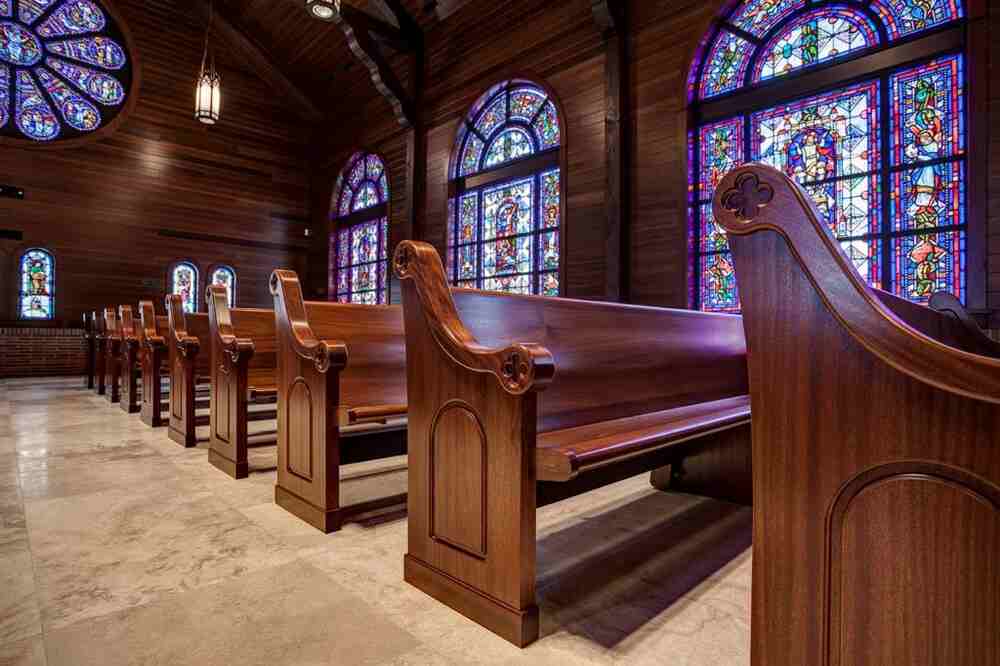
Refurbishing church pews is a vital undertaking for many congregations looking to maintain or enhance the appearance of their worship spaces. However, the process can be particularly challenging in smaller spaces where every square foot must be used efficiently. Here are the 10 essential tips and insights to help you navigate church pew refurbishing in confined areas.
Table of Contents
Key Takeaways✔ Conduct a thorough assessment of the space to understand dimensions, obstacles, and foot traffic, ensuring pews fit without overcrowding. ✔ Choose slim and ergonomic pew designs to maximize seating capacity and maintain comfort, allowing for flexible arrangements in small spaces. ✔ Use lightweight and durable materials, such as high-quality wood or metal frames, to ease installation and enhance longevity. ✔ Add built-in storage, foldable seating, or removable sections to increase functionality and adaptability in small worship areas. ✔ Design pews to accommodate all congregation members, including those with mobility challenges, by ensuring wide aisles and designated wheelchair spaces. ✔ Tailor pew designs to match the church’s interior, using custom finishes and decorative elements that reflect the church’s identity and style. ✔ Create a realistic budget and timeline, accounting for all costs and contingencies, to ensure the refurbishing project stays on track. ✔ Hire experienced professionals for complex tasks to guarantee quality craftsmanship and effective problem-solving, enhancing the overall refurbishing outcome. |
Church Pew Refurbishing in Small Areas
Church pews are integral to the church’s aesthetic and spiritual ambiance. Over time, pews may suffer from wear and tear, which diminishes their appearance and comfort. Church pew refurbishing is an effective solution for revitalizing these elements of a church interior.
With spending on religious construction projects reaching approximately $2.9 billion in the United States in 2023, many churches are investing in refurbishing to enhance their worship spaces without the cost of full replacements.
In smaller churches or chapels, the challenge lies in maximizing limited space while preserving or improving the overall atmosphere. That’s why it’s important to follow strategies that can make church pew refurbishing a success, even in the most space-constrained environments.
Challenges of Small Spaces
Refurbishing church pews in small spaces presents unique challenges, as limited room and architectural constraints require careful planning and creative solutions to ensure that the pews are both functional and aesthetically pleasing.
Space Constraints and Limitations
One of the primary challenges of church pew refurbishing in small spaces is the limited area available for seating arrangements. Small churches often have unique architectural features or constraints that require careful planning to ensure pews fit without overcrowding or obstructing movement. Common issues include:
- Narrow aisles that limit accessibility, posing challenges during high-attendance services or events.
- Unusual layouts that may not accommodate standard pew sizes.
- Architectural constraints like columns or sloped floors that affect placement.
Balancing Aesthetics and Functionality
Another challenge is balancing aesthetics with functionality. While the pews need to be visually appealing, they must also serve the practical needs of the congregation. This balance is especially important in small spaces, where visual clutter can make the area feel cramped. Strategies for maintaining balance include:
- Light Colors: Use lighter colors or finishes to create a sense of space. Light tones can make a small area appear larger and more open.
- Simple Designs: Incorporate simple, elegant designs that don’t overwhelm the senses. Clean lines and minimalist styles can enhance the visual appeal without adding bulk.
- Ergonomic Options: Prioritize comfort without sacrificing style. Ergonomic designs and quality materials ensure that pews remain comfortable for long services.
10 Essential Tips for Church Pew Refurbishing in Small Spaces
Refurbishing church pews in small spaces requires a strategic approach to maximize functionality and aesthetics, ensuring that the seating is both comfortable and visually appealing despite limited room.
1. Assess the Space Thoroughly
A successful church pew refurbishing project begins with a thorough assessment of the available space. Accurate measurements and a clear understanding of spatial constraints are crucial for planning the layout effectively.
Steps to Assess the Space
- Accurate Space Measurements: Measure the dimensions of the area where the pews will be placed. Use a measuring tape to get the length, width, and height of the space, considering any irregularities.
- Identify Potential Obstacles: Identify potential obstacles, such as columns, changes in floor elevation, or architectural features that might impede the placement of pews. Ensure that these elements are accounted for in the design.
- Ensure Comfortable Foot Traffic Flow: Consider foot traffic flow and ensure there is enough space for people to move comfortably around the pews. This is particularly important for accessibility and safety during services.
2. Choose Slim and Ergonomic Designs
Opt for pew designs that maximize seating capacity while maintaining comfort. Slim, ergonomic designs are ideal for small spaces as they reduce bulk and allow for more flexible seating arrangements.
Benefits of Slim Designs
- Maximizing Seating Capacity: More seats can fit within the same space without overcrowding. This is essential for small congregations looking to maximize attendance.
- Flexibility in Layout: Easier rearrangement or repositioning if needed, allowing for flexibility in the layout. This adaptability is crucial for accommodating different events or services.
- Modern and Spacious Aesthetic: Enhanced modern look of the church interior, creating a welcoming and spacious atmosphere. Modern designs can refresh the overall aesthetic of the church.
3. Select Lightweight and Durable Materials
When undertaking church pew refurbishing, choosing materials that offer durability without excessive weight is essential. Lightweight materials can ease installation and handling, especially in tight spaces.
Recommended Materials
- Classic and Timeless Aesthetics: High-quality wood or engineered wood for a classic and timeless aesthetic. These materials offer durability and can be finished in various ways to match the church’s interior.
- Modern Durability and Support: Metal frames for modern durability and support, providing a sleek and sturdy option. Metals like aluminum or steel can add strength without adding too much weight.
- Sustainable and Eco-Friendly Choices: Eco-friendly materials, such as reclaimed wood or sustainable sources, contribute to sustainability goals and reduce environmental impact. Opting for renewable resources, low-VOC finishes, and energy-efficient processes can help reduce your church’s carbon footprint.
4. Incorporate Multi-functional Features
Multi-functional pew designs can offer additional benefits and maximize the utility of small spaces. Consider incorporating features like built-in storage or foldable seating to enhance functionality.
Examples of Multi-Functional Features
- Organized and Tidy Spaces: Built-in storage compartments for hymnals, prayer books, and personal items, keeping the area tidy and organized. This reduces clutter and improves the overall experience for congregants.
- Adjustable Seating for Versatility: Foldable seats that can be adjusted based on the needs of the congregation or different events. This flexibility allows the space to be adapted for various uses, from services to meetings or events.
- Flexible Reconfiguration Options: Removable sections allow for flexible reconfiguration, making it easy to adapt the seating arrangement for various activities. These sections can be rearranged or removed entirely to create open space as needed.
5. Customize to Fit the Space
Customization is key when it comes to church pew refurbishing in small spaces. Tailor pew designs to suit the unique characteristics of the space, ensuring a seamless integration with the church’s architectural style.
Customization Options
- Custom Sizing for Irregular Spaces: Adjust pew lengths to fit irregular spaces and make the most of available room. Custom sizing ensures that every inch of space is used effectively.
- Harmonious Interior Design: Match pew finishes with the church’s interior design theme, creating a cohesive and harmonious look. Choose stains, paints, or finishes that complement the existing decor.
- Personalized and Historical Enhancements: Incorporate custom elements like engraved plaques, decorative details, or personalized touches that reflect the church’s identity and heritage.
6. Enhance Accessibility
Ensure that pews are designed to accommodate all congregation members, including those with mobility challenges. Accessibility should be a priority in any church pew refurbishing project.
Ways to Enhance Accessibility
- Accessible Spaces for Mobility Aids: Include designated spaces for wheelchairs or mobility aids, ensuring that all members can participate in services comfortably. Designate specific areas that are easily accessible and integrate them seamlessly into the overall design.
- Wide Aisles for Easy Navigation: Ensure aisles are wide enough for easy navigation, preventing bottlenecks and ensuring safe movement. Consider the needs of those using walkers, canes, or other assistive devices.
- Pew Lifts and Ramps for Mobility Access: Consider installing pew lifts or ramps where necessary to provide access to different levels or areas of the church. These features can make a significant difference for individuals with mobility challenges.
7. Plan and Budget Carefully
Creating a realistic budget and timeline is crucial for the success of any church pew refurbishing project. Planning ensures that resources are allocated efficiently and that the project stays on track.
Budgeting Tips
- Comprehensive Cost Calculation: Calculate costs for materials, labor, and additional features, ensuring that all expenses are accounted for. Include estimates for unexpected costs and contingencies.
- Budgeting for Contingencies: Allow for contingencies to handle unexpected expenses or delays that may arise during the project. Set aside a portion of the budget for unforeseen challenges.
- Prioritize Essential Spending: Prioritize spending on essential elements without compromising quality, ensuring that the refurbishing project meets both aesthetic and functional goals.
8. Engage Professionals When Necessary
While some aspects of church pew refurbishing can be DIY projects, engaging professionals may be necessary for complex tasks. Professional craftsmen bring expertise and experience that can ensure high-quality results.
Benefits of Hiring Professionals
- Expert Skills and Knowledge: Access to specialized skills and knowledge in pew refurbishing, ensuring that the project is executed with precision and expertise. Professionals understand the nuances of materials, design, and construction.
- Guaranteed Quality Craftsmanship: Assurance of quality craftsmanship and materials, resulting in durable and visually appealing pews. Skilled artisans can achieve a level of finish and detail that is difficult to replicate in a DIY project.
- Handling Intricate Restoration Tasks: Ability to handle intricate tasks, such as restoring antique pews or incorporating custom features that require advanced skills and tools. Professionals can manage complex challenges and deliver superior results.
9. Implement Creative Solutions
In small spaces, creative solutions can overcome limitations and enhance the overall result. Think outside the box to address challenges and meet the unique needs of your congregation.
Creative Ideas to Consider
- Maximize Vertical Space: Utilize vertical space with stackable or tiered seating arrangements, maximizing the available area without compromising comfort. These arrangements can increase capacity without requiring additional floor space.
- Flexible Modular Seating: Incorporate modular pews that can be rearranged for different events, providing flexibility and adaptability. Modular designs allow for quick and easy reconfiguration, making the space versatile and dynamic.
- Innovative Layouts for Space Efficiency: Experiment with unconventional layouts that maximize space utilization, such as diagonal or curved arrangements that can accommodate more seating. These layouts can create a unique and engaging worship environment.
10. Focus on Aesthetics and Comfort
The final tip for successful church pew refurbishing is to prioritize both aesthetics and comfort. Well-designed pews can significantly enhance the worship experience and contribute to the church’s ambiance.
Ways to Enhance Aesthetics And Comfort
- Cohesive Aesthetic Design: Choose finishes and upholstery that align with the church’s interior theme, creating a cohesive and inviting atmosphere. Consider the visual impact of colors, textures, and patterns.
- Enhanced Comfort Features: Incorporate ergonomic designs to ensure long-lasting comfort, considering factors like seat height, depth, and back support. Comfortable pews encourage congregants to remain engaged and focused during services.
- Quality Materials and Craftsmanship: Use quality materials and craftsmanship to create a polished, professional look that reflects the church’s commitment to excellence. Attention to detail in construction and finishing can elevate the overall impression of the pews.
How to Choose the Right Professional
Selecting the right professional or service provider in Rhode Island is crucial for the success of your church pew refurbishing project. Look for experienced craftsmen with a proven track record in church pew refurbishing to ensure that the project meets your expectations and standards.
Request References and Reviews
- Gauge the Quality of Their Work: Request references or reviews from past clients to understand the quality of their work and level of customer satisfaction. Client testimonials and project portfolios can provide valuable insights into the professional’s capabilities.
- Seek Detailed Feedback: Contact previous clients to get detailed feedback about their experiences, including communication, timeliness, and problem-solving abilities related to church pew refurbishing projects.
Verify Credentials and Experience
- Check for Relevant Experience: Verify credentials and experience in similar projects, ensuring that they have the necessary skills and knowledge. Look for professionals who specialize in church pew refurbishing and have experience with projects of similar scale and complexity.
- Ask About Certifications: Inquire about any certifications or affiliations with professional organizations, which can indicate a commitment to quality and industry standards in church pew refurbishing.
Assess Their Communication Skills
- Evaluate Responsiveness: Pay attention to how responsive and communicative the professional is during initial consultations. Clear and timely communication is key to a smooth church pew refurbishing project execution.
- Establish a Communication Plan: Set up a communication plan that includes regular updates and check-ins to keep the project on track and address any issues promptly.
Review the Contract and Pricing
- Understand the Terms: Carefully review the contract terms and conditions, including the scope of work, payment schedule, and warranties. Make sure everything is clearly defined to avoid misunderstandings during the church pew refurbishing process.
- Compare Quotes: Obtain quotes from multiple professionals to compare pricing and ensure you’re getting a fair deal. Look for a balance between cost and quality.
Visit Completed Projects
- Inspect Their Work: If possible, visit completed projects to see the quality of their church pew refurbishing workmanship firsthand. This can provide a more accurate representation of their skills and attention to detail.
- Speak to Past Clients: During site visits, speak to past clients about their experience working with the professional, focusing on satisfaction and any challenges they faced.
Evaluate Their Team and Resources
- Assess Their Team’s Expertise: If the professional has a team, evaluate the expertise and qualifications of the team members involved in your church pew refurbishing project. A skilled and cohesive team can significantly impact the project’s success.
- Check Resource Availability: Ensure they have access to the necessary tools, materials, and resources to complete the project efficiently and to a high standard.
Evaluate Their Reputation
- Research Online Presence: Look into their online presence, including social media and industry forums, to assess their reputation within the community and church pew refurbishing industry.
- Check for Awards and Recognition: Consider any awards or recognition they have received for their church pew refurbishing work, as this can be an indicator of their commitment to excellence and customer satisfaction.
Frequently Asked Questions
How long does church pew refurbishing take?
The time required for church pew refurbishing can vary depending on the extent of the project, the size of the pews, and the availability of materials. Generally, a refurbishing project can take anywhere from a few weeks to a couple of months. Consulting with a professional service provider can give you a more accurate timeline based on your specific needs and the scope of work.
What are the benefits of church pew refurbishing?
Church pew refurbishing offers several benefits, including improved comfort, enhanced aesthetics, and increased longevity of the pews. Refurbishing can also incorporate modern features such as ergonomic design and built-in storage, making the seating more functional and appealing. Additionally, it can preserve the historical and sentimental value of the pews while aligning them with the church’s current interior design.
How much does it cost to refurbish church pews?
The cost of church pew refurbishing varies based on factors such as the materials used, the complexity of the design, and the extent of repairs needed. On average, costs can range from $100 to $500 per linear foot. For a precise estimate, it is best to obtain quotes from multiple professionals who specialize in church pew refurbishing.
Can church pews be refinished instead of fully refurbished?
Yes, church pews can often be refinished instead of fully refurbished, depending on their condition. Refinishing typically involves sanding down the existing finish and applying new stain or paint. This option is often more cost-effective and can quickly refresh the look of the pews if the underlying structure is still sound. However, for pews with structural damage or those needing updates for comfort and functionality, a full refurbishing may be necessary.
Can church pews be refurbished to improve acoustics?
Yes, church pews can be refurbished to improve acoustics. Adding sound-absorbing materials or altering the design to include upholstered seating can help enhance the acoustics of the worship space. This can reduce echo and improve sound clarity, contributing to a better auditory experience for congregants during services and events.
Transform Your Small Church Space with Artech Church Interiors, Inc.!
If you’re ready to enhance your small worship space with expert church pew refurbishing, turn to Artech Church Interiors, Inc. in Rhode Island. With our specialized skills and experience, Artech Church Interiors, Inc. can revitalize your pews. Residents of Rhode Island can trust Artech Church Interiors, Inc. to deliver high-quality craftsmanship and innovative designs.
Contact us today to begin your pew refurbishing project and transform your church into a beautifully optimized worship space!
