Key Takeaways Stained glass in churches holds deep historical, artistic, and spiritual meaning, symbolizing faith and storytelling through light and color. Stained glass in churches holds deep historical, artistic, and spiritual meaning, symbolizing faith and storytelling through light and color.
Professional restoration preserves the beauty, structure, and heritage of church stained glass while preventing costly damage over time. Encapsulation can effectively protect stained glass when properly installed, ensuring long-term preservation and reduced maintenance. Protecting stained glass church windows requires regular inspections, controlled environments, and expert restoration to maintain their strength and brilliance. |
Over time, church stained glass can lose its brilliance due to weather, aging materials, and neglect. The intricate designs and vivid colors that once filled sanctuaries with light and meaning can fade, crack, or even collapse without the right care.
Professional restoration brings these sacred works of art back to life by preserving their history, structure, and beauty. Experts carefully clean, repair, and strengthen each piece to ensure the glass continues to inspire and reflect faith for generations.
Here are the key reasons professional restoration is vital for protecting and preserving stained glass church windows.
What Is the Significance of Stained Glass in Churches?
Historical and Artistic Importance
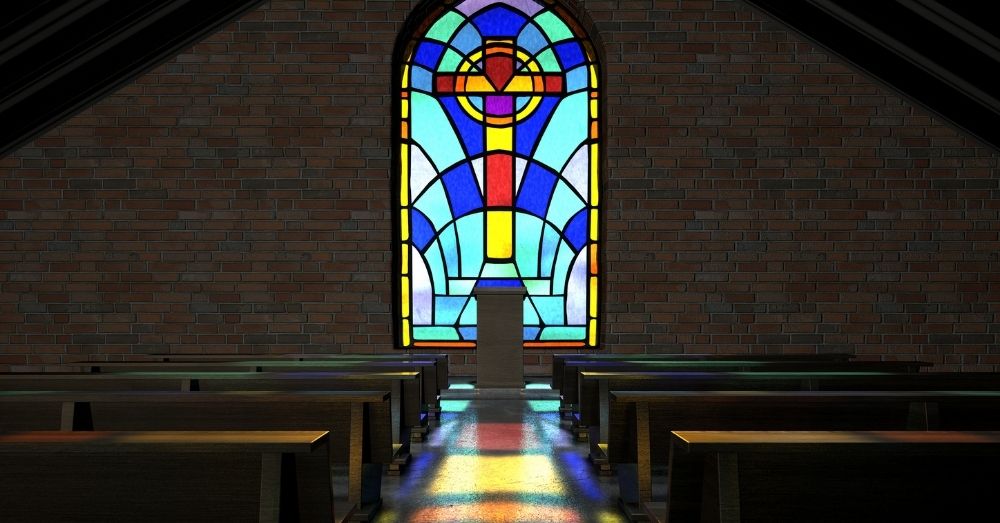
Church stained glass has been a part of worship spaces for hundreds of years. Each piece reflects the craftsmanship and creativity of artists from its time. These windows, often called cathedral glass, can be considered historical records made of light and color. When people look at stained glass church windows, they are seeing a combination of art, history, and faith woven together in glass.
Biblical Narratives and Symbolism
Many stained glass church windows tell Bible stories or display symbols of faith. The colors, shapes, and figures are carefully chosen to share religious lessons and values. Long before literacy was common, stained glass windows and church art helped people understand scripture visually. Through restoration, these stories remain visible, bright, and clear for everyone to see and learn from.
Cultural and Community Heritage
Church stained glass is also part of a community’s identity. Each window often honors a family, event, or local story. Restoring cathedral windows helps keep those community connections strong. It allows current and future generations to experience the same light and beauty that past congregations once did.
Why Professional Restoration Is Essential for Church Stained Glass
Professional restoration is essential for church stained glass to preserve its historical and artistic heritage, ensure structural integrity, and maintain its spiritual and aesthetic value.
Preservation of Heritage And Stories
Many church stained glass windows are considered historical treasures that connect past generations to the present. Over the years, dust, weather, and age can dull the colors or weaken the lead framework. Restoration helps bring back their brilliance and ensures that their spiritual and historical meaning endures.
- Historical Artifacts: Each stained glass church piece shows the craftsmanship of its era. Professional restoration preserves those unique techniques so that future generations can admire the artistry of earlier times.
- Biblical Narratives: Many stained glass windows church designs depict Bible stories and faith symbols. Restoring them makes these stories visible again, helping to keep religious lessons alive in a visual and powerful way.
- Cultural Heritage: These works are part of community identity. Keeping cathedral glass in good shape protects not just art, but also local and spiritual history that connects people across time.
Structural Integrity And Safety
The structure of stained glass church windows naturally weakens with time. Professional restoration helps reinforce and stabilize them to prevent hazards or expensive damage.
- Weakening Materials: The lead that holds the glass in place can corrode and lose strength, causing bending or cracking. Expert restorers replace or strengthen this lead to ensure the panels stay secure.
- Hazard Prevention: Broken or loose stained glass windows church pieces can cause leaks or even collapse. Timely restoration prevents potential accidents and protects the church’s interior from weather and debris.
- Cost Control: Early restoration saves money in the long run. Fixing small cracks and weak points now helps avoid large-scale replacements later, preserving the church stained glass windows for decades.
Aesthetic And Spiritual Value
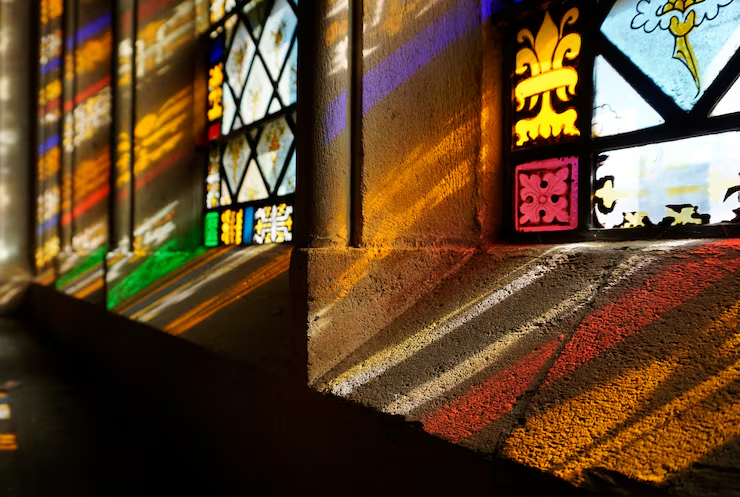
Restoration involves reviving the color, light, and meaning that define stained glass church beauty. Once restored, the windows once again transform sunlight into radiant color and atmosphere.
- Revitalized Beauty: Cleaning and repairing cathedral windows restore the glow and brilliance that make these works so captivating. This renewed light enhances the church’s overall look and feel.
- Spiritual Connection: Restored church stained glass helps maintain the sacred mood of worship spaces, offering beauty and peace to everyone who enters.
- Community Pride: Keeping these windows intact strengthens community identity and shows respect for craftsmanship and history.
Long-Term Conservation
Long-term protection of stained glass windows involves more than quick fixes. Professionals apply advanced conservation techniques to ensure durability and ongoing preservation.
- Specialized Techniques: Experts use gentle cleaning tools, proper soldering, and traditional releading to stabilize cathedral glass without altering its character. These steps make sure every window stays strong and authentic.
- Protective Glazing: Adding protective glazing over stained glass church windows shields them from UV rays, wind, and temperature changes. It also reduces maintenance, providing an easy, long-term way to prevent weather damage.
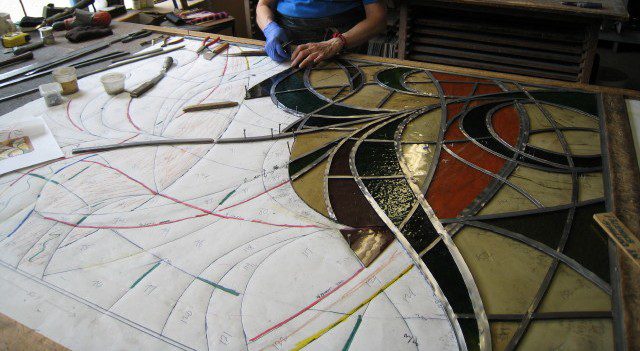
- In-Studio Restoration: When major damage occurs, such as severe bulging or over 5% broken glass, professionals remove the window for detailed studio work. Each piece of stained glass church is documented, cleaned, repaired, and reassembled to restore its strength and beauty completely.
Professional Restoration Techniques for Stained Glass Windows
Assessment and Documentation
The first step in restoring stained glass windows is careful assessment. Experts study each window, document its design, and note areas of damage. This helps guide the restoration process and ensures historical accuracy.
Cleaning and Stabilization
Over time, grime builds up on cathedral glass, dimming its beauty. Professional cleaners use gentle, non-abrasive methods to remove dirt without harming the glass. They also re-solder loose joints or replace weak sections of lead, keeping the structure safe and solid.
In-Studio Restoration
When church stained glass has serious problems, like bulging or more than 5% broken glass, it is taken to a studio. There, each piece is taken apart, cleaned, repaired, and reassembled with precision. This process brings stained glass church windows back to their original strength and detail while preserving every historical feature.
Protective Glazing and Modern Enhancements
Many restorers now add a layer of protective glazing on the outside of stained glass church windows. This clear shield guards against harsh weather, debris, and UV rays. It’s also designed to vent properly so moisture doesn’t get trapped. The result is long-term protection for these treasured cathedral windows.
Is It Necessary to Encapsulate Stained Glass?
Encapsulation is a protective method that adds a clear layer over church stained glass to guard it from weather and wear. When done correctly, it keeps stained glass church windows strong and vibrant for decades, but poor installation can cause hidden damage or trapped moisture.
Pros of Encapsulation | Cons and Considerations |
Adds extra protection for delicate stained glass windows from rain, wind, and pollution. | If not properly installed, it can trap moisture and harm the glass over time. |
Helps stained glass church windows last longer and need less cleaning. | Poor ventilation may cause fogging or corrosion inside the panels. |
Shields church stained glass windows from UV rays and temperature shifts. | Must be handled by experts who specialize in stained glass church restoration. |
Keeps cathedral glass bright, colorful, and protected from fading. | Wrong materials can change the original look or tone of the glass. |
Reduces maintenance costs and prevents long-term structural damage. | Even encapsulated windows still need regular inspection and care. |
What Are the Best Ways to Protect Stained Glass Windows in Churches?
Preventive Maintenance
Regular inspections are the best way to catch problems early. Small cracks, leaks, or signs of wear can be fixed before they become serious. Cleaning should be gentle and done with approved materials to avoid scratching or dulling the glass.
Environmental and Structural Protection
Stained glass church windows can be affected by temperature changes and moisture. Using storm glazing, protective coverings, and managing indoor humidity helps prevent damage. When combined with good ventilation, these steps keep stained glass windows beautiful and stable for years.
Partnering with Restoration Experts
Working with certified stained glass specialists is the safest and most effective option. They know how to repair, protect, and maintain church stained glass windows while respecting their original design. A professional care plan helps ensure these windows stay vibrant and structurally sound for generations to come.
Frequently Asked Questions
Preserve the Beauty of Church Stained Glass with Expert Restoration in NJ!
Professional care from Artech Church Interiors, Inc. ensures every piece of church stained glass in NJ remains vibrant, secure, and true to its original design. Skilled restorers use proven techniques to clean, repair, and protect delicate glasswork, bringing new life to historic windows while maintaining their sacred beauty. From small local chapels to grand cathedrals, trusted craftsmanship across NJ helps preserve both artistry and faith for generations to come.
Contact Artech Church Interiors, Inc. today to schedule professional stained glass restoration services in NJ!