
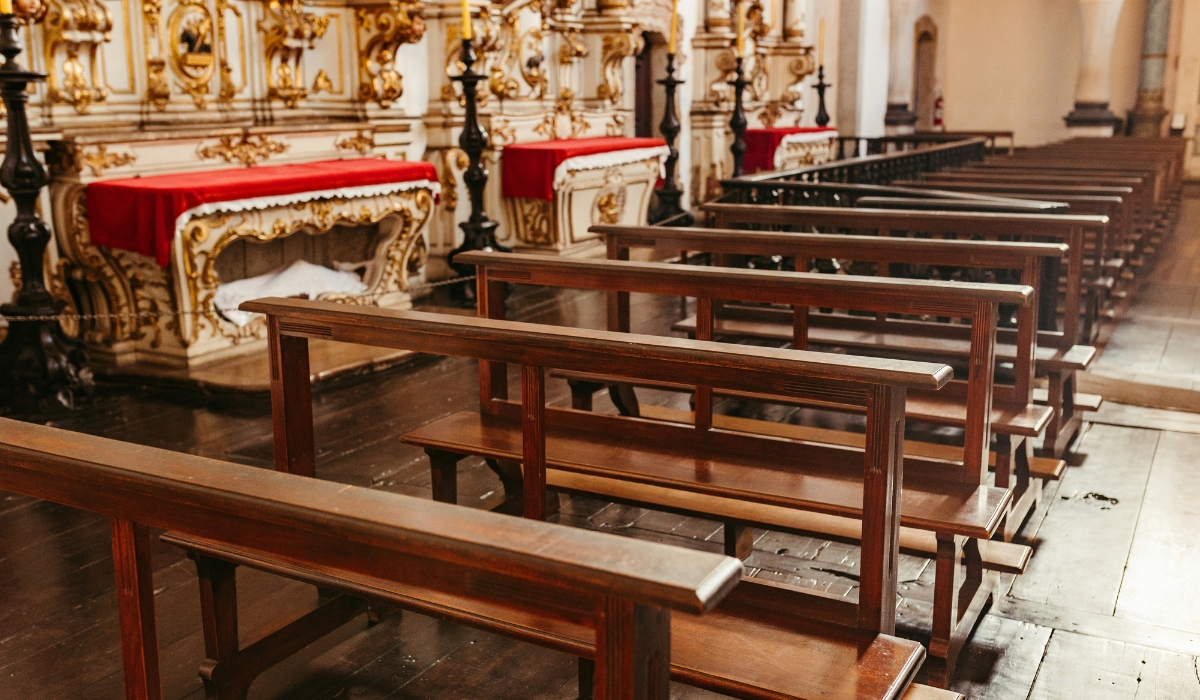
Walk into almost any historic church in New York City, and you’ll see it immediately. Rows of wooden pews have held decades of congregations, worn smooth in places, faded in others, and quietly carried the story of the space.
But behind that character is a growing reality. NYC churches are under pressure to meet modern standards for accessibility, fire safety, and building compliance without losing what makes their interiors meaningful in the first place.
That is where church pew refinishing becomes more than cosmetic. It is a practical way to restore aging wood, improve durability, and adjust layouts while meeting ADA requirements, fire codes, and landmark regulations.
What’s In This Guide
- Why Church Pew Refinishing Matters for NYC Churches
- What Are Church Pews Made Of?
- NYC Code Issues To Review Before Refinishing Church Pews
- How To Refinish Historic Church Pews in NYC
- How To Clean Church Pews Between Refinishing Projects
- How To Weatherproof a Church Pew Without Damaging Historic Wood
- Refinishing vs. Refurbishing vs. Restoration vs. Replacement
- Frequently Asked Questions (FAQs)
- Ready To Refinish Your Church Pews? Here’s Where To Begin
Quick Facts
- Church pew refinishing preserves historic seating and improves durability.
- Identify the pew material before sanding, staining, or sealing.
- Review ADA, fire safety, egress, and landmark rules before layout changes.
- Regular cleaning helps extend the finish’s life.
- Evaluate historic pews before replacing them.
Why Church Pew Refinishing Matters for NYC Churches
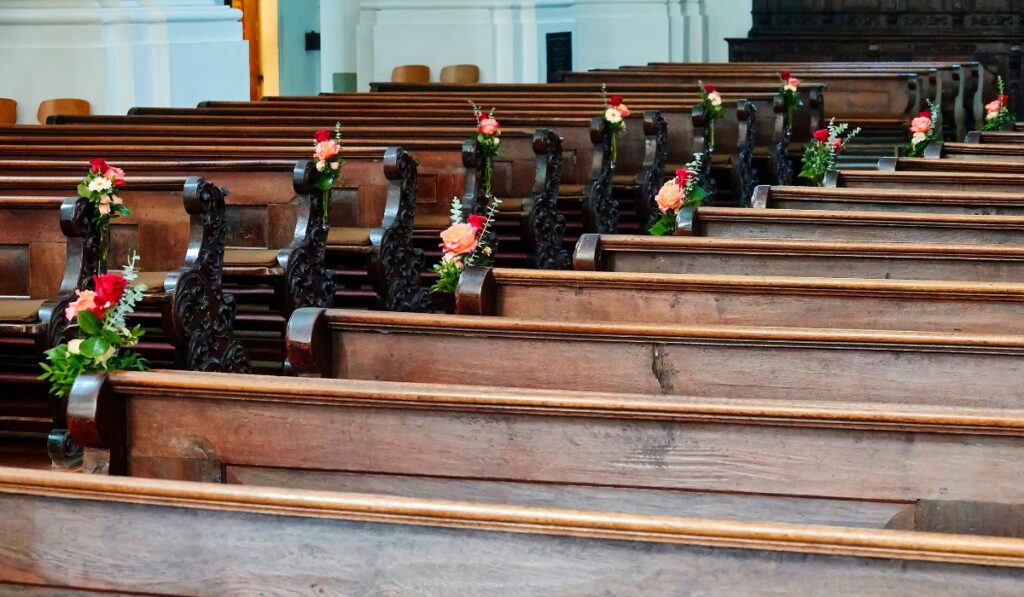
NYC churches often face two needs at once:
- Preserve historic pew seating
- Meet modern building, accessibility, and fire-safety standards
That is where church pew refinishing becomes useful. Instead of replacing original seating, churches can restore worn wood, repair damage, improve durability, and make layout updates where needed.
For many NYC churches, pew refinishing is not just about appearance. It can also support:
- ADA-accessible seating
- Safer aisle flow
- Better fire-code planning
- Landmark-sensitive preservation
- Longer life for historic woodwork
NYC places of assembly, including churches, must consider seating layout, exits, occupant load, accessibility, and fire protection.
What Are Church Pews Made Of?
Before starting any church pew refinishing project, churches need to answer a basic question: What are church pews made of?
Most traditional church pews are made from hardwoods such as:
- Oak
- Maple
- Cherry
- Walnut
- Mahogany
Some pews may also include:
- Veneered panels
- Upholstered seats or cushions
- Kneelers
- Metal floor anchors
- Book racks or hymn holders
Knowing what church pews are made of matters because each material reacts differently to sanding, staining, cleaning, and sealing.
For example:
- Oak absorbs stain differently from maple
- Veneer can be damaged by aggressive sanding
- Old finishes may need testing before removal
- Historic wood should be preserved whenever possible
Wood can often be identified by grain pattern, color, and structure.
Some churches also use church pew bunkers or under-pew storage, which should be evaluated before refinishing or layout changes.
NYC Code Issues To Review Before Refinishing Church Pews
Church pew projects should not focus only on sanding and staining. In NYC, seating can affect safety and compliance.
Before work begins, review the code issues most likely to affect seating, access, and safety.
Assembly Seating and Egress
Churches are considered places of assembly. That means seating must support safe movement and emergency exit access.
Review:
- Aisle widths
- Exit paths
- Row spacing
- Occupant load
- Travel distance to exits
- Fixed seating anchors
If pews are removed, shortened, or reinstalled, the layout should still allow safe circulation.
ADA Accessibility
Accessibility is a major issue when pew layouts change.
Churches may need to consider:
- Wheelchair seating locations
- Companion seating
- Accessible routes from entrances
- Clear floor space
- Seating that does not block circulation paths
The ADA Standards apply when alterations affect usability. The U.S. Access Board also states that wheelchair spaces cannot overlap circulation paths.
Fire Safety
Fire safety should also guide the refinishing plan.
Review:
- Finish materials
- Upholstery
- Cushions
- Storage under or near pews
- Exit access
- Fire protection systems
The NYC Fire Code applies throughout the city. Low-VOC finishes may also help protect indoor air quality. Paints, solvents, wood preservatives, and coatings are common sources of VOCs.
Landmark and Historic Preservation Rules for NYC Churches
Many NYC churches are landmarks or are located in historic districts.
Before changing pews, check whether the church is:
- An individual landmark
- In a historic district
- Subject to interior landmark rules
- Required to obtain Department of Buildings permits
The NYC Landmarks Preservation Commission may require permits for certain alterations.
Best practices include:
- Confirm landmark status early
- Photograph existing pews
- Measure pew locations and spacing
- Preserve original materials where possible
- Avoid irreversible changes without review
For historic sanctuaries, church pew refinishing should protect original character while allowing responsible updates.
Even practical additions, such as church pew bunkers or under-pew storage, should be reviewed if they affect circulation, access, or the original seating layout.
How To Refinish Historic Church Pews in NYC
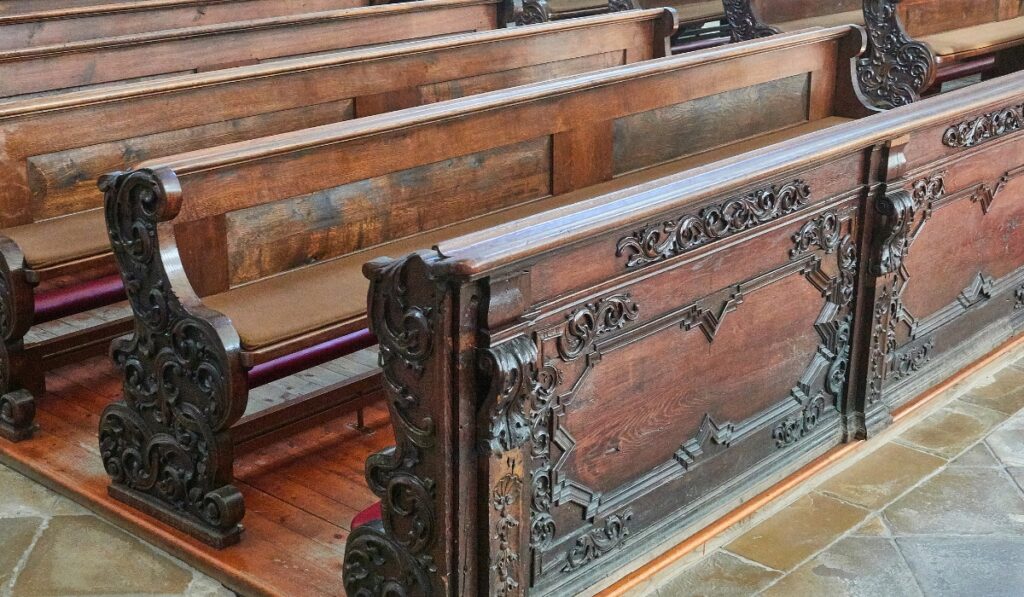
A careful process helps churches avoid damage, delays, and compliance problems.
Step 1: Inspect the Pews
Start with a full condition review so the refinishing plan is based on the pews’ actual age, structure, and level of wear.
Look for:
- Loose joints
- Cracks
- Worn finish
- Water stains
- Sticky coatings
- Damaged kneelers
- Missing trim
- Weak anchors
Also, confirm what church pews are made of before choosing products or repair methods.
Step 2: Document the Existing Layout
Accurate documentation protects the church if pews need to be removed, shortened, shifted, or reinstalled later.
Before removing or moving pews, record:
- Pew length
- Row spacing
- Aisle width
- Anchor locations
- Wheelchair seating areas
- Exit access routes
Take photos from multiple angles.
Step 3: Test the Finish
Historic pews can react unpredictably to cleaners, strippers, stains, and sanding, so testing helps prevent visible damage.
This helps determine:
- How old finish reacts
- Whether stain can be matched
- How much sanding is safe
- Whether veneer is present
Step 4: Make Repairs First
Structural and detail repairs should be completed before surface work so the final finish is applied to stable, properly prepared wood.
Common repairs include:
- Regluing joints
- Replacing missing pieces
- Tightening hardware
- Repairing kneelers
- Stabilizing pew ends
- Securing anchors
Step 5: Sand, Stain, and Seal
This stage should improve durability while keeping the pews visually consistent with the sanctuary’s historic character.
Consider:
- Matching the original stain tone
- Using durable finishes for high-touch areas
- Choosing low-odor products when services continue
- Avoiding overly glossy finishes if they clash with historic interiors
Step 6: Reinstall With Code in Mind
Reinstallation should be handled as both a craftsmanship step and a safety review, especially in NYC assembly spaces.
After refinishing, confirm that pews:
- Are securely anchored
- Do not block exits
- Preserve aisle clearance
- Allow accessible seating
- Do not interfere with fire-safety equipment
This keeps church pew refinishing focused on both long-term use and preservation.
How To Clean Church Pews Between Refinishing Projects
Knowing how to clean church pews helps protect the finish and reduce long-term wear.
Use a simple routine:
- Dust weekly with a microfiber cloth
- Wipe spills quickly
- Use mild soap and water only when needed
- Avoid soaking the wood
- Dry the surface immediately
- Avoid abrasive pads
- Avoid harsh solvents unless approved for the finish
For upholstered pews:
- Vacuum gently
- Blot stains instead of rubbing
- Follow fabric-specific cleaning instructions
- Check fire-rating requirements before replacing fabric
A practical maintenance schedule:
- Weekly: Dust and spot clean
- Monthly: Inspect high-touch areas
- Yearly: Check anchors, kneelers, finish wear, and loose joints
Understanding how to clean church pews can delay the need for major refinishing and help pews last longer.
How To Weatherproof a Church Pew Without Damaging Historic Wood
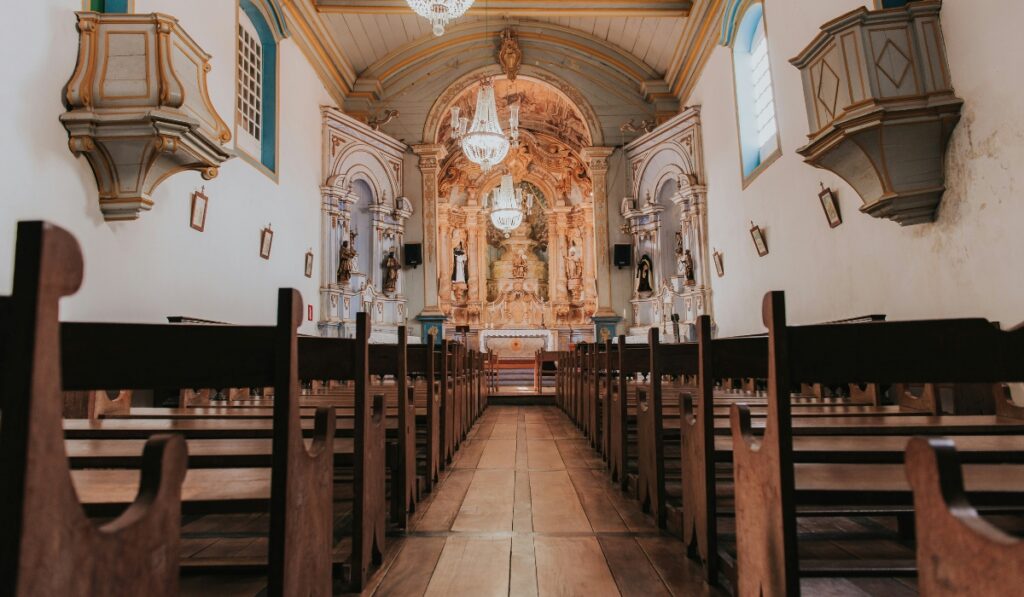
Many churches ask how to weatherproof a church pew, especially when pews are near entrances, vestibules, or outdoor chapel areas.
For most sanctuary pews, weatherproofing means moisture protection, not outdoor coating.
Focus on:
- Stable indoor humidity
- Prompt leak repairs
- Moisture-resistant interior finishes
- Protection during construction
- Floor mats near entrances
- Keeping pews away from standing water
Avoid:
- Outdoor deck sealers on historic indoor pews
- Heavy coatings that trap moisture
- Storing pews in damp basements
- Using exterior products without material testing
For temporary outdoor use:
- Use exterior-rated protection when appropriate
- Keep pew legs off wet ground
- Cover pews during bad weather
- Store them indoors after use
Knowing how to weatherproof a church pew helps prevent swelling, cracking, staining, and finish failure.
Refinishing vs. Refurbishing vs. Restoration vs. Replacement
These terms are often used interchangeably, but they describe different levels of work. Choosing the right approach helps churches protect historic pews, control costs, and match the work to the pews’ condition.
Refinishing
Refinishing is best for pews that are structurally sound but have worn surfaces. It focuses on restoring the wood’s appearance and protection.
It may include:
- Cleaning
- Sanding
- Stain matching
- Sealing
- Protective finish application
Choose refinishing when pews have scratches, fading, a dull finish, minor stains, or exposed wood in high-touch areas.
Refurbishing
Refurbishing includes refinishing plus small functional updates. It is useful when pews need both visual improvement and minor repairs.
It may include:
- Cushion replacement
- Kneeler repair
- Hardware updates
- Book rack repair
- Minor wood repairs
- Anchor adjustments
Choose refurbishing when pews are still usable but have worn upholstery, loose components, or comfort issues.
Restoration
Restoration is best for historic, landmark-sensitive, or architecturally significant pews. The goal is to preserve original character, not make the pews look brand new.
It focuses on:
- Preserving original materials
- Matching historic finishes
- Repairing instead of replacing
- Retaining carved details
- Using compatible materials
- Documenting existing conditions
For NYC churches in landmarked buildings or historic districts, restoration is often the most appropriate approach because it protects historic integrity while allowing careful repairs.
Replacement
Replacement is usually the last option. It may be necessary when pews are unsafe or too damaged to repair.
Replacement may be needed when:
- Structural damage is severe
- Fire or water damage is extensive
- Wood is rotted or unstable
- Anchors no longer hold securely
- Layout changes are too significant
For many NYC churches, refinishing or restoration should be considered first because both preserve the sanctuary’s character while supporting safety, comfort, and code compliance.
Frequently Asked Questions (FAQs)
How long does church pew refinishing usually take?
The timeline depends on the number of pews, their condition, finish type, and whether repairs are needed. Smaller projects may be completed in phases, while larger sanctuaries often require a planned schedule around services, events, and drying times.
Can church pews be refinished while the church stays open?
Yes, but it requires careful planning. Many churches phase the work by section, schedule refinishing during off-hours, or temporarily relocate seating. Dust control, ventilation, odor, and curing time should be considered before work begins.
Should pews be refinished on-site or off-site?
Both options can work. On-site refinishing may reduce moving and transport needs, while off-site refinishing can allow better dust control, workspace access, and curing conditions. The right choice depends on pew size, removability, building access, and project scope.
What finish is best for high-traffic church pews?
Durable clear coats are typically used because pews experience frequent contact from hands, clothing, bags, and cleaning. The finish should balance durability, appearance, low odor, and compatibility with the existing wood and stain.
Can historic pews be modified for accessibility?
Yes, but changes should be planned carefully. Some pews may be shortened, removed, or repositioned to create wheelchair spaces and companion seating while preserving the sanctuary’s overall character.
Ready To Refinish Your Church Pews? Here’s Where To Begin
For churches ready to move forward, an experienced team can help prevent costly mistakes and keep the project aligned with preservation goals and NYC code requirements.
Artech Church Interiors, Inc. provides specialized support in church pew refinishing, restoration, and interior upgrades, helping churches preserve their spaces while planning for long-term use.