
What’s In This Guide
- Why Do Churches in NYC Choose Church Pew Restoration Instead of Replacement?
- How Churches Preserve Historic Pews Without Interrupting Services
- What Makes Historic Church Pews Worth Preserving
- Signs Church Pews Need Refinishing or Repair
- Unique Challenges of Church Pew Refurbishing in NYC
- Frequently Asked Questions
- Start Planning Your Church Pew Restoration Project in NYC
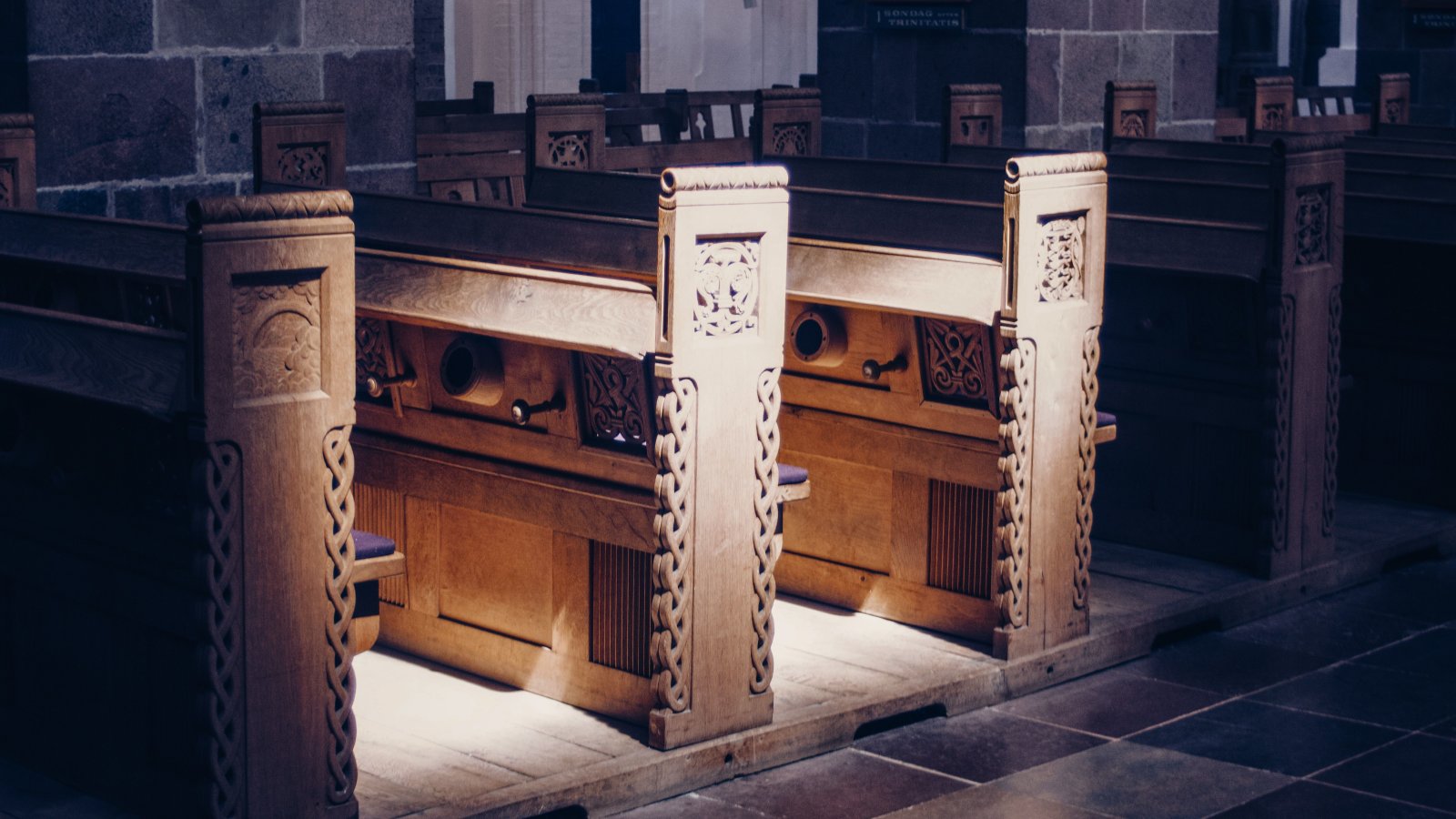
Church pew restoration projects require careful planning to balance historic preservation with the ongoing needs of an active congregation.
From evaluating existing seating to coordinating work around worship schedules, each phase plays a role in maintaining church operations while restoring valuable architectural features. A structured approach can help minimize disruptions, protect historic materials, and ensure a smooth restoration process.
Here are the key steps NYC churches take to restore historic pews without disruption.
Quick Facts
- Church pew restoration preserves historic seating while extending its usable life.
- Refinishing can repair worn pews without requiring full replacement.
- Phased restoration helps churches continue services during the project.
- Careful removal and reinstallation protect pews and church interiors.
- NYC church projects need planning for access, schedules, and preservation.
Why Do Churches in NYC Choose Church Pew Restoration Instead of Replacement?
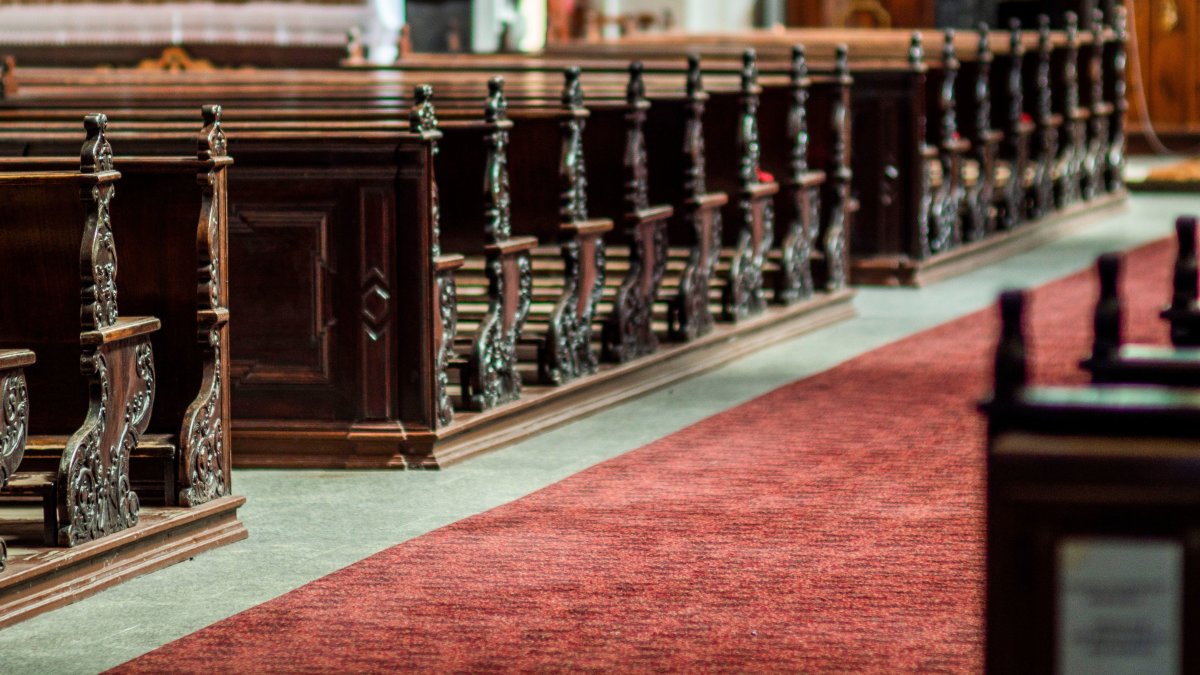
Church pew restoration preserves historic craftsmanship, reduces project costs, and minimizes disruption compared to full replacement. Many NYC churches contain original woodwork that contributes to architectural and historical value.
Church pew restoration commonly provides several advantages:
|
Restoration |
Replacement |
|
Preserves historic character |
Alters original appearance |
|
Lower material waste |
Higher disposal requirements |
|
Shorter project timelines |
Longer procurement timelines |
|
Retains original craftsmanship |
Requires new manufacturing |
|
Often lower overall cost |
Higher capital expenditure |
According to the U.S. Environmental Protection Agency, extending the useful life of existing materials reduces construction waste and supports sustainable building practices. Historic preservation organizations also encourage repair and restoration whenever feasible before replacement.
How Can You Tell If Church Pews Need Refinishing Rather Than Full Replacement?
Sound structural integrity usually makes refinishing a practical alternative to replacement.
|
Condition |
Refinishing Appropriate? |
|
Worn finish |
Yes |
|
Surface scratches |
Yes |
|
Minor cracks |
Yes |
|
Loose hardware |
Yes |
|
Severe structural failure |
Further evaluation required |
|
Extensive rot |
Further evaluation required |
What Types of Damage Can Historic Church Pew Repair Address?
Most cosmetic and moderate structural damage can be repaired during restoration.
Common repairs include:
|
Damage Type |
Restoration Solution |
|
Scratches |
Sanding and refinishing |
|
Gouges |
Wood filling and blending |
|
Loose joints |
Refastening and reinforcement |
|
Water stains |
Surface restoration |
|
Finish failure |
Complete refinishing |
|
Minor cracks |
Structural repair |
How Churches Preserve Historic Pews Without Interrupting Services
Assess Existing Church Pew Conditions
A thorough assessment helps determine the scope of restoration work and identifies issues that could affect project timelines, costs, and preservation requirements.
- Surface Finish Evaluation: Inspect wood finishes for fading, discoloration, scratches, worn areas, and finish failure caused by decades of use.
- Structural Integrity Review: Examine frames, supports, end panels, and connections for loose joints, movement, or signs of long-term wear.
- Damage Documentation: Record cracks, gouges, water stains, missing components, and other visible damage that requires repair.
- Historic Feature Identification: Identify original carvings, decorative details, and unique architectural elements that should be preserved throughout the restoration process.
- Accessibility and Safety Assessment: Evaluate seating stability, aisle clearances, and potential safety concerns that may need attention during the project.
Develop a Phased Restoration Schedule
A phased approach allows churches to continue regular worship services while restoration work progresses in manageable sections.
- Sanctuary Section Planning: Divide seating areas into phases so only a portion of the pews is removed at one time.
- Service Calendar Coordination: Schedule work around worship services, weddings, funerals, holidays, and other major church events.
- Weekday Work Windows: Perform removal, delivery, and installation activities during periods when the building experiences lower occupancy.
- Congregation Capacity Management: Maintain sufficient seating throughout the project to accommodate regular attendance levels.
- Project Milestone Scheduling: Establish clear timelines for removal, restoration, reinstallation, and inspection activities.
Remove and Transport Pews for Restoration
Proper removal and transportation procedures help protect both the pews and the church interior.
- Pew Identification and Labeling: Number and document each pew to ensure accurate reinstallation after restoration is complete.
- Careful Disassembly Procedures: Remove pews using methods that minimize stress on historic wood components and building finishes.
- Building Protection Measures: Cover flooring, walls, columns, and architectural features to prevent accidental damage during removal.
- Access Route Planning: Coordinate movement through narrow aisles, stairways, entrances, and loading areas commonly found in older NYC churches.
- Secure Transportation and Storage: Protect pews from moisture, impact damage, and environmental exposure while off-site restoration work is performed.
Install Temporary Seating for Churches
Temporary seating for churches helps maintain normal church operations while pews are being restored.
- Flexible Seating Arrangements: Configure temporary seating layouts to support worship services, special events, and community gatherings.
- Capacity Preservation: Maintain adequate seating availability for congregants throughout each project phase.
- Accessible Seating Options: Incorporate seating arrangements that support accessibility requirements and ease of movement.
- Worship Flow Considerations: Position temporary seating for churches to preserve sightlines, aisle access, and functional use of the sanctuary.
- Adaptable Layout Adjustments: Modify seating configurations as restoration phases progress and restored pews return to service.
Restore and Refinish Historic Church Pews
The restoration process focuses on preserving original craftsmanship while improving appearance and durability.
- Wood Surface Preparation: Remove accumulated dirt, old finishes, and surface imperfections before refinishing begins.
- Historic Church Pew Repair: Address cracks, loose joints, damaged components, and minor structural issues while preserving original materials whenever possible.
- Detail Preservation Work: Protect decorative carvings, end panels, moldings, and other architectural features during restoration.
- Color and Finish Matching: Select stains and finishes that complement the church’s existing woodwork and historic character.
- Protective Finish Application: Apply durable coatings designed to withstand regular use while enhancing the natural appearance of the wood.
Reinstall and Inspect Restored Pews
Reinstallation returns the sanctuary to full functionality while ensuring restored seating meets quality and safety standards.
- Precise Pew Placement: Return each pew to its original location using documentation created during removal.
- Alignment and Spacing Verification: Confirm consistent spacing, aisle dimensions, and seating layout throughout the sanctuary.
- Hardware and Fastener Inspection: Check mounting systems, connections, and support components for stability and proper installation.
- Finish Quality Review: Inspect restored surfaces for consistency, color accuracy, and workmanship quality.
- Final Safety Evaluation: Verify seating stability, structural performance, and readiness for regular congregational use.
➤ ALSO READ: How to Pick Chapel Chairs for Comfort, Durability, and Design
What Makes Historic Church Pews Worth Preserving
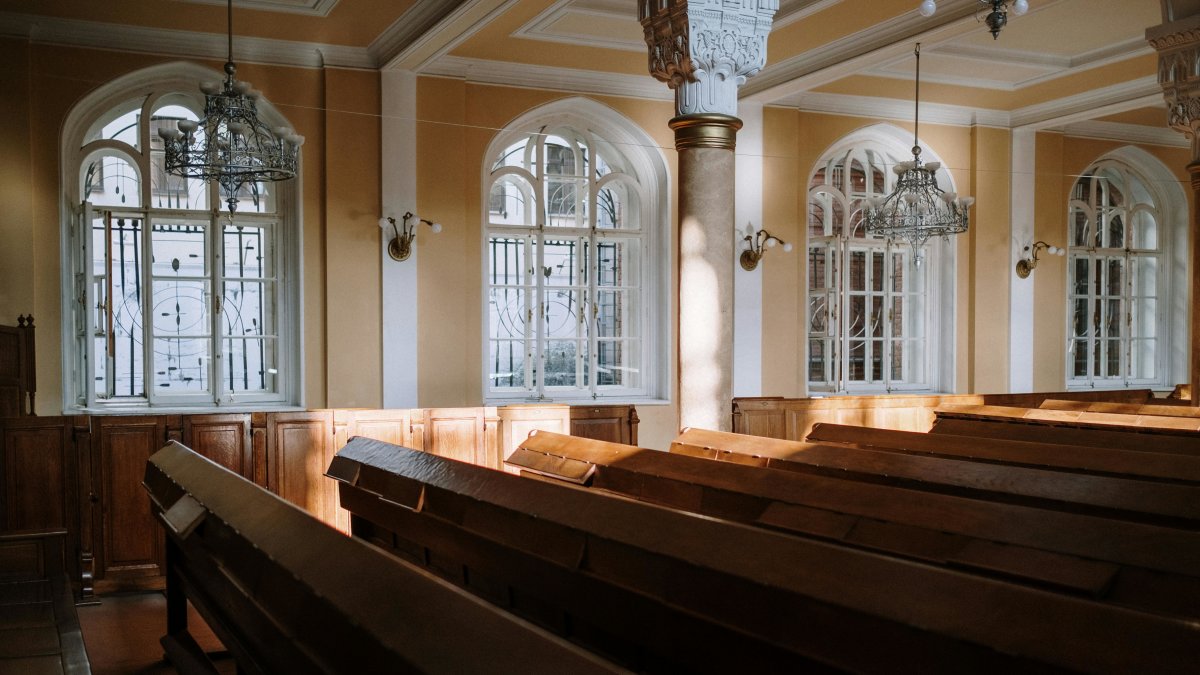
Historic church pews are worth preserving because they often contain craftsmanship, materials, and architectural details that are difficult or expensive to reproduce today. In many NYC churches, original pews are part of the building’s historic identity, not just functional seating.
Solid Hardwood Construction
Many historic church pews were built from durable hardwoods designed for decades of use. Refinishing can restore the wood surface while preserving the strength and character of the original material.
Hand-Crafted Joinery
Older pews often include traditional joinery and construction methods that reflect skilled craftsmanship. Preserving these details helps maintain the authenticity of the sanctuary.
Custom Carvings and Decorative Details
Historic pews may include carved ends, shaped backs, decorative rails, or custom profiles. Restoration protects these design elements while improving the pews’ appearance and usability.
Original Architectural Integration
Church pews are often designed to match the sanctuary’s layout, flooring, altar sightlines, and interior woodwork. Keeping the original pews helps preserve the visual harmony of the worship space.
Congregational and Community Heritage
Pews can carry generations of community history. For many congregations, restoration preserves a meaningful connection to past worshippers while making the seating suitable for continued use.
Signs Church Pews Need Refinishing or Repair
Church pews may need refinishing or repair when the wood surface, finish, structure, or seating components show visible wear. Early restoration helps prevent minor damage from becoming larger structural or safety issues.
Faded Stain or Finish
A faded finish can make church pews look dull, uneven, or aged. Refinishing restores the color, protects the wood, and improves the overall appearance of the sanctuary.
Splintering Wood
Splintering wood can create discomfort and safety concerns for worshippers. Repairing and refinishing the surface helps smooth rough areas and protect the pews from further deterioration.
Loose Joints
Loose joints may cause pews to shift, creak, or feel unstable. Structural repair can reinforce the pews and help restore safe, steady seating.
Worn Kneelers
Worn kneelers can affect comfort, accessibility, and worship use. Repair or replacement of kneeler components may be included as part of a broader pew restoration project.
Cracks and Gouges
Cracks, dents, and gouges reduce both appearance and durability. Restoration can fill, sand, and blend damaged areas so the pews look more consistent.
Water Damage
Water stains, swelling, or dark marks may signal moisture exposure. A professional evaluation can determine whether surface refinishing is enough or deeper repair is needed.
Uneven Seating Surfaces
Uneven seating can indicate worn wood, loose supports, or long-term structural stress. Repairing the affected areas helps improve comfort and stability for regular church use.
Unique Challenges of Church Pew Refurbishing in NYC
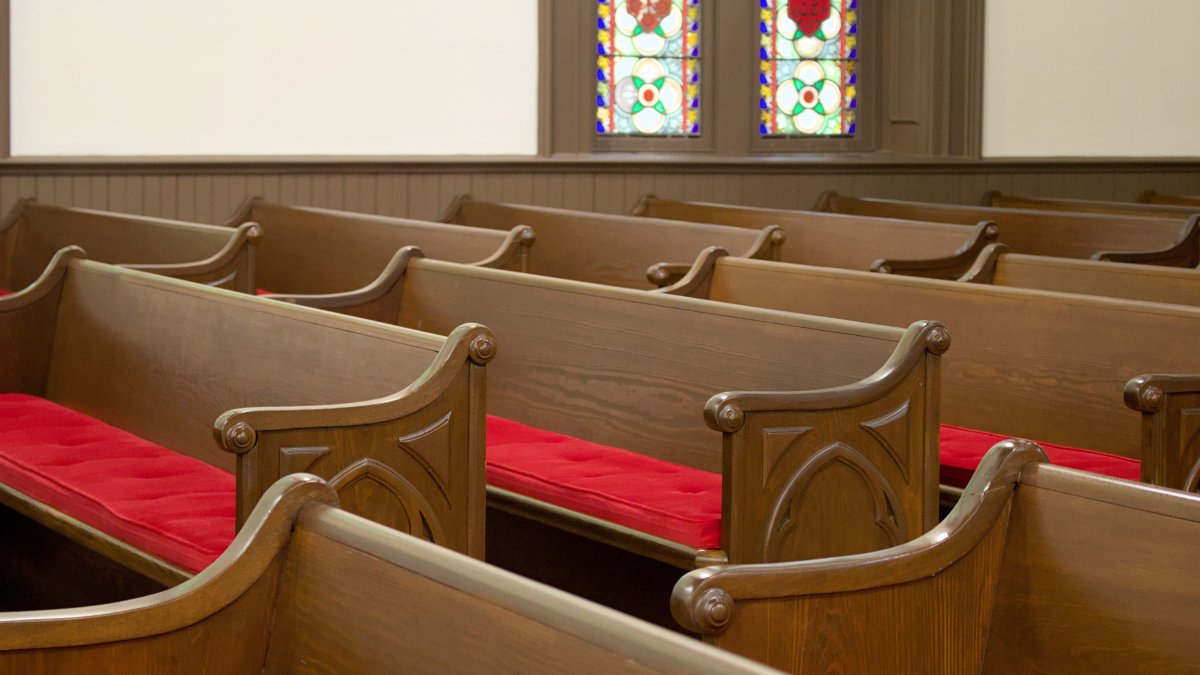
NYC churches face unique logistical challenges involving access restrictions, historic buildings, and active service schedules.
Common NYC project challenges include:
- Dense urban environments
- Limited loading areas
- Landmark-designated structures
- Narrow entrances
- Multi-story buildings
- Active weekly worship schedules
Frequently Asked Questions
How often should church pews be refinished?
Church pews should be refinished when the finish looks faded, scratched, worn, or uneven. High-use churches may need refinishing sooner. Regular inspections help identify wear before damage worsens.
What factors affect the condition of church pews over time?
Daily use, moisture, sunlight, humidity changes, and aging finish affect pew condition. Heavy traffic can wear down seating surfaces faster. Moisture and temperature changes can also cause wood movement.
Is it possible to restore only a portion of the church pews?
Yes, churches can restore selected pews or sections first. Partial restoration works well for high-use areas or phased projects. This approach can also help reduce disruption.
What should churches do before starting a pew restoration project?
Churches should inspect pew condition, define project goals, and review service schedules. Leaders should also note visible damage, seating needs, and any historic features that need preservation.
Can church pew restoration be combined with other sanctuary improvements?
Yes, pew restoration can be planned with flooring, painting, lighting, or other sanctuary updates. Coordinating related work can reduce repeated disruptions and help the finished space look consistent.
Start Planning Your Church Pew Restoration Project in NYC
Restoring historic church pews requires more than refinishing wood surfaces. Successful projects depend on careful scheduling, preservation-focused planning, and strategies that keep worship services and church activities running smoothly throughout the restoration process. Artech Church Interiors works with churches to develop restoration plans that respect architectural heritage while addressing the practical needs of active congregations.
Whether your project involves historic church pew repair, coordinated pew removal and reinstallation, or phased restoration designed around service schedules, our team can help evaluate your seating and recommend the most effective path forward.