
What’s in This Guide
- 7 Warning Signs Your Church Steeple or Tower Needs Repair
- What Happens When Steeple Damage Is Ignored
- How to Inspect Your Church Steeple: A Step-by-Step Guide for Building Committees
- Repair vs. Restoration vs. Rebuilding: How Congregations Decide
- What Does Steeple and Tower Repair Cost in New Jersey?
- Frequently Asked Questions
- Ready to Have Your Church Steeple Inspected Before the Next Storm Season?
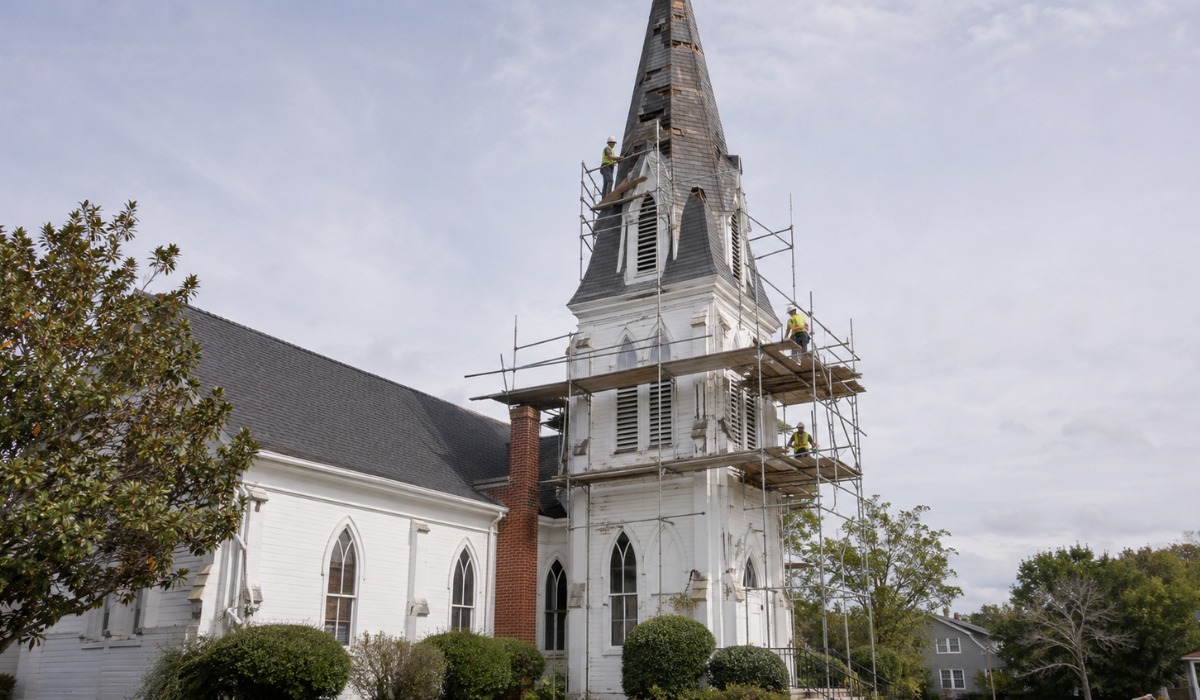
The steeple is the most weather-exposed part of a church building, and in New Jersey it takes the full force of nor'easters, coastal storms, and winter freeze-thaw cycles.
Because towers sit far above eye level, damage often goes unnoticed until water reaches the sanctuary or masonry starts to fall. Knowing the early warning signs helps building committees plan repairs before small problems become structural ones.
Quick Facts
- Steeples and towers deteriorate faster than the rest of a church building because of constant wind, rain, ice, and sun exposure at height.
- New Jersey’s freeze-thaw winters and coastal storms accelerate masonry cracking, mortar loss, and wood rot in church towers.
- Interior water stains usually mean the exterior envelope failed months earlier, so leaks deserve prompt professional attention.
- Building committees can complete ground-level and interior inspections safely, but anything above ladder height requires professional access equipment.
- Church renovation companies in NJ with sacred-space experience assess damage progression before recommending repair, restoration, or rebuilding.
7 Warning Signs Your Church Steeple or Tower Needs Repair
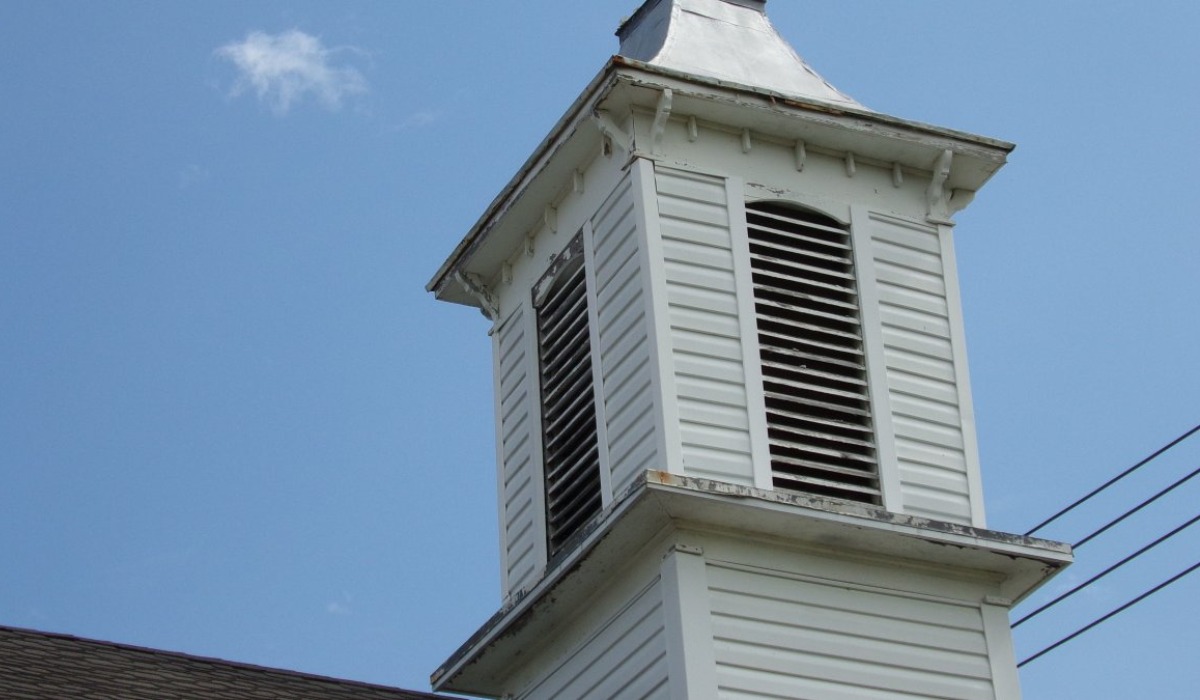
The most reliable warning signs are water stains inside the tower, cracked or spalling masonry, soft wood, visible lean, damaged roofing or flashing, failing louvers, and falling debris. Any one of these signals justifies a closer look. Two or more usually mean active deterioration.
1. Water Stains or Leaks Inside the Tower or Sanctuary
Interior staining is a late-stage symptom, not an early one. By the time water damage appears inside a church building, the exterior envelope has often been leaking for months. Check tower stairwells, bell chambers, and ceiling areas below the steeple for yellow or brown stains, damp plaster, peeling paint, or musty odors after storms.
2. Cracked, Spalling, or Displaced Masonry
Masonry problems tend to follow recognizable patterns:
- Hairline cracks often reflect normal aging but should be monitored.
- Stair-step cracks along mortar joints suggest settlement or movement.
- Spalling, where brick or stone faces flake off, points to trapped moisture and freeze-thaw damage.
- Open or crumbling mortar joints invite water into the wall itself.
The National Park Service describes the mortar joint as a masonry wall’s first line of defense, which is why timely masonry repair and repointing with compatible mortar matter so much on historic towers.
3. Rotted or Softened Wood Framing and Trim
Wood rot hides in belfries, louvers, cornices, and sills where water lingers. Peeling or blistering paint is often the first visible clue that moisture is moving through the wood beneath. Soft spots, dark staining, or crumbling trim indicate decay that will spread into framing if the water source is not corrected.
4. Leaning, Tilting, or Visible Movement
A steeple should appear plumb from the street. Any visible lean, twist, or separation where the tower meets the roofline suggests failing anchorage or compromised framing. Movement is a safety issue, not just a maintenance issue, and calls for a structural assessment before the next major storm season.
5. Damaged or Missing Roofing, Flashing, or Cladding
Flashing failure is the most common leak entry point on steeples. Slipped slate, lifted shingles, split copper seams, or gaps where the spire meets the tower all channel water into the structure. After high-wind events, scan the steeple with binoculars for missing or displaced pieces.
6. Deteriorated Louvers, Windows, and Pest Intrusion
Belfry louvers are designed to shed rain while venting the tower. When slats rot, sag, or go missing, wind-driven rain and birds both get in. Accumulated droppings hold moisture against wood and masonry and accelerate decay, so pest intrusion is a building problem as much as a nuisance.
7. Falling Debris or Loose Ornamental Elements
Fragments of mortar, slate, or stone on walkways below the tower mean deterioration has reached an advanced stage. Loose crosses, finials, weathervanes, and coping stones present an immediate risk above entries and sidewalks. Cordon off the area and arrange a professional inspection right away.
What Happens When Steeple Damage Is Ignored
Deferred steeple repairs rarely remain limited to the original problem. Minor exterior damage can allow moisture to spread into masonry, wood framing, and structural connections.
- Moisture spreads behind the surface: A small flashing gap can saturate masonry and concealed materials.
- Freeze-thaw cycles worsen deterioration: Trapped water may break down mortar and brick from within.
- Wood and metal components weaken: Wet framing can rot, while fasteners and structural connections may corrode.
- Repair needs become more extensive: A targeted repair may eventually require stabilization, reinforcement, or partial dismantling.
- Project costs increase: Early work may involve repointing or flashing repairs, while advanced damage can require scaffolding, historic material replication, structural work, and crane access.
- Falling materials create safety concerns: Loose masonry or decorative components may pose risks near entrances, sidewalks, and parking areas.
READ MORE: Why Do Churches Have Steeples and What Do They Represent?
How to Inspect Your Church Steeple: A Step-by-Step Guide for Building Committees
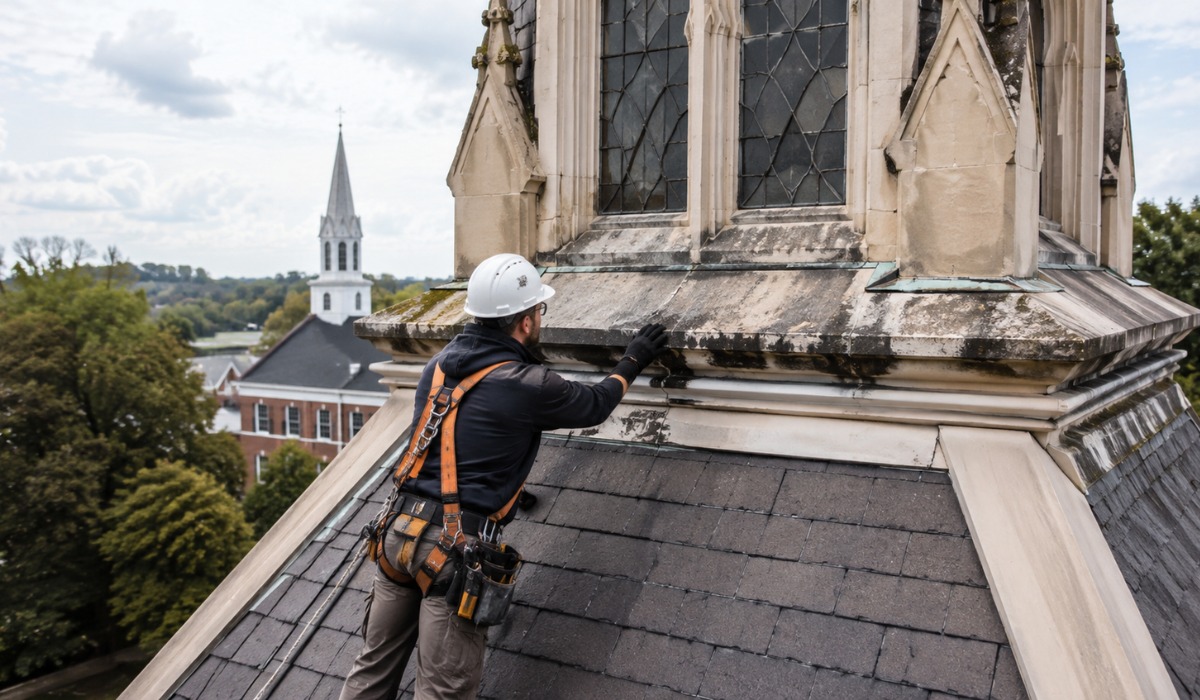
Committees can safely handle ground-level and interior checks, then bring in professionals for anything at height. A simple seasonal routine catches most problems early.
Step 1: Walk the Perimeter After Major Storms
Circle the building and look up with binoculars. Note missing slate or shingles, displaced flashing, new cracks, and any debris on the ground below the tower.
Step 2: Check Interior Tower Spaces for Moisture and Daylight
From inside the tower or attic, look for water stains, damp surfaces, and daylight showing through joints or roofing. Daylight where none belongs means water gets in too.
Step 3: Photograph and Document Changes Over Time
Date-stamped photos of cracks, stains, and trim condition create a baseline. Comparing images season to season shows whether damage is stable or advancing, which shapes repair priorities.
Step 4: Review Gutters, Flashing, and Drainage from the Ground
Clogged gutters and overflowing downspouts push water into walls at the tower base. Confirm that drainage moves water away from the foundation and that visible flashing lines look continuous.
Step 5: Schedule a Professional Assessment for Anything Above Ladder Height
Committee members should never climb a steeple. Towers require rigging, lifts, or steeplejack access, along with the training to evaluate structural conditions safely. If any warning sign appears in Steps 1 through 4, a professional close-up inspection is the correct next move.
Repair vs. Restoration vs. Rebuilding: How Congregations Decide
The right approach depends on how far deterioration has progressed and how much original material can be saved. Targeted repair fits isolated damage. Church tower restoration in New Jersey fits widespread but recoverable deterioration on historic structures. Rebuilding fits severe structural failure.
|
Factor |
Repair |
Restoration |
Rebuilding |
|---|---|---|---|
|
Damage extent |
Isolated, localized |
Widespread but recoverable |
Severe structural failure |
|
Original materials |
Mostly intact |
Deteriorated but salvageable |
Beyond safe reuse |
|
Historic value |
Preserved by default |
Central goal of the work |
Replicated where required |
|
Typical scope |
Flashing, joints, trim |
Repointing, cladding, framing renewal |
Partial or full reconstruction |
For landmarked or register-listed churches, exterior church restoration work generally follows the Secretary of the Interior’s Standards, which favor retaining and repairing original materials over replacement wherever conditions allow. A qualified assessment tells the committee which category the tower actually falls into, rather than guessing from the ground.
What Does Steeple and Tower Repair Cost in New Jersey?
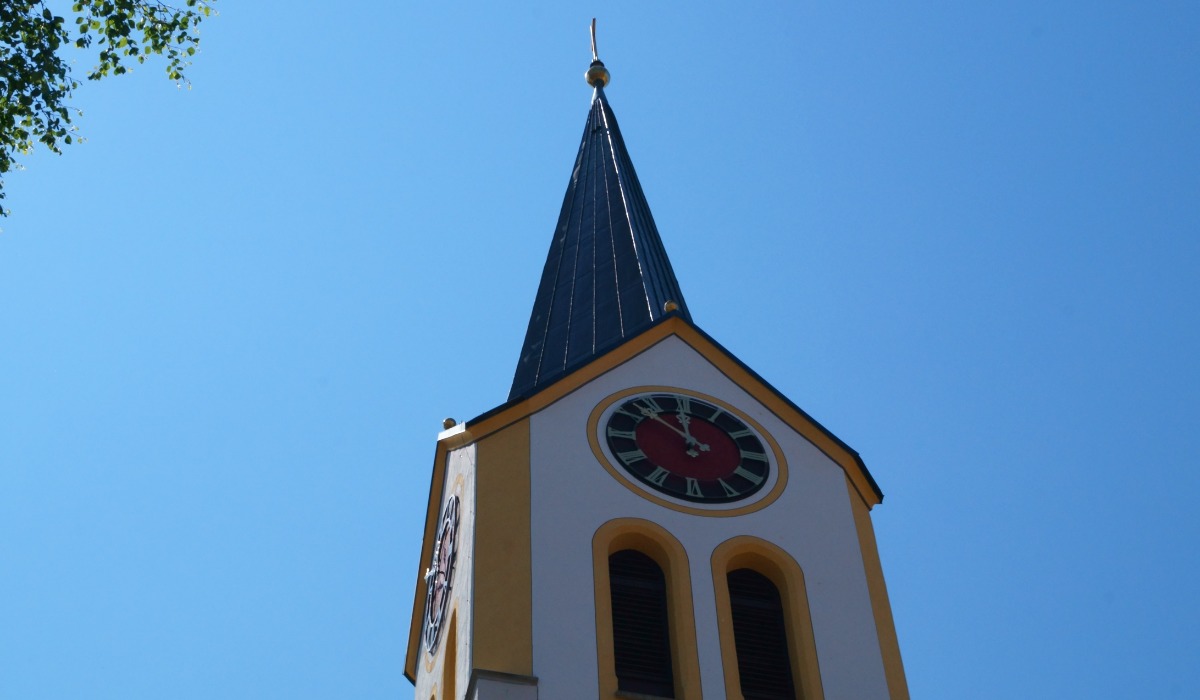
Steeple and tower repair costs vary too widely for a single figure, so congregations should plan around ranges from a professional estimate rather than a fixed price. Depending on scope, projects may run from modest targeted repairs to substantial restoration budgets.
The main factors that shape an estimate include:
- Height and access, since scaffolding, lifts, or rigging drive a large share of project cost
- Extent of hidden damage, which often expands once cladding or trim is opened
- Materials, especially slate, copper, or replicated historic elements
- Structural work, such as framing reinforcement or anchorage repair
- Permits and preservation review for landmarked or register-listed buildings
One planning note worth knowing: the New Jersey Historic Trust administers matching grant programs that have supported capital preservation work at historic sites across the state, and some historic congregations have pursued this funding path for exterior projects.
An on-site assessment is the only reliable way to scope the work and the budget for a specific tower.
Frequently Asked Questions
How long does church steeple repair in New Jersey usually take?
The schedule depends on the height, access, materials, weather, and extent of hidden damage. A contractor can provide a more practical timeline after inspecting the tower and confirming the repair scope.
Can a church bell remain in place during tower restoration?
Sometimes, yes, but it depends on the bell, the supporting frame, and the work area. The restoration team may protect, secure, temporarily move, or remove components when access or structural work requires it.
Does insurance cover storm damage to a church steeple or tower?
Coverage depends on the policy, cause of damage, documentation, and maintenance history. Congregations should notify their insurer promptly and preserve inspection reports, photographs, and repair estimates.
Should lightning protection be inspected during exterior church restoration?
It may be appropriate to review the lightning protection system when work involves the steeple, roof, metal components, or grounding connections. Qualified specialists should handle any testing or changes.
Can church tower repairs be completed in phases?
Some projects can be divided into stabilization, moisture-control, masonry, carpentry, and finish phases. Church renovation companies in NJ can help prioritize urgent work while keeping later restoration needs in view.
Ready to Have Your Church Steeple Inspected Before the Next Storm Season?
Artech Church Interiors, Inc. is a fourth-generation restoration company serving worship spaces throughout New Jersey and the Northeast. Our team begins with an on-site assessment, documents existing conditions, and recommends repair or restoration work that preserves original historic materials where feasible. Scheduling can also be coordinated around worship services and congregation activities.
Contact Artech Church Interiors, Inc. to discuss your steeple or tower concerns and schedule an assessment.