
What’s In This Guide
- Why Historic Church Masonry in Boston Behaves Differently Than Modern Buildings
- What Is Lime Mortar and Why Does It Matter for Repointing?
- Why Do Mortar Hardness and Compatibility Matter So Much?
- Lime Mortar vs. Modern Mortar: A Side-by-Side Comparison
- Why Does Mortar Analysis Matter Before Repointing Begins?
- How Do Masons Match Color, Texture, and Joint Profiles?
- How Is a Historic Church Repointed the Right Way?
- What Should Church Committees Watch For Before Approving Repointing Work?
- Frequently Asked Questions
- Plan Your Church’s Masonry Restoration With Confidence
Many historic Boston churches were constructed with masonry materials and mortar systems that differ from those used in modern construction. When repointing work uses a mortar that is too hard or too impermeable for the surrounding masonry, damage can develop over time. This is why church restoration companies in Boston should evaluate the existing mortar and masonry before specifying a replacement mix. In many older buildings, that may mean a lime-rich mortar formulated to be compatible with the wall rather than a generic modern mix.
Quick Facts
- A good repointing job is meant to last at least 30 years and preferably 50 to 100 years, according to the National Park Service.
- Lime-rich mortar is generally more water-permeable than higher-Portland-cement mortar, allowing moisture to pass through joints rather than becoming trapped within the masonry.
- Designated Boston landmarks and properties within local historic districts typically require design review. The Boston Landmarks Commission reviews individual landmarks, while local historic district commissions review properties within their respective districts.
- The South End Landmark District standards require repointing to match the original mortar in color, texture, joint width, and profile.
- Mortar that is too hard, too impermeable, or both relative to the surrounding masonry can concentrate stress or moisture in the masonry units, contributing to cracking, spalling, and premature deterioration.
Why Historic Church Masonry in Boston Behaves Differently Than Modern Buildings
Historic masonry walls often relied on mortar as a comparatively soft, permeable bedding material that accommodated movement and allowed moisture to migrate through the joints. Mortar formulations changed over time. The National Park Service notes that mortar used in masonry structures built between 1873 and 1930 can range from pure lime-and-sand mixes to various combinations of lime, Portland cement, and sand.
This distinction matters for congregations planning repointing work. A mortar mix chosen for a modern commercial building may be inappropriate for a 19th-century sanctuary if its strength or permeability is incompatible with the existing masonry.
What Is Lime Mortar and Why Does It Matter for Repointing?
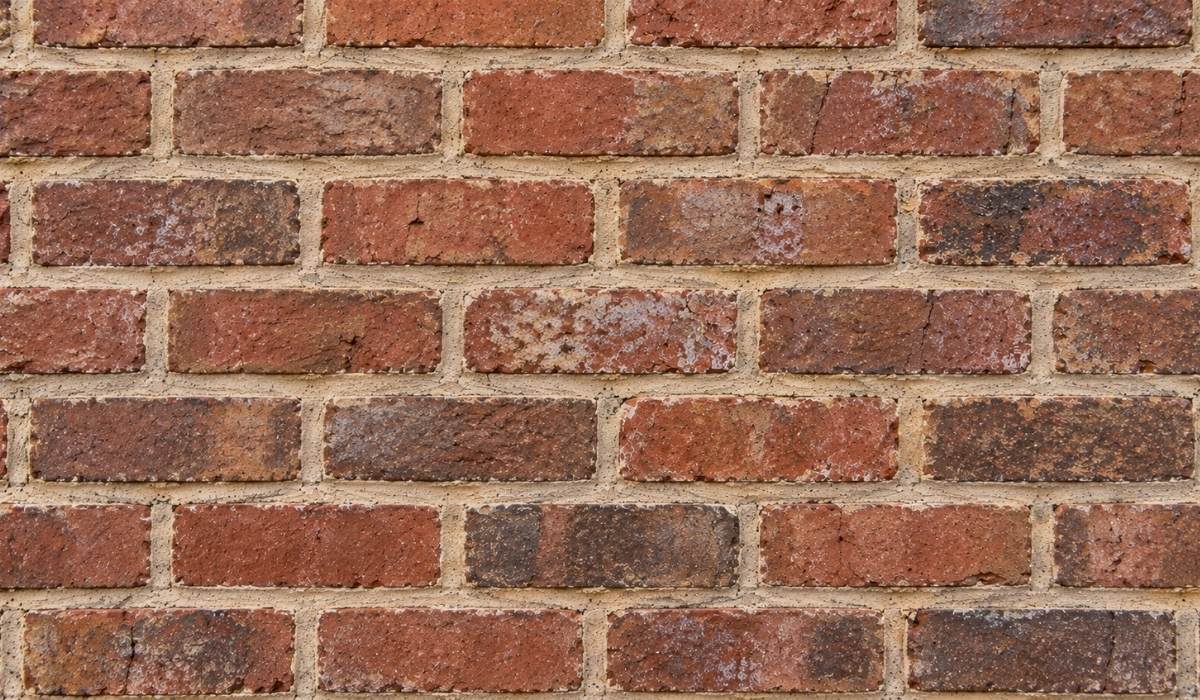
Lime mortar is a mixture of lime, sand, and water that was widely used as a binding material for masonry construction before Portland cement came into common use. Its flexibility and permeability can make it well suited to historic brick and stone when those properties are compatible with the existing masonry.
According to the GSA's technical procedure on lime mortar, lime-rich mortars are generally more permeable to water than many modern cement-based mixes. As moisture passes through the joint, it can dissolve a small portion of the lime and redeposit it in hairline cracks as it evaporates. This effect helps close minor cracks and contributes to the longevity of the joint, though it is not exclusive to pure lime mixes.
That permeability is the mechanism that allows a masonry wall to release moisture gradually through the joints instead of forcing it to escape through the face of the brick or stone.
Why Do Mortar Hardness and Compatibility Matter So Much?
The National Park Service explains that a good repointing job is meant to last at least 30 years and preferably 50 to 100 years. For compatibility, the new mortar should be softer and more vapor-permeable than the masonry units and no harder or less permeable than the historic mortar. Maximum compressive strength is not the goal.
Historic brick used in 18th- and 19th-century Boston construction can be softer and more porous than modern brick. When replacement mortar is too hard, too impermeable, or both relative to the surrounding masonry, several problems can follow:
- Moisture becomes trapped inside the brick or stone instead of escaping through the joint
- Freeze-thaw cycles concentrate stress on the masonry unit rather than the sacrificial mortar
- The brick face begins to spall, crack, or crumble
- Repairs become more extensive and costly than a standard repointing project
READ MORE: How to Fix Plaster Walls and When to Call the Pros for the Job
Lime Mortar vs. Modern Mortar: A Side-by-Side Comparison
|
Factor |
Lime-Rich Mortar |
Higher-Portland-Cement Mortar |
|
Hardness relative to historic masonry |
Generally softer when appropriately formulated |
Generally harder as Portland cement content increases |
|
Water permeability |
Generally higher |
Generally lower |
|
Flexibility |
Better accommodates minor building movement |
Generally more rigid |
|
Self-healing behavior |
Can reseal minor hairline cracks through lime dissolution and redeposition |
Less pronounced than in lime-rich mortar |
|
Typical application |
Masonry requiring a softer, more permeable mortar |
Masonry compatible with higher-strength cementitious mortar |
|
Risk to soft historic masonry |
Lower when properly formulated |
Can increase when the mortar is too hard or impermeable |
This comparison reflects general preservation principles rather than a guarantee for any individual building. Every historic church wall has its own mortar composition, moisture history, and structural condition, which is why mortar analysis matters before any repointing decision is finalized.
Why Does Mortar Analysis Matter Before Repointing Begins?
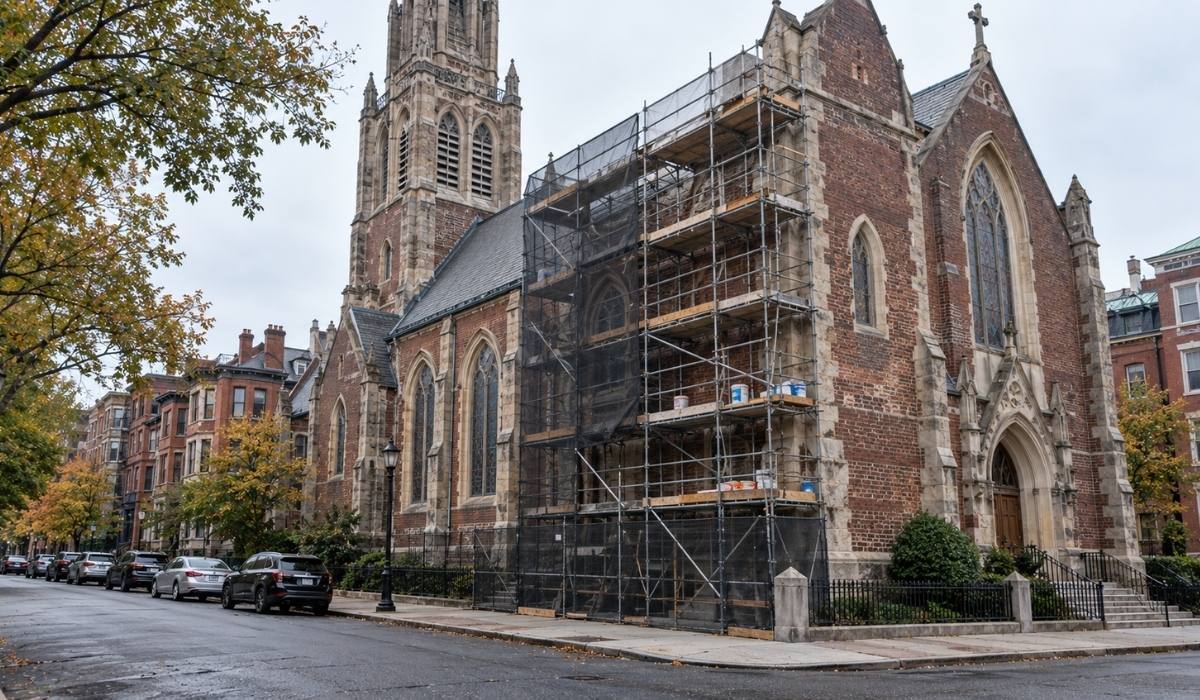
Mortar analysis matters because visual matching alone cannot confirm physical compatibility. A qualified restoration team evaluates the original mortar and surrounding masonry to understand their characteristics and properties. Laboratory analysis can provide additional information, though it has limitations and should be used alongside field observations rather than as the sole basis for a specification. Evaluation and analysis may help identify:
- Binder and aggregate characteristics of the historic mortar
- The type, color, and gradation of sand, which affect final appearance
- Visible inclusions, pigments, or other original ingredients
- Information that can help guide the formulation of a compatible replacement mortar
Skipping a proper mortar and masonry evaluation can lead to a replacement mortar that looks appropriate when installed but is too hard, too impermeable, or otherwise incompatible with the existing wall.
How Do Masons Match Color, Texture, and Joint Profiles?
Matching color, texture, and joint profile is a common historic preservation requirement. Boston’s South End Landmark District standards make this explicit.
Under the South End Landmark District’s Standards and Criteria, repointing work is required to match the original mortar in color, texture, joint width, and profile. While individual district requirements vary, this standard highlights the importance of detailed matching when working on historic sacred buildings in Boston.
Elements that determine an accurate match include:
- Sand color and grain size: These directly affect the final color of cured mortar
- Joint width: Historic joints are often narrower or wider than typical modern spacing
- Joint profile: Flush, concave, struck, or weathered profiles each cast different shadow lines
- Mortar texture: Coarse or smooth finishes affect how light reflects across the wall
Getting these details wrong creates a patchwork appearance that is often visible from street level, even to non-experts, and can complicate approval from local historic commissions.
How Is a Historic Church Repointed the Right Way?
Step 1: Document Existing Conditions
Photograph and map areas of deteriorated mortar, cracking, and moisture staining before any work begins. This creates a baseline for tracking progress and supports any required historic commission application.
Step 2: Analyze the Original Mortar
Collect a representative sample from an appropriate section of the wall to evaluate the mortar’s composition and sand characteristics. Assess its relative strength and permeability alongside the surrounding masonry when developing the replacement specification.
Step 3: Remove Deteriorated Mortar Carefully
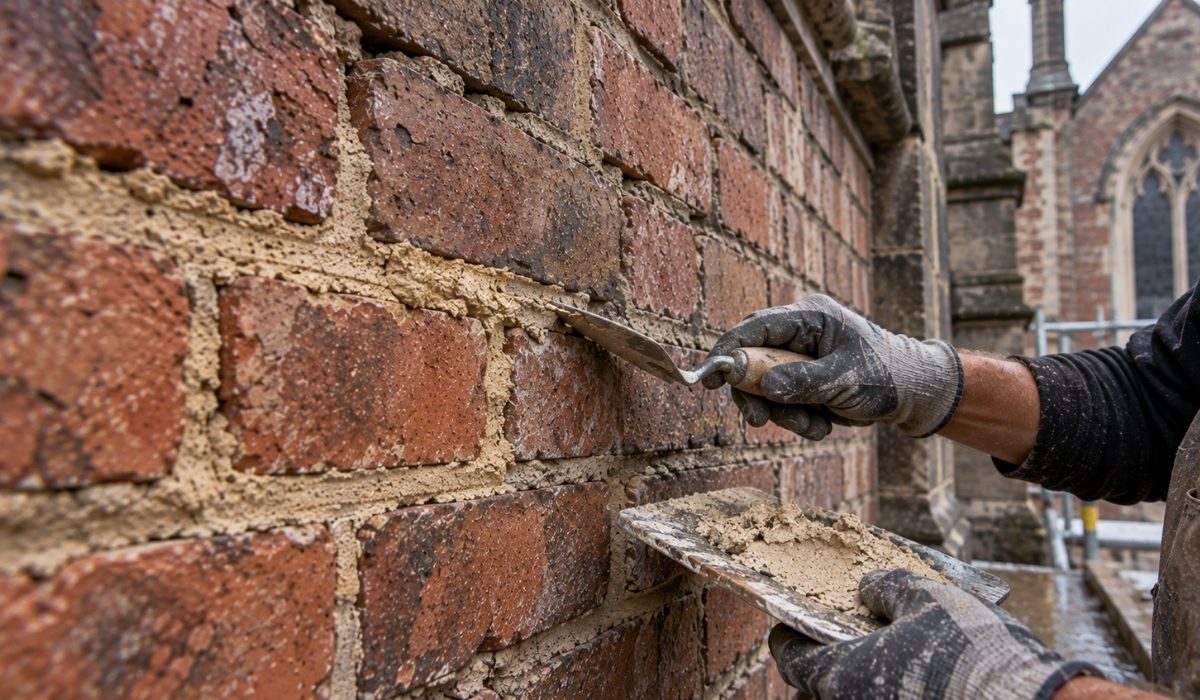
Use hand tools as the default method for removal. Mechanical tools or power grinders should only be permitted with extreme caution and by experienced operators to avoid widening joints or damaging the edges of historic masonry units.
Step 4: Formulate a Compatible Mortar Mix
The new mortar should be softer and more vapor-permeable than the masonry units and no harder or less permeable than the historic mortar. These performance characteristics are more important than replicating the historic mortar’s exact chemical composition.
Step 5: Match Joint Width, Profile, and Finish
Replicate the original joint style precisely, since local historic district standards often require this level of accuracy.
Step 6: Cure the Mortar Properly
Lime mortar cures more slowly than cement mortar and requires protection from freezing temperatures and rapid drying during the curing period.
Step 7: Inspect and Document Completed Work
Compare the finished repointing against the original documentation to confirm color, texture, and joint consistency across the wall.
What Should Church Committees Watch For Before Approving Repointing Work?
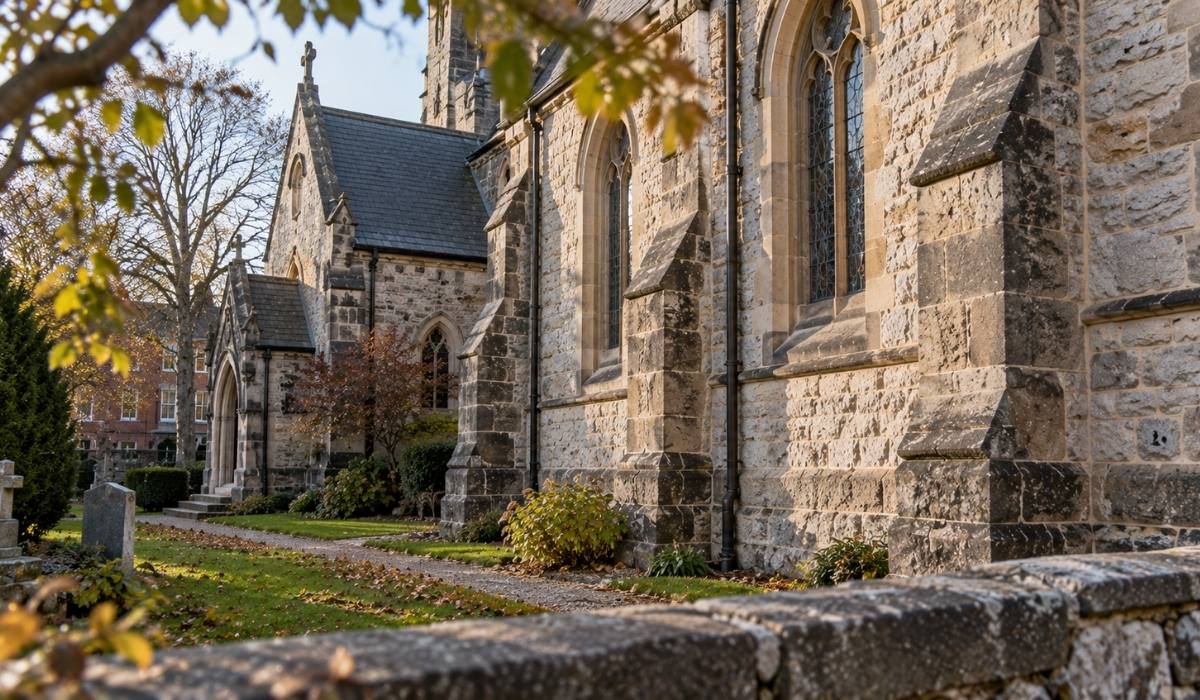
Church building committees benefit from asking specific questions before approving a repointing contract, since mortar decisions affect the building for decades. Cost, scope, and materials vary based on the building’s condition, historic district requirements, wall exposure, and the extent of prior repair work, so a site evaluation is the most reliable way to understand what a specific project will involve.
Ask the contractor:
- Will the mortar mix be based on an analysis of the original material?
- Does the proposed work require review from the Boston Landmarks Commission or a local historic district commission?
- How will the crew match joint width, profile, and finish to the existing wall?
- What steps will protect surrounding brick or stone during mortar removal?
A qualified restoration partner should be able to answer these questions clearly and explain how the answers apply to the specific sanctuary in question.
Frequently Asked Questions
Should only deteriorated mortar joints be repointed?
Generally, yes. Repointing focuses on joints where mortar has become loose, cracked, eroded, or otherwise deteriorated. Sound historic mortar should usually be preserved rather than removed unnecessarily, since retaining original material is an important preservation principle.
Can previous cement-based repairs be removed from historic masonry?
In many cases, yes, but removal must be approached carefully. Hard cement-based patches can bond strongly to softer historic brick or stone, so improper removal can damage masonry edges or faces. A restoration specialist should evaluate the existing repairs before determining the safest removal method.
What weather conditions are best for lime mortar repointing in Boston?
In Boston’s climate, contractors generally schedule exterior repointing during weather conditions that allow the mortar to cure properly, with temporary protection provided when needed.
Should a test panel be completed before full repointing begins?
For significant historic masonry work, a test panel can help confirm mortar color, texture, joint profile, application, and workmanship before work proceeds across a large elevation. It can also provide a useful reference for historic commission review when required.
Can historic church repointing be completed in phases?
Yes. Large church restoration projects can often be divided by elevation, tower, façade, or area of deterioration. Phasing can help congregations manage access, scheduling, and project scope while prioritizing sections where mortar or masonry deterioration is most urgent.
Plan Your Church’s Masonry Restoration With Confidence
Congregations weighing a repointing project deserve a process built around the building’s actual materials. Artech Church Interiors, Inc. brings decades of hands-on experience restoring sacred spaces throughout the Northeast, including historic churches in the Boston area.
Contact Artech Church Interiors, Inc. to discuss a masonry evaluation for your church’s exterior walls, steeple, or decorative stonework.