
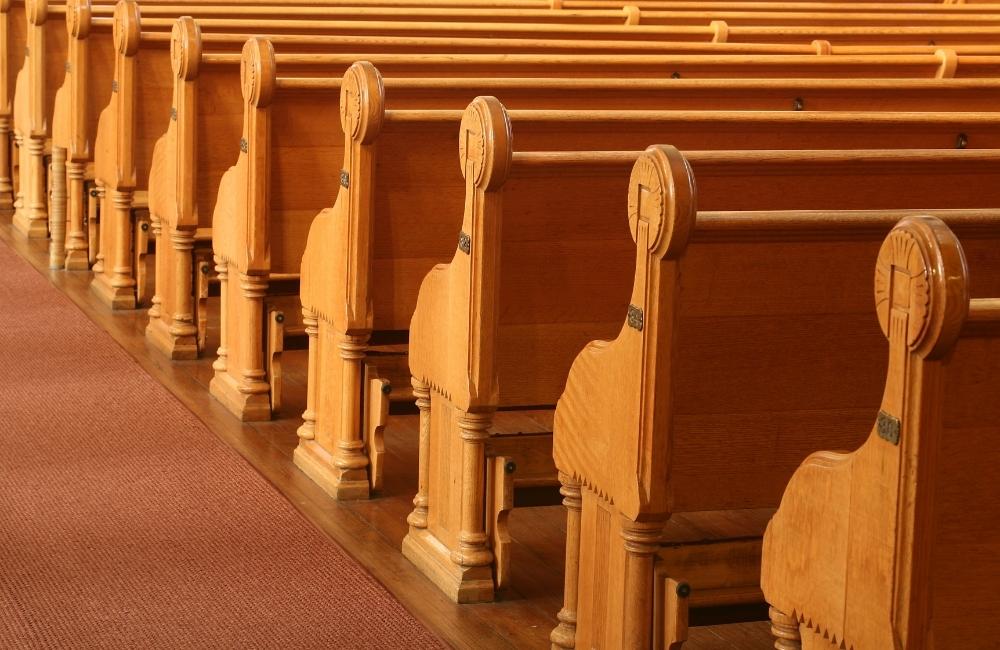
Church refurbishing projects breathe new life into worship spaces, enhancing their aesthetic appeal, functionality, and comfort. Among the many aspects of such projects, selecting the right seating and chairs is one of the most critical decisions. The right choices not only influence the visual harmony of the sanctuary but also improve the experience for the congregation.
Here are tips on how to choose the ideal seating and chairs for church refurbishing.
Table of Contents
Key Takeaways
✔ Measure the space to determine seating capacity and leave room for aisles, altars, and other functional areas.
✔ Focus on durability, ease of maintenance, and visual appeal to ensure consistent quality.
✔ Plan seating arrangements to meet current congregation size while accommodating future growth.
✔ Opt for pews for tradition, chairs for flexibility, or a combination for the best of both worlds.
✔ Align seating style with the church’s mission, choosing traditional pews for reverence or minimalist chairs for modern sanctuaries.
✔ Pick durable hardwoods like oak or maple and finishes that complement other sanctuary elements.
✔ Select durable, stain-resistant fabrics for longevity and ease of cleaning.
✔ Use linear rows for order, curved layouts for closeness, or flexible seating for multi-purpose use.
✔ Enhance the worship space with matching lecterns, hymn book holders, and celebrant chairs.
✔ Engage specialists experienced in church refurbishing for expert advice, custom designs, and compliance with safety standards.
Why Seating Matters in Church Refurbishing
Beyond functionality, seating contributes to the ambiance of the space, shaping how the church is perceived. A thoughtful approach to seating ensures that the choices align with the church’s mission, community needs, and architectural style.
By prioritizing these elements during church refurbishing, churches can create spaces that foster inclusivity and reverence. Consider the following:
- Comfort: Comfortable seating can make long services or events more enjoyable, ensuring attendees remain engaged. Poorly designed or hard seating may cause discomfort and distraction, reducing focus during worship. Well-padded chairs or ergonomically designed pews can create a welcoming environment that encourages prolonged participation.
- Aesthetic Cohesion: The design of chairs or pews should complement the overall theme of the sanctuary, whether it’s traditional, modern, or a blend of both. Matching seating with the architectural details of the church, such as stained glass or woodwork, enhances the space’s sacred atmosphere.
- Functionality: Seating arrangements can be optimized for various purposes, such as regular services, weddings, or community events. Flexible seating options, such as stackable or moveable chairs, allow for easy reconfiguration to accommodate different activities.
- Durability: Durable seating is essential in churches where furniture is subject to regular and heavy use. High-quality materials, such as hardwood or stain-resistant fabrics, can withstand years of wear and tear. Investing in robust seating also minimizes maintenance costs and ensures the church remains inviting over time.
- Acoustic Impact: Seating can influence the acoustics of the worship space, affecting how sound carries during sermons, prayers, and hymns. Wooden pews, for example, can amplify sound, while cushioned chairs may absorb it. Choosing the right seating materials can enhance the auditory experience among all members of the congregation.
Inclusivity: Inclusive seating arrangements cater to the needs of a diverse congregation, including the elderly, families with young children, and individuals with disabilities. Providing designated areas for wheelchairs or adding chairs with armrests for extra support ensures that all attendees feel accommodated.

Factors to Consider Before Choosing Seating
Choosing the right seating for a church refurbishing project requires careful planning and consideration. Several factors must be addressed to ensure the seating aligns with the church’s vision, congregation’s needs, and overall functionality of the space.
1. Budget
Budgeting is a crucial first step in any church refurbishing project. Churches must allocate resources for seating that meets both quality and aesthetic standards without exceeding financial constraints.
- Set Priorities: Determine the balance between cost and quality. Opt for durable materials that provide long-term value while ensuring they fit within the refurbishing budget. Prioritizing quality over initial cost can prevent frequent replacements and repairs in the future.
- Plan for Installation Costs: Consider expenses for assembly, delivery, and any necessary customization. Including these costs in the budget prevents unexpected financial challenges during the project.
- Look for Grants or Donations: Many churches fund refurbishing projects through community support or grants. Reaching out to local organizations or hosting fundraising events can provide additional financial resources for seating.
2. Timeline
A clear timeline ensures that seating is installed without delaying the overall church refurbishing process.
- Order Early: Custom seating or furniture often requires extended lead times for production and delivery. Ordering early also provides a buffer in case of unforeseen delays during manufacturing or shipping.
- Coordinate with Contractors: Align seating installation with other renovation activities, such as flooring or lighting upgrades. Proper coordination ensures that seating installation does not interfere with or delay other refurbishing tasks.
- Plan for Contingencies: Account for potential delays and have alternative arrangements to avoid service interruptions. Flexibility in planning ensures that the church can continue functioning smoothly during the refurbishing process.
3. Congregational Needs
Approximately 61 million people, or nearly 1 in 4 (26%) individuals living in U.S. communities, are affected by a disability. Ensuring spaces for wheelchairs, walkers, and other mobility aids within seating arrangements not only meets accessibility standards, but also fosters inclusivity.
- Accessibility: Ensure spaces for wheelchairs, walkers, and other mobility aids are integrated seamlessly into seating arrangements. Adding ramps or wider aisles can further enhance accessibility and make the worship space more inclusive.
- Comfort Preferences: Older members may prefer chairs with armrests and cushioning, while younger attendees might focus more on design. Offering a mix of seating options caters to various preferences and promotes a welcoming atmosphere.
- Cultural and Religious Practices: Seating should accommodate specific worship practices, such as kneeling or choir performances. Providing movable seating or additional space for special ceremonies ensures the church can adapt to diverse congregational needs.

10 Steps to Choosing the Right Seating and Chairs
1. Assess the Needs of the Worship Space
Each church is unique, and its seating should reflect its specific requirements, especially during church refurbishing projects. The seating must not only meet practical needs but also align with the church’s vision for its space.
- Evaluate Space Size: Measure the sanctuary thoroughly to determine the number of seats needed while ensuring adequate room for aisles, altars, and other functional areas. Proper measurements prevent overcrowding and make the space feel welcoming.
- Consider Versatility: Multipurpose spaces benefit greatly from moveable or stackable chairs, which allow for rearrangements for events such as choir performances, weddings, or meetings.
- Match Architecture: Select seating that complements the architectural style of the church. Ornate pews enhance the historical charm of older buildings, while minimalist chairs provide a sleek, modern look for contemporary sanctuaries. Aligning the seating with the structure preserves the church’s unique character.
2. Establish Standards for Church Seating
Establishing clear standards for seating ensures consistency, quality, and longevity throughout the refurbishing process. These standards help balance beauty, functionality, and practicality.
- Durability: Seating should endure regular use without compromising on structural integrity. High-quality materials such as hardwood or reinforced metal frames ensure longevity, which reduces the need for frequent replacements.
- Ease of Maintenance: Opt for seating that is easy to clean and resistant to wear and stains. Materials like treated wood and stain-resistant fabric simplify upkeep and keep the sanctuary looking pristine even during high-traffic events.
- Visual Appeal: The design of the seating should elevate the overall aesthetic of the sanctuary. Intricate carvings, elegant upholstery, or clean, minimalist lines can enhance the worship space while supporting the overarching vision of the church refurbishing project.
3. Calculate the Ideal Seating Capacity
Determining the right seating capacity is crucial to creating a functional environment without overcrowding or under-utilizing the space. Accurate planning ensures that the church refurbishing investment meets the congregation’s current and future needs.
- Plan for Growth: Anticipate the church’s growth over the next decade and design the seating arrangement to accommodate more attendees. Factoring in potential expansions ensures the space remains functional as the congregation grows.
- Allocate Space for Events: Leave ample room for non-traditional gatherings like community meetings, weddings, or fundraisers. Flexible seating arrangements make the sanctuary a versatile hub for various activities.
- Maintain Accessibility: Ensure sufficient space for wheelchairs, strollers, or other mobility aids. Designating areas for these needs reflects the inclusivity and accessibility goals of the church refurbishing effort.
4. Choose Between Chairs, Pews, or a Hybrid Option
Choosing the right seating style is a balance between tradition, flexibility, and functionality. Each option has its own advantages, making it important to evaluate them in the context of the church refurbishing vision.
- Pews: Pews convey a sense of tradition and are often associated with solemnity and permanence. They work especially well in historical or architecturally significant sanctuaries. Their solid construction also adds visual weight to the space.
- Chairs: Chairs provide unmatched flexibility, allowing easy rearrangements to adapt to different events or congregation sizes. Stackable or linkable chairs maximize space efficiency while offering a modern touch to the worship area.
- Hybrid: A combination of pews and chairs offers the best of both worlds. Pews can be installed in the main sanctuary for regular services, while chairs can be used in overflow or multipurpose areas to support various activities.
5. Select a Style That Reflects the Church’s Personality
The style of seating should resonate with the church’s mission and congregation, aligning with both the spiritual and aesthetic goals of the space.
- Traditional Styles: Ornately carved wooden pews or richly upholstered chairs evoke a sense of history and reverence. These styles often work best in churches with classical or Gothic architectural elements.
- Modern Options: Sleek and minimalist designs cater to contemporary spaces. These styles are versatile and can be customized with various finishes and upholstery to suit the church’s needs during refurbishing.
- Custom Designs: Tailoring seating to include unique features like church logos, engraved symbols, or specific dimensions adds a personal touch and reinforces the identity of the congregation.
6. Choose Wood and Finish Options
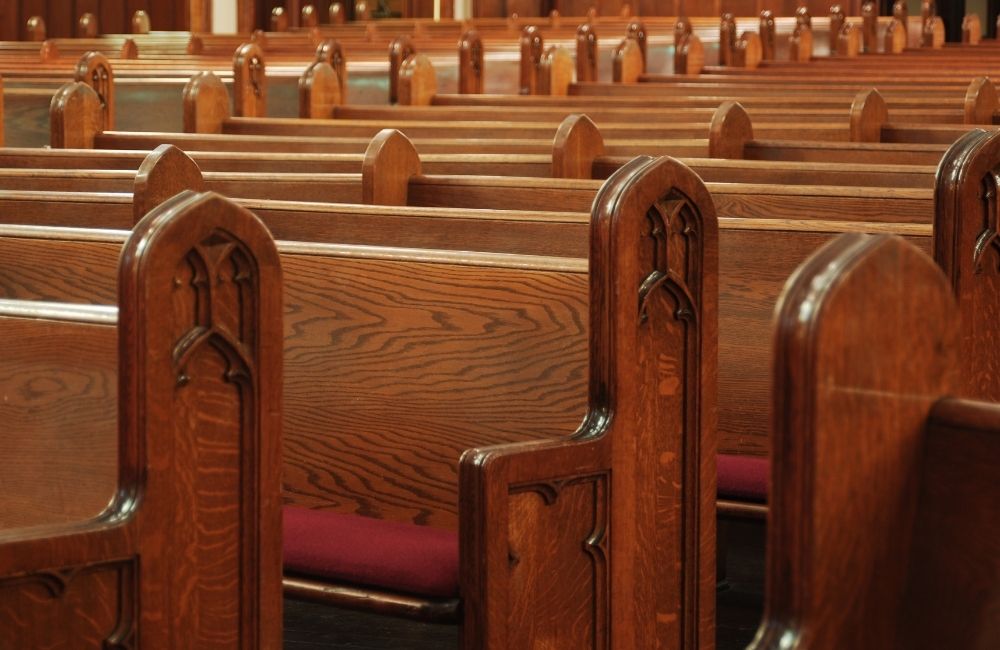
Wooden seating remains a classic choice for church refurbishing, offering durability and a timeless aesthetic that fits a range of styles.
- Hardwoods: Opt for durable woods like oak, maple, or cherry, which provide both strength and beauty. These materials stand up to frequent use and lend a natural warmth to the space.
- Finishes: Select finishes that complement other elements in the sanctuary, such as stained glass windows or altar details. Light stains create a modern feel, while darker hues evoke tradition and grandeur.
- Eco-Friendly Options: Consider sustainable wood options for an environmentally conscious refurbishing project. Certified sustainable materials can provide the same durability and beauty while supporting eco-friendly practices.
7. Pick the Right Fabric for Upholstered Seating
Upholstered seating adds comfort and sophistication to any worship space but requires careful material selection to ensure it meets the demands of daily use.
- Durability: Fabrics that resist wear, fading, and tearing are ideal for high-traffic sanctuaries. Look for upholstery designed for commercial or institutional use to ensure longevity.
- Ease of Cleaning: Choose fabrics that are easy to clean and maintain, such as those with stain-resistant or antimicrobial coatings. This keeps the seating looking fresh even with regular use.
- Color Palette: Neutral or warm tones work well in creating a serene and inviting atmosphere. Consider patterns or textures that hide minor stains while adding visual interest to the space.
8. Plan the Optimal Seating Arrangement
A strategic seating arrangement ensures the sanctuary is functional, visually appealing, and able to accommodate the needs of all congregants.
- Linear Rows: This layout creates a sense of order and maximizes the use of space. It’s ideal for regular services and ensures everyone has a clear view of the pulpit.
- Curved Layouts: Curved arrangements enhance sightlines and foster a sense of closeness among the congregation. This setup works particularly well in large or wide sanctuaries.
- Flexibility: Incorporating movable seating allows the church to adapt its layout for special occasions or larger gatherings. This adaptability makes the refurbishing project future-proof for various uses.
9. Incorporate Additional Furniture to Enhance the Space
Additional furnishings complete the refurbishing project, ensuring the worship space is both functional and visually harmonious.
- Lecterns and Pulpits: These pieces should match the style of the seating to create a cohesive look. Custom designs can emphasize the church’s unique identity.
- Hymn Book Holders: Practical storage solutions like hymn book holders help maintain organization and convenience for the congregation. They can be integrated into pews or chairs for added functionality.
- Celebrant Chairs: Comfortable and visually striking celebrant chairs reflect the importance of clergy in the worship service and enhance the sacred atmosphere of the altar area.
10. Partner with Professionals for Expert Guidance
Engaging professionals during the church refurbishing process ensures quality, compliance, and a seamless experience.
- Consult Specialists: Work with experts experienced in church refurbishing to receive tailored advice on materials, designs, and layouts. Their insights can prevent costly mistakes and ensure the project meets its goals.
- Request Samples: Testing materials, finishes, and fabric swatches allows churches to make informed decisions and visualize how the seating will look in the space.
How to Choose the Right Church Renovation Company
Choosing a reliable renovation company in Rhode Island is crucial for ensuring the success of a church refurbishing project. The right company will bring expertise, quality craftsmanship, and a deep understanding of how to meet the unique needs of worship spaces.
1. Research Experienced Professionals
- Portfolio: Review the company’s portfolio to assess the quality of past church projects. Look for evidence of their ability to handle projects of similar scope and style, ensuring they can meet specific demands for various refurbishing needs.
- Experience: Focus on specialists with extensive experience in church refurbishing, as they understand the balance between preserving tradition and incorporating modern elements.
2. Check References and Reviews
- Testimonials: Positive testimonials from previous clients are a strong indicator of a company’s professionalism and ability to deliver on its promises. Look for reviews specifically mentioning church refurbishing to gauge their suitability for this type of project.
- References: Speak directly with other churches that have worked with the renovation company. Ask about their overall experience, any challenges faced, and how the company resolved them.
3. Evaluate Customization Options
- Tailored Designs: Opt for a company that offers custom seating and furnishings, such as engraved logos or bespoke dimensions. Customization allows the church refurbishing project to reflect the congregation’s identity while maintaining functionality.
- Material Choices: Evaluate the variety of wood types, finishes, and fabrics available. A company with diverse material options ensures that the final results will meet both aesthetic and practical needs.
4. Request Transparent Quotes
- Detailed Estimates: Request a comprehensive breakdown of costs, including materials, labor, and additional fees like delivery or installation. A detailed quote is a key component of a successful church refurbishing project as it allows for better financial planning.
- Timeline Clarity: Ensure the company provides a clear timeline for project completion. A detailed schedule helps coordinate other aspects of the church refurbishing process, such as flooring or lighting upgrades.
Frequently Asked Questions
What are the common pitfalls to avoid during a church refurbishing project?
Common pitfalls include underestimating costs, which can lead to budget overruns or incomplete renovations. Neglecting historical preservation guidelines may compromise the church’s architectural and cultural integrity. Additionally, failing to involve the congregation during the planning process can result in decisions that don’t align with the community’s needs.
What are the key benefits of involving the congregation in church refurbishing projects?
Involving the congregation fosters a sense of community and shared responsibility for the church’s renovation. It encourages greater participation in fundraising efforts and provides valuable input to ensure the refurbishing aligns with the needs and preferences of the members. Additionally, this collaboration helps strengthen the bond between the congregation and the church, creating a more engaged worship community.
What are the benefits of refurbishing a church instead of building a new one?
Refurbishing preserves the historical and architectural significance of the church, maintaining its legacy within the community. It is often more cost-effective than constructing a new building while achieving a revitalized worship space. Refurbishing also supports sustainability by reusing materials and reducing environmental impact.
Ready to Transform Your Church with Expert Refurbishing?
If you’re planning a church refurbishing project and want expert guidance, trust Artech Church Interiors, Inc. to bring your vision to life. With years of experience serving churches across Rhode Island, Artech Church Interiors, Inc. specializes in creating functional and beautiful worship spaces. Whether you need new seating, refinished pews, or architectural upgrades, our team can handle it all with precision and care.
Contact Artech Church Interiors, Inc. today to learn how we can help you achieve your church refurbishing goals!